


Introduction to Meiji Jingu Shrine
Planning to visit Meiji Jingu? This guide covers the latest Meiji Jingu opening hours, entry fees, Inner Garden tickets, Treasure Museum prices, transport from Harajuku and Shibuya, visitor etiquette, photography tips, and the best time to visit one of Tokyo's most famous Shinto shrines.
Meiji Jingu Shrine is one of the most important spiritual landmarks in Tokyo, located near the lively district of Harajuku. Surrounded by a vast sacred forest, the shrine gives you a real break from Tokyo's noise. Within 5 minutes of entering the forest, the city disappears. It is dedicated to Emperor Meiji and Empress Shoken, symbolising Japan’s transition into the modern era. Visitors come here to experience traditional culture, walk along tranquil forest paths, and participate in rituals. If you only have time for one shrine in Tokyo, make it this one.
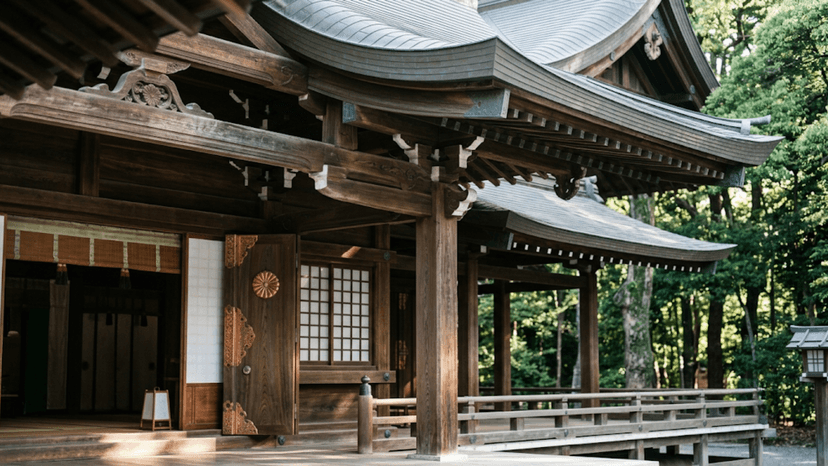
The beautifully preserved wooden architecture of the main shrine hall.
Meiji Jingu Shrine Opening Hours & Entry Fees
Planning your visit? Use the table below for quick access to the opening times and entry costs for the main areas of the Meiji Jingu complex.
| Area | Opening Hours | Entry Fee |
| Main Shrine (Meiji Jingu) | Sunrise to Sunset (daily, no closing) | Free |
| Meiji Jingu Museum | 10:00 – 16:30 (closed Thursdays) | ¥1,000 per person |
| Inner Garden | 9:00 – 16:30 (Nov–Feb until 16:00) | ¥500 per person |
What is Meiji Jingu Shrine?
- Meiji Jingu Shrine is a historic Shinto shrine in Tokyo dedicated to Emperor Meiji
- Located near Harajuku, it offers a peaceful forest escape in the city
- Visitors come for cultural rituals, nature walks, and traditional experiences
- It is one of Tokyo’s most important spiritual and cultural landmarks
History and Significance of Meiji Jingu
Meiji Jingu Shrine holds deep historical and cultural importance, reflecting Japan’s transformation during the Meiji era. Built in 1920, it honours the legacy of Emperor Meiji and Empress Shoken while preserving traditional Shinto practices. It was built in 1920 to honour Emperor Meiji. The shrine is where 3 million people come for New Year prayers alone, making it one of the most visited cultural sites in Tokyo. Its serene environment and symbolic meaning attract both locals and international visitors seeking a deeper understanding of Japanese heritage.
Even though it had been initially constructed in 1920, what stands today is a reconstruction that was made following its demolition in the Second World War. At present, this is seen as a place that has been restored and within which there is a dense growth of 100k trees, all of them given from every part of Japan. There can be no denying its importance, as it receives an estimated three million-plus guests for Hatsumode (the initial temple trip of the year) alone, ranking first by far among all the other shrines in Japan.
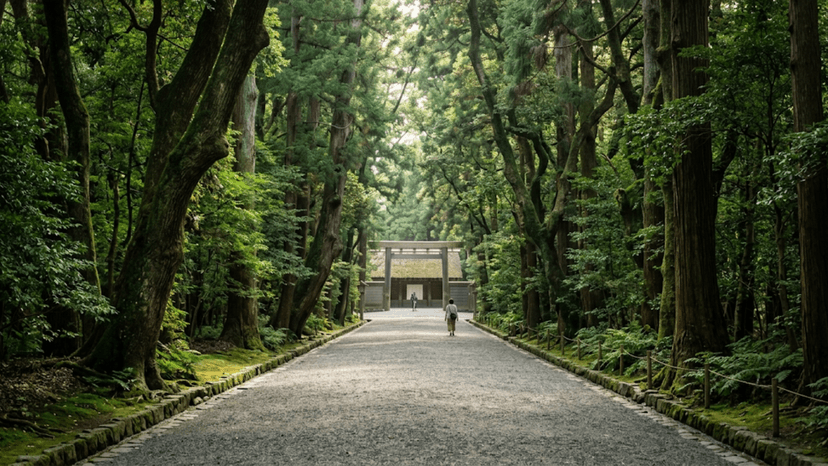
A 700-metre walk through a sacred forest that hides the city's noise.
Emperor Meiji Legacy
The shrine is dedicated to Emperor Meiji, who played a key role in modernising Japan during the late 19th century. His leadership transformed the country from a feudal society into a modern nation. The shrine honours his contributions and lasting influence on Japanese society.
Shinto Spiritual Importance
Meiji Jingu Shrine is an important site for Shinto practices. Visitors can observe rituals, make offerings, and experience traditional customs that reflect Japan’s indigenous belief system centred on nature and spirituality.
Cultural Heritage Value
As a major cultural landmark, Meiji Jingu Shrine represents Japan’s national identity and traditions. It serves as a place where history, culture, and spirituality come together, preserving heritage for future generations.
Japanese Phrases for Your Shrine Visit
Understanding a few phrases will enhance your interaction with the local culture during your Meiji Jingu trip:
-
'Sumimasen' (Excuse me): Use this when asking for directions to the Meiji Jingu Shibuya entrance.
-
'Arigato Gozaimasu' (Thank you): Use this after interacting with shrine staff.
-
'Kore wa nan desu ka? ' (What is this?): Use this if you are curious about a ritual at the Meiji Shrine, Tokyo.
Meiji Jingu Shrine Architecture and Layout
Meiji Jingu Shrine features a layout that blends traditional Japanese design with natural surroundings, creating a calm and spiritual environment. Unlike urban shrines, it is set within a dense forest that separates visitors from the city’s noise. The structure follows classic Shinto principles, guiding visitors through symbolic spaces from the outer entrance to the inner sanctuary. This gradual transition enhances the experience, allowing visitors to move from a busy city atmosphere into a peaceful and sacred setting that reflects Japan’s cultural and architectural traditions.
Torii Gates and Entrance
Visitors enter Meiji Jingu Shrine through large Torii Gate structures that mark the transition from the everyday world into a sacred space. These gates are simple yet powerful symbols of Shinto belief. Passing through the gates feels like stepping into a different world, quieter, older, and more deliberate, where nature and spirituality are closely connected. The wide pathways leading from the gates set the tone for a calm and reflective journey toward the main shrine area.
Forest Path and Sacred Grounds
The shrine is surrounded by a vast forest, offering a unique walking experience in the heart of Tokyo. The shaded paths create a peaceful atmosphere, allowing visitors to disconnect from the city. Walking through these grounds feels like entering a natural sanctuary, where the sounds of nature replace urban noise.
Main Shrine Area
The main shrine area showcases traditional Japanese architecture with wooden structures and simple, elegant design. This central space is where visitors gather to pray, make offerings, and experience the spiritual essence of the shrine.
Things to Do at Meiji Jingu Shrine
Meiji Jingu Shrine offers a variety of cultural and spiritual experiences that allow visitors to connect with Japanese traditions. From participating in rituals to exploring gardens and observing ceremonies, the shrine provides more than just sightseeing. Each activity reflects a different aspect of Shinto culture and Japanese heritage. Whether you are interested in history, spirituality, or peaceful surroundings, there are many meaningful ways to engage with the shrine and enhance your visit.
|
Activity |
Experience |
Time Needed |
|
Walk forest paths |
Peaceful nature experience |
30–45 mins |
|
Visit main shrine |
Cultural & spiritual visit |
20–30 mins |
|
Inner garden |
Seasonal beauty |
30 mins |
|
Rituals (omikuji, ema) |
Cultural interaction |
15–20 mins |
Experience Shinto Rituals
Visitors can take part in traditional practices such as purification at the Temizuya and drawing fortunes with Omikuji. Try the Omikuji fortune draw. English versions are available, and it is a fun 100-yen experience.
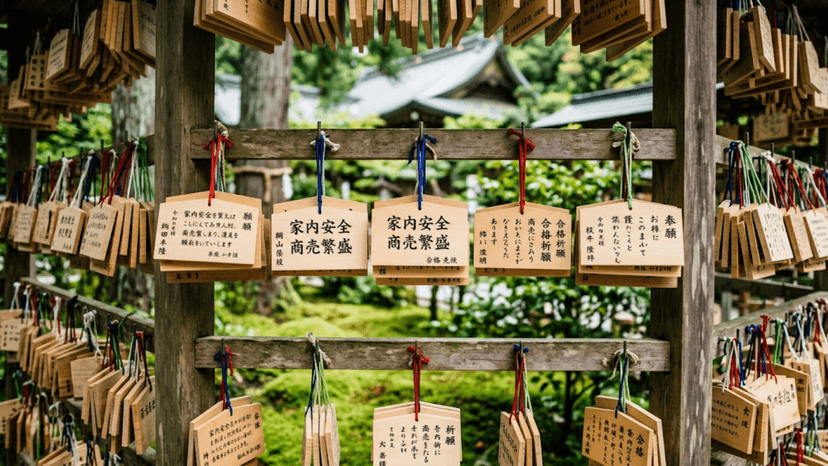
Visitors offer prayers by writing wishes on traditional wooden Ema plaques.
Explore Inner Garden and Museum
The Meiji Jingu Inner Garden offers seasonal beauty, especially during iris blooming season, while the Meiji Jingu Museum provides historical exhibits related to the shrine and imperial legacy.
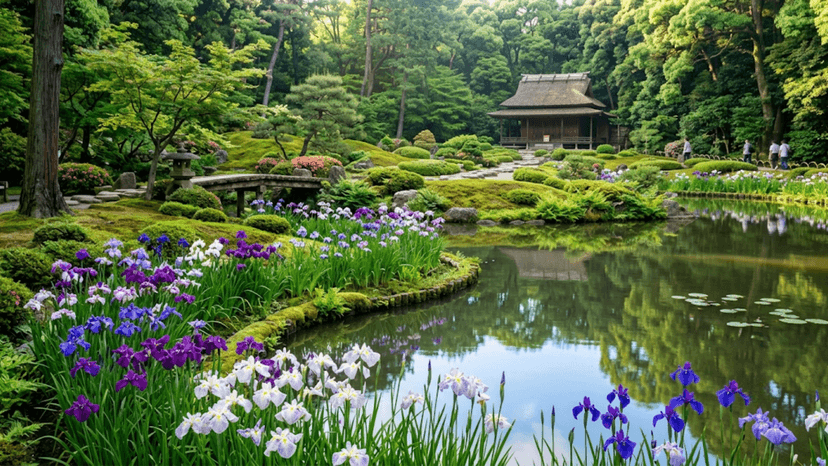
The serene Inner Garden, famous for its seasonal iris blooms.
Witness Traditional Ceremonies
If you are lucky, you may witness a traditional Shinto wedding ceremony taking place on the shrine grounds, a traditional ceremony that highlights Japanese customs and cultural heritage, adding a unique and memorable experience to the visit.
Meiji Jingu Etiquette and Visitor Tips
A few simple rules apply at Meiji Jingu, and knowing them before you arrive makes the visit much more enjoyable to maintain a respectful and meaningful experience. As an active Shinto shrine, it is not only a tourist attraction but also a place of worship. Visitors are expected to follow basic etiquette, move calmly through the grounds, and respect sacred areas. Understanding these customs enhances your visit and allows you to experience the spiritual atmosphere more authentically while avoiding unintentional disrespect in this important cultural site.
Shrine Etiquette
At Meiji Jingu Shrine, visitors should walk calmly, avoid loud behaviour, and follow proper shrine practices. This includes bowing slightly at entrances and being mindful of designated walking paths. Respecting the environment helps preserve the peaceful atmosphere.
Offerings and Customs
Visitors can engage in traditions such as writing wishes on Ema or purchasing Omamori for good luck and protection. These customs provide a deeper cultural connection and are commonly practised at the shrine.
Photography and Respect
Photography is welcomed throughout the shrine grounds; however, please be respectful and avoid photographing private ceremonies or worshippers without explicit permission, but visitors should avoid taking photos in restricted or sacred zones. Being respectful of ceremonies and other visitors ensures a more appropriate and enjoyable experience.
How to Visit Meiji Jingu Shrine
Reaching Meiji Jingu Shrine is simple due to its central location in Tokyo. The shrine is well-connected by public transport and easily accessible on foot from nearby districts. Clear signage and multiple entry points make navigation straightforward for visitors, whether arriving from major stations or exploring surrounding areas.
Access from Harajuku and Shibuya
The easiest access is from Harajuku Station, which is just a short walk from the shrine entrance. Visitors can also reach the shrine from Shibuya by walking or taking a short train ride.
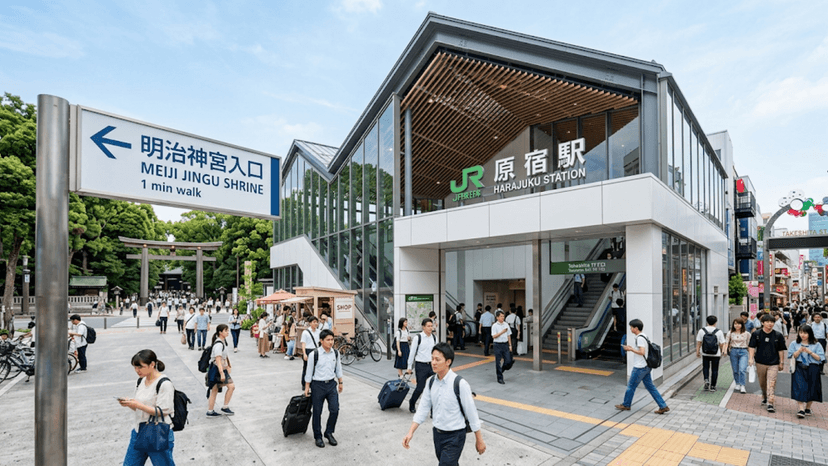
Harajuku Station: Your gateway to the shrine and beyond.
Train and Transport Options
The JR Yamanote Line is the most convenient way to reach the shrine, connecting it to major areas across Tokyo with frequent service. Although Harajuku Station on the JR Yamanote Line remains the favoured way to get to the shrine, one can also access it through Meiji-jingu-mae Station, served by the Chiyoda and Fukutoshin subway lines. Many times, it’s easier to do this when coming from Shinjuku or Shibuya and being part of the metro system.
Walking Routes and Entrances
Visitors can enter through scenic forest paths that lead into the shrine grounds. These entrances provide a peaceful transition from the city into a natural and spiritual setting
Private Vehicle and Guided Access
While public transport is highly efficient, visiting by private vehicle offers a more comfortable and personalised experience, especially for families or those on a tight schedule. Parking is available near the shrine, though it can become limited during peak holidays.
For a stress-free experience, consider booking a Private Full-Day Tour with Karvaan Tours. We provide dedicated transportation, allowing you to bypass navigation hassles and maximise your time at Meiji Jingu. Our expert guides ensure you receive a curated experience that includes seamless pickup and drop-off, making your visit to this spiritual landmark both convenient and memorable.
Best Time to Visit Meiji Jingu
Choosing the right time to visit Meiji Jingu Shrine can significantly affect your experience. Crowd levels, weather, and seasonal changes all influence how peaceful and enjoyable the visit feels. Planning your visit carefully helps you avoid busy periods and fully appreciate the shrine’s calm atmosphere.
|
Time |
Crowd Level |
Experience |
|
Morning |
Low |
Peaceful, best experience |
|
Afternoon |
Medium–High |
Busy but lively |
|
Weekend |
High |
Crowded |
|
Weekday |
Low–Medium |
Balanced visit |
Morning vs Afternoon
Morning visits are quieter and offer a more peaceful environment, while afternoons tend to be busier with tourists. Early arrival allows for a more relaxed and immersive experience.
Seasonal Highlights
The shrine’s natural surroundings change with the seasons. The Meiji Jingu Inner Garden is especially beautiful during iris season, offering a scenic highlight for visitors.
Crowd and Timing Tips
To avoid crowds, visit early in the morning or on weekdays. Peak times, especially weekends and holidays, can become busy, so planning ahead improves the experience.
Meiji Jingu Itinerary (Half-Day Plan)
A half-day visit to Meiji Jingu Shrine allows enough time to explore its key highlights while also visiting nearby attractions. The shrine’s location makes it easy to combine with other areas, creating a balanced and efficient Tokyo itinerary.
Short Visit Plan
A short visit of 1–2 hours includes walking through the forest paths, visiting the main shrine, and experiencing basic rituals. This plan is ideal for travellers with limited time.
Combine with Nearby Areas
You can combine your visit with Yoyogi Park and Harajuku, adding variety to your itinerary with nature and shopping experiences.
Cultural Walking Experience
Joining guided cultural walking tours can enhance your understanding of the shrine’s history and traditions, offering a deeper and more informative experience.
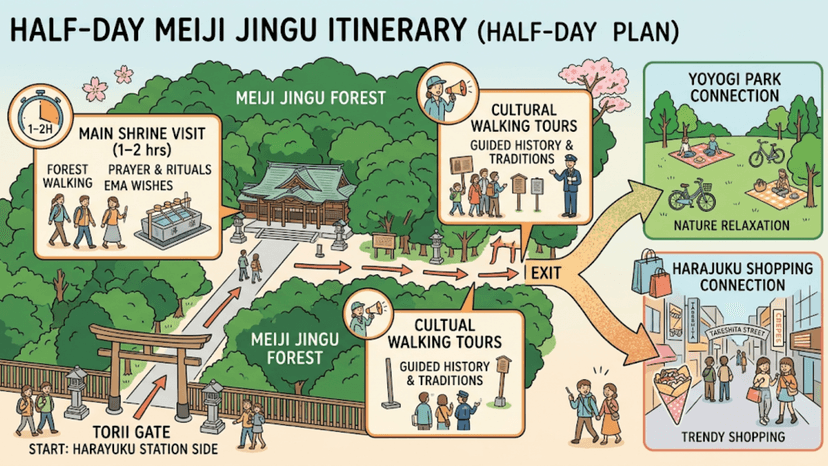
A helpful half-day guide for your visit, mapping out your journey from the Torii gate through the shrine forest and into nearby Yoyogi Park or Harajuku.
Things to Do Near Meiji Jingu
The area around Meiji Jingu Shrine offers a mix of modern culture, shopping, and green spaces, making it easy to extend your visit beyond the shrine. Located between lively districts and peaceful parks, this part of Tokyo provides a balanced experience of urban energy and relaxation. Visitors can explore nearby streets, iconic landmarks, and open spaces within walking distance, creating a well-rounded itinerary that combines culture, food, and sightseeing in a single trip.
Explore Harajuku Area
The nearby Takeshita Street in Harajuku is famous for its vibrant atmosphere, trendy shops, and youth culture. It offers a sharp contrast to the calm environment of the shrine.
Visit Shibuya Attractions
A short distance away, Shibuya Crossing provides an iconic Tokyo experience. Visitors can enjoy shopping, dining, and entertainment in one of the city’s busiest areas.
Parks and Relaxation
Yoyogi Park offers a peaceful green space ideal for relaxing walks, picnics, and enjoying nature after visiting the shrine.
Exploring the Inner Garden & Kiyomasa's Well
The Inner Garden is a must-visit, especially during the iris blooming season, which peaks in mid-June. While you are there, make sure to visit Kiyomasa’s Well. Named after a famous 16th-century commander, this historic spring is considered a spiritual 'power spot' by locals and is one of the most visited sites within the shrine grounds.
Meiji Jingu Shrine: Nearby Restaurants and Food (Harajuku & Shibuya)
While Meiji Jingu Shrine itself maintains a traditional and quiet atmosphere, nearby areas offer a wide range of dining options. From street food to modern cafes, visitors can explore local flavours and enjoy Tokyo’s diverse food culture. The surrounding districts provide convenient access to meals and snacks, making it easy to combine cultural exploration with culinary experiences.
Street Food in Harajuku
Harajuku is known for its street food, including crêpes and taiyaki. These quick snacks are popular among visitors exploring the area and provide a fun, casual dining experience.
Cafes and Desserts
The area features many cafes offering matcha-based desserts and sweets. These spots are perfect for relaxing after walking through the shrine and nearby attractions.
Nearby Restaurants
There are numerous restaurants around Harajuku and Shibuya offering Japanese and international cuisine, providing options for all preferences.
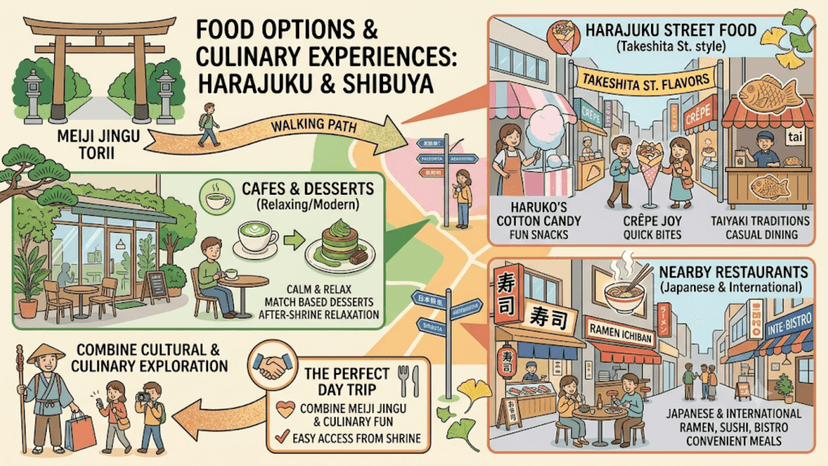
Explore the diverse culinary scene of Harajuku and Shibuya, featuring everything from iconic street snacks to relaxing cafes after your visit to Meiji Jingu.
Meiji Jingu Photography Tips
Meiji Jingu Shrine is one of the most photogenic locations in Tokyo, offering a blend of natural scenery and traditional architecture. Capturing the right moment requires attention to lighting, composition, and timing. The contrast between the forest paths and shrine structures creates unique opportunities for photography. With proper planning, visitors can capture peaceful and visually striking images that reflect the shrine’s spiritual atmosphere.
Best Photo Spots
Key photo spots include the large Torii Gate entrances and the forest pathways leading to the shrine. These areas provide iconic and visually balanced compositions.
Lighting and Timing
Early morning offers soft natural light and fewer crowds, making it the best time for photography. The calm atmosphere enhances image quality and clarity.
Composition Ideas
Using symmetry, leading lines from pathways, and framing with trees helps create visually appealing images. Including depth adds a strong storytelling element to photos.
Meiji Jingu Travel Tips
Visiting Meiji Jingu Shrine becomes more enjoyable with simple planning. From timing your visit to managing walking distances, small adjustments can improve your experience. The shrine’s large grounds and central location require thoughtful planning to avoid unnecessary fatigue and maximise your time.
Planning Your Visit
Arriving early helps avoid crowds and allows for a more peaceful experience. Planning your visit around quieter hours improves overall comfort.
Comfort and Accessibility
The shrine involves walking through long forest paths, so comfortable footwear is essential. The main path from Harajuku Station to the shrine is approximately 700 metres of flat, forest-lined walking, making it accessible and comfortable for all fitness levels.
Efficient Route Planning
To make the most of your morning, try this 2-hour itinerary: Arrive at 8:00 AM to beat the crowds, visit the shrine and Inner Garden, walk through the adjacent Yoyogi Park, and reach Harajuku’s Takeshita Street by 11:00 AM just as the shops open.
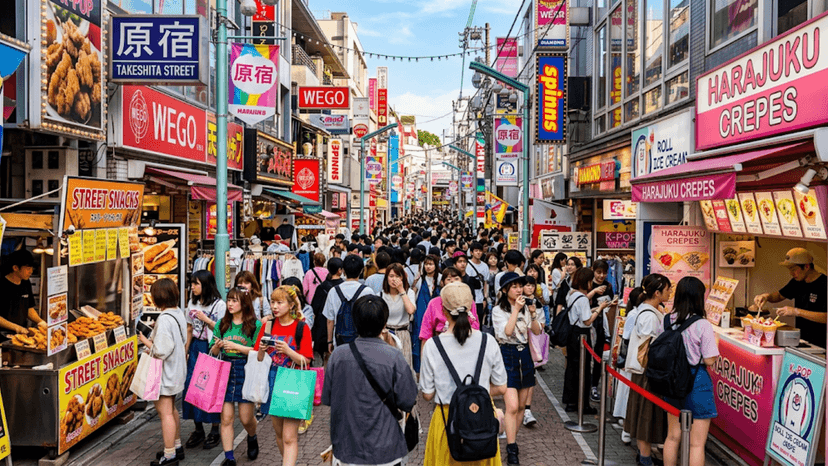
Experience the contrast: The vibrant energy of Takeshita Street.
Is Meiji Jingu Shrine Worth Visiting
Meiji Jingu Shrine is definitely worth visiting for its unique blend of spirituality, history, and natural surroundings. It offers a peaceful escape within one of the busiest cities in the world, making it a standout destination for travellers.
Cultural and Spiritual Value
The shrine provides a deep cultural experience through traditional rituals, architecture, and its connection to Japanese history. It offers insight into Shinto practices and spiritual life.
Pros and Cons
While the shrine can be busy during peak hours, its large grounds allow for quiet moments. The peaceful environment outweighs the occasional crowd.
| Pros | Cons |
| Free Entry: No charge to access the main shrine grounds and forest paths. | Crowds: Can become very busy on weekends, public holidays, and during New Year (Hatsumode). |
| Peaceful Escape: A lush 100,000-tree forest offering a quiet retreat in central Tokyo. | Extra Costs: The Inner Garden and the Meiji Jingu Museum require separate admission tickets. |
| Cultural Significance: One of Japan's most important Shinto shrines, rich in history. | Limited Dining: There are limited food and drink options available inside the shrine grounds. |
| Accessible: Conveniently located near Harajuku, Meiji-jingumae, and Shibuya stations. | Walking Time: It takes about 10–15 minutes to walk from the entrance gates to the main shrine. |
| Photography: Iconic spots, including massive Torii gates and traditional architecture. | Busy Photo Ops: Popular photography spots can be congested during peak tourist hours. |
| Location: Easily combined with Harajuku, Yoyogi Park, and Shibuya in one trip. | Variable Hours: Opening hours change seasonally as they are tied to sunrise and sunset. |
Who Should Visit
Meiji Jingu is ideal for first-time visitors, culture enthusiasts, and those seeking a calm and meaningful experience in Tokyo.
Tips for Visiting Meiji Jingu Shrine
- Visit early in the morning for fewer crowds
- Wear comfortable shoes for long walking paths
- Stay quiet and respectful inside shrine areas
- Combine visit with Yoyogi Park and Shibuya
- Avoid weekends for a more peaceful experience
- Carry cash for small purchases like charms
Meiji Jingu: Tips for Muslim Travelers
As you explore the Meiji Jingu Shibuya area, halal food will be available if you walk a little bit in Harajuku. In case you are planning for a Halal meal near the Meiji Shrine, then it is advisable that you get the genuine halal kind of ramen or donburi at some eateries around Takeshita Stree; this will make your stopover while going to Meiji Jingu comfortable and easy.
Since Meiji Shrine, Tokyo, is located in a large forested area, we advise coming early in the morning around eight or nine o’clock to avoid sun and crowds. There are no designated prayer rooms within the compound; therefore, make sure that you will conclude your prayers after the tour when you get back to the city centre.
Meiji Jingu on New Year (Hatsumode)
Although Harajuku Station on the JR Yamanote Line remains the favoured way to get to the shrine, one can also access it through Meiji-jingu-mae Station, served by the Chiyoda and Fukutoshin subway lines. Many times, it’s easier to do this when coming from Shinjuku or Shibuya and being part of the metro system.
Conclusion
Meiji Jingu is Tokyo's most visited shrine, and for good reason. The 100,000 trees alone are worth the walk in Tokyo. Its serene forest setting, traditional rituals, and historical significance make it a must-visit destination. Whether you are exploring nearby districts or seeking a peaceful retreat, the shrine offers a balanced and memorable experience. For travellers looking to connect with Japan’s heritage while staying within the city, Meiji Jingu remains one of the top places to visit.