


Introduction to Shibuya Crossing
Shibuya Crossing is one of the most iconic landmarks in Tokyo, located just outside Shibuya Station. Known as the world’s busiest pedestrian crossing, it features a unique scramble system where people cross from all directions at once. Surrounded by giant video screens, neon lights, and bustling crowds, it represents the energy of modern Tokyo. Millions of visitors come here to witness its dynamic atmosphere, making it a must-visit attraction for anyone exploring Japan’s capital and experiencing its fast-paced urban culture firsthand. The crossing is busiest during evening hours, when multiple signal cycles create the most dramatic crowd movement.
| Feature | Details |
| Location | Outside Shibuya Station, Hachiko Exit |
| Best Time | Weekdays 5:00 PM – 8:00 PM (Peak neon/crowd) |
| Cost | Free (Walking) |
| Key Transport | JR Yamanote, Ginza, Hanzomon, Fukutoshin Lines |
| Estimated Time | 30–60 Minutes |
What is Shibuya Crossing?
Shibuya Crossing is the world’s busiest pedestrian intersection in Tokyo, where hundreds of people cross from all directions simultaneously. Located outside Shibuya Station, it is famous for its scramble crossing system, neon lights, and energetic urban atmosphere, making it one of the most iconic landmarks in Japan.
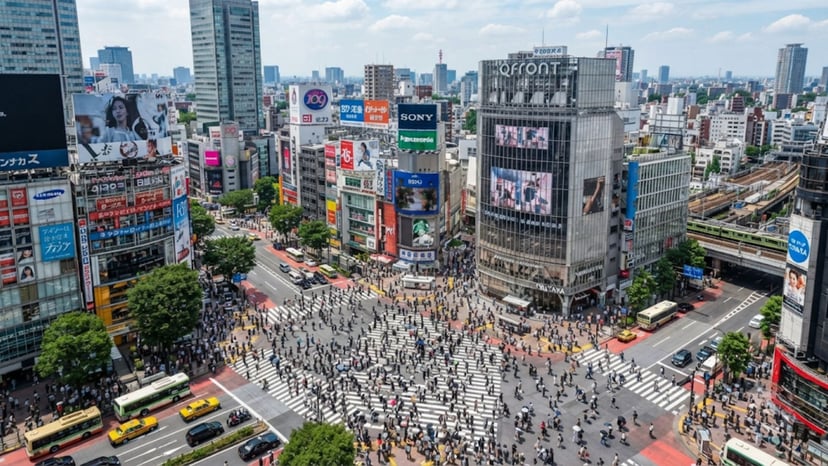
The world’s busiest intersection
Why Shibuya Crossing is Famous
Shibuya Crossing is globally recognised as a symbol of Tokyo’s vibrant city life and modern culture. Its unique design, massive crowds, and surrounding neon-lit buildings create an unforgettable urban experience. Featured in movies, media, and travel guides, it has become one of the most photographed spots in Japan. The crossing reflects Tokyo’s energy, efficiency, and organised chaos, attracting visitors from around the world who want to experience one of the most famous intersections on the planet.

World’s Busiest Pedestrian Crossing
Shibuya Crossing is known as the busiest pedestrian crossing in the world, where hundreds of people cross simultaneously from multiple directions. This scramble crossing system creates a fascinating flow of movement that is both chaotic and perfectly organised. Watching the crowd move together is a unique experience that captures the rhythm of Tokyo’s daily life.
Neon Lights and Urban Energy
The area around Shibuya Crossing is filled with bright neon lights, giant screens, and constant motion. At night, the crossing transforms into a vibrant spectacle, showcasing Tokyo’s famous nightlife and energetic atmosphere.
Cultural Symbol of Tokyo
Shibuya Crossing represents modern Tokyo and its fast-paced lifestyle. It has become a cultural icon, symbolising innovation, urban life, and the dynamic spirit of Japan’s capital city.
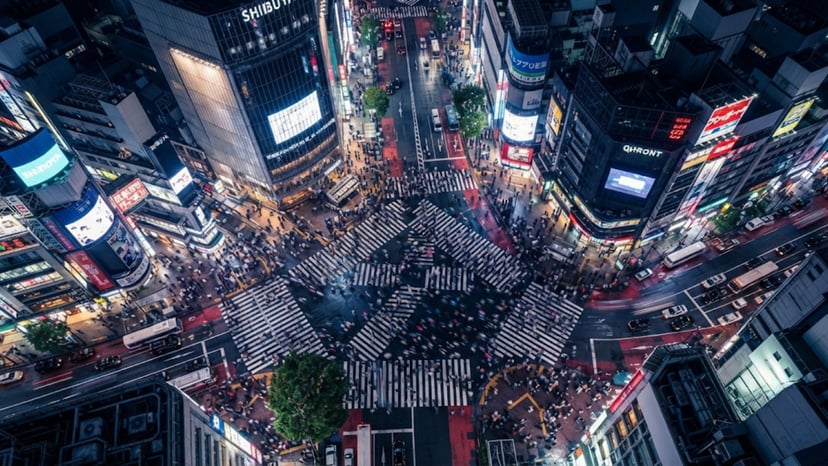
Overhead view from Magnet roof
Best Ways to Experience Shibuya Crossing
Shibuya Crossing offers multiple ways to experience its iconic energy, from walking through the crowds to viewing it from above. Each perspective provides a different feel of Tokyo’s fast-paced urban life. Whether you want to be part of the movement or observe the organised chaos from a distance, the crossing delivers a unique experience. Exploring it in different ways allows you to fully appreciate why it’s considered one of the most famous intersections in the world.
| Experience | Description | Best Time | Ideal For |
|---|---|---|---|
| Walk Crossing | Cross with the crowds. | Evening | First-time visitors |
| View from Above | Skyline perspective | Sunset/night | Photographers |
| Café View | Relaxed observation | Afternoon | Casual visitors |
Where to View the Crossing
| Viewpoint | Type | Cost | Best For |
| SHIBUYA SKY | Paid (Book Ahead) | ~¥2,500 | Panoramic city/crossing views |
| Magnet by Shibuya109 | Paid (Roof) | ~¥600 | Dramatic "overhead" photography |
| Shibuya Mark City | Free | Free | Quiet, elevated vantage point |
| Shibuya Tsutaya (3F) | Paid (Lounge) | Variable | Close-up, comfortable viewing |
Best Time to Visit Shibuya Crossing
Timing is everything at Shibuya Crossing. Your experience shifts drastically from the efficient "commuter rush" of the morning to the vibrant, neon-lit spectacle of the night.
| Time Frame | Experience Type | Crowd Level | Best For |
| 06:00 AM – 09:00 AM | Quiet & Local | Low | Morning photography & street observation. |
| 11:00 AM – 04:00 PM | Steady Urban Flow | Moderate | Shopping & relaxed sightseeing. |
| 05:00 PM – 09:00 PM | Peak Neon Energy | Very High | Night photography & iconic atmosphere. |
| 10:00 PM – Midnight | Late Night Buzz | Moderate | Experiencing Tokyo’s nightlife pulse. |
Weekend vs. Weekday:
-
Weekdays: The crossing follows a predictable commuter pattern.
-
Weekends: The area remains crowded all day, with the intersection often hosting street performers or event-related pedestrian surges near the Hachiko exit.
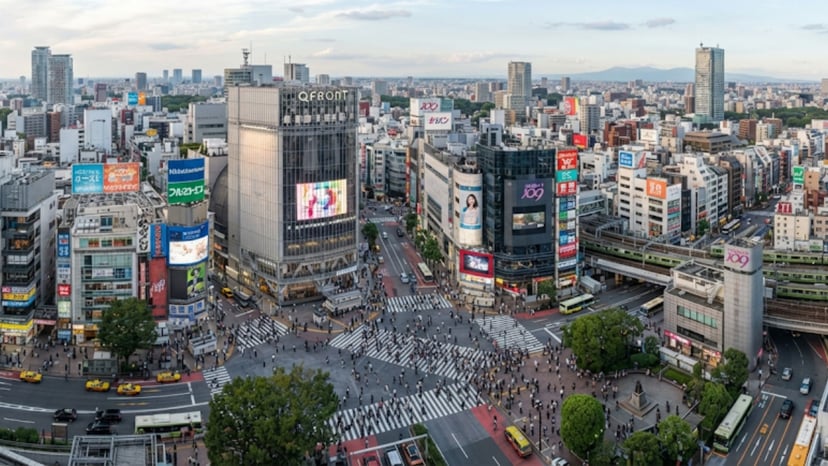
Bird's-eye view from Shibuya Sky
Private vs. Group Tour Comparison
This table helps your customers weigh the value of a personalised, chauffeur-driven experience against standard group alternatives.
| Feature | Private Tour (Karvaan Style) | Group Tour (Standard) |
| Pricing Model | Flat fee per vehicle/group | Per person (Adult/Child) |
| Typical Cost | $350 – $450+ per day (total) | $80 – $150 per person |
| Child Policy | Often free or discounted/custom | Usually full price or 75% |
| Flexibility | High (Custom stops & pace) | Low (Fixed schedule/itinerary) |
| Experience | In-depth, private local expert | Social, high-level overview |
| Best For | Families, Luxury, Time-constrained | Solo travelers, Budget-conscious |
How to Visit Shibuya Crossing
Getting to Shibuya Crossing is easy thanks to Tokyo’s efficient transport network. Located right outside Shibuya Station, it is one of the most accessible landmarks in the city. Whether you’re coming from central Tokyo or nearby districts, clear signage and frequent trains make the journey simple. With proper navigation and route planning, visitors can quickly reach the crossing and begin exploring one of Tokyo’s most iconic urban experiences without any hassle.
| Step | Action | Detail |
| 1 | Select your train. | Use the JR Yamanote Line (best for loop access) or Tokyo Metro (Ginza/Fukutoshin/Hanzomon). |
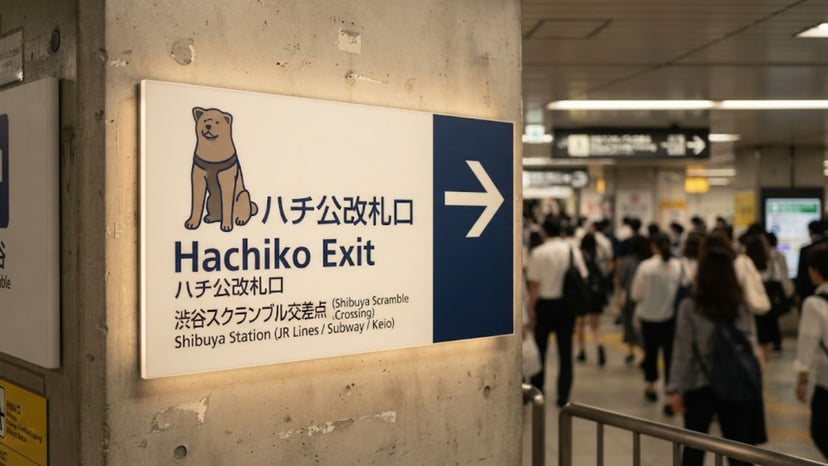
| 2 | Follow Signage | Look for yellow/green signs inside the station marked "Hachiko Exit". |
| 3 | Exit the Station | Exit through the gates. You will see the famous Hachiko Statue to your left. |
| 4 | Arrive | The Shibuya Crossing is directly behind the Hachiko statue. You are now at the centre of the action! |
Estimated Travel & Costs
| From Area | Transport Type | Approx. Cost (One Way) | Time |
| Shinjuku | JR Yamanote Line | ¥170 (~$1.15) | 7 mins |
| Tokyo Station | JR Yamanote Line | ¥210 (~$1.40) | 25 mins |
| Ginza | Ginza Line (Metro) | ¥210 (~$1.40) | 16 mins |
| Private Tour | Chauffeur-Driven | Included in your $350+ Package | Door-to-Door |
Things to Do Near Shibuya Crossing
Shibuya Crossing is surrounded by exciting attractions, shopping areas, and cultural spots. The neighborhood offers a mix of modern entertainment and local experiences, making it easy to spend hours exploring beyond the crossing itself
Visit Hachiko Statue
The famous Hachiko Statue is located near the crossing and is a popular meeting spot. It honours the loyal dog Hachiko and is one of Tokyo’s most beloved landmarks.
Shopping and Entertainment
Nearby attractions include Shibuya 109 and Shibuya Scramble Square, offering a wide range of shopping, dining, and entertainment options.
Explore Local Streets
Explore vibrant streets like Center Gai and Cat Street, known for their trendy shops, cafes, and lively atmosphere.
Shibuya Crossing Itinerary (Short Visit Plan)
A visit to Shibuya Crossing can be easily planned within a short timeframe while still covering key highlights. Whether you have a couple of hours or a full day, Shibuya offers a mix of iconic views, shopping, and cultural experiences. Its central location makes it easy to combine with nearby districts, creating a well-balanced Tokyo itinerary. Planning ahead ensures you maximise your time and experience the energy of one of the world’s busiest intersections efficiently and comfortably.
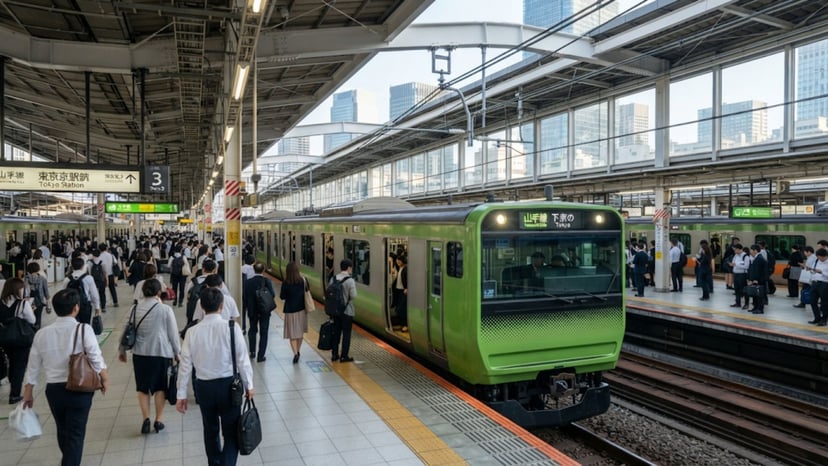
Taking the JR Yamanote line
Quick Visit Plan
A quick visit to Shibuya Crossing can be completed in 1–2 hours. Start by walking across the crossing multiple times, then visit a nearby viewpoint for photos. Explore surrounding streets, stop at a café, and enjoy the lively atmosphere. This short plan is ideal for travelers with limited time who still want to experience the iconic Tokyo crossing and capture memorable moments without spending an entire day in the area.
Combine with Nearby Attractions
You can easily combine Shibuya Crossing with nearby attractions like Meiji Shrine and Harajuku. These locations offer a mix of spiritual, cultural, and shopping experiences. Visiting them together creates a diverse itinerary that balances modern city life with traditional Japanese culture, making your trip more enriching and varied within a short travel distance.
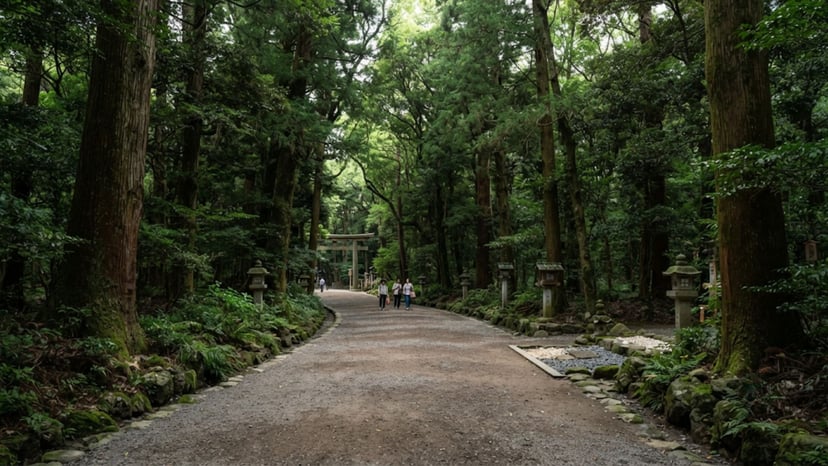
Morning walk at Meiji Jingu
One Day Tokyo Plan
This itinerary is designed for efficiency. By starting early, you beat the massive crowds and capture the best lighting for photos.
| Time | Activity | Highlight |
| 09:00 AM | Meiji Jingu Shrine | Serene morning walk through the forested shrine grounds. |
| 11:00 AM | Harajuku (Takeshita St) | Explore youth culture, crepes, and trendy boutiques. |
| 01:00 PM | Lunch in Shibuya | Authentic local sushi or ramen (near the station). |
| 03:00 PM | Shibuya Sky | Panoramic views (Book tickets 4 weeks in advance!). |
| 05:00 PM | Shibuya Crossing | Experience the "Rush Hour" movement at twilight. |
| 07:00 PM | Dinner & Neon Lights | Enjoy the vibrant nightlife around Center Gai. |
Viewpoint Comparison: Where to See the "Scramble"
Don't waste time wandering for the perfect shot. Here is the breakdown of the top vantage points.
| Viewpoint | Type | Experience Level | Why Go? |
| Shibuya Sky | Paid (Must Book) | Premium | 360-degree open-air view of all Tokyo. |
| Magnet by Shibuya109 | Paid (Roof) | Direct/Close | You are directly above the crossing; best for video. |
| Shibuya Mark City | Free | Quiet/Elevated | A public walkway with a great view of the city scale. |
| Starbucks Tsutaya | Paid (Drink) | Classic/Iconic | The "classic" spot, but very crowded for a window seat. |
Pro-Tips for a Smooth Experience
-
The Ticket Trap: Shibuya Sky tickets sell out weeks in advance. Do not plan to buy them on the day of your visit. If you book our private full-day Tokyo tour, our team manages the logistics and scheduling to ensure you don't miss these time-sensitive slots.
-
The "Hachiko" Meeting Point: The area around the Hachiko statue is always packed. If you are meeting friends, pick a specific shop nearby, as the statue itself is chaotic.
-
Optimise Your Route: Combining Meiji Shrine (Traditional) with Shibuya (Modern) creates a perfect balance. Using public transport (JR/Metro) is efficient but involves a lot of walking.
-
Note: If you have elderly family members or limited time, our private chauffeur service eliminates the ~15,000 steps of walking and the complexity of Tokyo's transfer stations.
-
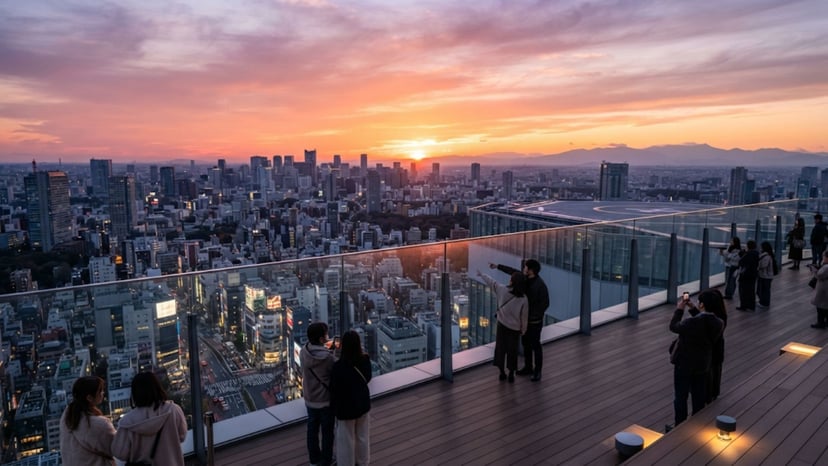
Golden hour view of Shibuya
Best Viewpoints for Shibuya Crossing
Viewing Shibuya Crossing from above offers a completely different perspective, showcasing the full scale of the crowd and city energy. Several viewpoints provide excellent angles for photography and observation. Choosing the right spot depends on your budget and preference, but each option highlights the unique movement and rhythm of the crossing, making it one of the best urban viewing experiences in Tokyo.
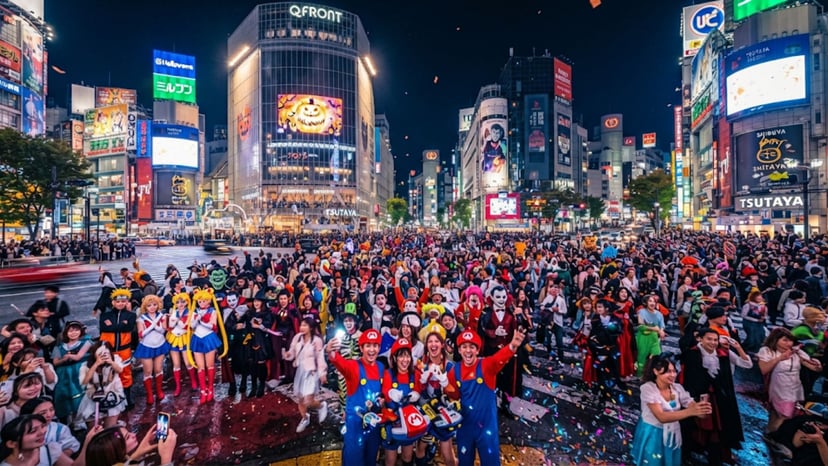
Shibuya during Halloween event
Major Events & Shibuya Crossing Calendar
Shibuya Crossing is the heartbeat of Tokyo's public celebrations. While it is always busy, certain times of the year see massive crowd surges and special events. If you are planning your trip, be aware of these dates:
| Event | Approximate Timing | Crowd Intensity | Note |
| DIG SHIBUYA | February | Moderate | Art and culture-focused festival. |
| Halloween | Late October | Extreme | Street parties; access is often restricted. |
| New Year's Eve (NYE) | Dec 31st | Extreme | Countdown crowds; public transit runs all night. |
| Golden Week | Early May | High | Peak domestic tourism period. |
Shibuya Crossing Food and Dining
The area around Shibuya Crossing is filled with diverse dining options, from quick street snacks to full-service restaurants. Visitors can enjoy authentic Japanese cuisine as well as modern dining experiences. The variety of food available makes Shibuya a great destination for both casual eating and culinary exploration, enhancing your overall visit to the crossing. Restaurants near the crossing can have long wait times during peak hours, especially in the evening.
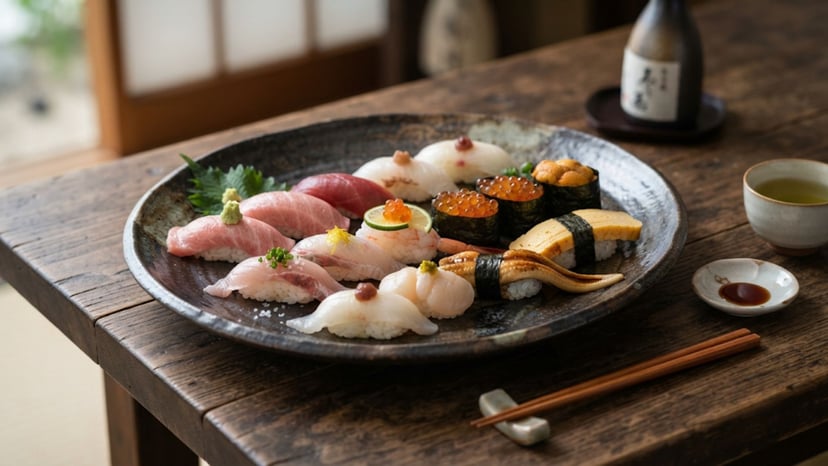
Fresh sushi in Shibuya
Restaurants Near Crossing
Uobei Shibuya Dogenzaka is a popular sushi restaurant known for its fast service and unique dining style. It’s a great place to enjoy affordable and fresh sushi near the crossing.
Street Food and Snacks
Street food options like takoyaki and ramen are widely available around Shibuya. These quick and flavorful dishes are perfect for visitors exploring the area and looking for a casual meal.
Cafes and Dessert Spots
Shibuya also offers a range of cafes serving matcha desserts and sweets. These spots provide a relaxing break from the busy streets while allowing you to enjoy traditional and modern Japanese treats.
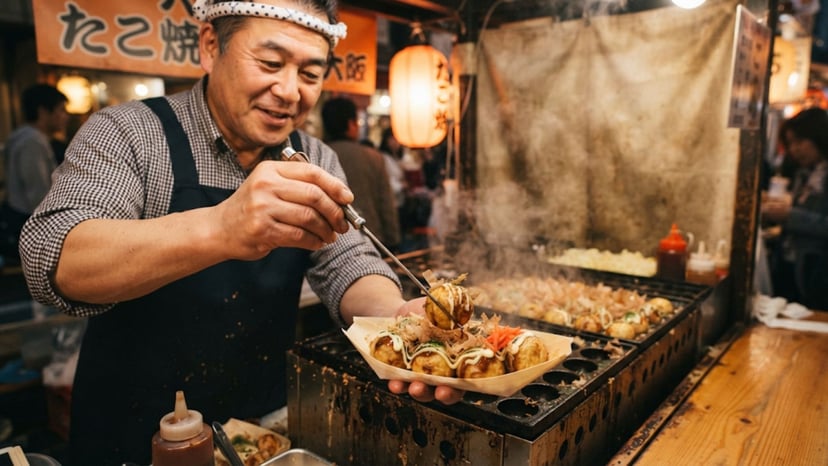
Delicious takoyaki in Shibuya
Shibuya Crossing Night Experience
Shibuya Crossing at night is one of the most iconic urban experiences in the world. As darkness falls, the area transforms into a vibrant display of neon lights, giant screens, and continuous movement. The atmosphere becomes more energetic, with crowds, music, and city lights creating a cinematic feel. Nighttime highlights the true character of Shibuya, making it the best time to witness Tokyo’s modern city life. Visiting at night offers a more immersive and visually striking experience compared to daytime exploration.
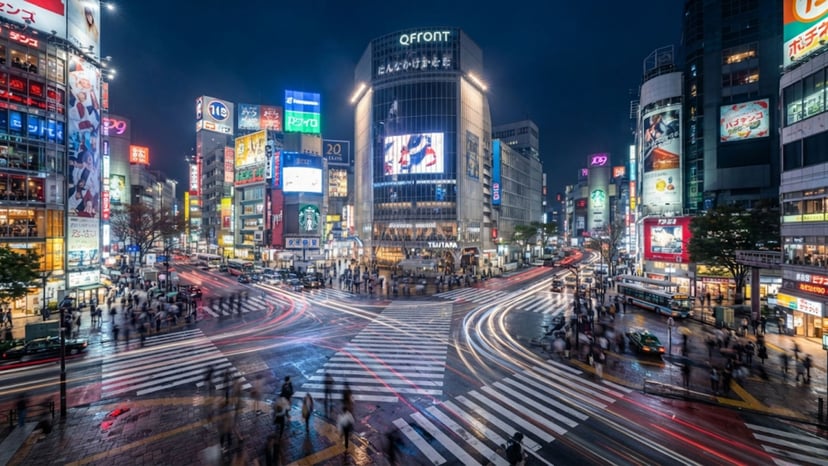
Iconic neon lights at night
Photography at Night
Night photography at Shibuya Crossing offers dramatic visuals with glowing lights and moving crowds. The contrast between bright screens and dark surroundings creates striking images. Using elevated viewpoints or capturing long-exposure shots can enhance the effect of motion and light trails. Photographers can experiment with angles and timing to capture the essence of Tokyo’s urban energy. Nighttime provides the most visually appealing conditions, making it ideal for capturing memorable and iconic photos of the crossing.
Safety and Crowd Experience
Despite large crowds, Shibuya Crossing is generally safe and well-organised. The movement of people is smooth, and the area is monitored, ensuring a comfortable experience. Visitors should stay aware of their surroundings, follow pedestrian signals, and keep personal belongings secure. Navigating through the crowd becomes easier with patience and awareness. Even during peak hours, the crossing maintains order, allowing visitors to enjoy the experience safely while being part of one of the busiest intersections in the world.
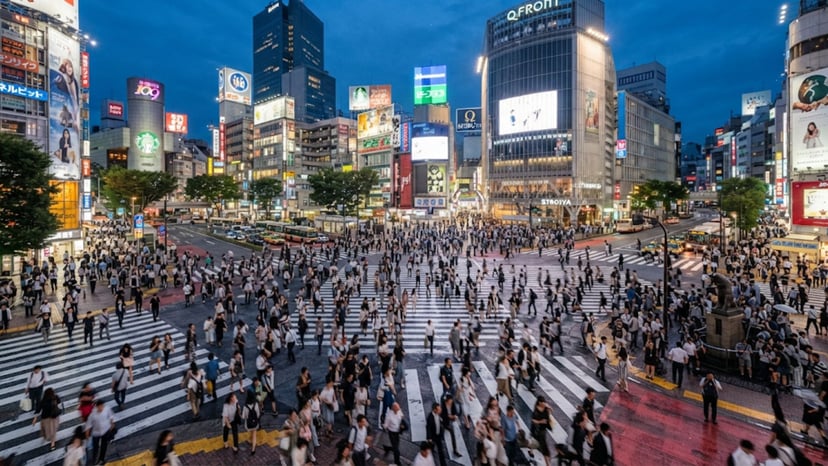
Organized flow at the scramble
Shibuya Crossing Photography Tips
Shibuya Crossing is one of the best photography spots in Tokyo, offering dynamic scenes filled with movement, light, and urban energy. Capturing the perfect shot requires choosing the right angle, timing, and composition. Whether you prefer street-level action or elevated views, the crossing provides endless creative opportunities. With proper planning, visitors can capture iconic images that reflect Tokyo’s fast-paced lifestyle and modern atmosphere, making it a must-visit location for photographers and content creators alike.
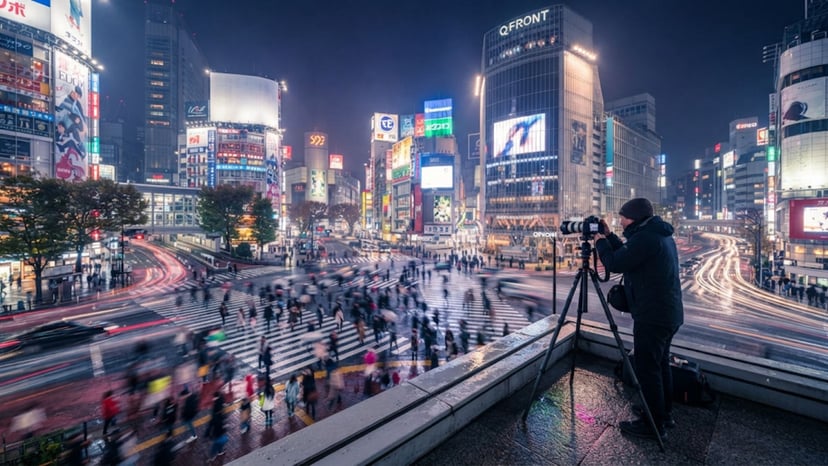
Capturing light trails at night
Best Angles and Spots
The best angles include elevated viewpoints such as Shibuya Sky and nearby buildings, which provide a full view of the crossing. Street-level shots also offer close-up perspectives of the crowd. Combining both angles helps capture the scale and energy of the intersection.
Timing for Best Shots
Timing plays a crucial role in photography. Daytime offers clearer views and less dramatic lighting, while nighttime provides vibrant colors and reflections. Golden hour and evening are ideal for capturing balanced lighting and atmosphere.
Composition Ideas
Use symmetry, leading lines, and movement to create visually engaging photos. Capturing the flow of people crossing from different directions adds depth and storytelling to your images. Including surrounding buildings enhances the urban context.
Shibuya Crossing Travel Tips
Visiting Shibuya Crossing is straightforward, but a few practical tips can enhance your experience. From choosing the best entry points to navigating crowds efficiently, planning ahead helps you enjoy the crossing without stress. The area is well-connected and easy to explore, making it suitable for all types of travelers. With the right approach, you can experience the crossing comfortably while making the most of your time in Shibuya.
Quick Tips for Visiting Shibuya Crossing
- Visit at night for best visuals
- Use Hachiko Exit for direct access
- Avoid peak hours for easier movement
- Try both street and aerial views
- Keep belongings secure in crowds
Best Routes and Entry Points
The easiest access is via Shibuya Station, especially through the Hachiko Exit, which leads directly to the crossing. Clear signage helps guide visitors efficiently.
Crowd Navigation Tips
When crossing, move with the flow of people and avoid stopping in the middle. Staying aware and following pedestrian signals ensures a smooth and safe experience.
Planning Your Visit Efficiently
Visit early or late to avoid peak crowds, combine nearby attractions, and plan your route in advance. This helps maximise your time and improve your overall experience.
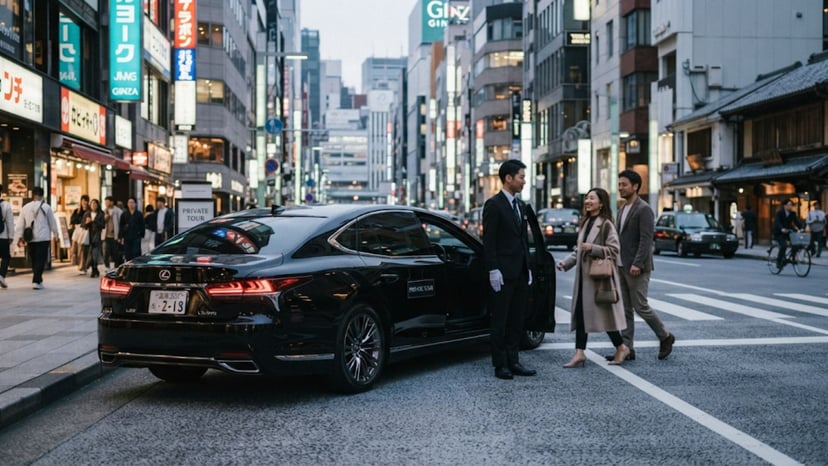
Karvaan private tour vehicle
Is Shibuya Crossing Worth Visiting
Shibuya Crossing is definitely worth visiting, especially for first-time travelers to Tokyo. It offers a unique experience that captures the essence of modern Japanese urban culture. The combination of movement, lights, and atmosphere makes it unlike any other crossing in the world.
Unique Experience Value
The crossing provides a one-of-a-kind urban experience where visitors can witness organized chaos and city energy. It represents Tokyo’s modern identity and cultural vibrancy.
Pros and Cons
| Pros | Cons |
| Iconic Atmosphere: Experience the true, high-energy pulse of modern Tokyo. | Extreme Crowds: Can be overwhelming, especially during weekend evenings. |
| Prime Photo Opportunity: Unmatched visuals for social media and professional photography. | Navigational Stress: The sheer size of Shibuya Station can be confusing for first-time visitors. |
| Central Location: Steps away from major shopping, dining, and other top Tokyo attractions. | Wait Times: Popular viewpoints (like Shibuya Sky) require booking weeks in advance. |
| Cultural Significance: Witnessing the famous "scramble" is a unique cultural experience found nowhere else. | Safety Vigilance: Large crowds require extra attention to personal belongings and group safety. |
Who Should Visit
Shibuya Crossing is ideal for first-time visitors, photographers, and anyone interested in experiencing Tokyo’s urban culture. It’s a must-see landmark for anyone exploring the city.
Conclusion
Shibuya Crossing stands as one of the most iconic landmarks in Tokyo, offering a unique glimpse into the city’s fast-paced urban culture. From walking through the world’s busiest pedestrian crossing to enjoying panoramic views and nearby attractions, it delivers an unforgettable experience. Its energy, accessibility, and visual appeal make it a must-visit destination for travelers. Whether visiting during the day or night, Shibuya Crossing captures the essence of modern Tokyo, making it highly recommended for anyone exploring Japan’s vibrant capital.