

Introduction
Imagine walking through streets filled with colourful streamers swaying in the summer breeze, bamboo branches decorated with handwritten wishes, and thousands of locals dressed in vibrant yukata celebrating one of Japan's most beloved seasonal festivals. The Tanabata Festival is more than a beautiful cultural event; it is a celebration of hope, love, and dreams that has captivated visitors for centuries. Whether you are planning your first trip to Japan or looking to experience a traditional summer matsuri beyond the usual tourist attractions, the Tanabata Festival offers an unforgettable glimpse into Japanese culture. From the world-famous Sendai Tanabata Festival to the lively Shonan Hiratsuka Tanabata Festival and Tokyo's charming neighbourhood celebrations, every destination adds its own unique touch to this centuries-old tradition. In this complete guide, you'll learn the fascinating story behind the festival, discover the best Tanabata festivals in Japan, understand why some celebrations take place in July while others happen in August, and find practical tips to help you make the most of your visit.
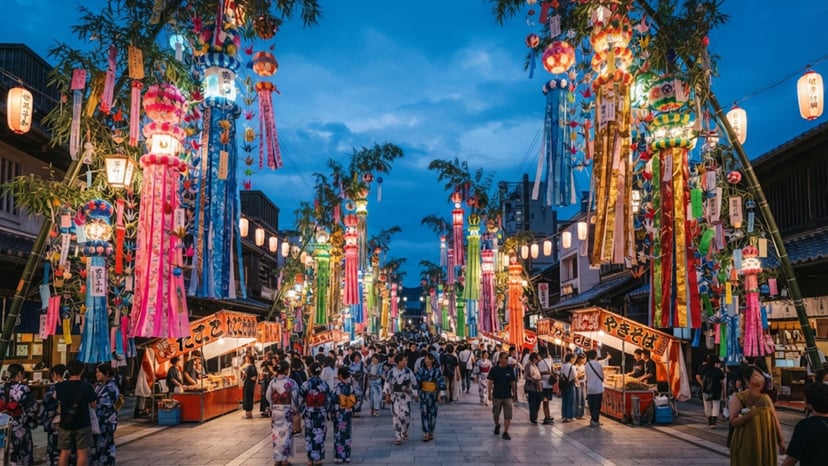
Experience the magic of the Tanabata Star Festival in Japan.
What Is the Tanabata Festival?
The Tanabata Festival, also known as the Star Festival, is one of Japan's five traditional seasonal festivals, collectively known as Gosekku. Celebrated throughout the country, Tanabata honours the legendary meeting of two celestial lovers who are separated by the Milky Way and reunited only once each year. The festival has evolved into one of Japan's most anticipated summer celebrations, attracting millions of visitors with spectacular decorations, cultural performances, local food stalls, and community events. While every region celebrates Tanabata differently, the central tradition remains the same: writing personal wishes on colourful paper strips called 'tanzaku' and hanging them on bamboo branches in the hope that the stars will grant those wishes.
Today, Tanabata beautifully blends ancient folklore with modern celebrations, making it one of the most meaningful festivals for locals and international travelers alike.
Tanabata Festival at a Glance
This helps both readers and Google understand the topic immediately.
|
Information |
Details |
|
Japanese Name |
Tanabata (七夕) |
|
Meaning |
Star Festival |
|
Celebrated |
July 7 and Early August |
|
Based On |
Legend of Orihime and Hikoboshi |
|
Main Tradition |
Writing wishes on Tanzaku |
|
Most Famous Festival |
Sendai Tanabata Festival |
|
Popular Locations |
Sendai, Hiratsuka, Tokyo |
|
Best For |
Families, Couples, Photographers |
The Legend of Orihime and Hikoboshi
At the heart of the Tanabata Festival lies one of Japan's most enduring love stories. According to Japanese folklore, Orihime, a talented weaving princess, lived on one side of the Milky Way, while Hikoboshi, a hard-working cowherd, lived on the other. After falling deeply in love, they became so devoted to each other that they neglected their responsibilities. The Heavenly King, disappointed by their behaviour, separated them across the Milky Way. However, moved by their sorrow, he allowed them to reunite once every year on the seventh day of the seventh month. If the skies remain clear, a bridge of magpies helps the lovers cross the celestial river to meet. This touching story symbolises love, perseverance, and hope, making Tanabata one of Japan's most romantic cultural celebrations. Even today, many couples choose to visit Tanabata festivals together, believing that writing wishes under the stars brings good fortune.

The celestial legend of the star-crossed lovers.
Origins of the Tanabata Festival
The Tanabata Festival originated in China's Qixi Festival, which was introduced to Japan more than a thousand years ago during the Nara period. Over time, Japanese traditions blended the original celebration with local customs and the legend of Orihime and Hikoboshi, creating the Tanabata Festival celebrated across Japan today. The festival eventually became one of Japan's five traditional seasonal festivals (Gosekku) and remains an important part of Japanese cultural heritage.
Tanabata Traditions and Decorations
One of the most distinctive features of the Tanabata Festival is its colourful bamboo decorations. During the festival, streets, shopping arcades, schools, and homes are decorated with bamboo branches covered in handmade paper ornaments and colourful streamers. These decorations are not merely decorative; each represents a traditional wish or blessing. The most important custom is writing wishes on small coloured paper strips called tanzaku, which are tied to bamboo branches in the hope that Orihime and Hikoboshi will grant them. Many communities also display paper cranes, lanterns, woven ornaments, and decorative streamers symbolising prosperity, good health, academic success, and happiness. Walking beneath these beautifully decorated bamboo displays is one of the highlights of visiting any Tanabata festival in Japan.
Meaning of Traditional Tanabata Decorations
|
Decoration |
Symbolism |
|
Tanzaku |
Wishes and dreams |
|
Fukinagashi |
Orihime's weaving skills |
|
Orizuru (Paper Cranes) |
Long life and peace |
|
Kinchaku |
Wealth and prosperity |
|
Toami |
Good harvest and abundance |
|
Kamigoromo |
Good health and protection |
|
Kusudama |
Happiness and good fortune |
Why Is Tanabata Celebrated in July or August?
One of the most common questions travelers ask is why Tanabata falls on different dates across Japan. The original festival followed the traditional lunar calendar, placing the celebration closer to early August in today's Gregorian calendar. After Japan adopted the modern calendar, many regions shifted the festival to July 7, while others continued observing it in August. As a result, visitors can enjoy Tanabata celebrations over several weeks rather than on a single day.
|
Celebration Period |
Regions |
Highlights |
|
July 7 |
Tokyo, Osaka, Kyoto and many cities |
Traditional Tanabata celebrations, bamboo decorations and local events |
|
Early August |
Sendai and northern Japan |
Larger parades, elaborate decorations and multi-day festivals |
This regional difference gives travelers greater flexibility when planning a summer itinerary, especially if they wish to experience multiple festivals during one trip.
How to Write a Tanabata Wish
One of the most enjoyable traditions during the Tanabata Festival is writing your own wish on a colourful strip of paper known as a tanzaku. Visitors of all ages, including international travellers, are welcome to participate. Simply write a personal wish, whether for health, happiness, success, travel, or love, and tie it to one of the festival's bamboo branches. At the end of the festival, many communities respectfully burn or dispose of the bamboo decorations as part of traditional customs, symbolically sending the wishes to the heavens.
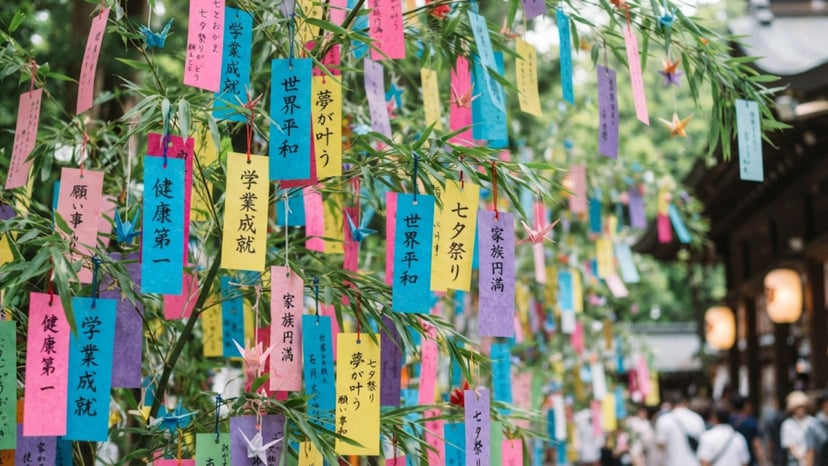
Write your own wish on a tanzaku strip during the festival.
Why the Tanabata Festival Is Worth Visiting
For first-time visitors to Japan, Tanabata offers a more personal and authentic cultural experience than many larger festivals. Unlike fireworks festivals, which often focus on a single evening display, Tanabata transforms entire shopping streets, parks, and city centres into colourful celebrations filled with handcrafted decorations, music, local cuisine, and community spirit.
Some of the highlights include:
- Giant bamboo decorations stretching across shopping arcades
- Thousands of colorful tanzaku carrying visitors' wishes
- Traditional dance and musical performances
- Local street food and summer treats
- Evening illuminations in selected cities
- Residents dressed in elegant yūkata
- Family-friendly cultural activities
What makes the festival particularly special is its interactive nature. Instead of simply watching performances, visitors can actively participate by writing their own wishes and hanging them alongside those of local residents, creating a memorable connection with Japanese culture.
Can Tourists Participate in the Tanabata Festival?
Absolutely. One of the reasons Tanabata is so popular among international visitors is that everyone is welcome to join the celebrations. Tourists can write wishes on tanzaku, wear traditional yukata, explore decorated shopping streets, enjoy seasonal street food, and attend cultural performances. Unlike some traditional ceremonies, Tanabata encourages community participation, making it one of the easiest Japanese festivals for first-time visitors to experience.
How to Reach Tanabata Festivals in Japan
Most major Tanabata festivals are easily accessible via Japan's extensive rail network. Visitors staying in Tokyo can reach the Shitamachi Tanabata Festival by metro, while the Shonan Hiratsuka Tanabata Festival is about 1 hour away by train. Travellers planning to visit the famous Sendai Tanabata Festival can take the Tohoku Shinkansen from Tokyo to Sendai Station. Those seeking greater comfort and flexibility may also choose a private vehicle, especially when travelling with family or combining multiple destinations in one itinerary.
Best Tanabata Festivals in Japan
Japan hosts hundreds of Tanabata celebrations each year, but a few stand out for their scale, atmosphere, and cultural significance.
Sendai Tanabata Festival (仙台七夕祭り)
Often regarded as the country's most famous Tanabata celebration, the Sendai Tanabata Festival transforms the city's shopping arcades into spectacular tunnels of enormous handmade streamers and intricate paper decorations. Dating back to the Edo period, this festival attracts more than two million visitors annually and features elaborate displays crafted over many months by local communities and businesses.
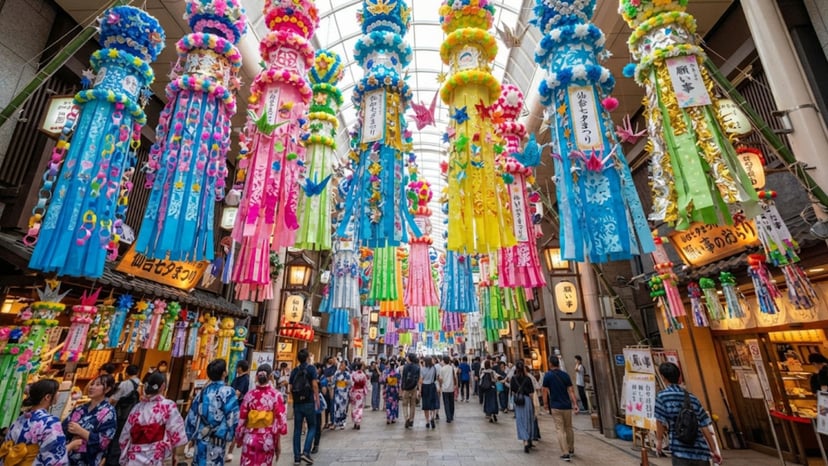
The spectacular, towering streamers of the Sendai Tanabata Festival.
Why visit?
- Japan's largest Tanabata Festival
- Massive handcrafted decorations
- Traditional performances
- Evening fireworks display
- Outstanding photography opportunities
- Vibrant food stalls and shopping streets
If you only have time to experience one Tanabata festival during your trip, Sendai should be at the top of your list.
Shonan Hiratsuka Tanabata Festival
Located about an hour south of Tokyo, the Shonan Hiratsuka Tanabata Festival is another favorite among both domestic and international travelers. While smaller than Sendai, it offers a lively atmosphere with beautifully decorated streets, live entertainment, parades, and plenty of opportunities to enjoy local cuisine. Its convenient location makes it an excellent day trip for visitors staying in Tokyo.
Shitamachi Tanabata Festival, Tokyo
Travelers who cannot visit Sendai or Hiratsuka can still experience the spirit of Tanabata in Tokyo during the Shitamachi Tanabata Festival. Held around the historic neighbourhoods connecting Ueno and Asakusa, this community celebration combines traditional decorations with local markets, cultural performances, and family-friendly entertainment. It also pairs perfectly with visits to nearby attractions such as Sensō-ji Temple, Ueno Park, and the lively streets of Ameyoko Shopping Street, making it an excellent addition to any Tokyo itinerary.
Comparing Japan's Most Popular Tanabata Festivals
|
Festival |
Best For |
Atmosphere |
Recommended For |
|
Sendai Tanabata Festival |
Grand decorations |
Spectacular |
First-time visitors and photographers |
|
Shonan Hiratsuka Tanabata Festival |
Easy day trip |
Lively |
Families and Tokyo visitors |
|
Shitamachi Tanabata Festival |
Traditional charm |
Local |
Culture lovers and budget travelers |
Each festival offers a unique perspective on Tanabata, allowing visitors to experience different regional traditions while celebrating the same timeless legend of Orihime and Hikoboshi.
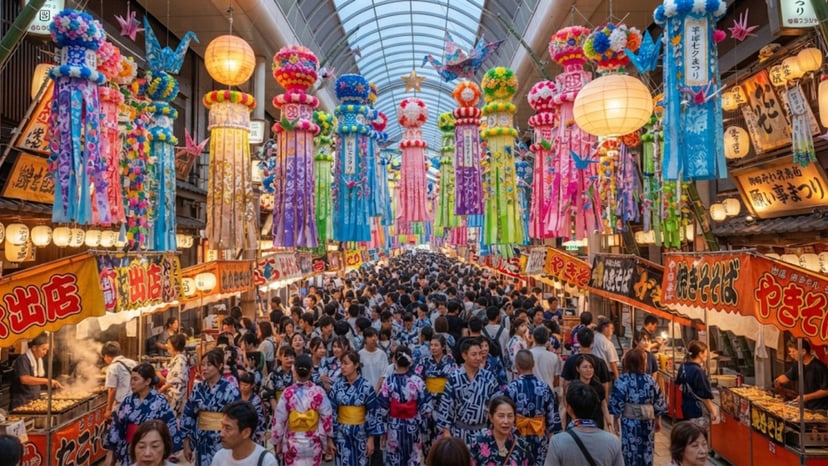
Enjoy the lively and festive atmosphere at Shonan Hiratsuka.
What Should Visitors Expect at a Tanabata Festival?
One of the reasons the Tanabata Festival is so popular among international visitors is that it offers much more than beautiful decorations. Every festival has its own local character, but most celebrations combine traditional customs, delicious seasonal food, cultural performances, and interactive experiences that allow visitors to become part of the event rather than simply watching it.
Colorful Bamboo Decorations
The most recognizable feature of Tanabata is the magnificent bamboo display decorated with colourful ornaments and handwritten wishes. These decorations symbolize prosperity, happiness, good health, and success. Many shopping streets compete to create the most elaborate displays, resulting in vibrant tunnels of streamers that make every walk through the festival feel magical.
Tanzaku Wishes
Visitors are encouraged to write their hopes and dreams on small strips of coloured paper known as tanzaku. These wishes are tied to bamboo branches, creating one of the festival's most meaningful traditions. Whether your wish is for good health, career success, or safe travels, participating in this custom adds a personal connection to the celebration.
Traditional Yukata
Many locals attend Tanabata wearing a yukata, a lightweight summer kimono that adds elegance and color to the festival atmosphere. Visitors can also rent a yukata in many cities, making it an enjoyable way to immerse themselves in Japanese culture while taking memorable photographs.
Festival Food
No Japanese summer matsuri is complete without its famous street food. Some popular festival dishes include:
- Takoyaki
- Yakitori
- Okonomiyaki
- Yakisoba
- Kakigori (shaved ice)
- Grilled corn
- Chocolate bananas
- Taiyaki
Many festivals also feature regional specialties, allowing travelers to sample local flavors while exploring the decorated streets.
What Should You Wear to a Tanabata Festival?
Although there is no official dress code, many locals celebrate Tanabata wearing a yukata, a lightweight summer kimono traditionally worn during Japanese festivals. Visitors can also rent a yukata in cities such as Tokyo, Kyoto, and Sendai to fully experience the festive atmosphere. Since July and August are typically hot and humid, lightweight clothing, comfortable walking shoes, sunscreen, and a portable fan are recommended if you choose not to wear traditional attire.
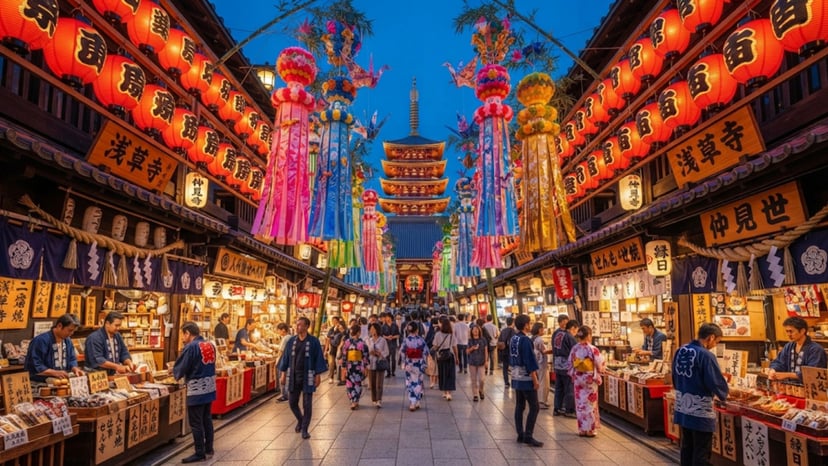
Local charm at the Shitamachi Tanabata Festival in Tokyo.
Best Time to See Tanabata Decorations
If your priority is photography and sightseeing, arriving during the late afternoon provides the best overall experience. The decorations are beautifully illuminated by natural daylight before gradually transitioning into evening lights, creating completely different atmospheres throughout the day.
Recommended Schedule
|
Time |
Experience |
|
3:00–5:00 PM |
Comfortable sightseeing and fewer crowds |
|
5:00–6:30 PM |
Best lighting for photography |
|
6:30–8:30 PM |
Evening performances and food stalls |
|
After 8:30 PM |
Illuminations and a more romantic atmosphere |
Professional photographers often prefer visiting shortly before sunset to capture both daylight details and evening illumination in one visit.
Weather During the Tanabata Festival
Tanabata takes place during Japan's summer, when temperatures generally range between 28°C and 35°C. Expect warm, humid weather, particularly in July and August, with occasional afternoon showers. To stay comfortable during your visit:
- Carry plenty of water.
- Wear light, breathable clothing.
- Bring a small umbrella or rain jacket.
- Apply sunscreen throughout the day.
How to Avoid Tanabata Festival Crowds
Since Tanabata is one of Japan's most celebrated summer festivals, popular destinations can become very crowded, especially during weekends and evening hours. Fortunately, a little planning can significantly improve your experience.
Crowd Avoidance Tips
- Arrive before 3:00 PM if possible.
- Visit on weekdays when festival schedules allow.
- Stay overnight instead of making a rushed day trip.
- Explore side streets rather than remaining on the busiest shopping avenues.
- Book accommodation several months in advance for Sendai and Hiratsuka.
- Use public transportation instead of driving.
- Visit smaller local Tanabata festivals if you prefer a quieter atmosphere.
These simple strategies allow you to enjoy the decorations, food stalls, and performances without spending most of your time navigating large crowds.
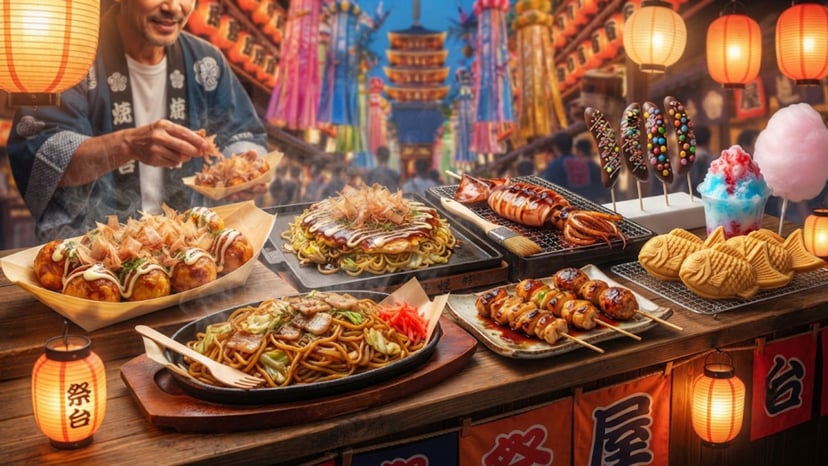
Sample delicious seasonal treats like yakisoba and taiyaki.
Reach Tanabata Festivals Comfortably by Private Vehicle
Many of Japan's most popular Tanabata celebrations, especially the Sendai Tanabata Festival and Shonan Hiratsuka Tanabata Festival, attract large crowds during the festival period. While Japan's public transport system is excellent, trains and stations can become extremely busy during peak hours. Travellers looking for a more comfortable experience may prefer travelling by private vehicle. A private transfer allows greater flexibility, hotel pickup and drop-off, and the freedom to combine Tanabata celebrations with nearby attractions without worrying about train schedules or crowded stations.
For visitors planning a personalised Japan itinerary, Karvaan Tours offers private sightseeing tours with experienced English-speaking drivers. Whether you're visiting the Sendai Tanabata Festival, exploring Tokyo's local celebrations, or combining Tanabata with other cultural attractions, a private vehicle offers a relaxed, convenient way to experience Japan's summer festivals.
|
Travel Option |
Best For |
Advantages |
|
Train |
Budget travellers |
Fast and affordable |
|
Guided Tour |
First-time visitors |
Local guide and organised itinerary |
|
Private Vehicle (Karvaan Tours) |
Families, couples and groups |
Flexible itinerary, hotel pickup, comfortable travel |
Photography Tips for the Tanabata Festival
The Tanabata Festival offers some of Japan's most colourful summer photography opportunities. For the best results, visit decorated shopping streets during the late afternoon when natural light highlights the vibrant paper decorations. Golden hour before sunset provides excellent lighting, while evening illuminations create a magical atmosphere perfect for night photography.
Tanabata Festival vs Other Japanese Summer Festivals
Japan hosts many spectacular summer festivals, but each offers a different experience.
|
Festival |
Main Attraction |
Best For |
|
Tanabata Festival |
Bamboo decorations and wishes |
Culture, couples, photography |
|
Gion Matsuri |
Historic floats |
Traditional history |
|
Tenjin Matsuri |
River procession and fireworks |
Large-scale celebrations |
|
Nebuta Festival |
Giant illuminated floats |
Cultural performances |
|
Awa Odori |
Traditional dance |
Interactive entertainment |
Unlike festivals centred around fireworks or parades, Tanabata is more reflective and participatory. It encourages visitors to slow down, appreciate Japanese traditions, and take part in customs that have been passed down for centuries.
How Much Time Should You Spend at a Tanabata Festival?
|
Festival |
Recommended Time |
|
Sendai Tanabata Festival |
5–7 hours |
|
Hiratsuka Tanabata Festival |
3–5 hours |
|
Shitamachi Tanabata Festival |
2–3 hours |
|
Small Local Festivals |
1–2 hours |
Which Tanabata Festival Should You Choose?
|
If You Want... |
Best Festival |
|
Biggest decorations |
Sendai |
|
Easy Tokyo day trip |
Hiratsuka |
|
Local atmosphere |
Shitamachi |
|
Photography |
Sendai |
|
Families |
Hiratsuka |
|
Budget travel |
Shitamachi |
Is the Tanabata Festival Worth Visiting?
Absolutely. If you're looking for an authentic cultural experience rather than simply ticking off famous landmarks, Tanabata is one of Japan's most rewarding seasonal events. The festival offers a unique combination of history, art, community spirit, and seasonal beauty that is difficult to find elsewhere.
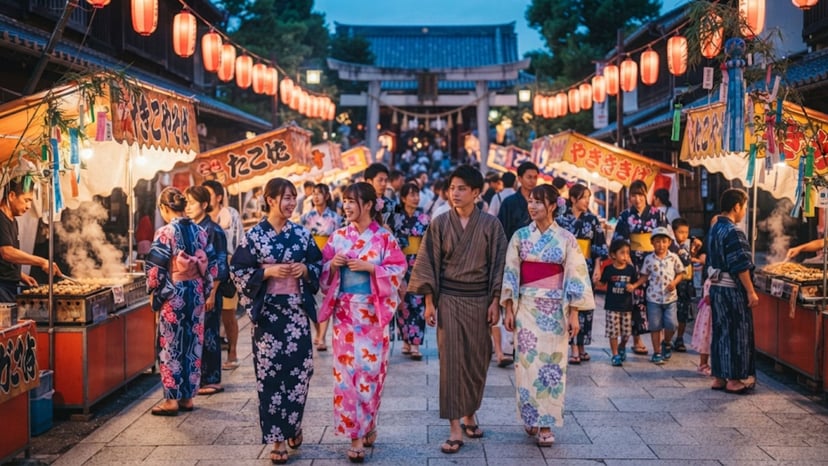
Wearing a yukata adds an elegant touch to the festival experience.
Tanabata Festival Etiquette
To make the most of your visit while respecting local customs, keep these etiquette tips in mind:
- Avoid touching the festival decorations unless permitted.
- Ask for permission before taking close-up photos of people wearing yūkata.
- Dispose of rubbish in designated bins or take it with you.
- Be respectful when visiting nearby shrines and temples.
- Keep shopping arcades clear so everyone can enjoy the decorations.
Private Tanabata Festival Tours and Luxury Experiences
While many visitors explore the festivals independently, luxury travelers can enjoy a more personalized experience. Some premium travel companies offer:
- Private guided Tanabata walking tours
- Chauffeur-driven transportation between festival venues
- Professional photography sessions
- Luxury hotel packages
- Exclusive dining experiences after the festival
- Customized Japan cultural itineraries
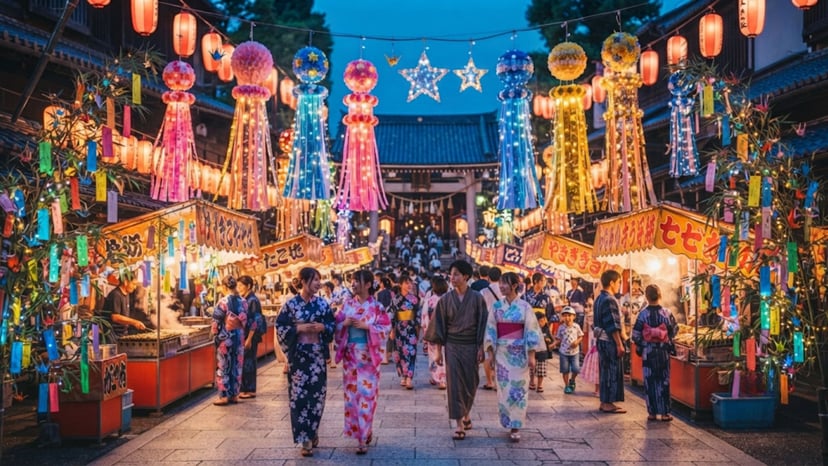
The decorations glow beautifully during the evening illuminations.
A private guide can also explain the symbolism behind the decorations, local customs, and regional traditions, adding greater depth to your visit. If you plan to attend multiple festivals across Japan, a personalised itinerary can help maximize your time while minimizing travel stress.
Independent Visit vs Guided Tour
|
Option |
Best For |
Advantages |
|
Self-Guided |
Budget travellers |
Flexible schedule, lower cost |
|
Guided Tour |
First-time visitors |
Local insights and easy planning |
|
Private Tour |
Families and luxury travellers |
Personal itinerary, hotel pickup, maximum comfort |
Suggested Tanabata Festival Japan Itinerary
If you're visiting Japan during the summer festival season, consider this itinerary:
|
Day |
Destination |
Experience |
|
Day 1 |
Tokyo |
Explore the Shitamachi Tanabata Festival and nearby cultural attractions |
|
Day 2 |
Hiratsuka |
Enjoy one of the largest Tanabata celebrations near Tokyo |
|
Day 3 |
Sendai |
Experience Japan's most famous Tanabata Festival and evening fireworks |
This route allows travelers to experience different regional interpretations of Tanabata while exploring some of Japan's most vibrant cities.
Conclusion
The Tanabata Festival is far more than a summer celebration. It is a living tradition that connects ancient folklore with modern Japanese culture through colorful decorations, heartfelt wishes, and unforgettable community experiences. Whether you choose to admire the spectacular streamers of the Sendai Tanabata Festival, enjoy the lively atmosphere of the Shonan Hiratsuka Tanabata Festival, or experience the local charm of Tokyo's Shitamachi Tanabata Festival, you'll discover why this centuries-old celebration continues to inspire millions of people every year. For first-time visitors, Tanabata offers one of the most authentic introductions to Japan's cultural heritage. From writing your own tanzaku wish to strolling beneath vibrant bamboo decorations in a yukata while sampling delicious festival food, every moment creates lasting memories. If you're planning a summer trip to Japan in 2026, make the Tanabata Festival part of your itinerary. It's a celebration of hope, tradition, and human connection that beautifully captures Japan's spirit.
Ready to experience the magic of Tanabata? Start planning your Japan summer itinerary early, book accommodation well in advance for popular destinations like Sendai and Hiratsuka, and prepare to witness one of the country's most enchanting cultural festivals.