

Planning a Tokyo trip can be challenging because the city combines historic temples, modern neighborhoods, shopping districts, food streets and attractions spread across a huge metropolitan area. The best itinerary is not necessarily the one that fits in the most sights, but the one that groups nearby places together and gives you enough time to enjoy them.
This Tokyo private tour itinerary gives you practical options for 1, 3, 5 and 7 days, with routes designed around Tokyo's major areas. You can use the shorter plans for a quick first visit or choose a longer itinerary if you want more time for food, shopping, culture and a day trip outside the city.
A private tour can make the schedule more flexible, particularly for families, couples, older travelers and small groups who prefer hotel pickup, direct transportation and less time navigating between train stations.
Our itinerary approach focuses on practical route planning rather than simply listing attractions. We consider realistic travel time between areas and adjust each plan based on trip length, hotel location, group size and mobility needs. This helps create a more manageable schedule while leaving enough time to enjoy the places that matter most to each traveler.
Planning note: This guide is designed around area-based routing, realistic sightseeing flow and the practical setup of Karvaan Tours' private Tokyo day tours. Karvaan Tours was founded in Japan in 2014 and says its routes are built around traveler interests and private, customized touring. About Karvaan Tours
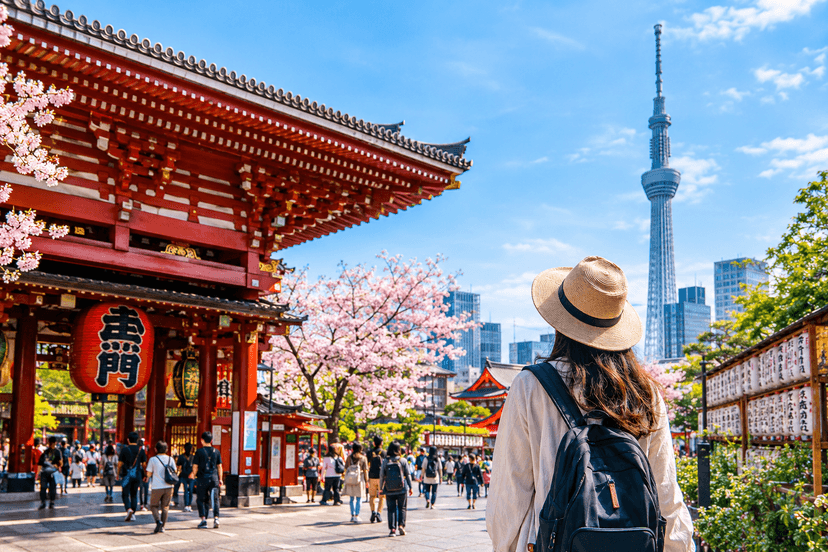
A Tokyo itinerary can combine traditional Asakusa with modern city landmarks such as Tokyo Skytree.
Tokyo Private Tour Itinerary at a Glance
The right number of days depends on how much of Tokyo you want to see and how quickly you prefer to travel.
|
Trip Length |
Best For |
Main Focus |
|
1 Day |
Short stays and first-time highlights |
Asakusa, Senso-ji, Skytree, Shibuya |
|
3 Days |
First-time visitors |
Traditional Tokyo, Shibuya, Shinjuku, Harajuku and central Tokyo |
|
5 Days |
A balanced Tokyo experience |
Major sights, food, shopping, culture and different neighborhoods |
|
7 Days |
A slower, more complete trip |
Tokyo neighborhoods plus one day trip |
How many days do you need in Tokyo?
For many first-time visitors, 3 to 5 days in Tokyo is a practical balance. One day can cover several major highlights if the route is carefully planned, while five days gives you more time to explore neighborhoods without rushing.
Seven days is better if you want a slower pace or would like to add a day trip such as Mount Fuji, Hakone, Nikko or Kamakura.
Your ideal Tokyo itinerary also depends on your interests, hotel location, mobility, group size and whether you plan to use public transportation or a private vehicle.
In practice, the most efficient Tokyo itineraries are usually built around nearby areas rather than trying to cross the city repeatedly. For private tours, this approach makes it easier to adjust the pace, spend more time at priority attractions and reduce unnecessary transfers between distant neighborhoods.
1-Day Tokyo Private Tour Itinerary
If you have only one day in Tokyo, don't try to see every famous attraction. A better approach is to combine a traditional area with one or two modern parts of the city.
Morning: Asakusa and Senso-ji
Start with Asakusa, one of the best areas for experiencing Tokyo's traditional side.
Visit Senso-ji Temple, walk through Kaminarimon Gate and explore Nakamise Street. Allow enough time to see the surrounding streets instead of treating the temple as a quick photo stop.
Read our complete Senso-ji Temple Guide for more details on visiting the temple and surrounding area.
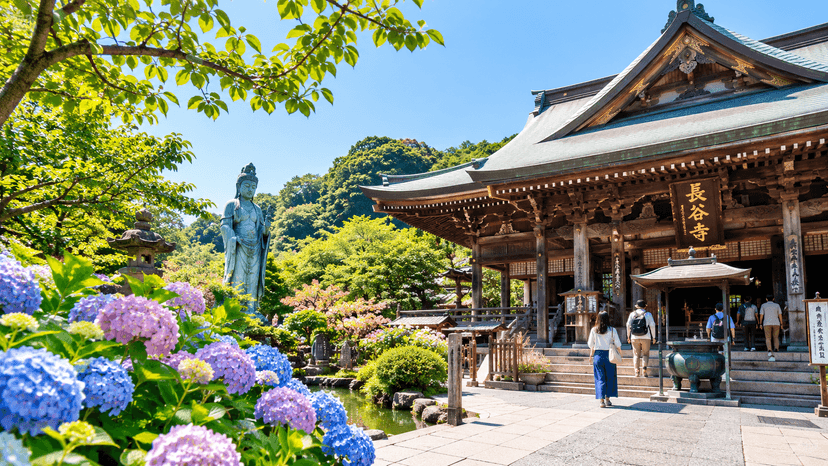
Senso-ji Temple in Asakusa is a key stop for experiencing traditional Tokyo.
Late Morning: Tokyo Skytree
Continue from Asakusa to Tokyo Skytree.
On a clear day, the observation decks provide wide views across Tokyo. If you prefer not to visit the observation deck, the surrounding Tokyo Solamachi complex offers shopping and dining.
Read our Tokyo Skytree Guide for practical visiting information and planning tips.
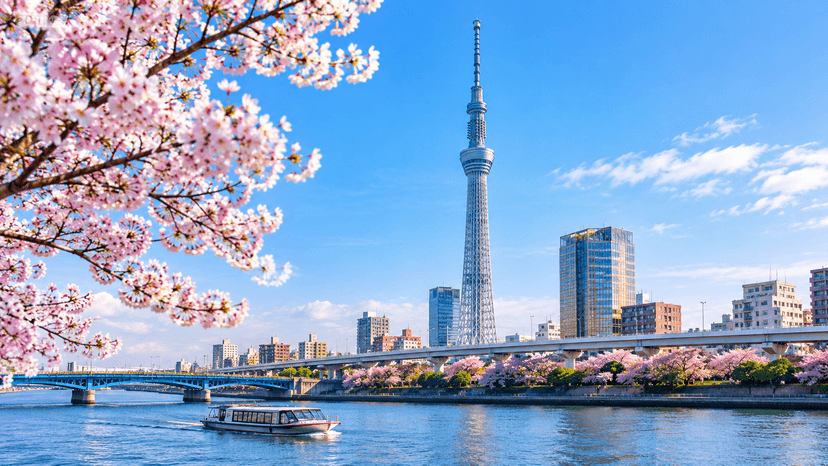
Tokyo Skytree offers panoramic city views and pairs naturally with an Asakusa sightseeing route.
Afternoon: Shibuya
After lunch, head toward Shibuya.
Visit Shibuya Crossing, explore the surrounding streets and, if your schedule allows, consider Shibuya Sky for a city view.
Read our Shibuya Crossing Guide for more information on visiting this iconic area.
If you still have time and energy, finish the day in Shinjuku for dinner.
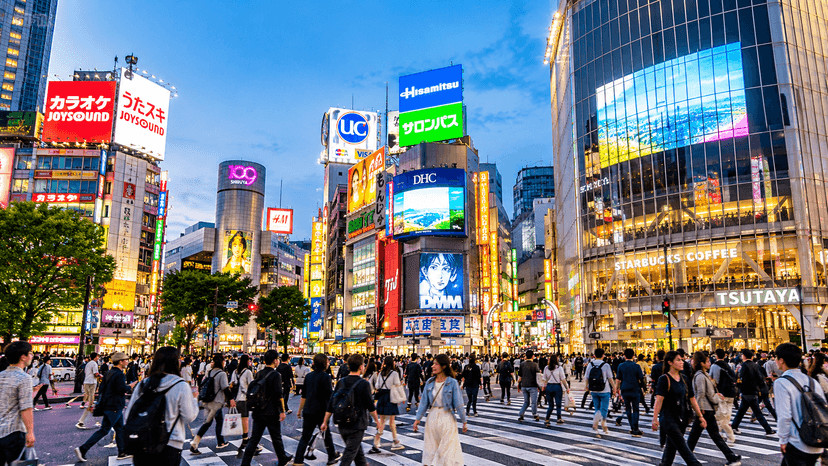
Shibuya Crossing showcases Tokyo's energetic modern side and is a popular stop on a first-time itinerary.
Suggested 1-Day Route
Hotel → Asakusa → Senso-ji → Tokyo Skytree → Lunch → Shibuya → Shinjuku
Best for
-
Short Tokyo stays
-
First-time visitors with limited time
-
Travelers arriving or departing soon
-
Visitors who prefer a private vehicle and flexible schedule
Planning tip: With only one day, reducing travel between distant neighborhoods is more valuable than adding another attraction.
For a one-day private tour, we recommend prioritizing a small number of nearby areas instead of trying to cover every major Tokyo attraction. This keeps the route more realistic and gives travelers enough time to enjoy each stop without turning the day into a rushed sightseeing schedule.
Example of a Published Karvaan Tokyo Tour Route
Karvaan's current Tokyo tour page publishes a sample full-day route that starts at 7:30 AM at Tsukiji Outer Market, followed by Senso-ji at 9:30 AM, Tokyo Skytree at 11:00 AM, lunch in Akihabara at 1:00 PM, Shibuya Crossing at 3:00 PM, Harajuku and Meiji Shrine at 4:30 PM, and Shinjuku at 7:00 PM. This is an example of how a private day can connect several Tokyo areas while keeping the route structured. The exact order and timing should be adjusted for your hotel, interests, reservations and season. View the published Tokyo tour route
3-Day Tokyo Itinerary: A Quick Overview
Three days gives you enough time to experience several sides of Tokyo without trying to cover the entire city.
For the complete day-by-day version, see our dedicated Tokyo 3-Day Itinerary guide.
Day 1 — Traditional Tokyo
-
Asakusa
-
Senso-ji
-
Tokyo Skytree
-
Ueno
Day 2 — Modern Tokyo
-
Meiji Shrine
-
Harajuku
-
Shibuya
-
Shinjuku
Day 3 — Food, Shopping & Tokyo Bay
-
Tsukiji Outer Market
-
Ginza
-
Odaiba or Tokyo Bay
-
Optional TeamLab Planets
Read the complete Tokyo 3-Day Itinerary for a detailed day-by-day plan with practical timing, transport, meals, alternatives and planning tips.
5-Day Tokyo Itinerary
Five days gives you a better opportunity to explore Tokyo beyond its most famous landmarks.
Instead of adding more attractions to every day, use the extra time to explore neighborhoods at a comfortable pace.
Day 1 — Asakusa and Tokyo Skytree
Start with Asakusa and Senso-ji before continuing to Tokyo Skytree.
Spend additional time around Asakusa if you enjoy traditional streets, local food and shopping.
Suggested flow:
Hotel → Asakusa → Senso-ji → Nakamise → Lunch → Tokyo Skytree
Day 2 — Meiji Shrine, Harajuku and Shibuya
Begin at Meiji Shrine before exploring Harajuku.
Continue toward Shibuya in the afternoon and spend the evening around Shibuya Crossing and the surrounding shopping and dining areas.
Suggested flow:
Meiji Shrine → Harajuku → Lunch → Shibuya → Shibuya Crossing → Evening
Day 3 — Shinjuku
Use the third day to explore Shinjuku without rushing between multiple distant neighborhoods.
Depending on your interests, you can combine:
-
Shinjuku shopping areas
-
Tokyo Metropolitan Government Building area
-
Kabukicho
-
Local restaurants
-
Evening city views
This is also a good day to leave some flexibility for shopping or dining.
Day 4 — Tsukiji, Ginza and Tokyo Bay
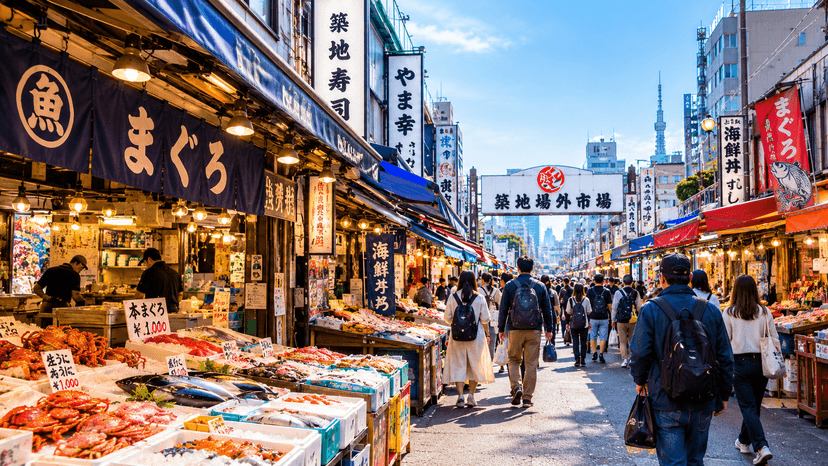
Tsukiji Outer Market is a practical stop for experiencing Tokyo's food and market culture.
Start with Tsukiji Outer Market for a food-focused morning.
Continue to Ginza for shopping and central Tokyo before heading toward Tokyo Bay or Odaiba.
Suggested flow:
Tsukiji → Ginza → Lunch → Odaiba/Tokyo Bay
If you want to include TeamLab Planets, check its current admission and timed-entry requirements before fixing the day's schedule.
Read our TeamLab Planets Tokyo Guide before planning a timed-entry visit.
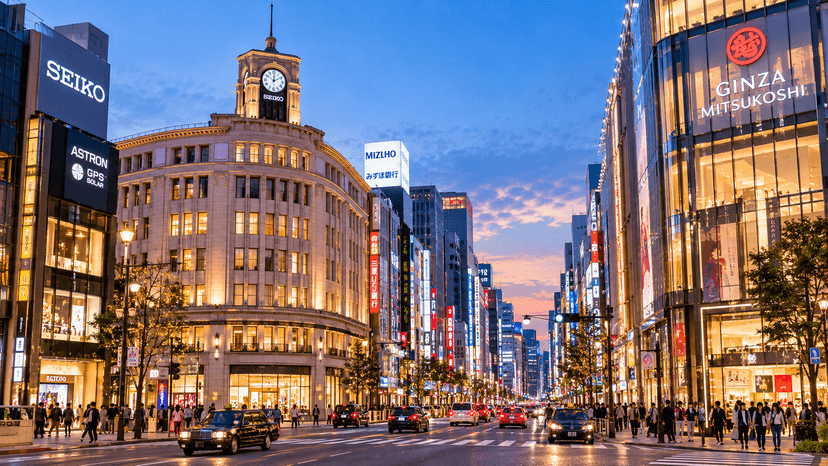
Ginza combines upscale shopping, dining and central Tokyo sightseeing in one of the city's best-known districts.
Day 5 — Akihabara and Ueno
Spend the final day exploring Akihabara and Ueno.
Akihabara is particularly useful for travelers interested in electronics, anime and gaming culture, while Ueno offers museums, parks and a different atmosphere from Tokyo's major commercial districts.
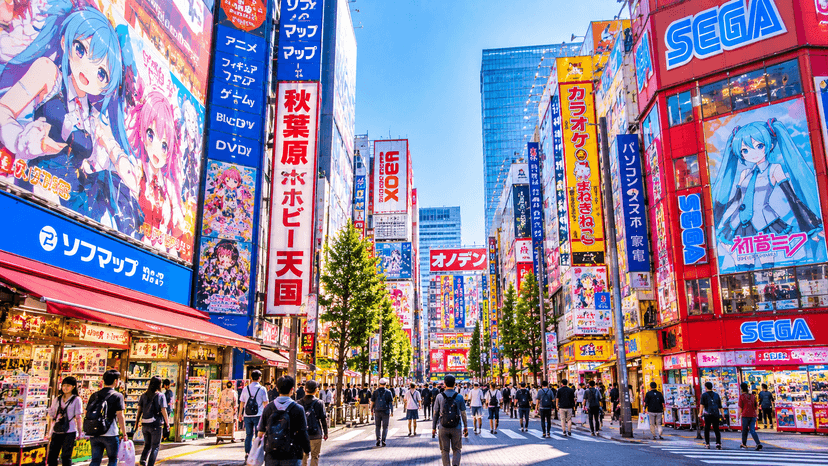
Akihabara is a popular Tokyo stop for electronics, anime, gaming and Japanese pop culture.
Why this 5-day route works
The itinerary gives each area enough breathing room while still covering Tokyo's major cultural, modern, shopping and food experiences.
It is especially suitable if you don't want every day to feel like a race from one attraction to another.
Best for
-
First-time visitors with more time
-
Couples
-
Families
-
Small groups
-
Travelers who want a balanced Tokyo experience
7-Day Tokyo Itinerary: A Quick Overview
With seven days, you can explore Tokyo more slowly and still have time for a day trip outside the city.
For the detailed day-by-day plan, see our complete 7-Day Tokyo Itinerary.
Day 1 — Asakusa and Ueno
Traditional Tokyo, Senso-ji, local streets and Ueno.
Day 2 — Meiji Shrine, Harajuku and Shibuya
Tokyo's modern and youthful side.
Day 3 — Shinjuku
Shopping, dining and evening city experiences.
Day 4 — Imperial Palace, Tokyo Station and Ginza
Central Tokyo and upscale shopping areas.
Day 5 — Odaiba and Tokyo Bay
Waterfront attractions and modern Tokyo.
Day 6 — Akihabara and Ikebukuro
Electronics, anime, shopping and neighborhood exploration.
Day 7 — Choose One Day Trip
Choose one destination rather than trying to combine several:
-
Mount Fuji — iconic scenery and views
-
Hakone — hot springs, nature and mountain scenery
-
Kamakura — temples and historic atmosphere
-
Nikko — temples, nature and heritage
-
Yokohama — waterfront and city experiences
Explore the complete 7-Day Tokyo Itinerary for detailed daily planning, transport options, day-trip choices and practical tips.
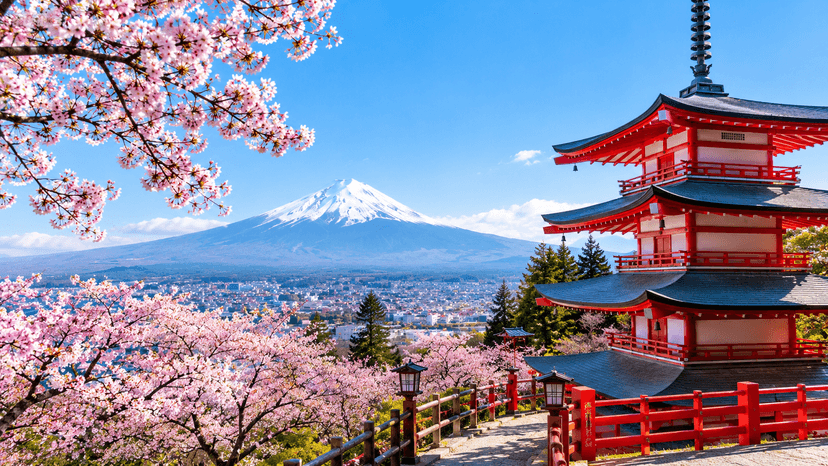
Mount Fuji is a popular day-trip option for travelers adding an extra day outside Tokyo.
Best Places to Visit in Tokyo
Tokyo is too large to experience efficiently by simply collecting attractions from different parts of the city. GO TOKYO highlights major visitor areas and attractions including Senso-ji and Meiji Jingu, while JNTO also notes Tokyo's wide range of food, culture and transport connections. GO TOKYO attractions | JNTO Tokyo guide It is more useful to choose places based on your interests and group nearby areas together.
Senso-ji
Best for traditional Tokyo, temples and historic streets. For a quieter start, Karvaan recommends arriving before 9:00 AM on its Tokyo tour page. See the Tokyo tour planning tips
Tokyo Skytree
Best for panoramic city views, shopping and combining with Asakusa.
Meiji Shrine
A good choice for travelers interested in Tokyo's cultural and quieter side.
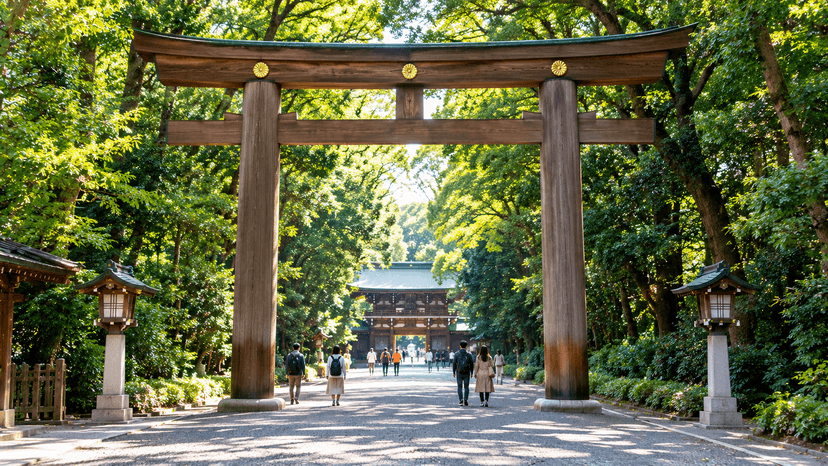
Meiji Shrine offers a peaceful forest setting and a traditional cultural experience in central Tokyo.
Shibuya
Best for modern Tokyo, shopping, nightlife and Shibuya Crossing.
Read our Shibuya Crossing Guide for more information on visiting this iconic area.
Shinjuku
Best for shopping, restaurants, entertainment and evening sightseeing.
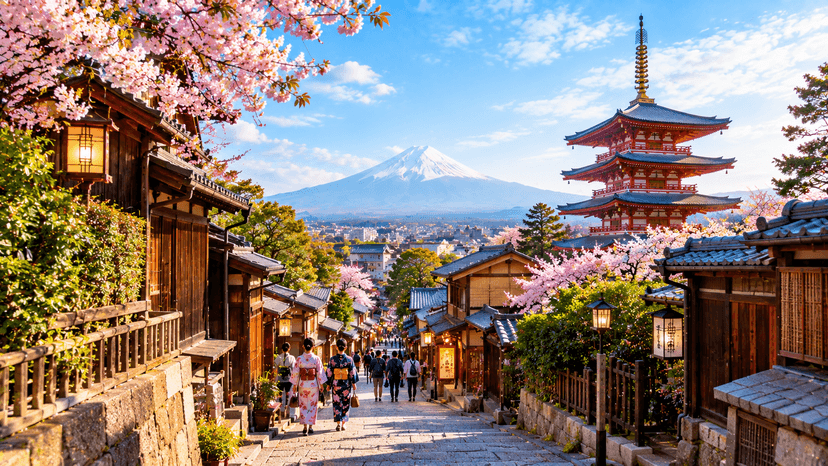
Shinjuku combines Tokyo's modern skyline, entertainment districts and lively evening atmosphere.
Harajuku
Best for youth culture, fashion and combining with Meiji Shrine and Shibuya.
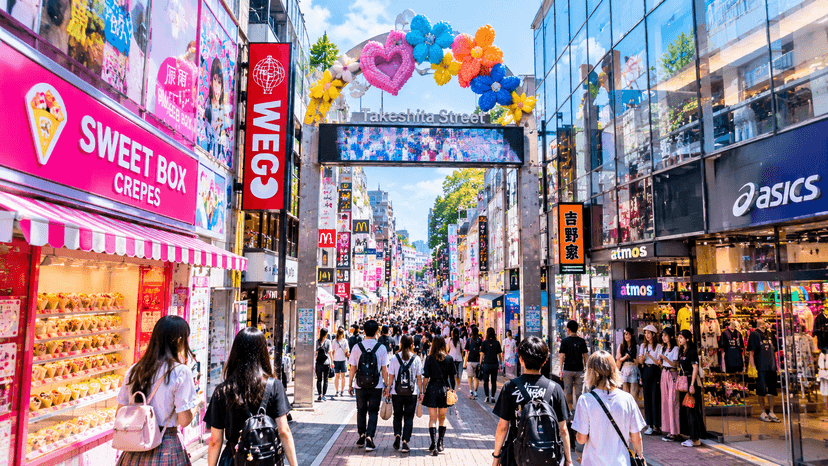
Harajuku's lively streets are known for youth fashion, colorful shops, Japanese pop culture and street food.
Akihabara
Best for electronics, anime, gaming and Japanese pop culture.
Tsukiji Outer Market
A useful stop for travelers interested in Japanese food and market culture.
Odaiba
Best for modern architecture, waterfront views and Tokyo Bay.
Tokyo Private Tour vs Public Transport
Tokyo's public transportation network is extensive, and many independent travelers will find trains and subways convenient.
A private tour is not necessary for everyone.
|
Private Tour |
Public Transport |
|
Hotel pickup may be available |
Travel to stations yourself |
|
Direct transportation between stops |
Train/subway connections |
|
Flexible route |
Fixed network |
|
Less station navigation |
More independent planning |
|
Useful for families/groups |
Good for solo travelers |
|
Convenient for limited time |
Often better for budget-focused travelers |
When is a private Tokyo tour useful?
A private tour can make more sense when:
-
you are traveling with children
-
your group includes older travelers
-
you have limited time
-
your group prefers less station navigation
-
you want to adjust the route during the day
-
hotel pickup and direct transportation are important
The practical advantage of a private vehicle is not simply comfort; it is the ability to connect multiple areas directly and adjust the schedule when travelers want to spend longer at a particular attraction. Public transport can be highly effective, but a private option can be useful when minimizing station transfers and keeping a group together are priorities.
The best choice depends on your group rather than on a blanket rule that private tours are always better.
Tokyo Private Tour Cost
The cost of a private Tokyo tour depends on the vehicle, duration, pickup arrangements, group size and what is included. Pricing can change, so it is best to check the live tour page for the current rate and inclusions.
When comparing a private tour, check whether the price includes:
-
Private vehicle
-
Professional driver
-
Hotel pickup and drop-off
-
Fuel
-
Highway tolls
-
Parking
-
Attraction entrance fees
-
Meals
For example, Karvaan's current Tokyo Private Full-Day Tour by Car with Hotel Pickup is designed around a private vehicle, professional English-speaking driver, selected hotel pickup/drop-off and a customizable itinerary.
See the Tokyo Private Full-Day Tour by Car for current tour details, availability and inclusions.
The current Karvaan listing shows $369 per vehicle after a 10% discount (regularly $410) for the Tokyo Private Full-Day Tour by Car. The listing states that the tour is approximately 10 hours and includes a private air-conditioned vehicle, professional English-speaking driver, selected hotel pickup/drop-off, fuel, highway tolls, parking and a customizable itinerary. Meals, personal expenses and attraction entrance fees are excluded. Prices and availability can change, so treat this as a current reference rather than a permanent rate. Check the live Tokyo private tour listing
Cancellation: The current tour listing states free cancellation up to 24 hours before the tour. Always confirm the cancellation terms shown on the booking page before payment, especially if your booking has special arrangements.
Always check the live tour page for current pricing and inclusions before booking.
Where to Stay in Tokyo for Your Itinerary
The best area to stay depends on the itinerary you plan to follow.
Shinjuku: Best for travelers focusing on Shinjuku, Shibuya and western Tokyo.
Shibuya: Convenient for Shibuya, Harajuku and Meiji Shrine.
Asakusa: Good choice for travelers prioritizing Senso-ji and traditional Tokyo.
Ginza: Suitable for shopping, dining and central Tokyo access.
Tokyo Station: Convenient if you plan day trips or want easy access to central Tokyo.
When choosing a hotel, we recommend considering the areas you plan to visit most often rather than choosing accommodation based only on hotel popularity. A convenient base can reduce daily travel time and make both private-tour pickup and independent sightseeing easier to manage.
Planning tip: Choose your hotel based on your daily routes rather than choosing an area only because it is popular.
How to Get Around Tokyo
Tokyo can be explored efficiently using a combination of trains, subways and walking.
For independent travel, Google Maps can help with route planning, while IC cards can simplify everyday transit. Tokyo Station is also a major rail and Metro hub. Japan National Tourism Organization: Tokyo Station
For a private tour, the main advantage is different: you can travel directly between selected attractions without changing trains or navigating large stations.
Regardless of transportation method, the same planning principle applies:
Group nearby attractions together.
For example:
Asakusa + Skytree
works naturally as one sightseeing block, while:
Meiji Shrine + Harajuku + Shibuya
can be combined into another.
This area-based approach is especially useful when planning a private Tokyo tour because it reduces unnecessary backtracking. Rather than moving between distant parts of the city throughout the day, the route can be structured so that nearby attractions are visited together.
This reduces unnecessary travel and gives you more time at the places you actually want to see.
What to Eat in Tokyo
Food should be part of your Tokyo itinerary rather than an afterthought.
Popular Japanese foods to consider include:
-
Sushi
-
Ramen
-
Tempura
-
Yakitori
-
Udon
-
Soba
-
Japanese desserts
You can also plan food around the area you're already visiting.
Asakusa
A good area for traditional Japanese snacks and local dining.
Tsukiji
Useful for a food-focused morning, particularly if seafood is part of your plans.
Shinjuku
A strong option for restaurants and evening dining.
Shibuya
Offers a wide range of modern restaurants and casual dining.
Ginza
Better suited to travelers looking for upscale dining.
If you have halal, vegetarian, allergy or other dietary requirements, check suitable restaurants before finalizing your itinerary.
Tokyo Private Tour Travel Tips
Start Early
Starting earlier gives you more flexibility and can make it easier to fit major attractions into your day.
Wear Comfortable Shoes
Even with private transportation, Tokyo sightseeing can involve considerable walking.
Check Opening Hours
Verify attraction opening hours before finalizing your daily route.
Book Timed-Entry Attractions
Some popular attractions may require or recommend advance reservations. Check current requirements before your visit.
Don't Over-Plan
Leave some room for meals, shopping and unexpected discoveries.
Check the Weather
Outdoor attractions and views can be affected by weather, so keep your itinerary flexible when possible.
Carry a Portable Charger
Your phone may be used throughout the day for maps, tickets, communication and photography.
Group Nearby Attractions
This is one of the simplest ways to make a Tokyo itinerary more efficient.
Traveler Review: A Recent Karvaan Tokyo Tour
Karvaan's Tokyo tour page currently displays a verified-booking review from Mimi (November 2025). The traveler praised the clean and comfortable vehicle, professional driver, smooth navigation, local insights and the way the day covered stops including Tokyo Tower, Asakusa, Shibuya Crossing and Meiji Shrine without feeling rushed. View the current Tokyo tour reviews
This review is presented as a customer example, not as a guarantee that every tour will be identical. Your route, attractions and timing can vary according to your preferences and booking details.
About the Guide
Karvaan Tours Japan Travel Team plans private chauffeur tours across Japan, including Tokyo, Mount Fuji, Hakone, Nikko, Kamakura and Yokohama. Karvaan Tours says it was founded in Utsunomiya, Japan, in 2014 and has built its private-tour routes around traveler interests, local road knowledge and flexible itineraries. Learn more about Karvaan Tours
Editorial note: this company-level bio is used because a named individual author profile was not provided for this article. If your CMS has a real author profile, replace this block with that person's verified credentials rather than adding unverified years or tour counts.
Sources & Further Reading
-
GO TOKYO — Official Tokyo Travel Guide — attraction and destination information.
-
GO TOKYO — Shibuya — current area information and visitor tips.
-
Japan National Tourism Organization — Tokyo — destination, transport and seasonal information.
-
Karvaan Tours — Tokyo Private Tours — published sample route, tour approach and current traveler review.
-
Karvaan Tours — Tokyo Private Full-Day Tour — current inclusions, price, duration and cancellation information.
Plan Your Tokyo Private Tour
A good Tokyo itinerary is not about visiting the maximum number of attractions.
It is about choosing the right places for the amount of time you have, grouping nearby areas together and leaving enough time to actually enjoy the city.
For 1 day, focus on highlights such as Asakusa, Senso-ji, Tokyo Skytree and Shibuya.
For 3 days, expand into areas such as Harajuku, Shinjuku, Tsukiji and Ginza.
For 5 days, add Akihabara, Ueno and Tokyo Bay while keeping the pace comfortable.
For 7 days, explore Tokyo more slowly and consider one day trip outside the city.
If you prefer a more comfortable and flexible sightseeing experience, a private Tokyo tour can simplify transportation and allow the route to be adjusted around your group's interests.
Karvaan Tours offers a Tokyo Private Full-Day Tour by Car with Hotel Pickup, with a private air-conditioned vehicle, professional English-speaking driver, selected hotel pickup and drop-off, and a customizable sightseeing itinerary.
Check the current tour details and availability before booking.