

Introduction
As the sun sets over central Tokyo, hundreds of softly glowing lanterns begin drifting across the historic waters of Chidorigafuchi Moat, creating one of the city's most peaceful and moving summer spectacles. Unlike Japan's lively fireworks festivals, the Chidorigafuchi Moat Lantern Festival offers a quieter experience where reflection, remembrance, and tradition take centre stage. The gentle lights floating across the former Edo Castle Moat transform the surrounding landscape into a breathtaking scene that attracts both locals and international visitors every summer. Because the festival takes place for only a limited time each summer, planning your visit in advance can help you secure the best viewing locations and avoid disappointment.
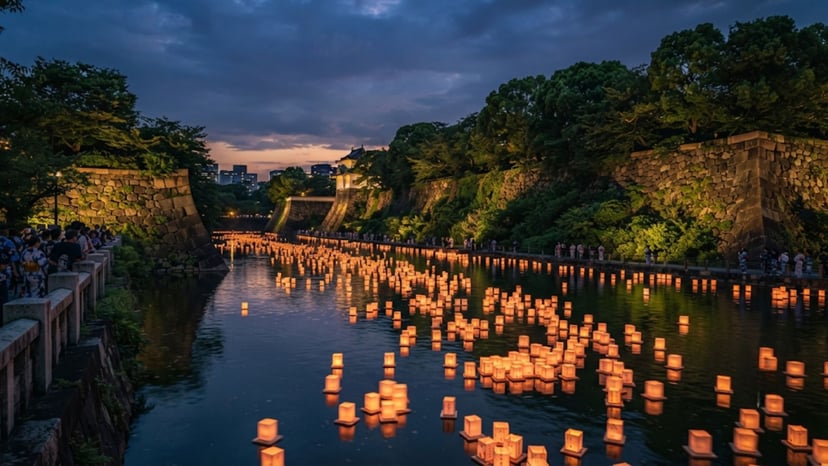
As twilight falls, the Chidorigafuchi Moat transforms into a serene river of light, offering an unhurried perspective of Tokyo’s historic waters.
Whether you're visiting Tokyo for the first time or returning to discover a different side of the city, this lantern floating festival offers a unique opportunity to experience Japanese culture beyond the usual tourist attractions. From the meaning behind the Tokyo Toro Nagashi lantern tradition to the famous rowboat lantern viewing experience, this guide covers everything you need to know to plan your visit in 2026.
What Is the Chidorigafuchi Moat Lantern Festival?
The Chidorigafuchi Moat Lantern Festival is an annual summer event held in Chiyoda City, where visitors release illuminated paper lanterns onto the waters of Chidorigafuchi Moat. Known in Japan as Toro Nagashi, or lantern floating, this centuries-old tradition symbolises remembrance, gratitude, and hopes for peace.
Unlike cherry blossom season, when Chidorigafuchi is famous for its pink sakura canopy, the summer festival transforms the moat into a river of floating lights. The event creates a peaceful atmosphere that encourages visitors to slow down, appreciate Japanese traditions, and reflect on the significance of the ceremony.
The lanterns gently drift along the calm waters surrounding the former Edo Castle grounds, creating beautiful reflections against the historic stone walls and lush greenery. It is one of Tokyo's most photogenic summer events and offers a completely different perspective on one of the city's most iconic locations.

A participant partakes in the timeless Toro Nagashi tradition, releasing a lantern as a symbolic gesture of remembrance and hope.
The History Behind the Lantern Festival
Although lantern floating has deep roots in Japanese Buddhist traditions, the Chidorigafuchi Moat Lantern Festival has its own special history. The festival began in 1958 as a post-war memorial event, created to honour those who lost their lives during the Second World War while promoting peace and reconciliation. Over the decades, it has evolved into one of Tokyo's most meaningful cultural gatherings, welcoming both residents and international visitors who wish to participate in this symbolic act of remembrance.
Today, the event continues to reflect its original purpose while also celebrating community, hope, and the beauty of Japanese seasonal traditions. Thousands of lanterns illuminate the moat each year, creating a serene setting that contrasts beautifully with Tokyo's vibrant urban skyline. For many visitors, understanding this history adds a deeper emotional connection to the experience, making it much more than simply a beautiful evening event.
Edo Castle Moat History
Long before it became one of Tokyo's most scenic locations, the Chidorigafuchi Moat formed part of the defensive system protecting Edo Castle, the political centre of Japan during the Tokugawa Shogunate. The moat once served as an important military barrier, but today it offers visitors a peaceful escape surrounded by mature trees, walking paths, and historic landscapes. While much of Edo Castle has disappeared over the centuries, the moat remains an enduring reminder of Tokyo's rich history.
Walking along the waterfront allows visitors to appreciate how seamlessly Tokyo blends historical heritage with modern city life. During the lantern festival, this historic setting becomes even more atmospheric as thousands of glowing lights reflect against centuries-old stone walls.
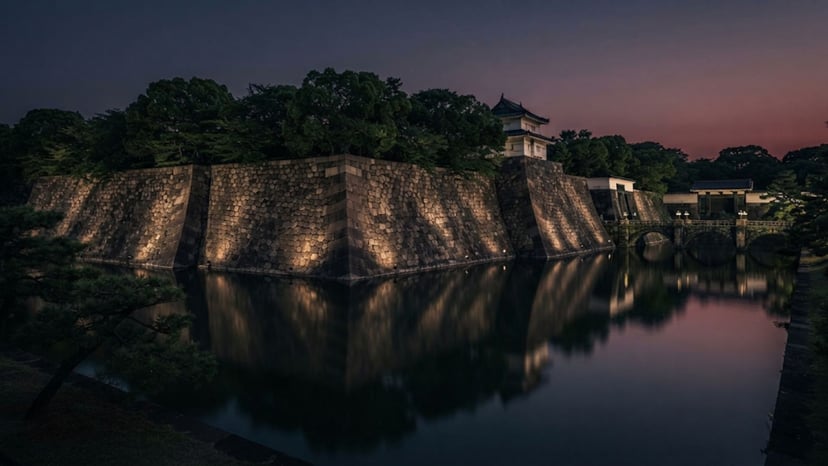
The enduring stone walls of the former Edo Castle provide a dramatic backdrop for an evening defined by history and quiet reflection.
Chidorigafuchi Moat Lantern Festival 2026 Dates and Times
The Chidorigafuchi Moat Lantern Festival 2026 is expected to take place over two evenings in late July.
|
Information |
Details |
|
Event |
Chidorigafuchi Moat Lantern Festival 2026 |
|
Dates |
22–23 July 2026 |
|
Time |
Approximately 7:00 PM–8:00 PM |
|
Location |
Chidorigafuchi Moat, Chiyoda City, Tokyo |
|
Main Experience |
Lantern floating ceremony |
|
Boat Experience |
Advance lottery reservation |
|
Public Viewing |
Free from surrounding walkways |
Because this event is extremely popular, travelers should begin planning several months in advance, especially if they hope to secure one of the limited rowing boat experiences.
The Chidorigafuchi Moat Lantern Festival is held in Chiyoda City, one of Tokyo's most accessible districts. Visitors can easily reach the festival by train, subway, taxi, or private vehicle, depending on their travel style and schedule.
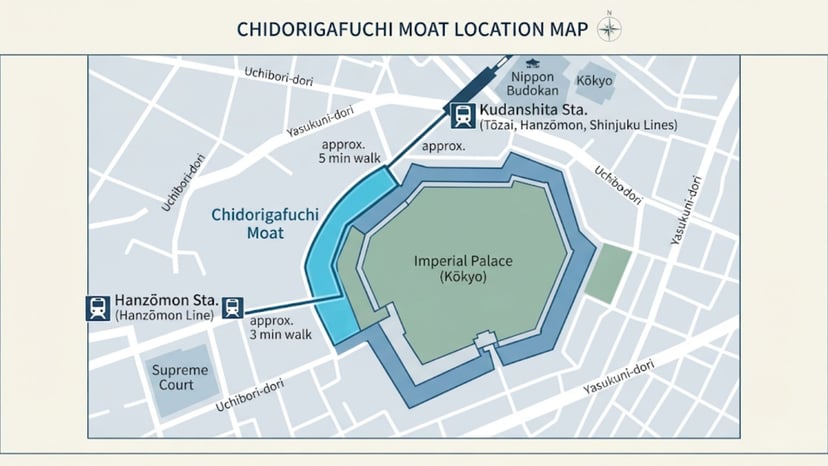
A guide to navigating Chiyoda City, ensuring a seamless arrival to the festival grounds via the most efficient transport routes.
By Tokyo Metro
The nearest stations are Kudanshita Station and Hanzomon Station, both within a short walk of Chidorigafuchi Green Way. Public transport is the most convenient option because roads around the festival become busy during the evening.
By JR Train
Visitors arriving from Tokyo Station can take a short train journey followed by a brief walk or subway connection to the festival area.
By Taxi
Taxis provide convenient door-to-door transport but may experience delays due to increased traffic around the event.
By Private Vehicle
Travellers seeking a more comfortable and flexible experience may prefer travelling by private vehicle. This option is especially suitable for families, couples, photographers carrying equipment, or visitors planning to explore other Tokyo attractions before or after the festival.
For a hassle-free journey, Karvaan Tours offers private sightseeing tours and chauffeur-driven transportation, allowing visitors to enjoy the Chidorigafuchi Moat Lantern Festival alongside nearby attractions such as the Imperial Palace, Kitanomaru Garden, and central Tokyo without worrying about public transport or parking.
Travel Options Comparison
|
Transport |
Best For |
Travel Time |
Convenience |
|
Tokyo Metro |
Most visitors |
Fast |
★★★★★ |
|
JR Train |
Visitors from Tokyo Station |
Fast |
★★★★☆ |
|
Taxi |
Small groups |
Moderate |
★★★☆☆ |
|
Private Vehicle |
Families & luxury travellers |
Flexible |
★★★★★ |
Understanding the Tokyo Toro Nagashi Lantern Tradition
The heart of the festival is Toro Nagashi, one of Japan's most meaningful summer traditions. The custom involves placing lanterns onto rivers, lakes, or coastal waters as a symbolic gesture of remembrance and gratitude. Traditionally, floating lanterns guide the spirits of loved ones while also expressing prayers for peace, happiness, and good fortune.
At Chidorigafuchi, this ancient custom is adapted into a modern public event that welcomes visitors from around the world. Participants purchase specially prepared lanterns before gently releasing them onto the moat, joining thousands of others in creating a river of soft golden light. Even if you are unfamiliar with Japanese traditions, watching the lanterns drift quietly across the water is an unforgettable experience that communicates its message without words.
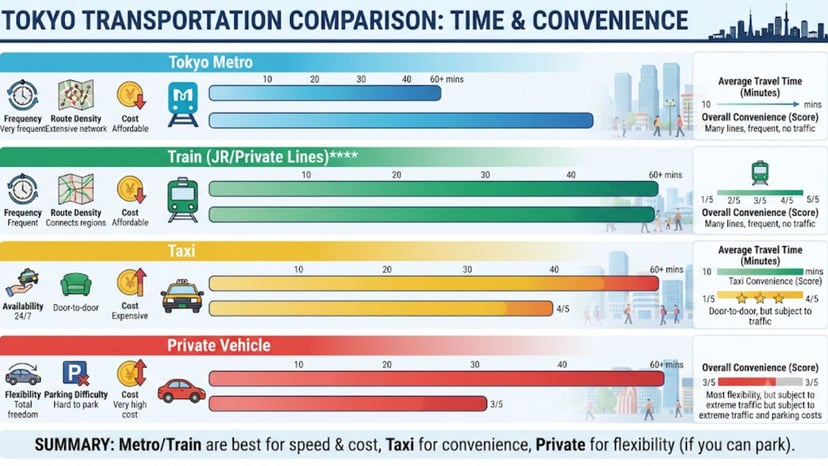
Selecting the right transport ensures your evening remains as effortless as the floating lanterns themselves.
Why Is Chidorigafuchi One of Tokyo's Best Lantern Festivals?
Unlike many lantern floating ceremonies held at rivers or coastal areas, the Chidorigafuchi Moat Lantern Festival takes place within the historic surroundings of the former Edo Castle. The combination of centuries-old stone walls, calm waters, mature trees, and softly illuminated lanterns creates one of Tokyo's most atmospheric summer events. Its central location also makes it easy to combine with nearby attractions, making it an excellent choice for travellers wanting both culture and convenience.
Why Is the Festival Worth Visiting?
Tokyo hosts countless festivals throughout the year, but the Chidorigafuchi Lantern Festival offers something remarkably different. Instead of loud performances or crowded parades, visitors experience an atmosphere of calm reflection. The combination of historic scenery, illuminated waters, and cultural symbolism creates one of the capital's most memorable evenings. The festival is particularly rewarding for:
- First-time visitors seeking authentic cultural experiences
- Couples looking for a romantic evening in Tokyo
- Photography enthusiasts
- Solo travelers interested in Japanese traditions
- Families wanting a peaceful summer activity
- Visitors exploring Tokyo beyond its modern attractions
What makes this event truly special is its balance of beauty and meaning. Rather than simply watching entertainment, visitors become part of a tradition that has brought communities together for generations.
Planning Ahead for the Lantern Festival
Because participation opportunities are limited, advance planning is highly recommended. Visitors wishing to release lanterns or enjoy the famous rowboat lantern viewing experience should monitor official announcements and secure reservations as soon as booking opens. Accommodation near Chiyoda City also fills quickly during the event, particularly at hotels within walking distance of the moat. Even if you do not obtain a boat reservation, the surrounding pathways offer outstanding panoramic views of the floating lanterns and often provide some of the best photography opportunities of the evening.
Can Visitors Release Their Own Lantern?
Many visitors wonder whether they can personally release a lantern during the festival. The answer depends on the year's event arrangements. In most years, lantern participation requires purchasing an official lantern during the event, while availability is limited. Visitors should always check the official Chiyoda City announcements before travelling, as participation rules and quantities may change each year.
Rowboat Lantern Viewing Experience
One of the most sought-after experiences during the Chidorigafuchi Moat Lantern Festival is viewing the floating lanterns from the water. The Chidorigafuchi Boat Pier offers a limited number of rowing boats that allow visitors to glide through the illuminated moat while surrounded by hundreds of glowing lanterns.
Unlike the popular spring cherry blossom boat rides, summer lantern boat rides are available only through an advance lottery system because demand greatly exceeds availability. Winning a reservation offers a rare opportunity to experience the festival from a unique perspective, with unobstructed views of the lanterns reflecting across the historic moat. Even if you are unable to secure a boat, don't worry. The festival is designed so visitors on the surrounding walkways can still enjoy spectacular views of the ceremony.
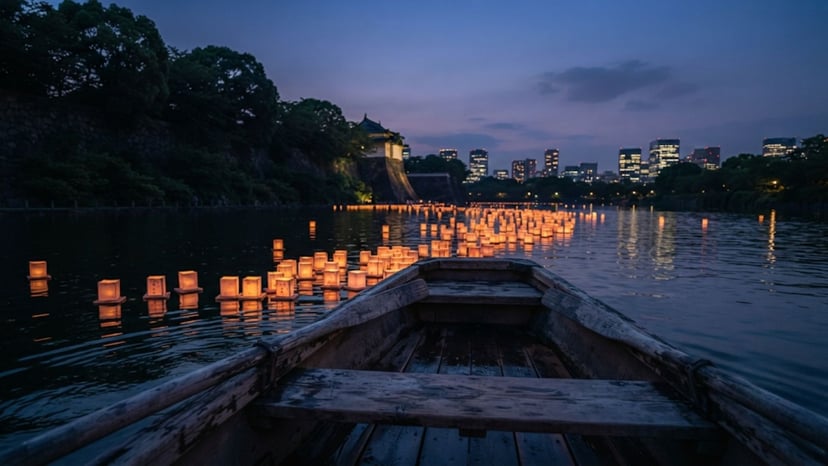
Glide through the heart of the festival with an exclusive rowboat experience, surrounded by the soft glow of hundreds of drifting lanterns.
Can You Enjoy the Festival Without Entering the Boat Lottery?
Absolutely. Many first-time visitors assume the boat lottery is essential, but some of the best views are actually available from the pedestrian paths surrounding the moat. Excellent viewing locations include:
- Walking paths along Chidorigafuchi Green Way
- Areas near Kitanomaru Garden
- Bridges overlooking the moat
- Open spaces around the Imperial Palace perimeter
These locations provide elevated views that are ideal for appreciating the scale of the lantern display while avoiding the limited capacity of the boat experience. For most travelers, walking around the moat creates a more relaxed evening and offers greater flexibility for photography.
Best Photography Spots at the Chidorigafuchi Lantern Festival
The festival is considered one of Tokyo's most photogenic summer events because of the combination of historic scenery, calm water, and glowing lantern reflections.
Chidorigafuchi Green Way
This riverside path offers wide views across the moat and is perfect for capturing the lanterns against the backdrop of lush greenery and historic stone walls.
Near the Boat Pier
Photographers can capture close-up images of lantern releases while also photographing the rowing boats surrounded by floating lights.
Bridges Around the Moat
Several pedestrian bridges provide elevated compositions that showcase both the lanterns and the surrounding city lights.
Kitanomaru Garden Entrance
The entrance area offers quieter surroundings and beautiful panoramic views that work particularly well during blue hour.
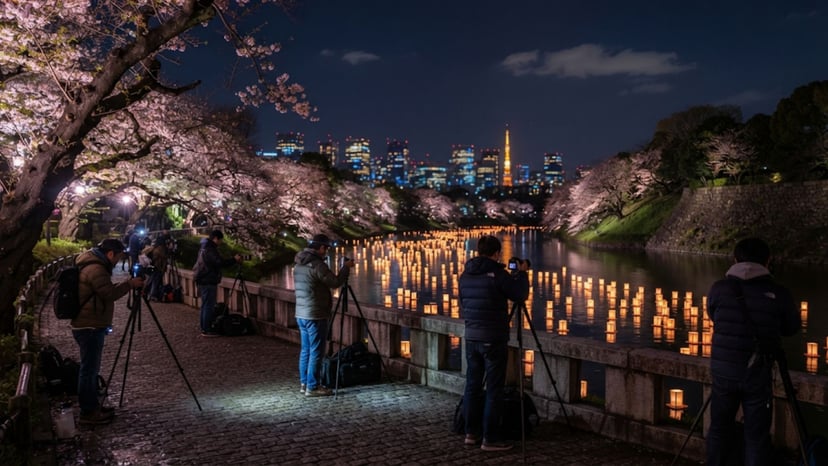
The Chidorigafuchi Green Way offers an ideal vantage point to capture the intersection of Tokyo’s lush nature and its cultural traditions.
Photography Tips
- Arrive before sunset to secure a good location.
- Use a tripod if permitted.
- Shoot during blue hour for balanced natural and artificial light.
- Include reflections to create more dramatic compositions.
- Avoid using flash during the lantern ceremony.
What Time Offers the Best View Before Crowds Build?
Timing can significantly improve your experience.
|
Time |
Experience |
|
5:30–6:30 PM |
Quiet atmosphere and easy access |
|
6:30–7:00 PM |
Best time to find viewing locations |
|
7:00–8:00 PM |
Lantern ceremony and peak atmosphere |
|
After 8:00 PM |
Smaller crowds and peaceful evening walks |
For photographers, arriving around 6:00 PM provides enough time to explore different viewpoints before the lantern release begins.
Chidorigafuchi Lantern Festival Crowd Tips
Because the event attracts thousands of visitors, planning ahead is essential.
To enjoy a smoother experience:
- Arrive at least one hour before the ceremony.
- Use Tokyo Metro instead of driving.
- Visit on the first evening if your schedule allows flexibility.
- Explore quieter viewpoints instead of remaining near the boat pier.
- Wear comfortable shoes for walking around the moat.
- Carry water, especially during Tokyo's humid summer evenings.
These simple tips can make your visit much more enjoyable while allowing you to appreciate the peaceful atmosphere.
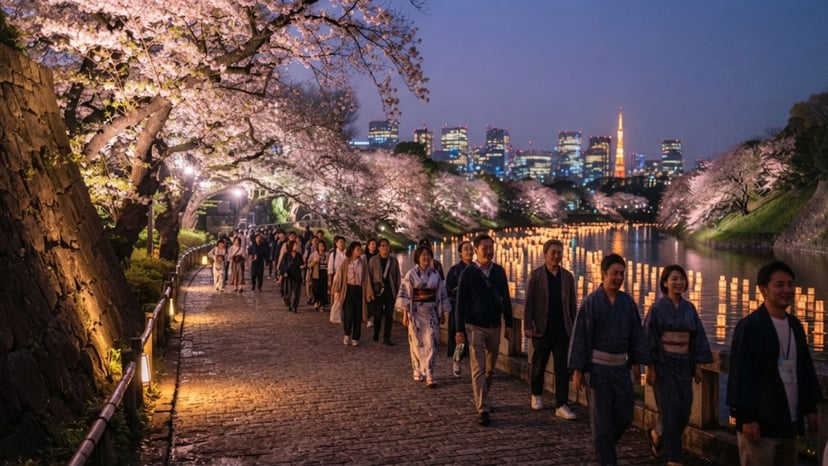
Visitors enjoy an unhurried stroll along the moat, where the peaceful atmosphere of the festival encourages a moment of connection.
What Else Pairs Well with the Lantern Festival?
The lantern ceremony fits perfectly into a relaxed evening exploring central Tokyo. Visitors spending several days in Tokyo can also combine the festival with other seasonal experiences and private sightseeing tours offered by Karvaan Tours.
Kitanomaru Garden
Located beside the moat, this peaceful green space is ideal for a leisurely walk before sunset and offers beautiful seasonal scenery throughout the year.
Imperial Palace Area
The historic surroundings provide one of Tokyo's most scenic walking routes, blending centuries of history with beautifully maintained landscapes.
Chiyoda City Evening Walk
After the lantern ceremony, stroll through Chiyoda City's quiet streets and discover cafés, restaurants, and illuminated landmarks that create a completely different atmosphere from Tokyo's busier entertainment districts.
Combining these attractions allows visitors to enjoy a complete evening rather than simply attending the festival itself.
Is the Chidorigafuchi Lantern Festival Worth Visiting?
Without question. While Tokyo is famous for neon lights, skyscrapers, and fast-paced city life, the Chidorigafuchi Lantern Festival reveals a quieter and more reflective side of the capital. It is particularly worthwhile for:
- First-time visitors interested in Japanese traditions
- Couples seeking a romantic evening
- Photography enthusiasts
- Solo travelers looking for meaningful cultural experiences
- Families wanting a peaceful seasonal event
Rather than focusing on entertainment alone, the festival invites visitors to slow down, appreciate history, and participate in a tradition centred on remembrance and hope.
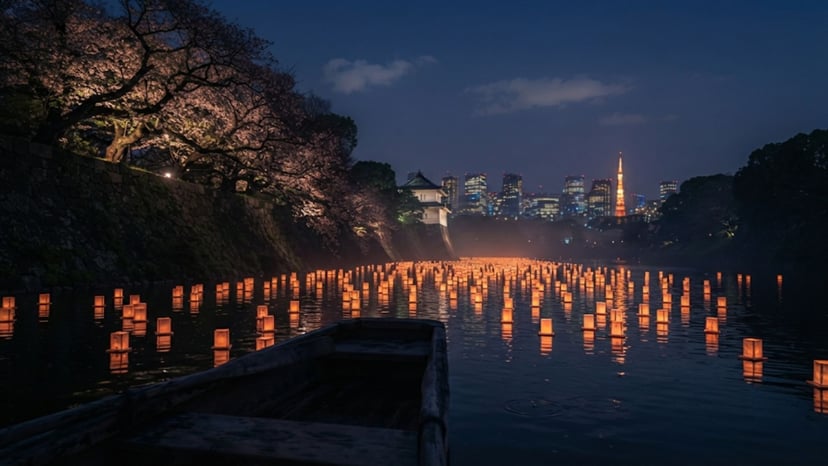
The Chidorigafuchi Moat Lantern Festival: where the quiet beauty of tradition meets the vibrant energy of the Tokyo skyline.
Conclusion
The Chidorigafuchi Moat Lantern Festival is more than a beautiful summer event. It is a heartfelt celebration of remembrance, peace, and Japanese tradition that transforms one of Tokyo's most historic locations into a glowing river of light. Whether you experience the festival from a rowing boat, admire the floating lanterns from the surrounding walkways, or simply enjoy a peaceful evening exploring Chiyoda City, the event offers a rare opportunity to connect with Japan's cultural heritage in an intimate and unforgettable setting. If you're planning a summer trip to Tokyo in 2026, add the Chidorigafuchi Moat Lantern Festival to your itinerary. Arrive early, take your time exploring the historic surroundings, and witness one of the capital's most elegant seasonal traditions unfold beneath the evening sky.
Ready to experience one of Tokyo's most magical summer evenings? Plan ahead, monitor official event announcements, and enjoy a cultural experience that beautifully blends history, reflection, and timeless Japanese tradition.