

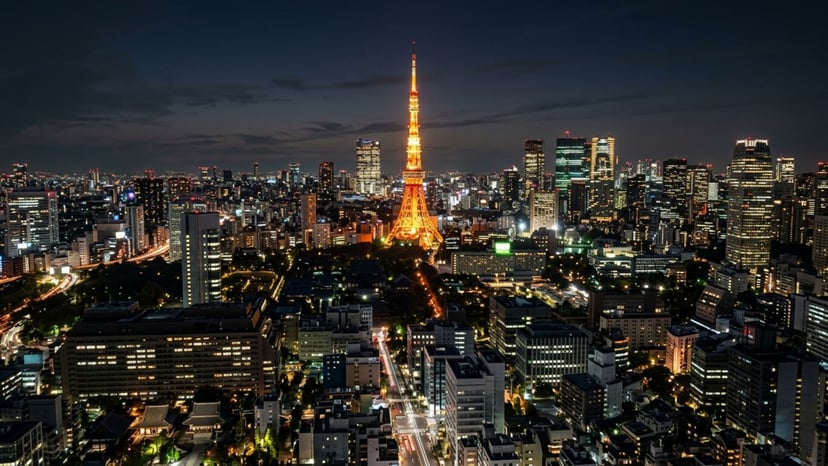
What does Tokyo look like when the entire city stretches out beneath you? From 150 metres above the streets of Minato, Tokyo Tower offers an impressive answer, with sweeping views across Shibakoen, surrounding skyscrapers and distant landmarks such as Tokyo Skytree. Built in 1958, the orange-and-white landmark has remained a defining part of the capital’s skyline despite decades of change around it. During the day, its observation decks reveal the scale and energy of Tokyo, while sunset brings warmer colours and a gradually illuminating cityscape. After dark, the experience becomes even more atmospheric as thousands of lights spread across the horizon. Combining panoramic views, distinctive architecture and a deep connection to Tokyo’s postwar history, this landmark deserves more than a quick photograph from street level. If you want to experience the capital from one of its most iconic viewpoints, make time for Tokyo Tower, especially around sunset, when the city begins its transformation from day to night.
Tokyo Tower History: From 1958 Landmark to Modern Tokyo Icon
Tokyo Tower has been one of Tokyo's defining landmarks since it opened in 1958. Its distinctive orange-and-white structure quickly became associated with Japan's post-war growth and the rapidly modernising Tokyo skyline.
When Was Tokyo Tower Built?
Construction of Tokyo Tower began in the 1950s, and the completed tower officially opened in 1958. At the time, Tokyo was undergoing rapid economic and technological development, and the tower became both a communications structure and a powerful symbol of the city's ambitions.
Why Was Tokyo Tower Built?
Tokyo Tower was originally constructed primarily as a communications and broadcasting tower. Its height allowed television and radio signals to reach a much wider area of the growing metropolitan region. Its observation decks also transformed the structure into a major tourist attraction, allowing visitors to experience Tokyo from above.
Tokyo Tower's Place in Modern Tokyo
Although newer and taller observation towers have since appeared in Tokyo, Tokyo Tower remains one of the city's most recognisable landmarks. Its traditional lattice design, distinctive colour scheme and central location have helped it retain a strong connection with the city's identity. For many visitors, Tokyo Tower represents the classic image of Tokyo: a historic landmark surrounded by an increasingly modern skyline.
Tokyo Tower Travel Time, Height and Access: Why Private Transport Feels More Premium
One of the biggest mistakes visitors make is underestimating how important timing becomes when visiting Tokyo Tower, especially during evening hours. Tokyo Tower is located in Minato City near Shibakoen, making it relatively accessible from most central Tokyo districts. However, evening congestion and crowded station transfers can still make the journey more tiring than expected.
Tokyo Tower Operating Hours
| Facility | Opening Hours | Last Admission |
|---|---|---|
| Main Deck (150m) | 9:00 AM – 10:30 PM | 10:00 PM |
| Top Deck Tour (250m) | 9:00 AM – 10:30 PM | 9:45 PM |
Transport
Tokyo Tower is centrally located in Minato City and can be reached easily by public transport, with most journeys taking around 20–50 minutes depending on the hotel location, transfers, walking distances and traffic. The nearest stations include Akabanebashi, Kamiyacho, Onarimon, Shibakoen, Daimon and Hamamatsucho, with walking times ranging from approximately 5 to 15 minutes. Private vehicle travel generally takes around 15–35 minutes from central Tokyo hotels, depending on traffic, while on-site parking is available for cars, bicycles and motorbikes. For travellers seeking greater comfort, chauffeur-driven transport provides direct hotel pickup, flexible evening schedules, easier family travel, convenient photography stops and relaxed returns. It also makes combining Tokyo Tower with nearby attractions more seamless. For more ideas, explore our Tokyo Private Tour Itinerary.
Tokyo Tower Tickets: Prices, Entry and Booking
Planning your Tokyo Tower visit starts with choosing the right observation deck and ticket option. Tokyo Tower's observation experience is centered around the Main Deck, while the Top Deck offers a more elevated and exclusive viewing experience. Choosing between them depends on how much time you have, your interest in panoramic views, and whether you want the more premium experience.
Tokyo Tower Main Deck Tickets
The Main Deck stands 150 metres above Tokyo and provides wide views across the city's skyline. It is the standard observation experience and is suitable for first-time visitors who want to experience Tokyo Tower without committing to the higher-priced Top Deck option.
Tokyo Tower Top Deck Tickets
The Top Deck rises to 250 metres and provides an even higher perspective over Tokyo. Access to this level is more limited, making it particularly appealing for visitors looking for a more exclusive experience and uninterrupted city views.
Do You Need to Book Tokyo Tower Tickets in Advance?
Advance booking can be useful during busy travel periods, weekends, holidays and popular evening viewing hours. Visitors planning a sunset or night-time experience should consider arranging tickets ahead of time, particularly when travelling on a fixed itinerary. For a premium Tokyo itinerary, booking your preferred observation experience in advance also makes it easier to coordinate Tokyo Tower with dinner, private transport and nearby attractions.
Tokyo Tower Main Deck vs Top Deck: Which Should You Choose?
Tokyo Tower offers two distinct observation experiences, and the choice between the Main Deck and Top Deck can significantly influence your visit.
Main Deck Experience
At 150 metres, the Main Deck offers an expansive perspective over central Tokyo. Its height provides excellent views of the surrounding neighbourhoods and major landmarks while still giving visitors the distinctive feeling of being inside Tokyo Tower itself.
The Main Deck is the better choice for travellers who want a classic Tokyo Tower experience, especially if they are visiting for the first time or have limited time in the city.
Top Deck Experience
At 250 metres, the Top Deck provides a higher viewpoint and a more exclusive atmosphere. On clear days, the elevated position gives you a broader perspective across Tokyo and can make distant landmarks easier to appreciate. The Top Deck is particularly appealing for travellers who want to make Tokyo Tower a special part of their itinerary rather than simply checking the landmark off their sightseeing list.
Which Deck Is Worth Visiting?
Choose the Main Deck if you want the essential Tokyo Tower experience. Choose the Top Deck if you value the higher viewpoint, a more exclusive atmosphere and a premium sightseeing experience. For sunset and evening visits, either deck can be memorable, but the Top Deck is particularly suited to travellers looking for a more special Tokyo skyline experience.
How to Experience the Best Views
We highly recommend pre-booking a timed-entry pass to bypass the ticket office. If you want a stress-free experience, Click here to book our Private Tokyo Evening Tour. We include priority access to the Top Deck and a guided photography session at no extra charge.
Tokyo Tower: Height and Architectural Significance
Standing at 333 metres, Tokyo Tower remains a towering icon of Japan’s capital. Built in 1958, this "Eiffel Tower-inspired" landmark offers two primary observation levels: the Main Deck at 150 metres and the exclusive Top Deck at 250 metres. Visitors can choose to take the elevator or climb the 600 steps to the main deck for a more active experience.
1. Tokyo Tower Still Delivers Tokyo’s Most Emotional Skyline Experience
Tokyo Tower continues to offer the best sight of the Tokyo skyline. While there are many iconic landmarks in Tokyo's skyline, Tokyo Tower remains uniquely emotional, as opposed to numerous newer observation decks. Its deep historical character is central to the tower’s unique ambiance! Tokyo Tower was built in 1958, a time when Japan was recovering from World War II and modernising. The light of orange and white has been familiar and sentimental to this day. However, it is the emotional resonance and the sweeping vantage point that truly sets the experience apart. At 333 metres, Tokyo Tower offers a sense of intimacy that the towering Tokyo Skytree simply cannot match. You're tall enough to see the marvellous Tokyo skyline, yet not too removed from the Tokyo neighbourhoods, streets and lit cityscape.
The ambiance is cinematic, particularly at night. The reflections, skyline depth, moving traffic below, and illuminated cityscape create one of the most iconic urban experiences in Tokyo.
2. The Tokyo Tower Top Deck Experience Feels Surprisingly Exclusive
If you are wondering whether upgrading to the Tokyo Tower Top Deck is worth it, the answer is absolutely yes.
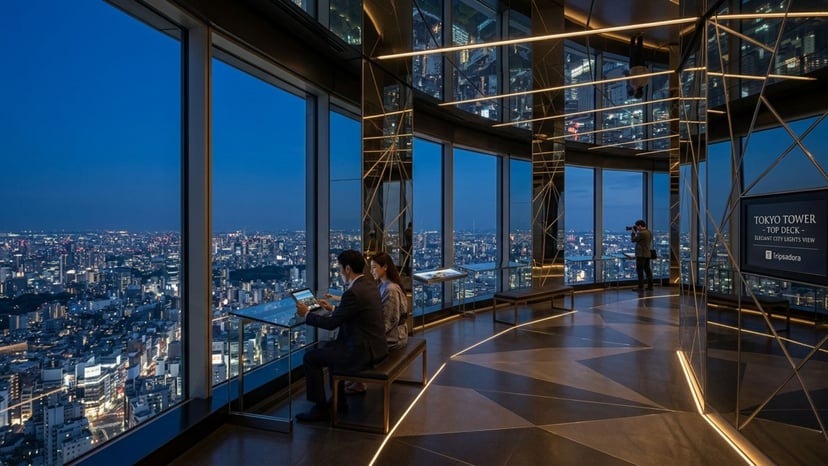
The Top Deck is a much more elegant and luxurious space than the Main Deck, which already has a great view of the skyline. It's quieter, more upscale, and much more immersive than normal viewing decks. The lighting, mirrored reflections, and the elevation of the viewing platforms add to this surreal atmosphere while keeping a nostalgic feel. Limited visitor capacity significantly enhances the experience, creating a noticeably more exclusive environment. The Top Deck maintains a quieter, more intimate atmosphere compared to the lower observation levels, particularly on weekday evenings. This exclusivity proves advantageous for the following visitors:
- Couples
- Luxury travelers
- Night photographers
- Romantic itineraries
- Premium Tokyo sightseeing routes
The quieter atmosphere allows visitors to absorb the skyline rather than constantly navigating crowds.
3. Tokyo Tower Night View Remains One of Tokyo’s Best After Dark Experiences
This enduring charm is precisely why Tokyo Tower night views continue to trend among travellers year after year. Tokyo casts a spell after dark. The city lights paint the night sky, reflecting on the buildings; the roadways are lit up, and the buildings create a layer of glowing skyscrapers. Tokyo Tower overlooks the city with the following views:
- Tokyo Skytree
- Roppongi skyline
- Minato night views
- Shinjuku skyscrapers
- Rainbow Bridge on clear nights
- Seasonal Tokyo illumination displays
The atmosphere feels especially cinematic during blue hour, just after sunset when the sky still holds deep shades of blue behind Tokyo’s illuminated skyline! For couples, this becomes one of Tokyo’s strongest romantic evening spots. Timing is critical to avoiding crowds; aim for a weekday arrival between 4:00 PM and 5:00 PM.
Best Time to Visit
The best overall experience usually begins as follows:
- 45 to 60 minutes before sunset
This allows visitors to experience the following:
- Daytime skyline
- Sunset transition
- Blue hour
- Full Tokyo night view
Private transport becomes particularly valuable during this period because traffic and station congestion can significantly affect timing precision.
4. Tokyo Tower Photo Spots Create Some of Tokyo’s Most Iconic Images
Tokyo Tower remains one of the city’s strongest skyline photography locations because it works beautifully both from inside and outside the tower. Some of the best Tokyo Tower photo spots include the following:
- Shiba Park
- Zojoji Temple
- Skywalk Windows
- Look-down Window
- Roppongi streets
- Mori Tower viewpoints
- Nearby pedestrian bridges
Zojoji Temple is especially popular because it creates one of Tokyo’s most iconic compositions, blending traditional Japanese temple architecture with Tokyo Tower rising behind it. At night, the contrast becomes even more dramatic.

Private chauffeurs become especially useful for photographers because they allow visitors to comfortably move between multiple photography locations without relying on train schedules.
5. Tokyo Tower Without Crowds Is Still Possible with Smart Timing
Many travellers assume Tokyo Tower is always crowded. That is not entirely true. While weekends and holidays can become busy, strategic timing dramatically improves the experience.
Best Crowd Avoidance Strategies
- Visit Tuesday to Thursday
- Arrive before sunset
- Avoid Japanese national holidays
- Prioritize late evening visits
- Upgrade to Top Deck
- Use private transport for flexible timing
Tokyo Tower often feels significantly calmer than some newer observation attractions, especially during weekday evenings. That calmer atmosphere is one reason many travellers still prefer it.
6. Tokyo Tower Evening Itinerary Creates One of Tokyo’s Best Luxury Nights
Tokyo Tower works exceptionally well as part of a broader luxury Tokyo evening itinerary. Because of its central location near Roppongi, Toranomon, and Shinagawa, visitors can combine:
- Fine dining experiences
- Skyline photography
- Luxury bars
- Tokyo city lights drive
- Romantic evening walks
- Seasonal illumination routes
One of the strongest premium experiences includes the following:
- Private chauffeur pickup
- Sunset Tokyo Tower visit
- Roppongi dinner
- Mori Tower skyline stops
- Tokyo night drive
Instead of treating Tokyo Tower as a quick tourist stop, private sightseeing transforms the evening into a much more refined city experience.
7. Tokyo Tower Still Represents Classic Tokyo Better Than Any Other Landmark
Tokyo constantly evolves. New observation decks open. New skyscrapers rise. Entire districts continue changing. Yet, Tokyo Tower still feels timeless. Part of that comes from its emotional connection to Tokyo’s identity. The tower represents the following:
- Japanese broadcasting history
- Showa-era nostalgia
- Tokyo’s modernization
- Classic skyline culture
- Romantic city imagery
Even travelers visiting Tokyo for the first time often feel instantly connected to Tokyo Tower because it has appeared in countless films, anime, photography collections, and travel imagery over the decades. This emotional familiarity remains a cornerstone of the Tokyo Tower experience.
Best Places to Visit Near Tokyo Tower
Tokyo Tower's central location makes it easy to combine the landmark with several other Tokyo attractions. Instead of visiting only the tower, travellers can create a half-day or evening itinerary around the surrounding area.
Zojo-ji Temple
Zojo-ji Temple is one of the most famous landmarks near Tokyo Tower. The contrast between the traditional Buddhist temple, surrounding greenery and orange-and-white tower creates one of Tokyo's most recognisable photographic scenes.
Shiba Park
Shiba Park provides open green space around Tokyo Tower and is particularly useful for visitors who want photographs of the tower from ground level. It can also be a relaxing stop before or after visiting the observation decks.
Hamarikyu Gardens
Hamarikyu Gardens offers a very different atmosphere from Tokyo Tower. The historic landscape, ponds and traditional garden design provide a quieter experience within central Tokyo.
It can work well as part of a wider itinerary that combines Tokyo's traditional landscapes with its modern skyline.
Roppongi and Azabudai
The surrounding Roppongi and Azabudai areas offer restaurants, shopping and modern architecture, making them natural choices for travellers who want to continue their evening after visiting Tokyo Tower.
How Long Do You Need at Tokyo Tower?
The amount of time you need at Tokyo Tower depends on whether you are visiting only the observation decks or combining the tower with nearby attractions.
A 1-Hour Tokyo Tower Visit
A short visit can work if your priority is simply experiencing the observation deck and taking in the skyline. Allow around an hour for the observation experience, particularly if you are visiting between other Tokyo attractions.
A 2-Hour Tokyo Tower Experience
Around two hours gives you more time to enjoy the views, take photographs, explore the base of the tower and browse the shops. This is a comfortable option for first-time visitors who do not want to rush.
Tokyo Tower as Part of an Evening Itinerary
For a more premium experience, consider allowing several hours around Tokyo Tower. You can arrive in the late afternoon, explore the surrounding area, visit the tower around sunset and continue to dinner afterward.
This approach allows you to experience Tokyo Tower in changing light, from daytime views through to the illuminated city skyline after dark.
Tokyo Tower Pro Tips
- Visit before sunset for the best skyline transition
- Choose weekday evenings when possible
- Upgrade to the Top Deck for premium atmosphere
- Prioritize clear weather days
- Visit Zojoji Temple for iconic photos
- Use private transport for smoother evening pacing
- Allow 2 to 3 hours for an unhurried atmosphere
Plan Your Premium Tokyo Tower Experience
For a more relaxed and comfortable visit, a private chauffeur-driven tour allows you to enjoy Tokyo Tower without dealing with crowded stations, fixed schedules or rushed connections. Whether you are planning a romantic evening, a family outing, a photography session or a luxury sightseeing experience, private transportation offers greater flexibility and convenience. With direct hotel pickup, comfortable travel and the freedom to spend more time at each attraction, you can appreciate the skyline at your own pace. To make your visit part of a personalised sightseeing plan, explore our Tokyo Private Tour Itinerary.
Conclusion: Is Tokyo Tower Worth Visiting?
Is Tokyo Tower worth visiting? Absolutely. Despite the rise of modern observation decks, the unique combination of scenery and atmosphere at Tokyo Tower remains unmatched. Tokyo Tower belongs to a different era, one of nostalgia, elegance, and cinematic skyline beauty. It serves as an essential touchstone of Tokyo’s identity, offering an emotional connection to the city that newer, more sterile structures cannot replicate. Whether for skyline photography, a romantic evening, or a refined observation experience, Tokyo Tower remains a quintessential destination for those seeking the classic, filmic heart of Tokyo.