Stunning view of Shinjuku Gyoen’s Japanese garden with cherry blossoms reflecting on a peaceful pond
Travel Tips

Shinjuku Gyoen Guide: 7 Best Reasons It’s Tokyo’s Ultimate Nature Escape

Introduction

Amid the neon sky and packed subways, it can be hard to believe there is a truly peaceful place in the middle of Tokyo. This is why Shinjuku Gyoen is so special. Shinjuku Gyoen National Garden is one of Japan's most famous urban parks and a highlight of Tokyo's cultural landscape. Often regarded as the finest example of a Japanese city garden, Shinjuku Gyoen combines seasonal beauty, traditional design, and peaceful open spaces in the heart of the capital.

We have found that Shinjuku Gyoen, during the Sakura season in spring, the humid summer afternoon, the autumn season when the colour is at its peak, and the winter morning when it is quiet, has a more complete and balanced ambiance than many other gardens in Tokyo. It is a unique place that brings together traditional Japanese garden design, English landscape beauty, French formality and symmetry, and cultural heritage. From Hanami photography and maple leaf viewing to enjoying a Shinjuku Gyoen private tour, this is one of the most rewarding slow-travel experiences in Tokyo.
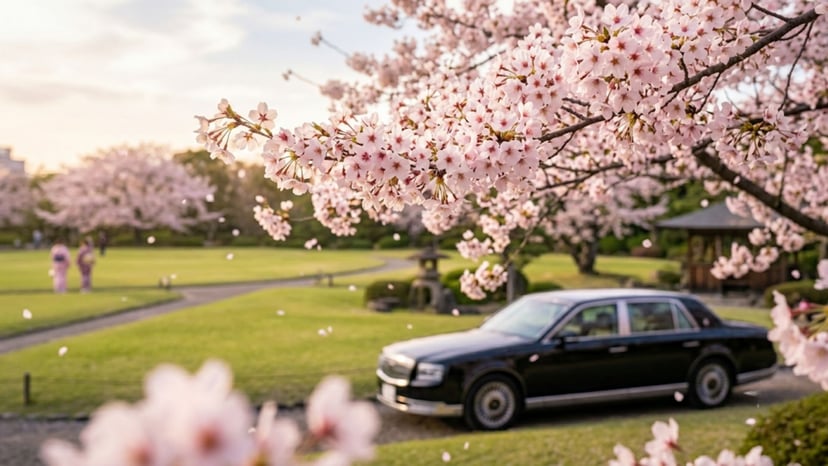
Soft-focus cherry blossoms above a wide, green lawn at Shinjuku Gyoen during spring.

Hanami in style: Enjoy the peak of spring without the rush, perfectly paced for your comfort.

Private vehicle transport is undoubtedly the superior mode of transportation for those who value premium pacing, timing, and comfort during travel to Shinjuku Gyoen. Tokyo's train system is very efficient, but packed stations, congestion during the busy season, or a long walk between trains can ruin the serene feeling of this destination. Many travellers combine a visit to Shinjuku Gyoen with a Tokyo Private Tour for a more flexible sightseeing experience. If you are thinking about visiting Tokyo in 2026 and seeking a top-notch seasonal, cultural, and luxury garden experience, these are the 7 best reasons to put Shinjuku Gyoen at the forefront of your travel plans.

Shinjuku Gyoen at a Glance

Feature Details
Official Name Shinjuku Gyoen National Garden
Location Shinjuku, Tokyo
Recommended Visit Time 2–4 Hours
Best Time to Visit Spring and Autumn
Photography Excellent
Family Friendly Yes
Nearest Stations Shinjuku-Gyoemmae Station, Sendagaya Station, Shinjuku Station

Note: Often referred to internationally as Gyoen Garden Tokyo, this iconic green space attracts visitors throughout the year.

How Long Does Shinjuku Gyoen Take?

Originally developed as a feudal lord's residence during the Edo Period, Shinjuku Gyoen later became an imperial garden before opening to the public after World War II. Today, it is managed by Japan's Ministry of the Environment and remains one of the country's most important urban green spaces. Its unique blend of Japanese, English, and French garden design reflects centuries of cultural influence and careful landscape planning.
Most visitors spend between two and four hours exploring Shinjuku Gyoen National Garden. Travellers interested in photography, seasonal flowers, tea house experiences, or leisurely walks often spend longer. Spring cherry blossom season and autumn foliage season typically encourage longer visits because of the garden's extensive walking routes and photography opportunities.

Shinjuku Gyoen Travel Time and Access: Why Private Vehicle Is the Best Option

Feature Private Vehicle Service Public Transport
Travel Time 15–35 minutes 25–60+ minutes
Experience Seamless, calm, & refined Often crowded & hectic
Logistics Direct hotel pickup Subway/JR transfers & station walking
Peak Season Stress-free VIP pacing High platform congestion
Convenience Excellent for families & gear Challenging with luggage/strollers

Why Choose Private Transport?

Choosing a private vehicle is the most efficient way to maximise your time in Tokyo, especially for photographers, couples, and luxury travellers.
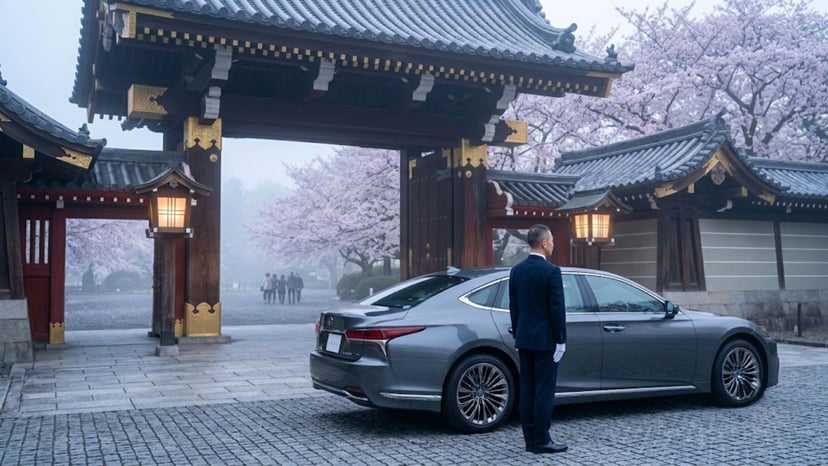
A premium private vehicle waiting at the entrance of Shinjuku Gyoen for a seamless garden visit.

Travel refined: Skip the crowded subways and arrive at the garden entrance in complete comfort

  • Flexibility: Bypass the chaotic station transfers and maintain your own schedule.

  • Comfort: Escape the spring humidity or summer heat in a climate-controlled sanctuary.

  • Efficiency: Easily combine your Shinjuku Gyoen visit with other nearby attractions without the fatigue of public transit.

  • Professional Care: Our private chauffeur service ensures a smoother, more intimate experience, allowing you to focus on the garden's beauty rather than the commute.

Pro Tip: During the Sakura (cherry blossom) season, Tokyo’s transport system reaches peak congestion. Booking private transport early is the best way to guarantee a stress-free and elegant entry into the garden.

Opening Hours & Best Timing: Planning Your Visit to Shinjuku Gyoen

The timing of your visit to Shinjuku Gyoen can significantly impact your experience. Based on our observations, arriving early is always the best strategy. The garden is noticeably quieter and calmer in the morning light, offering a serene atmosphere for photography and a more peaceful stroll along the pathways before the afternoon crowds arrive.

Recommended Seasonal Timing

  • Spring: Arrive at opening time for peaceful Sakura (cherry blossom) viewing.

  • Summer: Visit early in the morning to enjoy the cooler temperatures.

  • Autumn: Opt for late morning or "golden hour" (late afternoon) for the best maple leaf photography.

  • Winter: Mid-morning is ideal for a serene and comfortable exploration.
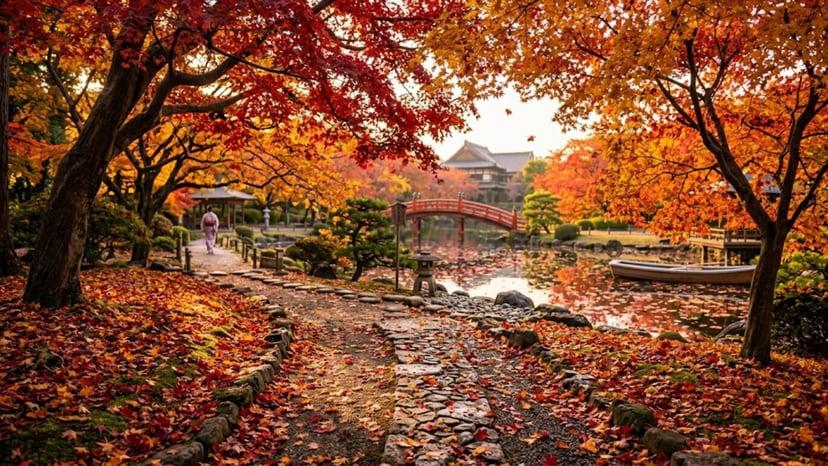
Vibrant red and orange maple leaves lining the paths of Shinjuku Gyoen in autumn.

Golden hour magic: Experience the tranquillity of Shinjuku Gyoen when the autumn colours reach their peak.

General Opening Hours

  • Standard (Mar 15 – Sep 30): 9:00 a.m. – 6:00 p.m. (Last entry: 5:30 p.m.)

  • Extended Summer (Jun 11 – Jul 31): 9:00 a.m. – 7:00 p.m. (Last entry: 6:30 p.m.)

  • Autumn/Winter (Oct 1 – Mar 14): 9:00 a.m. – 4:30 p.m. (Last entry: 4:00 p.m.)

Important Note: The garden is generally closed on Mondays. However, it remains open every day during the cherry blossom season (Mar 25 – Apr 24) and the chrysanthemum exhibition (Nov 1 – Nov 15).

Pro Tip: To enjoy premium seasonal pacing and avoid the stress of public transport, private vehicle transport offers superior timing control, allowing you to arrive and depart exactly when you choose.

Quick Reference: Garden Facilities

  • Admission Fee: Adults ¥500 | Seniors (65+) & Students (16+) ¥250 | Children (15 & under) Free.

  • Parking: Available for 200 cars; garden visitors receive a discount when using the Okido Gate.

  • Amenities: Coin lockers (¥300–¥500) and free wheelchair rentals are available at all entrances.

Always check the official website before your visit, as hours can vary during peak seasons or due to weather conditions.

Important Information

  • Group Discounts: For groups of 30 or more people, the adult admission fee is discounted to ¥400. Rates for seniors and students remain unchanged.

  • Student Eligibility: The "Student" category applies to individuals aged 16 and older. Admission is free for children aged 15 and under (including junior high school students).

  • Admission Verification: Standard adult admission is ¥500. Rates for seniors (65+) and students are ¥250, while admission remains free for children aged 15 and under.

1. Shinjuku Gyoen Is One of Tokyo’s Best Cherry Blossom Viewing Destinations
Spring is when this garden is out of this world if you're looking for the best time to see the cherry blossoms at Shinjuku Gyoen. Shinjuku Gyoen boasts an outstanding diversity of Sakura trees and is one of the most renowned Hanami locations in Tokyo. Because of the variety of bloom times at Shinjuku Gyoen, its viewing season is often longer than that of other parks with a more limited bloom window. Among all cherry blossom destinations in Tokyo, Shinjuku Gyoen National Garden remains one of the most popular because of its large collection of sakura varieties and extended blooming season. 
Tour
Kawazu Cherry Blossom Festival Tour | Private Transport & Scenic Sakura Views

Kawazu Cherry Blossom Festival Tour | Private Transport & Scenic Sakura Views

Pick up & drop off
Duration: 10 Hours
Languages: English, Hindi
Payment: Online / Pay After Tour / Cash
$ 399.50
Book Now

In my personal spring visits, more than the blossoms themselves, what impressed me was the atmosphere. The wide lawns, beautiful pathways and well-planned garden design provide an experience of cherry blossoms that is vibrant and upscale, not overly crowded.

2. Seasonal Beauty Makes Shinjuku Gyoen Worth Visiting All Year

People who visit Shinjuku Gyoen are only familiar with the garden as a place to admire cherry blossoms, but it is beautiful in every season. Unlike many seasonal parks, Gyoen Park in Japan offers visitors a completely different atmosphere year-round, making repeat visits worthwhile regardless of the season. Cherry blossoms and plum flowers grace the grounds in spring, followed by lush green beauty that provides relief from the hustle and bustle of Tokyo in summer, a refined red and gold autumn, and a contemplative, quieter scene in winter.  

Based on my experiences, fall may be Shinjuku Gyoen's least celebrated season. One of Tokyo's most tranquil luxury garden experiences is provided by maple-lined strolls, fresher air and quieter crowds.

Rainy Day Strategy:

It's here that Shinjuku Gyoen still has some surprising worth. Rainy weather affects photography, but light rain can add to a garden's reflections, enhance green plants, and create a more atmospheric Japanese garden design experience. Our private vehicle transport services are particularly helpful when it's rainy, ensuring a stress-free arrival at the station.

3. Three Distinct Garden Styles Create a Rare Tokyo Landscape Experience
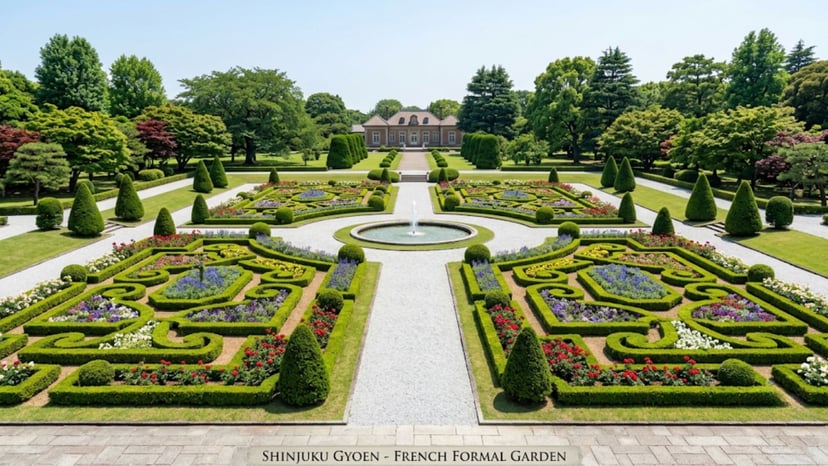
Shinjuku Gyoen's greatest asset is its variety of designs. The Japanese Traditional Garden is curiously reflective, with Zen aesthetics and the use of well-chosen ponds, graceful bridges, and the lovely Kyu Goryotei tea house. It is a place where it is easy to imagine having walked a little out of 21st-century Tokyo. Many travellers are surprised to discover that Shinjuku Gyoen National Garden combines Japanese, English, and French landscaping styles, creating one of the most diverse garden experiences in Tokyo.
The geometric symmetry of the French Formal Garden at Shinjuku Gyoen National Garden.
European sophistication meets Japanese tradition: Explore the striking contrast of the French Formal Garden.

The English Landscape Garden features larger lawns, more spacious summer exposure and some of the most pleasant Sakura picnic spots. It appears large, romantic and inviting, particularly in spring.

The French Formal Garden adds elements of symmetry, florality and European sophistication that provide a striking contrast and a sense of refinement and lasting impact.

These three walks combine together to make Shinjuku Gyoen feel more like several carefully designed high-end garden tours than one.

Tea House Experience: One of Shinjuku Gyoen’s Most Underrated Cultural Highlights

The tea house area is also one of the quietest areas of Shinjuku Gyoen, so it is a great place for travellers seeking a more in-depth cultural experience.
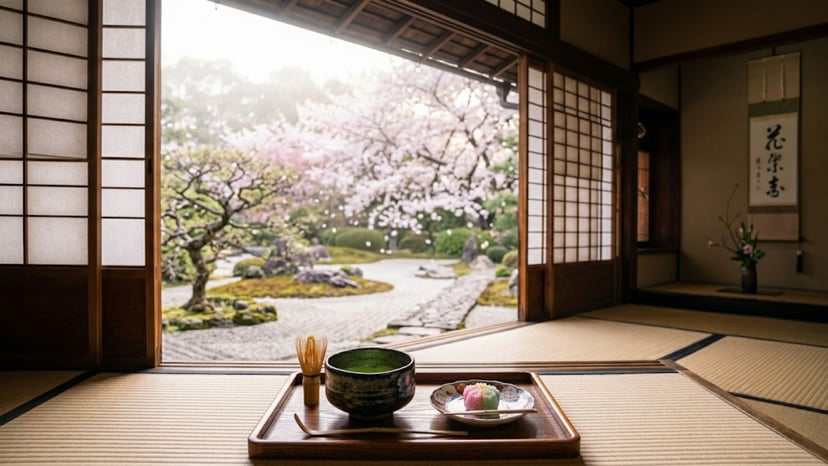
A peaceful tea house experience in the Japanese garden section of Shinjuku Gyoen.

Slow down your pace: Indulge in a traditional tea ceremony amidst the garden's most immersive, quiet corners.

Stopping for tea in the Japanese garden section provides a slower, more deliberate connection with the garden's ambience. This is where Shinjuku Gyoen becomes truly immersive, allowing visitors to appreciate the scenery without any need to rush. This relaxed cultural tempo is ideal for luxury travellers, particularly for those enjoying private tour packages.

The Tropical Greenhouse Is an Overlooked Highlight
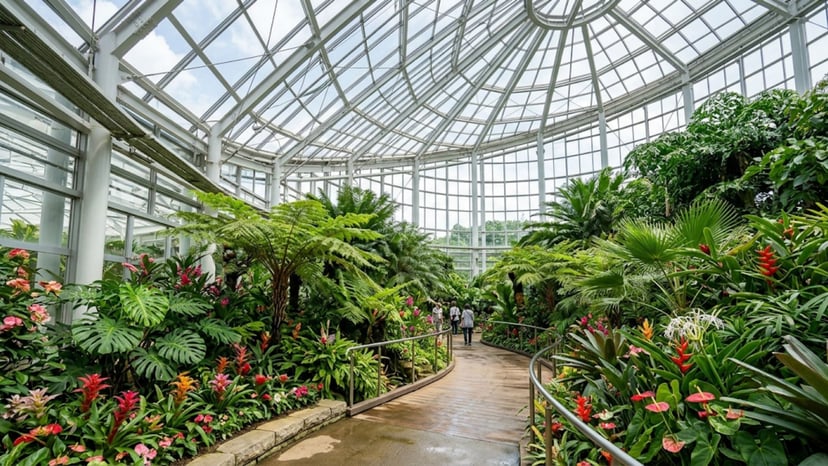
Many first-time visitors focus on the cherry blossoms and traditional gardens, but the tropical greenhouse is another fascinating part of Shinjuku Gyoen National Garden. Inside, visitors can explore a collection of exotic tropical and subtropical plants that thrive year-round. During colder months, the greenhouse provides a completely different atmosphere from the outdoor gardens and is particularly popular among plant enthusiasts and photographers.
A lush, green tropical greenhouse filled with exotic plants inside Shinjuku Gyoen
Step into the tropics: Discover an oasis of exotic plants year-round in the park’s hidden greenhouse.

4. Shinjuku Gyoen Is a Premium Photography Destination

Photographers will find Shinjuku Gyoen to be one of the best garden photography spots around Tokyo for its seasonal versatility. The colors that adorn the lawns in spring, the deceptive layering of the maple paths in autumn, and the elegance of traditional architecture such as Kyu Goryotei and the Taiwan Pavilion are all available year-round. I have visited numerous times myself and found that mornings are always the best. A reduction in light intensity, walkways, and crowds creates more opportunities for composition. Shinjuku Gyoen's strength lies in capturing atmosphere, such as reflections in the tea garden, the symmetrical French gardens, expansive English lawns, and seasonal transitions. Our private vehicle transport also makes photography a lot easier, particularly with equipment, or if you are moving to Shinjuku Gyoen and then taking a short trip to local Tokyo photography venues.

Shinjuku Gyoen Is Perfect for Families
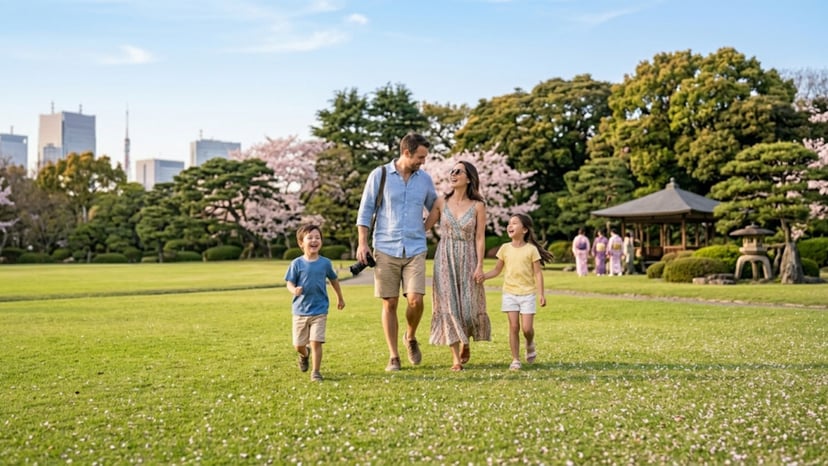
The spacious lawns, wide walking paths, seasonal flower displays, and relaxed atmosphere make Shinjuku Gyoen one of Tokyo's most family-friendly parks. Unlike many busy tourist attractions, families have room to move comfortably, while children can enjoy open green spaces. The calm environment also makes it easier for multi-generational groups to explore at their own pace.
Families enjoying the vast open green lawns and peaceful walking paths at Shinjuku Gyoen.
Spacious and serene: A perfect nature getaway for families looking to explore Tokyo at their own pace.

5. Private Tour and VIP Experience Elevate Shinjuku Gyoen

Shinjuku Gyoen can be explored by all travellers, but private tours can turn it into a much more personal luxury experience. The private garden route lets you travel at your own speed, catch up with “Sakura timing", do some serious photo taking, plan tea house visits, and explore other local sights without being rushed. In my experience, Shinjuku Gyoen is a perfect complement to Meiji Shrine, Omotesando, or the Imperial Palace Gardens, making for one of the most balanced nature-and-culture itineraries in Tokyo. Families, couples, or luxury tourists will always find private vehicles + private gardens to be smoother and more functional than public transportation-based touring.

6. Crowd Avoidance and Best Timing Matter More Than Most Visitors Realize

Shinjuku Gyoen may get very busy on weekends during the season of the sakura and the autumn foliage season, in addition to Golden Week. Travellers seeking a crowd-free visit to Shinjuku Gyoen will opt for weekday mornings, which are the best time to go. An added benefit is the private car transport service, which is particularly useful here, as the timing of the experience can make it either peaceful or congested.

7. Walking Route Highlights and Cultural Experiences

A well-planned trip to Shinjuku Gyoen should be a journey, not a list. In my experience, the best way is to start at the main gates and then explore the park's Sakura season or any other season's lawn; then move on to the Japanese garden circuit, Kyu Goryotei, Taiwan Pavilion gardens, tea house visits, and last but not least, the French garden. It offers one of the most well-rounded walking experiences in Tokyo, blending nature, architecture, and culture.
Tour
Tokyo Private Full-Day Tour by Car with Hotel Pick-Up

Tokyo Private Full-Day Tour by Car with Hotel Pick-Up

Pick up & drop off
Duration: 1 Day
Languages: English, Hindi, Japanese
Payment: Online / Pay After Tour / Cash
$ 365.50
Book Now

We have visited several of these parks and found that Shinjuku Gyoen has the most balanced of all the parks in terms of its elegance, seasonal beauty, and high quality in its pacing.

Shinjuku Gyoen vs Ueno Park vs Yoyogi Park Comparison

Garden/Park

Best For

Cherry Blossoms

Crowd Level

Luxury Feel

Photography

Private Vehicle Ease

Shinjuku Gyoen

Premium seasonal balance

Excellent

Moderate

Very High

Outstanding

Excellent

Ueno Park

Festival energy

Excellent

Very High

Moderate

Strong

Good

Yoyogi Park

Casual urban green

Good

High

Moderate

Moderate

Good

From my experience, Shinjuku Gyoen offers the best overall balance of elegance, seasonal beauty, and premium pacing.

Shinjuku Gyoen Tickets Price 2026 and Booking Tips

Standard Entry:

Affordable public admission

Best Strategy:

Book seasonal visits early, especially during:

  • Cherry blossom season
  • Golden Week
  • Autumn foliage peaks

Premium Strategy:

Pair early arrival with private transport for the smoothest luxury experience.

Worth It?

Absolutely. Shinjuku Gyoen is a consistently outstanding value for cherry blossom travel, photographers, couples and those looking for a premium visit to Tokyo.
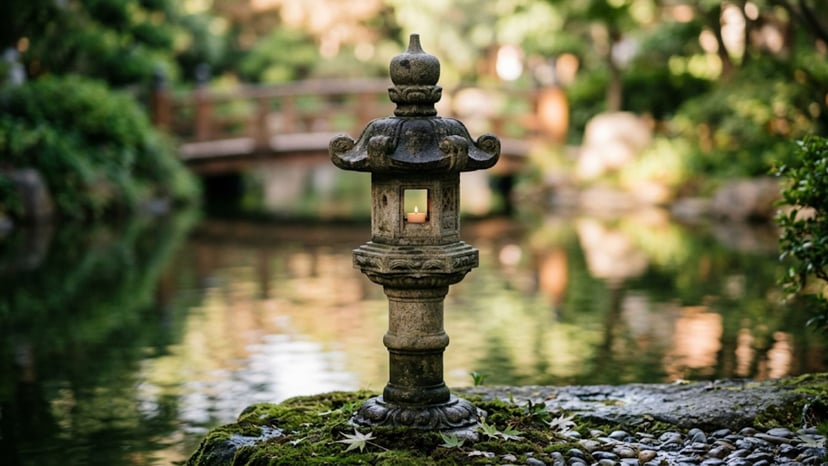
A traditional stone lantern frame capturing the serene reflection in Shinjuku Gyoen's pond.

Every corner a masterpiece: Shinjuku Gyoen provides photographers with endless compositions of light, shadow, and nature.

Nearby Attractions for a Full Tokyo Nature and Culture Experience

To maximise your route, combine Shinjuku Gyoen with:

Shinjuku Gyoen Pro Tips

  • Visit at opening for calmest experience
  • Spring and autumn offer strongest seasonal value
  • Prioritize weekdays
  • Use private vehicle for timing control
  • Explore the tea house area
  • Plan photography around soft morning light
  • Book peak seasonal visits early

Plan Your Premium Shinjuku Gyoen Experience

Private vehicle service is, without doubt, the optimum choice if you're looking to travel between stations without the hassle of crowds, to maximise seasonal beauty, and to enjoy the most elegant garden experience while comfortably travelling around Tokyo. From Sakura tourists to fall foliage travellers, family nature day, and luxury Tokyo cultural tourists, private transportation is all you can look forward to in terms of flexibility, comfort, and pacing.

The private vehicle trip offers a quieter, smoother and more personalised gardening experience in Tokyo for those who want to experience it beyond the conventional tourist experience of Shinjuku Gyoen.

Conclusion: Is Shinjuku Gyoen Worth Visiting in 2026?

Absolutely. The cherry blossoms, seasonal beauty, Japanese cultural heritage, elegant garden design, and the luxury of travel combine to make Shinjuku Gyoen one of the best urban nature escapes in Tokyo. From Sakura to autumn foliage to photography to tea culture to a serene Tokyo nature getaway, whether you know it as Shinjuku Gyoen, Shinjuku Gyoen National Garden, or Gyoen Garden Tokyo, this remarkable destination remains one of the most rewarding nature escapes in Japan. Experiencing Shinjuku Gyoen in combination with a private car ride is one of the best nature experiences in Tokyo for those who want to get out of the city for a more premium, refined experience, away from the hustle and bustle, and who prefer a more seasonal one.

FAQs

Q:Is Shinjuku Gyoen worth visiting in Tokyo?
A: Absolutely. Shinjuku Gyoen National Garden is widely considered one of Tokyo's most beautiful green spaces and offers excellent value throughout the year.
Q:How long should I spend at Shinjuku Gyoen?
A: Most visitors spend between two and four hours exploring the gardens, seasonal displays, tea house area, and photography locations.
Q:Is Shinjuku Gyoen the same as Gyoen National Park?
A: Many travellers search for Gyoen National Park or Gyoen National Garden, but the attraction's official name is Shinjuku Gyoen National Garden.
Q:What is the best season to visit?
A: Spring cherry blossoms and autumn foliage are the most popular seasons, although the garden remains attractive throughout the year.
Q:Is photography allowed?
A: Yes. Shinjuku Gyoen is one of Tokyo's most popular locations for landscape, nature, and seasonal photography.
Q:Is private vehicle transport worth it?
A: Yes, especially during peak Sakura season, family visits, rainy days, and luxury Tokyo itineraries.