

Introduction to Japan for Senior Travelers
Why Japan is Ideal for Senior Travelers
Japan stands out as an ideal destination for older travelers due to its safety, efficiency, and thoughtful amenities. The country’s strong focus on respect, organisation, and accessibility ensures a smooth and enjoyable experience for seniors.
|
Feature |
Benefit for Seniors |
|
Clean and safe cities |
Peace of mind while traveling |
|
Efficient transport |
Easy and predictable travel |
|
Accessibility features |
Reduced physical strain |
|
Organized systems |
Less confusion and stress |
|
Respectful culture |
Comfortable interactions |
Why Japan Is Perfect for Elderly Tourists
Cleanliness and Safety
Japan is globally recognised for its cleanliness and low crime rates, making it extremely safe for senior travelers. Public spaces are well-maintained, and people follow rules that create a secure and comfortable environment.
Reliable Transportation System
Public transportation is efficient, punctual, and easy to navigate. Trains and buses run on time, making travel predictable and stress-free for seniors.
Excellent Amenities and Services
Japan offers excellent amenities such as elevators, escalators, and well-designed facilities in stations and public places. These features enhance mobility and comfort, allowing senior travelers to explore with ease.

Travel with ease: Japan’s modern stations are designed for comfort, featuring elevators and escalators throughout.
Senior Discounts in Japan for Foreigners
Accessibility in Japan for Seniors
Accessibility in Japan is well-developed, making it easier for seniors to travel comfortably. Many public areas, stations, and attractions are designed with accessibility in mind, ensuring a smooth experience for visitors with mobility needs.
Wheelchair Accessibility
Japan provides strong support for wheelchairs, with many stations and public places offering barrier-free access. Ramps, elevators, and designated pathways help ensure smooth mobility.
Elevators, Escalators, and Facilities
Most major stations, malls, and attractions are equipped with elevators and escalators, making movement easier for seniors. These accessibility features reduce physical strain and improve overall comfort.
Walking Distance Considerations
While Japan is walkable, planning routes carefully is important. Choosing attractions close to transport hubs and allowing time for rest helps seniors travel comfortably without fatigue.
How Much Walking Should Senior Travelers Expect in Japan?
Japan is an easy country to explore, but many destinations involve more walking than visitors initially expect. Train stations can be large, temple grounds often require walking on uneven paths, and popular attractions may involve moderate walking distances throughout the day. For senior travelers, planning a realistic pace is essential. Scheduling fewer activities per day, using taxis or private transportation when necessary, and allowing regular rest breaks can significantly improve comfort. Choosing centrally located hotels and grouping nearby attractions together also helps reduce unnecessary walking and fatigue. Many senior visitors find that a slower itinerary allows them to enjoy Japan's cultural experiences more comfortably while still seeing many of the country's highlights.
Best Senior-Friendly Destinations in Japan
Japan offers a variety of destinations that are well-suited for senior travellers, combining accessibility, cultural experiences, and scenic beauty.
Kyoto Temples and Cultural Sites
Historic temples and shrines provide peaceful environments and cultural insights. Many sites are accessible and ideal for relaxed exploration.
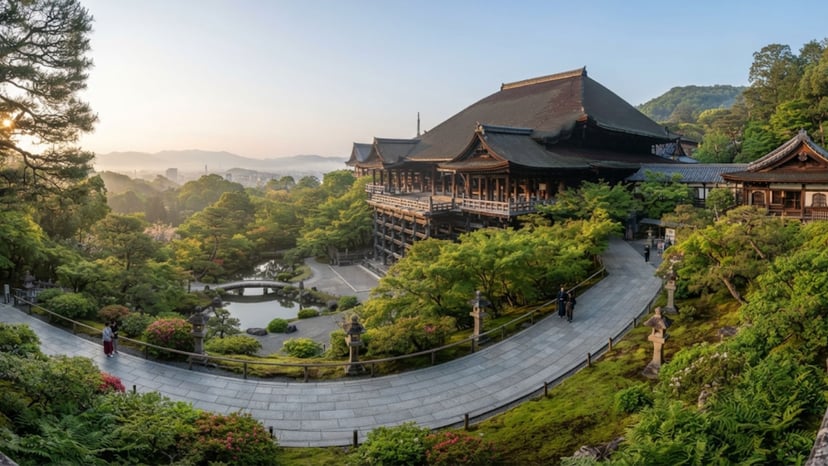
Discover the rich history of Kyoto with temple grounds that offer peaceful and accessible pathways.
Tokyo Attractions and Easy Travel
Tokyo offers accessible attractions such as museums, parks, and shopping areas. Its efficient transport system makes it easy for seniors to navigate the city.
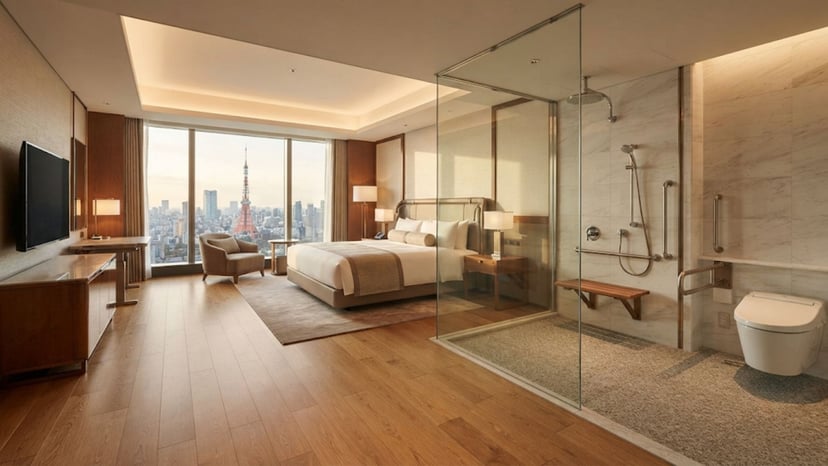
Tokyo Hotels for Senior Travelers and Accessibility
Scenic and Relaxing Destinations
Relaxing experiences like visiting an onsen or enjoying nature provide a slower pace of travel. These destinations are perfect for seniors seeking comfort and tranquillity.
Best Attractions for Senior Travelers
Best Places to Visit in Japan for Senior Citizens
Japan offers numerous destinations that are particularly suitable for mature travelers because they combine accessibility, comfort, and cultural experiences.
Popular destinations include the following:
• Kyoto for traditional temples and peaceful gardens
• Hakone for hot springs and Mount Fuji views
• Nara for parks and historic landmarks
• Tokyo for museums, shopping, and modern conveniences
• Kanazawa for preserved districts and relaxed sightseeing
• Nikko for natural beauty and UNESCO heritage sites
These destinations are frequently included in Japan tours for seniors because they allow visitors to explore at a comfortable pace while enjoying authentic Japanese culture.
Senior-Friendly Destinations in Japan Comparison
|
Destination |
Best For |
Walking Difficulty |
Accessibility |
|
Tokyo |
Museums, shopping, modern attractions |
Moderate |
Excellent |
|
Kyoto |
Temples and traditional culture |
Moderate |
Good |
|
Hakone |
Hot springs and Mount Fuji views |
Easy |
Excellent |
|
Nara |
Parks and heritage sites |
Easy |
Good |
|
Nikko |
Nature and UNESCO sites |
Moderate |
Good |
|
Kanazawa |
Historic districts and gardens |
Easy |
Good |
Public Transportation Tips for Seniors
Japan’s public transport system is one of the most reliable in the world, making it ideal for senior travelers. With proper planning, seniors can move easily between cities and attractions while minimising physical strain.

Explore Japan at your own pace: Our suggested route connects Japan’s most accessible and senior-friendly destinations.
Using Trains and Buses
Public transportation is efficient, clean, and easy to use. Trains and buses are clearly marked, and staff are helpful, making travel simple even for first-time visitors.
Senior Discounts and Tickets
Some transport services and attractions offer senior discounts, helping reduce travel costs. Checking eligibility and available passes can make your trip more budget-friendly while maintaining comfort.
Navigation Tips
Using maps, apps, and station signage makes navigation easier. Choosing direct routes and avoiding peak hours can help seniors travel more comfortably and avoid crowded conditions.
Traveling with Medication in Japan
Traveling with medication requires preparation and awareness of local regulations. Japan has strict rules regarding certain medicines, so planning ahead ensures a smooth and stress-free journey.
Carrying Medicines
When bringing medicines for seniors, keep them in original packaging and carry a doctor’s prescription if needed. This helps avoid issues at customs and ensures safe usage during your trip.
Regulations and Guidelines
Some medications may be restricted or require special approval in Japan. It’s important to check official guidelines before travelling to ensure compliance with local laws.
Health and Safety Tips
Carry essential medicines in your hand luggage and keep a list of prescriptions. Staying prepared helps manage health needs and ensures peace of mind while travelling.
Japanese Hot Spring (Onsen) Experience for Seniors
Visiting an onsen is a relaxing and therapeutic experience, especially for senior travelers. These hot springs offer both physical and mental relaxation in a peaceful environment.

Find ultimate wellness: Soaking in a natural onsen is the perfect way to rejuvenate during your journey.
Benefits of Onsen
Onsens are known for their healing properties, helping relieve muscle tension and improve circulation. This makes them particularly beneficial for seniors seeking relaxation and wellness.
Onsen Etiquette
Following proper etiquette, such as washing before entering the bath and maintaining quiet behaviour, is essential. Respecting these rules ensures a comfortable experience for everyone.
Comfort and Safety Tips
Seniors should take their time when entering hot baths and stay hydrated. Choosing facilities with easy access and safety features helps ensure a relaxing and safe onsen experience.
Food and Dietary Considerations
Food in Japan is generally healthy, fresh, and suitable for senior travelers. However, understanding dietary preferences and restrictions is important for a smooth experience. Many restaurants offer simple, balanced meals, but menus may be in Japanese. Planning ahead, using translation apps, and choosing familiar dishes can help seniors enjoy meals comfortably while experiencing authentic Japanese cuisine without unnecessary stress.
Special Food Requirements
Easy-to-Eat Japanese Dishes
Japan offers many senior-friendly dishes that are light, soft, and easy to digest. Options like rice bowls, noodles, soups, tofu, and steamed dishes are widely available. These meals are not only nutritious but also gentle on digestion, making them ideal for older travelers who prefer simple and balanced food during their trip.
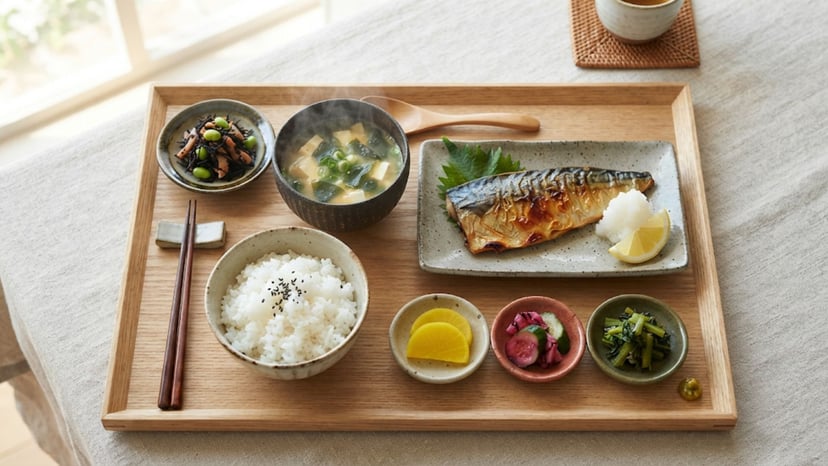
Savour the season: Enjoy light, nutritious, and authentic Japanese dishes perfect for a healthy journey.
Restaurant Tips
Dining in Japan is organised and efficient, making it easy for seniors to navigate. Many restaurants display food models or pictures, helping with ordering. Staff are polite and helpful, though English may be limited. Choosing quieter restaurants and avoiding peak hours ensures a more relaxed and comfortable dining experience
What to Pack for Senior Travelers
Packing thoughtfully can make a significant difference for senior travelers visiting Japan. Bringing essential items, comfortable clothing, and mobility aids ensures a smoother journey. Japan involves a fair amount of walking, so being well-prepared helps reduce fatigue and enhances overall comfort throughout the trip.
Essential Travel Items
Important items include medications, prescriptions, travel insurance, identification, and emergency contacts. Keeping these in carry-on luggage ensures easy access during travel. Seniors should also carry copies of documents and a small medical kit for added safety and convenience during their trip.
Clothing and Comfort
Packing weather-appropriate clothing is essential for comfort. Layered outfits work best due to changing temperatures. Comfortable walking shoes are a must, as exploring Japan often involves walking. Light, breathable clothing in summer and warm layers in winter help maintain comfort throughout the journey.
Mobility Aids and Accessories
Mobility aids such as walking sticks, support braces, or portable seating can greatly improve travel comfort. Lightweight accessories like backpacks or travel organisers help reduce strain. These tools allow senior travelers to move more easily and enjoy sightseeing without unnecessary physical stress.
Japan Itinerary for Senior Travelers
A well-planned itinerary allows seniors to explore Japan comfortably without feeling rushed. Balancing sightseeing with rest is key to an enjoyable experience. Choosing fewer destinations and allowing extra time at each location helps create a relaxed and fulfilling journey.
3-Day Japan Itinerary for Seniors
A short itinerary can focus on one city, such as Tokyo or Kyoto, covering key attractions, cultural sites, and local experiences. Keeping travel distances short and including rest breaks ensures a comfortable and enjoyable trip without overexertion.
2-Week Relaxed Japan Plan
A longer trip allows for slow travel across multiple cities with rest days included. This approach helps seniors explore Japan at a comfortable pace while enjoying deeper cultural experiences without feeling fatigued.
Flexible Travel Planning
Flexibility is essential for senior travel. Allowing time for rest, adjusting plans based on energy levels, and avoiding strict schedules ensures a stress-free and enjoyable journey throughout Japan.
How Fast Should Senior Travelers Explore Japan?
One of the biggest mistakes visitors make is trying to see too much in a short period. Japan offers countless attractions, but a slower pace often creates a far more enjoyable experience.
A comfortable itinerary usually includes:
- Two or three major activities per day
- Regular breaks for meals and refreshments
- Rest days between longer journeys
- Flexible schedules that can be adjusted according to energy levels
Many Japan tours for seniors follow a relaxed approach that focuses on quality experiences rather than trying to visit too many destinations.
Why Private Tours in Japan Are Popular with Senior Travelers
Many visitors prefer private transportation and customised itineraries because they remove the stress of navigating unfamiliar stations and carrying luggage between destinations. Private tours allow seniors to travel at their own pace, include rest breaks when needed, and provide convenient hotel pickup and drop-off services. For travelers seeking comfort and flexibility, private Japan tours often create a much more enjoyable and relaxing experience.
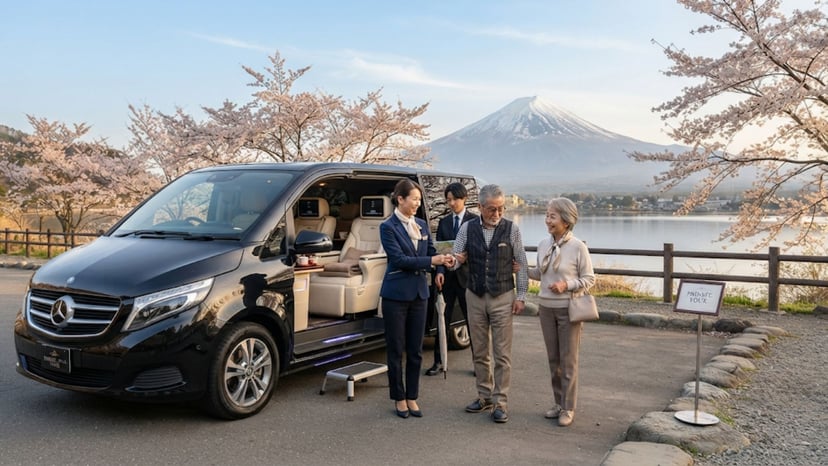
Travel your way: Private tours remove the stress of logistics, letting you enjoy your trip at your own pace.
Travel Tips for Senior Travelers in Japan
Travelling in Japan can be smooth and enjoyable for seniors with proper planning. Understanding transport, weather, and pacing helps ensure a comfortable trip. Simple preparation can make a big difference in reducing stress and improving the overall experience
Weather and Mobility Considerations
Choosing the right season is important for comfort. Spring and autumn offer mild weather, making walking easier. Avoid extreme summer heat or winter cold if mobility is a concern.
Best Time to Visit Japan for Senior Travelers
Japan can be visited throughout the year, but spring and autumn are generally considered the most comfortable seasons for senior travelers.
| Season | Highlights | Conditions |
| Spring (Mar–May) | Cherry blossom season | Mild temperatures, comfortable for sightseeing |
| Summer (Jun–Aug) | Festivals, longer daylight hours | Hot and humid in many regions |
| Autumn (Sep–Nov) | Colourful autumn foliage | Pleasant weather, lower humidity, easier walking |
| Winter (Dec–Feb) | Snow scenery, hot springs | Fewer tourists; colder; requires preparation |
For many older travelers, spring and autumn provide the best balance between comfortable weather and sightseeing opportunities.
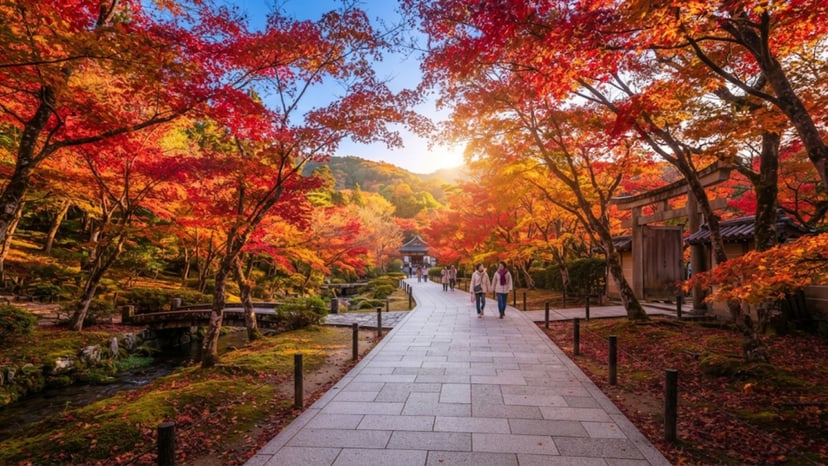
The best time to visit: Experience the pleasant weather and vibrant colours of autumn in Japan.
Luggage Management
Using lightweight luggage and delivery services can reduce physical strain. Japan’s luggage forwarding services are efficient and help travelers move easily between destinations without carrying heavy bags.
Planning Your Trip Efficiently
Planning ahead by booking accommodation, transport, and key attractions saves time and energy. Grouping nearby attractions and allowing rest periods helps seniors enjoy their trip comfortably without feeling rushed.