


Introduction to Hokokuji Bamboo Forest
Hidden away in a quiet residential area of Kamakura, Hokokuji Temple is home to one of Japan's most peaceful bamboo forests. Unlike Kyoto's crowded Arashiyama Bamboo Grove, Hokokuji offers a calm Zen atmosphere where visitors can walk beneath hundreds of towering bamboo stalks before enjoying traditional matcha tea overlooking the garden. If you're planning a day trip from Tokyo, this guide covers everything you need to know, including history, tickets, opening hours, photography tips, and how to get there.
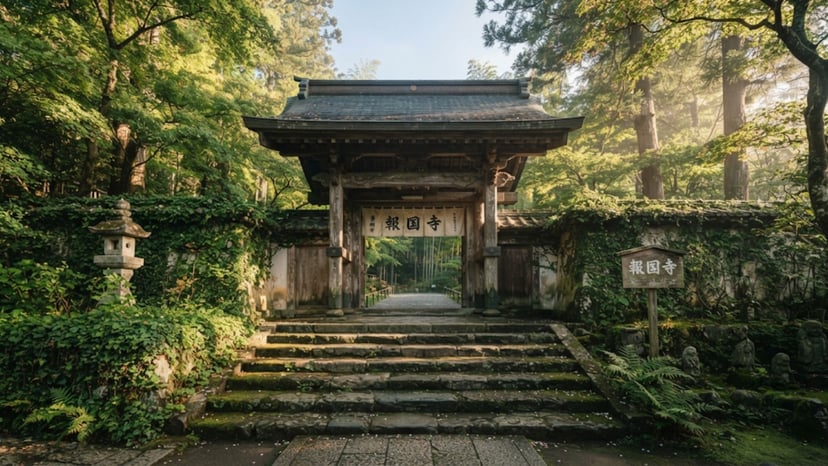
The journey begins: entering the historic gates of Hokokuji Temple, a gateway to peace.
Key Highlights of Hokokuji Bamboo Forest
• Walk through a serene bamboo grove
• Experience peaceful Zen temple atmosphere
• Enjoy traditional matcha tea in nature
• Capture stunning bamboo photography
• Escape busy Tokyo crowds
Where Is the Bamboo Forest in Japan?
Many travellers searching for the bamboo forest in Tokyo are actually looking for Hokokuji Temple in Kamakura. Although the temple is not located inside Tokyo, it is only about one hour away and is one of the easiest bamboo forests to visit from the capital. Known as the Kamakura bamboo forest, Hokokuji offers a peaceful experience surrounded by hundreds of towering bamboo stalks and is often considered one of the most accessible bamboo forests near Tokyo.
Quick overview
|
Category |
Details |
|
Location |
Kamakura, Japan |
|
Type |
Zen Temple & Bamboo Forest |
|
Famous For |
Bamboo Grove & Matcha Tea |
|
Entry |
Paid (tea extra) |
|
Duration |
1-2 Hours |
|
Best For |
Nature lover, peaceful experiences |
Hokokuji Temple History and Significance
Founded in 1334 during the Muromachi period, Hokokuji Temple serves as a profound link to Kamakura’s samurai past. It was established by the Ashikaga clan, one of the most powerful samurai families in Japanese history, to serve as the ancestral temple (bodai-ji) for the Ashikaga and Uesugi clans.
-
Rinzai Zen Roots: Hokokuji belongs to the Kencho-ji school of Rinzai Zen Buddhism. This school was deeply favoured by the samurai class, who found the philosophy of Zen emphasising discipline, mindfulness, and direct experience essential for both warrior training and spiritual reflection.
-
A Symbol of Power and Peace: Historically, the temple was not just a place of worship; it was a centre of political and spiritual influence in Kamakura. Its serene architecture and carefully maintained Zen gardens were designed to reflect the transition from the chaos of feudal warfare to the calm of spiritual enlightenment.
-
Samurai Heritage: As the final resting place for several high-ranking members of the Ashikaga family, the temple grounds hold a sombre yet peaceful significance. Today, the enduring presence of these samurai roots, combined with the tranquil Zen atmosphere, offers visitors a rare glimpse into the spiritual life of Japan’s mediaeval warrior elite.
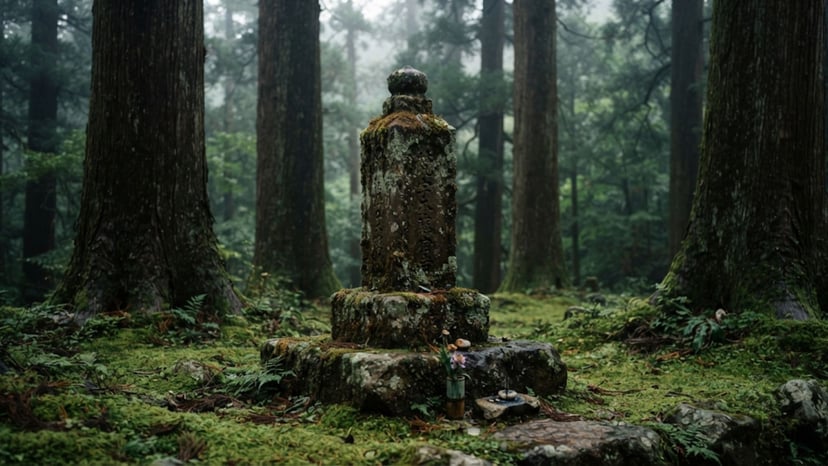
A walk through history: Explore the memorial sites linked to the powerful Ashikaga samurai family.
Why Hokokuji Is One of the Most Famous Bamboo Forests in Japan
Although the Arashiyama Bamboo Grove in Kyoto receives international attention, Hokokuji Temple is increasingly recognised as one of the famous bamboo forests in Japan. The combination of a tranquil Zen temple, a compact bamboo grove, and traditional tea experiences creates a more peaceful atmosphere compared with larger tourist destinations. For travellers seeking a quiet cultural experience near Tokyo, Hokokuji provides one of Japan's most rewarding bamboo forest experiences.
| Feature | Hokokuji (Kamakura) | Arashiyama (Kyoto) |
| Location | Near Tokyo (1 Hour) | Kyoto (Far from Tokyo) |
| Atmosphere | Very Peaceful / Zen | Very Crowded |
| Tea House | Yes (Matcha & Sweets) | No (Internal) |
| Forest Size | Compact | Large |
| Best For | Tokyo Day Trip | Kyoto Sightseeing |
Exploring Hokokuji Bamboo Grove
The bamboo grove at Hokokuji Temple is one of the most peaceful natural spots in Kamakura. With tall bamboo stalks surrounding narrow paths, the area creates a calming and immersive environment. Walking through the grove offers a quiet escape from the city, making it a highlight for visitors seeking a tranquil and meditative travel experience near Tokyo.
Bamboo Forest Experience
The bamboo grove in Kamakura, Japan, is defined by its serene walking paths lined with towering green bamboo. Visitors can stroll slowly through the forest, enjoying the gentle rustling sounds of bamboo leaves. This peaceful setting provides a unique opportunity to connect with nature and experience one of Japan’s most calming landscapes.
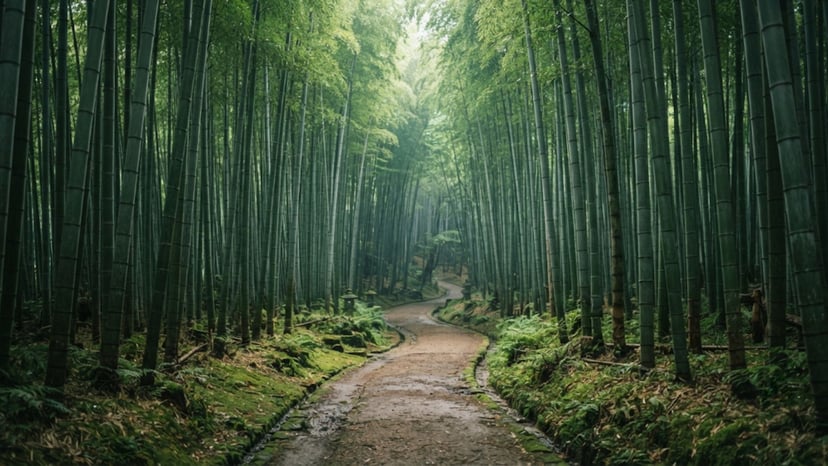
Step into nature: The narrow, winding paths invite you to slow down and breathe.
Bamboo Forest Near Tokyo: Why Hokokuji Is Worth the Trip
For visitors staying in the capital, finding a Tokyo bamboo forest that offers both nature and cultural experiences can be difficult. Hokokuji Temple solves this perfectly. Located in Kamakura, the temple can easily be visited as a half-day or full-day excursion from Tokyo. The peaceful atmosphere, manageable size, and beautiful bamboo scenery make it one of the best options for travellers looking for a bamboo forest near Tokyo.
Zen Garden Atmosphere
The grove reflects the principles of Zen Buddhism, offering a meditative environment that encourages mindfulness and relaxation. Its quiet surroundings and natural beauty create a tranquil escape, making it an ideal place for reflection and spiritual connection.
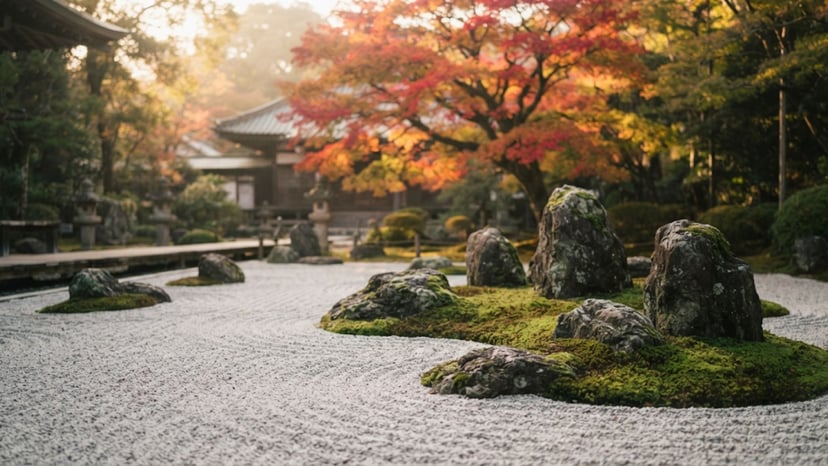
Find your inner calm: The temple's historic Zen gardens are designed for reflection and peace.
Photography and Scenic Views
The bamboo grove offers excellent photography opportunities, with symmetrical bamboo lines and natural light creating stunning visuals. Early morning is the best time for photography, as soft lighting and fewer crowds enhance the experience and allow for clearer, more peaceful shots.
Hokokuji Temple Tea House Experience
The tea house at Hokokuji Temple offers a peaceful setting within the bamboo grove, creating a unique cultural experience. Surrounded by nature, visitors can relax and enjoy traditional Japanese tea while taking in the tranquil atmosphere. This combination of scenery and culture makes it one of the most memorable highlights of visiting the bamboo forest.
During our private Kamakura tours, Hokokuji Temple is one of the stops travellers often describe as the most peaceful place they visit near Tokyo. Many guests spend longer than expected in the bamboo grove simply enjoying the quiet atmosphere before relaxing with matcha tea.
Matcha Tea Experience
Surrounded by the gentle rustling of bamboo, the temple's tea house offers more than just a drink; it is an immersive Zen experience. Visitors are served freshly whisked, premium-grade matcha alongside traditional higashi (dry Japanese sweets) to balance the tea’s natural bitterness.
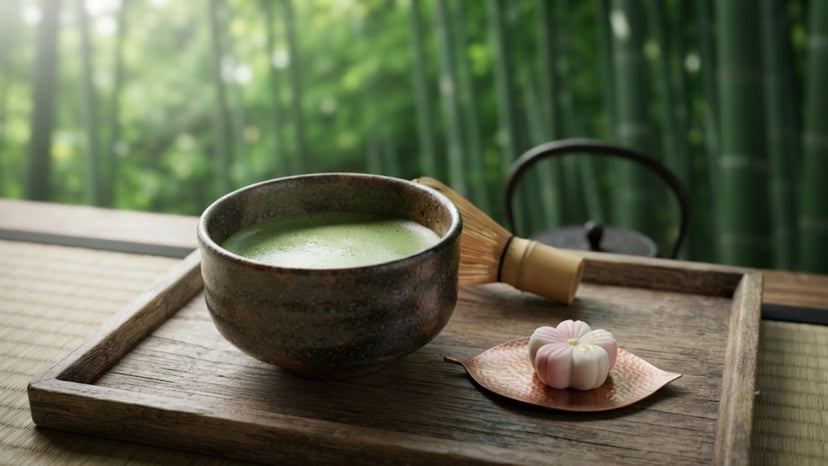
The ultimate ritual: Premium Uji matcha served with traditional Japanese sweets in the heart of the forest.
Tea House Quick Facts
| Feature | Details |
| Price | ¥600 (includes Matcha & Sweet) |
| Approx. Duration | 15–20 minutes |
| Payment Method | Cash Only |
| Waiting Time | 5–15 minutes (varies by crowd) |
| Photography | Allowed (please be respectful of other guests) |
| Tea Quality | Premium Uji Matcha (high-grade) |
What to Expect
-
The Sweets: You will be served a rakugan, a delicate, traditional dry sweet made from refined sugar and rice flour. Its light sweetness perfectly complements the deep, earthy profile of the matcha.
-
The Setting: The tea house is an open-air wooden structure that faces the bamboo grove directly. There are no walls separating you from the forest, allowing you to hear the wind in the stalks while you sip.
-
Etiquette & Tips:
-
Cash is King: Ensure you have enough Japanese yen coins or bills, as cards are not accepted at the tea counter.
-
Peak Hours: If you visit on a weekend, expect a short queue. We recommend visiting before 11:00 AM to secure a seat with the best view of the grove.
-
Photography: You are welcome to take photos of your tea and the bamboo, but avoid taking close-up photos of other visitors or the staff.
-
Traditional Japanese Tea Culture
The tea experience reflects elements of the Japanese tea ceremony, emphasising mindfulness, simplicity, and respect. This cultural practice highlights the deeper meaning of tea in Japanese society, turning a simple drink into a meaningful ritual.
Tea House Tips
Visit the tea house in the morning for a quieter experience and better seating. Follow etiquette such as speaking softly and respecting the peaceful environment. Taking your time allows you to fully enjoy the atmosphere and the cultural significance of the experience.
Hokokuji Temple Opening Hours and Entrance Fee
Planning your visit to Hokokuji Temple requires understanding its opening hours and entrance fees. The temple is accessible year-round and offers affordable entry, making it an easy addition to any Kamakura itinerary.
Entry Fee Details
The Kamakura bamboo forest entrance fee is relatively low, with an additional fee for the tea house experience. Visitors pay separately for matcha tea, allowing flexibility depending on their preferences and budget.
|
Category |
Details |
|
Temple Entry |
Adults: ¥400 |
|
Bamboo Grove |
Included |
|
Matcha Tea |
Extra charge |
|
Best Option |
Visit early and include tea |
Hokokuji Temple: Official Timing & Info
-
Opening Hours: 9:00 AM – 4:00 PM (Daily)
-
Matcha Tea Reception: Closes at 3:30 PM (Last order)
-
Closed Dates: December 29th – January 3rd (Year-end/New Year holidays)
-
Official Website Reference: https://houkokuji.or.jp/
Best Time of Day to Visit
Morning is the best time to visit for fewer crowds and a more peaceful experience. Afternoons can be busier, especially on weekends. Arriving early helps you enjoy the bamboo grove and tea house in a calm and relaxed setting.
Best Time to Visit Hokokuji Bamboo Forest
The best time to visit Hokokuji Temple depends on the season, weather, and crowd levels. This peaceful bamboo forest offers a unique experience throughout the year, but timing your visit carefully can enhance the tranquillity and overall atmosphere. Choosing the right season and time of day ensures a more enjoyable and immersive experience in this serene setting.
Seasonal Highlights
Spring brings fresh greenery and mild weather, while autumn offers beautiful foliage around the bamboo grove. These seasons enhance the natural beauty of Hokokuji Temple, making them ideal for photography and sightseeing. Each season adds a different charm to the bamboo forest experience.
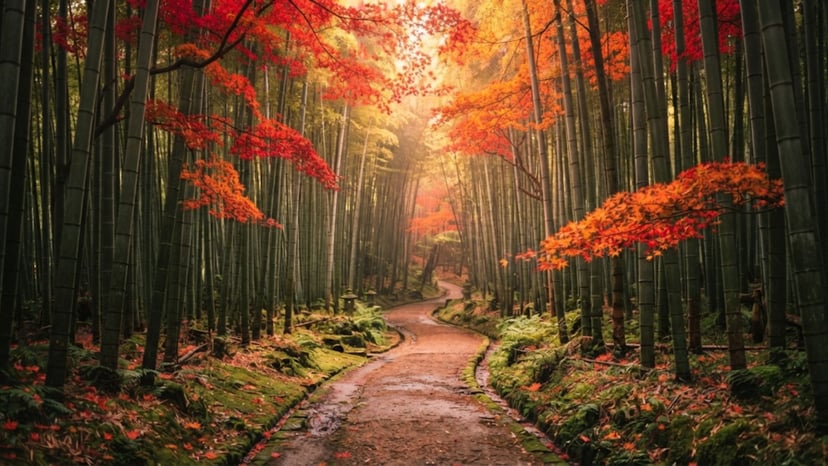
Changing seasons: The bamboo forest takes on a magical feel when framed by vibrant autumn colors.
Weather and Crowd Tips
Clear, dry days are best for visiting, as they provide better lighting and comfortable walking conditions. Weekdays are generally less crowded than weekends, allowing for a more relaxed visit. Avoid peak tourist seasons if you prefer a quieter experience.
Peaceful Experience Tips
To fully enjoy the tranquillity, visit early in the morning when crowds are minimal. Avoid midday hours when tour groups arrive. Taking your time and exploring slowly helps you experience the calming and meditative atmosphere of the bamboo grove.
How to Visit Hokokuji Temple
Reaching Hokokuji Temple is easy with well-connected transport from Tokyo. Located in Kamakura, the temple is accessible by train and short local transport. Its convenient location makes it a popular stop on a Kamakura day trip, allowing visitors to combine cultural sightseeing with a peaceful bamboo forest experience.
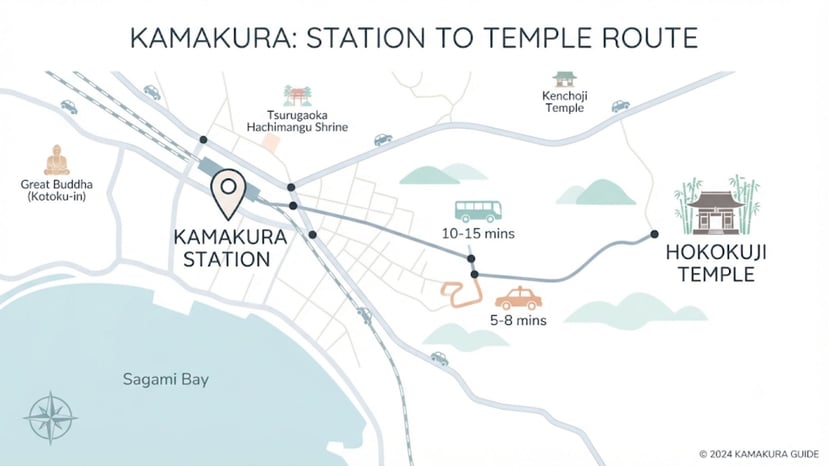
Getting there is simple: choose from a scenic bus ride or a quick taxi to reach the peaceful bamboo forest.
Access from Tokyo
From Tokyo, take the JR Yokosuka Line directly to Kamakura. The journey takes about one hour, making it a convenient and scenic route for travellers visiting from the city.
From Kamakura Station
From Kamakura Station, visitors can take a local bus or taxi to Hokokuji Temple. The ride is short and straightforward, with buses being a budget-friendly option and taxis offering faster access.
Travel Tips for Visitors
Plan your route in advance and check train and bus schedules for smooth travel. Using navigation apps can help you find the quickest route. Visiting early in the day ensures easier transport and a more relaxed experience.
Things to Do in Kamakura Bamboo Forest Area
The area around Hokokuji Temple offers more than just the bamboo grove. Visitors can explore historic temples, cultural sites, and scenic spots, making Kamakura a rich destination for cultural and nature experiences.
Temple Exploration
Explore the peaceful grounds of Hokokuji Temple, including its Zen garden and bamboo grove. The temple’s calm atmosphere makes it ideal for quiet walks and reflection, offering a deeper connection to nature and Japanese spiritual traditions.
Nearby Attractions
Nearby attractions include Hasedera Temple, known for its beautiful gardens, and Tsurugaoka Hachimangu Shrine, a major cultural landmark. These sites add variety to your Kamakura itinerary.
Cultural Experiences
Visitors can enjoy temple hopping, exploring multiple historic sites in one trip. Experiencing local culture, traditional architecture, and spiritual practices makes Kamakura a meaningful and immersive travel destination.
Hokokuji Bamboo Forest Itinerary
Planning an itinerary around Hokokuji Temple helps you make the most of your visit to Kamakura. Whether you have a few hours or a full day, the bamboo forest can be easily combined with nearby temples and cultural sites. Its compact layout allows for flexible planning, making it ideal for both short visits and detailed exploration.
Half-Day Itinerary
A half-day itinerary includes visiting the bamboo grove, exploring the temple grounds, and enjoying a matcha tea break. This quick visit allows you to experience the highlights without rushing. It’s perfect for travellers with limited time or those including Kamakura as part of a larger Tokyo trip.
Kamakura Day Trip Plan
A full-day plan can combine Hokokuji Temple with nearby attractions like Hasedera Temple and Tsurugaoka Hachimangu Shrine. This creates a well-rounded itinerary featuring nature, culture, and history.
Guided and Private Tour Options
Guided walking tours and private tours offer structured experiences with local insights. These options are ideal for visitors who want deeper knowledge about Kamakura’s history and culture while enjoying a hassle-free itinerary.
Hokokuji Bamboo Forest Photography Tips
Hokokuji Temple is a top destination for photography, offering unique compositions within its bamboo grove. Capturing the right angles, lighting, and perspectives can greatly enhance your photos and highlight the natural beauty of this serene location.
Best Photography Spots
The bamboo paths inside Hokokuji Temple are the best spots for photography. Tall bamboo stalks create natural lines and symmetry, offering visually striking compositions. These paths provide multiple angles for capturing the depth and beauty of the grove.
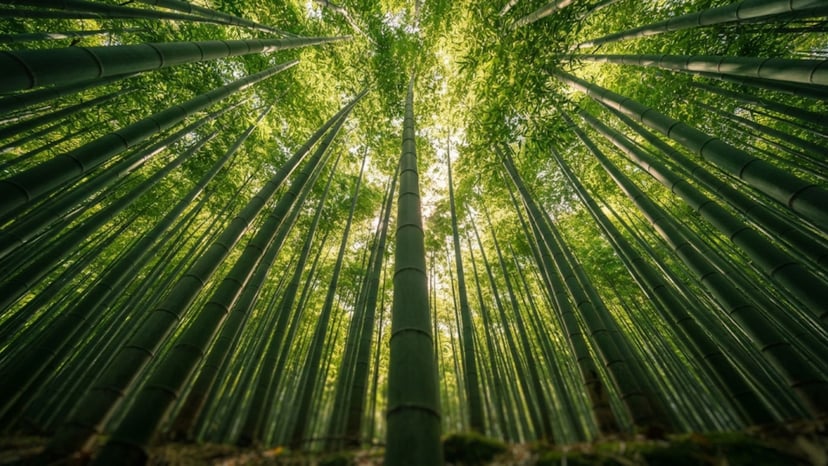
Capture the symmetry: The tall bamboo stalks offer endless opportunities for stunning, vertical photography.
Lighting and Timing Tips
Morning light is ideal for photography, as it provides soft illumination and fewer crowds. Early visits help you capture clean shots without distractions and enhance the natural colours of the bamboo forest.
Composition Ideas
Focus on symmetry, depth, and leading lines created by the bamboo stalks. Framing shots with pathways or using vertical angles can add a strong visual impact. Experimenting with different perspectives helps create unique and memorable images.
Hokokuji Temple Travel Tips
Visiting Hokokuji Temple becomes more enjoyable with proper planning. Understanding etiquette, navigation, and time management helps ensure a smooth and respectful experience while exploring this peaceful bamboo forest.
Temple Etiquette
Respectful behaviour is essential when visiting Hokokuji Temple. Speak quietly, avoid touching sacred areas, and follow local customs. Maintaining a calm and respectful attitude enhances your experience and preserves the temple’s peaceful environment.
Walking and Navigation Tips
Wear comfortable shoes, as you will be walking through temple paths and surrounding areas. Use maps or navigation apps to move efficiently between locations. Planning your route in advance helps save time and avoid confusion.
Planning Your Visit Efficiently
Arrive early, prioritise key spots like the bamboo grove and tea house, and allocate enough time for each activity. Efficient planning ensures you can fully enjoy the experience without feeling rushed.
Is it worth visiting
|
Option |
Experience |
Time Required |
Comfort Level |
|
Self-visit |
Peaceful nature experience |
1-2 |
Moderate |
|
Guided tour |
Cultural + historical insight |
Half-day |
Easy |
|
Provided tour |
Relaxed and premium visit |
Half-day |
High |
Is Hokokuji Bamboo Forest Worth Visiting?
Is Hokokuji Bamboo Forest worth the trip from Tokyo? If you are looking for a tranquil Zen experience away from the heavy tourist crowds of major landmarks, the answer is a resounding yes. Here is a quick breakdown to help you decide:
| Pros (Why you'll love it) | Cons (Things to consider) |
| ✅ Peaceful Atmosphere: A quiet escape from Tokyo's rush. | ❌ Compact Size: The bamboo grove is smaller than Kyoto’s. |
| ✅ Easy Accessibility: Only ~1 hour from Tokyo. | ❌ Extra Cost: The tea house experience is an additional fee. |
| ✅ Premium Matcha: High-grade Uji tea with views. | ❌ No Night Illumination: It closes at 4:00 PM. |
| ✅ Authentic Zen: Less crowded than Arashiyama. | ❌ Crowd Fluctuations: Can get busy on weekends. |
Conclusion
Hokokuji Temple offers a serene blend of nature, culture, and spirituality through its iconic bamboo grove. From peaceful walking paths to the traditional matcha tea experience, it provides a deeply calming and authentic Japanese experience. As a symbol of Zen Buddhism and Kamakura’s heritage, it stands out as a must-visit destination near Tokyo for travellers seeking tranquillity and cultural depth.