

Introduction to Hase Dera Temple
Hasedera Temple, Kamakura, is one of the most scenic and spiritually significant Buddhist temples in Kamakura, known for its coastal views, hydrangea gardens, and serene atmosphere. Unlike Hasedera Temple, Nara, which is larger and historically older, Kamakura’s Hasedera offers a more intimate, nature-focused experience. Its blend of culture, architecture, and panoramic views makes it a top Buddhist temple in Kamakura.
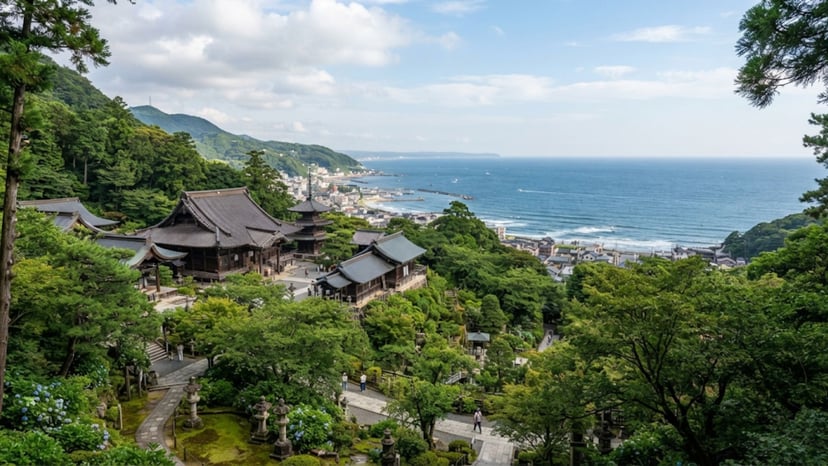
The scenic coastal view overlooking Sagami Bay from Hasedera Temple.
At a Glance: Visitor Information
| Feature | Details |
| Admission Fee | ¥400 (Adults) / ¥200 (Children ages 6–11) |
| Opening Hours (Apr–Jun) | 8:00 AM – 5:30 PM (Last entry 5:00 PM) |
| Opening Hours (Jul–Mar) | 8:00 AM – 5:00 PM (Last entry 4:30 PM) |
| Best Time to Visit | Early morning (to avoid crowds) |
| Primary Attraction | Eleven-headed Kannon Statue |
| Official Website | Hasedera Temple Official |
Why Is Hasedera Temple Also Called Hase-Dera?
Hasedera Temple is often written as "Hase-Dera" because the Japanese word "dera" means "temple". Therefore, Hase-Dera and Hasedera Temple refer to the same Buddhist temple located in Kamakura. Many travel guides and maps use both spellings interchangeably, which is why visitors frequently search using both names.
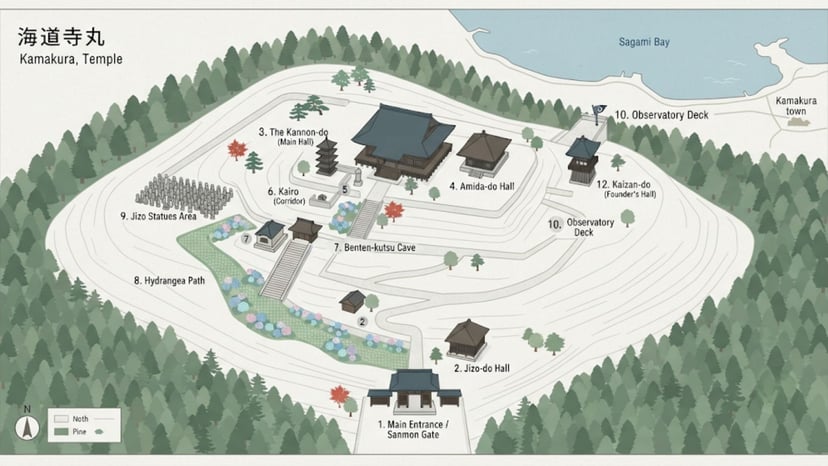
Map of the temple grounds and key highlights near Hase Station.
Why Is Hasedera Temple Famous?
Hasedera Temple is famous for its eleven-headed Kannon statue, seasonal hydrangea gardens, panoramic views over Sagami Bay, and peaceful temple atmosphere. It is also known for its collection of Jizo statues and its unique Benzaiten Cave. The combination of spirituality, nature, and coastal scenery makes Hasedera one of the most distinctive temples in Kamakura.
Hasedera Temple History and Significance
Hasedera Temple, Kamakura, holds deep historical and spiritual importance as one of the oldest Buddhist temples in the region. Established centuries ago, it reflects the evolution of Japanese Buddhism and cultural traditions. The temple is closely associated with the revered Kannon Bodhisattva statue, symbolising compassion and devotion. Its legacy, architecture, and role in pilgrimage make it a key site in Japan’s cultural and spiritual heritage.
Origins and Historical Background
Hasedera Temple, Kamakura, dates back to the 8th century, with origins linked to early Japanese Buddhism and temple-building traditions. According to legend, it was established to house a sacred statue carved from a camphor tree. Over time, it became an important spiritual site during the Kamakura period, reflecting the growth of Buddhist practices and serving as a place of worship and pilgrimage.
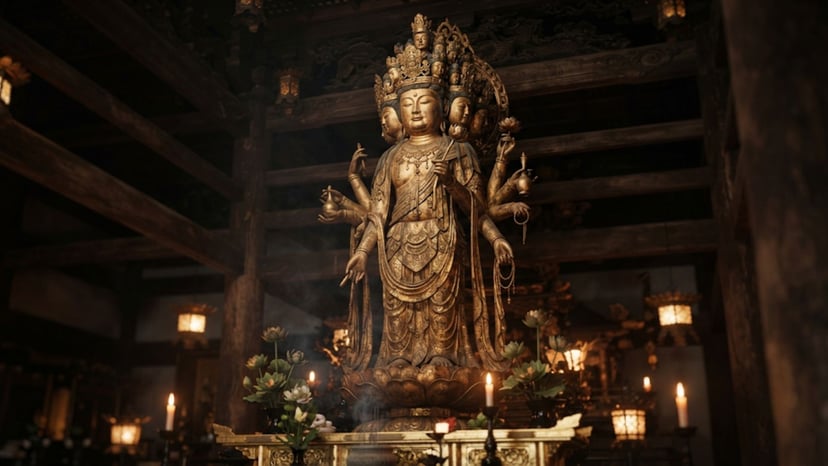
The revered eleven-headed Kannon statue is a highlight of the temple.
Kannon Bodhisattva Statue
The temple is famous for its revered Kannon Bodhisattva statue, one of the tallest wooden statues in Japan. This statue represents compassion and mercy in Buddhist belief, attracting worshippers seeking blessings and guidance. Its intricate craftsmanship and spiritual symbolism make it a central highlight of Hasedera, offering visitors a deeper connection to Japanese religious traditions and cultural heritage.
Religious and Cultural Importance
Hasedera plays a key role in Japanese Kannon worship, drawing pilgrims and visitors interested in spiritual travel Japan experiences. The temple reflects deep-rooted Buddhist values, offering a peaceful retreat for reflection and prayer. Its cultural importance extends beyond religion, representing Japan’s historical devotion, artistic expression, and preservation of sacred traditions within one of Kamakura’s most iconic heritage sites.
Things to Do at Hasedera Temple
| Activity | Estimated Time | Highlights |
| Hydrangea Path | 30–45 mins | Seasonal blooms |
| Benzaiten Cave | 15 mins | Mystical carvings |
| Observatory Deck | 15 mins | Coastal views |
| Temple Gardens | 30 mins | Jizo statues |
How Much Time Do You Need at Hasedera Temple?
| Option | Experience | Time | Comfort |
| Self-visit | Itinerary Planning | 1–2 hours | Moderate |
| Guided tour | Guided Tours | 3–5 hours | Easy |
| Private tour | Private Options | Half-day | High |
Explore the Hydrangea Path
The famous Hydrangea Path is one of the highlights of visiting Hasedera Temple, especially during the Hasedera hydrangea season in early summer. This scenic walking path is lined with vibrant hydrangea flowers, creating a colourful and serene atmosphere. It attracts photographers and nature lovers, offering a unique blend of seasonal beauty and spiritual surroundings within one of Kamakura’s most picturesque temple landscapes.
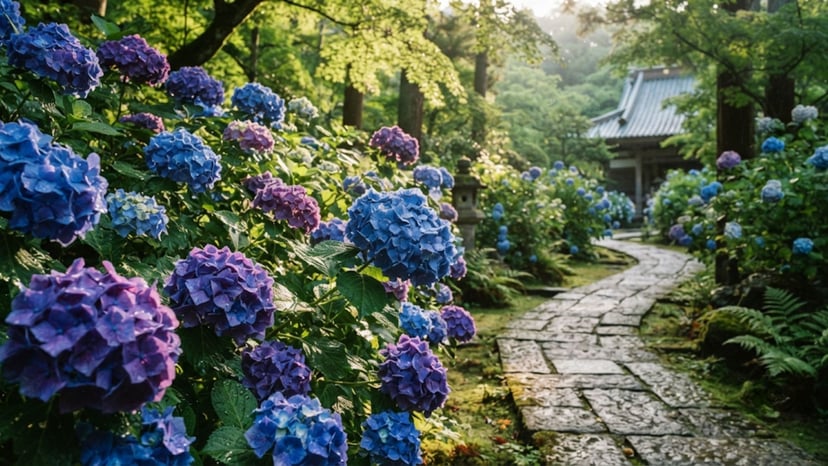
The stunning Hydrangea Path is best visited during early summer.
Visit Benzaiten Cave
Exploring the Benzaiten Cave offers a unique temple cave exploration experience within Hasedera. This small, dimly lit cave is dedicated to Benzaiten, the goddess of fortune and wisdom, and features intricate carvings and statues. Walking through the cave adds a mystical dimension to your visit, combining spiritual symbolism with a sense of discovery rarely found in traditional temple settings.
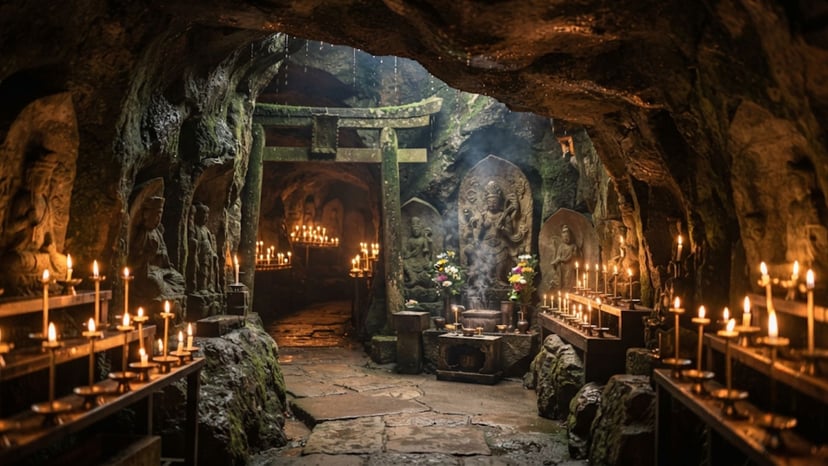
The mysterious and spiritual Benzaiten Cave, dedicated to the goddess of fortune.
See Jizo Statues and gardens.
Hasedera is well known for its collection of Jizo statues, which represent protectors of children and travelers in Japanese Buddhism. These small statues are beautifully arranged throughout the temple grounds, surrounded by traditional temple gardens. The peaceful setting, combined with detailed landscaping and seasonal flowers, creates a calming environment that reflects the essence of Japanese cultural heritage and spiritual harmony.
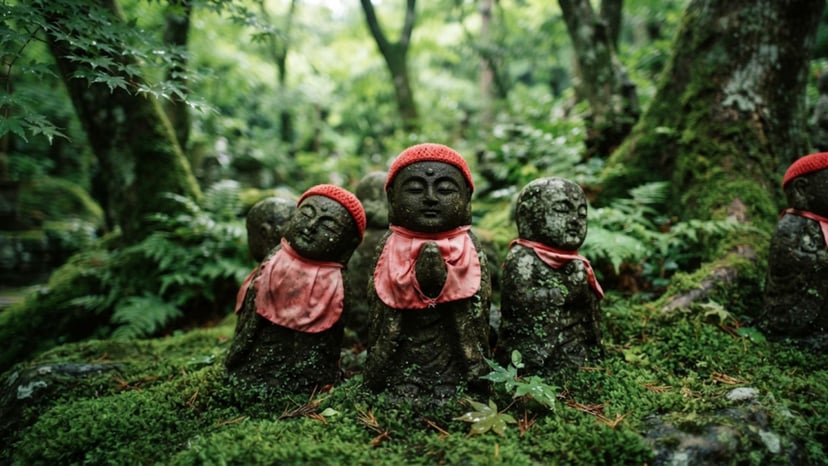
Peaceful Jizo statues are found throughout the temple’s traditional gardens.
Enjoy Observatory Deck Views
The Hasedera Observatory deck provides breathtaking panoramic views of Sagami Bay and the surrounding coastal landscape. This elevated viewpoint allows visitors to appreciate Kamakura’s natural beauty from above, making it a popular spot for photography and relaxation. The combination of sea views, temple architecture, and peaceful surroundings enhances the overall Hasedera temple experience in Japan.
How to Visit Hasedera Kamakura
Visiting Hasedera Temple in Kamakura is simple and convenient, making it ideal for a day trip from Tokyo. With efficient train connections and well-marked routes, travelers can easily reach the temple. Whether you choose public transport or guided tours, planning ahead ensures a smooth journey. Its accessibility and proximity to other attractions make it a key stop in any Kamakura temple itinerary.
Access by Train
The easiest way to reach Hasedera Temple, Kamakura, is via the Enoden Line, a scenic local train route. Get off at Hase Station, Kamakura, which is just a short walk from the temple. This route is popular for its coastal views and convenience, making it ideal for first-time visitors exploring Kamakura’s cultural attractions.
Day Trip to Kamakura from Tokyo
A day trip to Kamakura from Tokyo is quick and efficient, typically taking about one hour. Take the JR Yokosuka Line to Kamakura Station, then transfer to the Enoden Line. This route is reliable and well-connected, making it perfect for travelers planning to visit multiple temples, including Hasedera, within a single-day itinerary.
Guided and Private Tour Options
Booking a guided tour of Kamakura temples, the Hasedera experience, or a private tour from Tokyo offers added convenience and insights. These tours include transportation, expert guides, and structured itineraries covering key attractions. They are ideal for travelers who prefer a stress-free experience while gaining deeper knowledge of Kamakura’s history, culture, and religious significance.
Hasedera Temple Opening Hours and Entrance Fee
| Season | Daily Hours | Last Admission |
| April – June | 8:00 AM – 5:30 PM | 5:00 PM |
| July – March | 8:00 AM – 5:00 PM | 4:30 PM |
For the most up-to-date information, including potential closures for special ceremonies, please refer to the Hasedera Temple Official Admission & Access Page.
Entry Fee Details
| Ticket Type | Price | Notes |
| General Admission (Adult) | ¥400 | Includes temple grounds, gardens, and lookout deck. |
| General Admission (Child) | ¥200 | Ages 6–11. |
| Hydrangea Path Ticket | +¥500 | Required during peak June season; usually booked online. |
| Kannon Museum | ¥500 | Separate entry fee required for museum access. |
Do You Need Tickets for Hasedera Temple?
Yes. Visitors need an admission ticket to enter Hasedera Temple, Kamakura. General admission is approximately ¥400 for adults, while additional charges may apply during the famous hydrangea season due to crowd management measures. Most areas of the temple, including the gardens, observatory deck, Jizo statues, and temple grounds, are included in the standard entrance ticket. Because ticket prices and seasonal policies can occasionally change, checking the official Hasedera Temple website before visiting is recommended.
Opening Hours Information
Hasedera Temple, Kamakura, generally opens at approximately 8:00 AM and closes at around 5:00 PM. Last admission is usually permitted shortly before closing time. Seasonal adjustments and special events may occasionally affect operating hours. During the hydrangea season, visitor numbers increase significantly, and temporary entry controls may be introduced. Checking official announcements before your visit is always recommended.
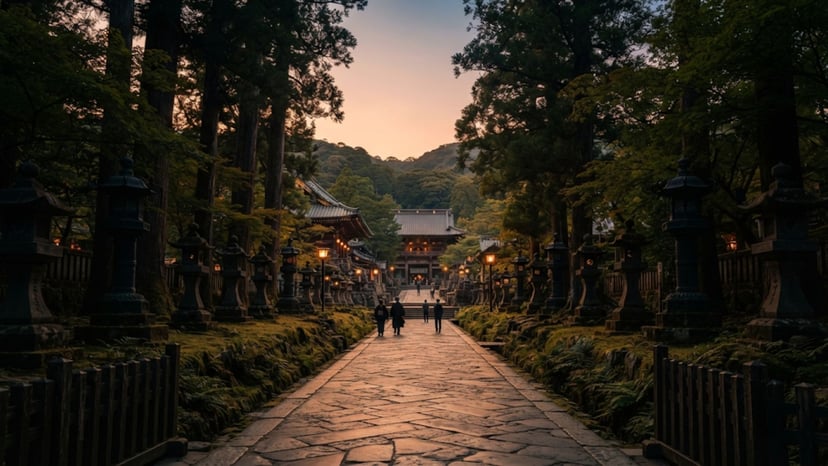
Experiencing the peaceful, serene atmosphere of the temple at dusk.
Best Time to Visit Hasedera Temple
| Category | Recommended Timing | Why? |
| Best Time of Day | 8:00 AM – 9:00 AM | Beat the crowds, enjoy the best light for photography, and find peace at the Kannon Hall. |
| Peak Crowd Window | 11:00 AM – 2:00 PM | Heaviest traffic, especially during weekends and the June hydrangea season. |
| Best Seasonal Window | Spring (Apr) & Autumn (Nov) | Ideal weather, cherry blossoms in spring, and vibrant foliage in late autumn. |
| Hydrangea Season | Mid-June – Early July | Peak bloom for the temple's famous Hydrangea Path (requires seasonal timing). |
Hydrangea Season Highlights
The Hasedera hydrangea season, typically in June, is one of the most popular times to visit. The temple’s famous Hydrangea Path transforms into a vibrant display of seasonal flowers, attracting visitors and photographers. This hydrangea garden Kamakura experience offers stunning views combined with a serene temple setting, making it a highlight of Japan’s seasonal flower attractions.

Spring and Autumn Beauty
Spring brings seasonal cherry blossoms Japan's visitors admire, creating a soft and scenic atmosphere around Hasedera Temple. In autumn, vibrant foliage enhances the temple’s gardens and pathways. These seasons provide ideal weather and beautiful landscapes, making them perfect for photography, walking tours, and enjoying the natural beauty of Kamakura’s cultural heritage sites.
Weather and Crowd Considerations
Weather plays a key role in planning your visit to Hasedera Temple. Summer can be hot and crowded, while winter offers fewer tourists and a peaceful environment. Weekdays are generally quieter than weekends. Visiting early in the day helps avoid peak crowds, ensuring a more comfortable and immersive experience while exploring this popular Buddhist temple in Kamakura.
Hasedera Temple Experience, Japan
Hasedera Temple, Kamakura, offers a complete Japanese cultural experience combining spirituality, nature, and architecture. Visitors can enjoy peaceful surroundings, participate in traditional rituals, and explore scenic viewpoints overlooking the coast. This temple reflects Japan’s rich heritage and provides a serene environment, making it a must-visit destination for those seeking a spiritual retreat and authentic cultural immersion.
Serene Temple Atmosphere
Hasedera Temple is known for its serene temple atmosphere, offering a peaceful escape from busy city life. Surrounded by greenery and coastal views, it provides a calming environment ideal for reflection and relaxation. This spiritual retreat Japan experience allows visitors to connect with nature and tradition while enjoying quiet walking paths and beautifully maintained temple grounds.
Cultural Activities and Rituals
Visitors can engage in traditional cultural activities at Hasedera Temple, including Japanese incense rituals and drawing Omikuji fortune slips. Collecting temple goshuin stamps is also popular among travelers. These practices offer a deeper understanding of Japanese spiritual customs, making the visit more interactive and meaningful beyond simple sightseeing.
Architecture and Scenic Beauty
Hasedera Temple showcases traditional wooden temple architecture combined with stunning coastal temple scenery. The structures blend harmoniously with the natural landscape, offering panoramic views of the sea and surrounding hills. This balance of design and nature highlights Japan’s architectural elegance and enhances the overall cultural experience, making it a visually and spiritually enriching destination.
Hasedera Temple Itinerary, Kamakura
Planning a Hasedera Temple itinerary in Kamakura helps maximise your visit to Hasedera Temple in Kamakura and nearby attractions. A well-structured route allows you to explore temple walking paths, coastal scenery, and cultural landmarks efficiently. This itinerary is ideal for day trips, combining spiritual sites with local experiences. With proper timing and navigation, visitors can enjoy a smooth and enriching journey through Kamakura’s historic and scenic highlights.
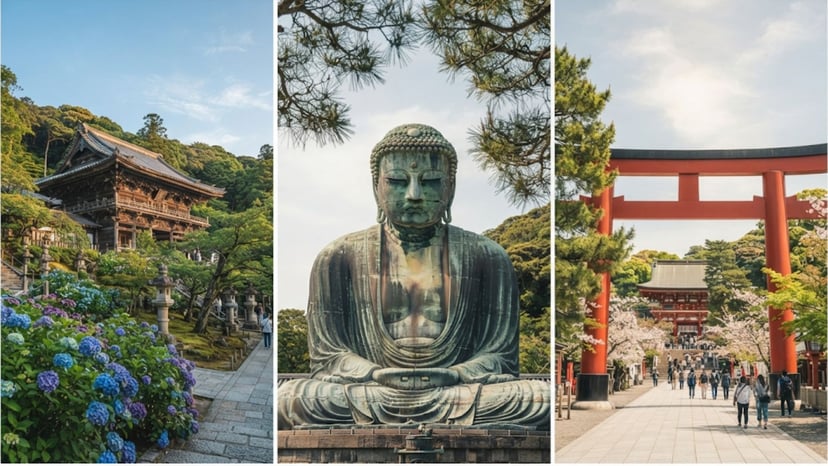
A visual guide comparing Hasedera Temple with other major Kamakura landmarks.
Walking Route Plan
Start your visit by following the temple walking paths Kamakura offers within Hasedera Temple, Kamakura. These paths guide visitors through gardens, caves, and scenic viewpoints in a logical sequence. Efficient navigation ensures you cover all key areas without backtracking. The route is well-marked, making it easy for first-time visitors to explore comfortably while enjoying the serene temple atmosphere.
Add Cultural Stops
Include cultural stops like Komachi Street, known for local shopping and street food. Visitors can also enjoy a traditional matcha tea experience at nearby cafes, adding a unique cultural element to the trip. These stops provide insight into local lifestyle and cuisine, enhancing your overall Kamakura travel experience beyond temple visits.
How Long Should You Spend at Hasedera Temple?
Most visitors spend between one and two hours exploring Hasedera Temple. Travelers interested in photography, seasonal flowers, or spiritual experiences often spend closer to three hours. If combined with nearby attractions such as Kotoku-in and Komachi Street, Hasedera can easily become part of a half-day Kamakura itinerary.
Nearby Attractions to Hasedera Temple
Hasedera Temple, Kamakura, is surrounded by diverse attractions, making it easy to extend your visit. From historic temples and shrines to scenic coastal spots, Kamakura offers a variety of experiences. Exploring nearby locations allows travelers to deepen their understanding of Japanese culture while enjoying nature and hidden gems within a compact and accessible area.
Include:
-
Kotoku-in Great Buddha: 5 minutes away.
-
Yuigahama Beach: Perfect for a stroll.
-
Komachi Street: Best for street food.
-
Tsurugaoka Hachimangu: The city's main shrine.
-
Kencho-ji Temple: Zen centre.
-
Engaku-ji Temple: Historic site.
Temples and Shrines Nearby
Kamakura is home to several important religious sites near Hasedera, including Tsurugaoka Hachimangu Shrine, Kencho-ji Temple, and Engaku-ji Temple. These temples offer unique architectural styles and spiritual experiences. Visiting them together creates a comprehensive understanding of Kamakura’s religious heritage and Zen Buddhist traditions.
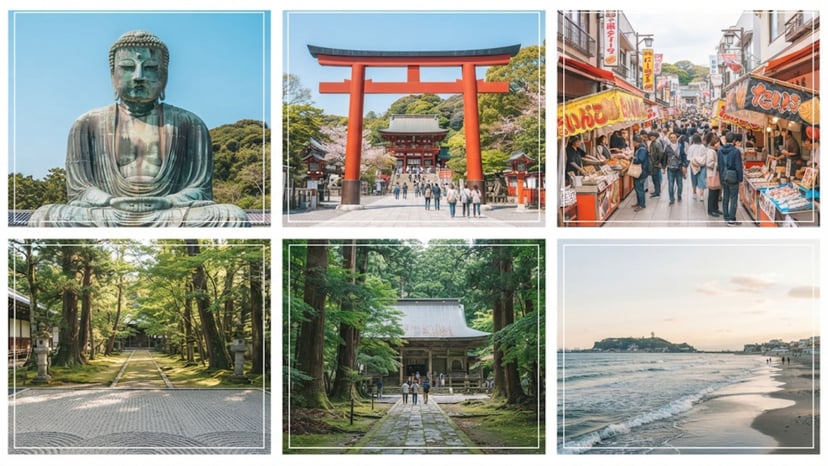
A guide to Kamakura’s must-visit landmarks, from historic Zen temples to the iconic Great Buddha.
Hidden Gems in Kamakura
Beyond popular attractions, Kamakura features lesser-known spots that offer unique cultural exploration opportunities. Quiet temples, local neighbourhoods, and small shrines provide a more authentic experience. Discovering these hidden gems allows visitors to avoid crowds and enjoy a deeper connection with Kamakura’s traditional charm and local lifestyle.
Hasedera Temple Photography Tips
Capturing the beauty of Hasedera Temple, Kamakura, requires thoughtful planning and timing. From seasonal flowers to coastal views, the temple offers diverse photography opportunities. Understanding lighting, composition, and timing helps create visually stunning images. These tips will help both beginners and experienced photographers capture the essence of this iconic Japanese temple.
Best Photography Spots
The Hydrangea Path and the Hasedera Observatory deck are among the best photography spots in Hasedera Temple. These locations provide vibrant floral scenes and panoramic coastal views. Capturing both wide-angle landscapes and detailed close-ups enhances your photography, making your images more dynamic and visually appealing.
Lighting and Timing Tips
Lighting plays a crucial role in photography at Hasedera Temple. Early morning and golden hour provide soft, natural light ideal for capturing details and landscapes. Avoid harsh midday sunlight, which can reduce image quality. Visiting during these optimal times helps create balanced, high-quality photos with better colour and contrast.
Seasonal Photography Ideas
Seasonal changes offer unique photography opportunities at Hasedera Temple. Hydrangeas in summer, cherry blossoms in spring, and autumn foliage create vibrant scenes. Coastal views combined with seasonal flowers add depth to images. Planning your visit according to seasons helps capture diverse and visually striking compositions throughout the year.
Hasedera Temple: Travel Tips Japan
Planning ahead ensures a smooth visit to Hasedera Temple, Kamakura. From understanding cultural etiquette to managing transport and timing, these tips help travelers navigate efficiently. Whether visiting for a day trip or a longer stay, proper preparation enhances comfort and allows you to fully enjoy Kamakura’s cultural and scenic attractions.
Temple Etiquette
Visitors should follow Japanese temple etiquette by maintaining silence, dressing modestly, and respecting sacred areas. Avoid touching statues or restricted zones. Observing these cultural norms enhances your experience and shows respect for local traditions, making your visit more meaningful and culturally appropriate.
Transport and Walking Tips
Use efficient transport options like trains and local lines to reach Hasedera Temple easily. Walking between attractions is common, so wear comfortable shoes. Plan your route in advance to save time and avoid unnecessary travel. These simple steps ensure a smoother and more enjoyable exploration of Kamakura.
Planning Your Visit Efficiently
To make the most of your trip, combine Hasedera Temple with nearby attractions and plan your schedule carefully. Start early, prioritise key sites, and allow time for relaxation. Efficient planning helps cover more locations while maintaining a comfortable pace, ensuring a well-balanced and enjoyable travel experience.
Conclusion
Hasedera Temple, Kamakura, offers a complete blend of natural beauty, cultural heritage, and spiritual depth, making it one of the most memorable temples in Japan. From scenic gardens to sacred traditions, it reflects the essence of Japanese Buddhism. Its peaceful atmosphere, iconic Kannon statue, and coastal views make it a must-visit destination for travelers exploring Kamakura’s cultural and spiritual attractions.