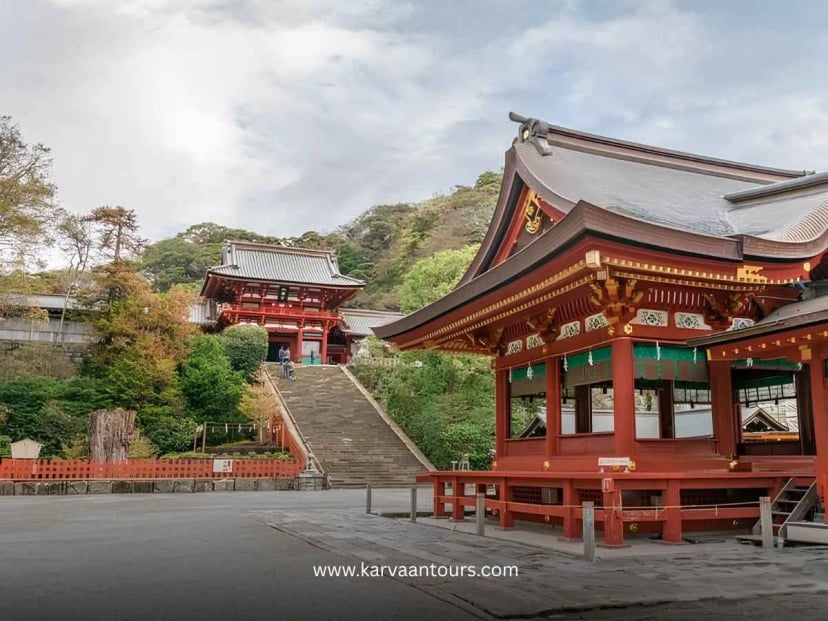
A wide, eye-level shot captures the picturesque Tsurugaoka Hachimangu Shrine complex in Kamakura, Japan, nestled against a lush, forested hillside with autumn foliage.
Travel Tips

Tsurugaoka Hachimangu Shrine Guide: History, Tips and Travel

Introduction to Tsurugaoka Hachimangu
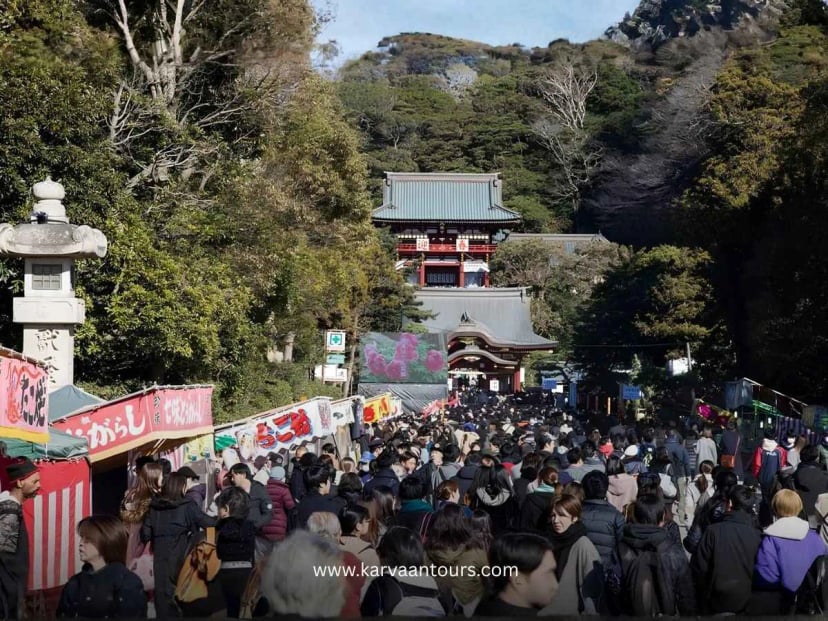
Tsurugaoka Hachimangu is the most significant of Kamakura's Shinto shrines, and among the most significant spiritual sites near Tokyo. It is set in a beautiful, picturesque landscape, with scenic pathways, ponds, and traditional architecture. The shrine is a symbol of Kamakura's history and a testament to Japan's deep samurai tradition and religious beliefs. Its unique method is called the sacred pathway, and visitors can experience the rituals of this approach; it is one of the places worth visiting in Japan for those interested in history and culture, as well as in an authentic spiritual atmosphere. The festival dates, weather, and visitor numbers can change; please check the most up-to-date information before visiting.

Tsurugaoka hachimangu festival crowd market stalls, Kamakura

History and Significance of Tsurugaoka Hachimangu

Tsurugaoka Hachimangu dates back to the samurai era and is closely linked to Minamoto no Yoritomo, founder of the Kamakura Shogunate. Built as a symbol of power and protection, it became the spiritual centre of Kamakura. Dedicated to the deity Hachiman, it represents strength, war, and prosperity. Today, the shrine holds cultural, historical, and religious importance, attracting visitors interested in Japan’s heritage and traditional beliefs.

Origins and Samurai Heritage

The Kamakura Shogunate's founder, Minamoto no Yoritomo, built Tsurugaoka Hachimangu in the 12th century. He selected this as the seat of his government and the place of power and protection for the samurai class. The shrine became strongly associated with warrior culture and became the site of prayers for victory and prosperity. It is an important historical landmark because of its origins, which reflect the intermingling of religion and politics in feudal Japan.

Role in Shinto Religion

Tsurugaoka Hachimangu is devoted to the principles of Shinto, Japan's native religion, which emphasizes nature and ancestral spirits. It is a shrine dedicated to Hachiman, the god of war and protection, and is a place of great spiritual and cultural importance. Traditional rituals, prayers, and offerings are visible to visitors, symbolizing the centuries-old tradition of worship. Its continued role in Shinto practices highlights its importance as a living religious site, preserving Japan’s spiritual traditions for future generations.

Tsurugaoka hachimangu shrine main hall steps kamakura

Cultural and Historical Value

Tsurugaoka Hachimangu is of great cultural and historical significance as a symbol of the Edo-period samurai's heritage. It reflects the emergence of Kamakura as the political heart of Japan and represents traditional architecture, ritual, and beliefs. It is now a place of historical and cultural interest, and a center for spiritual reflection and study.

Tsurugaoka Hachimangu Architecture and Layout

The overall design of Tsurugaoka Hachimangu is inspired by traditional Japanese shrine architecture, incorporating elements of symmetry, symbolism, and natural elements. Its grand entrance and high-level main hall lead the visitor on a significant spiritual journey. The layout of pathways, gates, and ponds provides a balanced integration of architecture and nature in this setting, enhancing the overall experience.

Main Shrine Structure

The main shrine building is on a staircase and features classic Japanese architecture with curved roofs and wooden buildings. This design highlights its spiritual significance and provides a commanding view of the surroundings.

Torii Gates and Pathways

The many Torii Gate structures in the approach leading to the sacred space symbolize the transition from the mundane to the sacred. The Danza kura Path is the primary path, lined with trees and directly leading to the shrine. People take the time to come and enjoy the ponds before going out to the streets around the park. During the daytime hours, the main path is particularly congested.

Ponds and Symbolism

There are two symbolic ponds in the shrine, Genji Pond and Heike Pond. They are considered to be adversarial Japanese clans from the past and are incorporated into the site's design for its cultural significance.

Things to Do at Tsurugaoka Hachimangu Shrine

Tsurugaoka Hachimangu offers a combination of spirituality, culture, and nature for visitors. There's plenty to explore, from walking through its tranquil grounds to joining the traditional rituals. The shrine offers a peaceful retreat from the city's hustle and bustle and a glimpse into Japan's history. It's a place where you can experience both history and nature, and also see the local culture. So it's definitely a place that can be enjoyed by both first-time visitors and those who have returned many times.

Explore Shrine Grounds

Tsurugaoka Hachimangu is a serene and immersive walk through its grounds. It offers visitors the opportunity to wander through the tree-lined streets, cross over bridges, and see the traditional architecture. The design promotes slow-paced exploration, allowing you to enjoy the natural surroundings and a spiritual ambiance. Perfect for a relaxing, introspective stroll to explore one of Kamakura's most recognizable landmarks.

Experience Rituals and Traditions

People can enjoy traditional activities such as buying Omamori Charms for good luck or writing wishes on Ema Wooden Plaques. The ceremonies offer a glimpse into Japanese spiritual practices and offer a wonderful cultural experience.

Visit Nearby Areas

To give the shrine a lively contrast, a trip to Komachi Street is a must. This nearby shopping street has local food, souvenirs and cultural activities which make it your perfect extension of the visit.

Tsurugaoka Hachimangu Festivals and Events

Tsurugaoka Hachimangu boasts many festivals and seasonal activities year-round. The celebrations are a testament to Japan's traditional culture and attract locals and tourists alike. The shrine is a lively cultural center, providing special experiences throughout the year, from New Year ceremonies to seasonal festivities, and showcasing Japan's rich cultural heritage and sense of community.
Tour
Kamakura & Yokohama Full-Day Private Guided Tour

Kamakura & Yokohama Full-Day Private Guided Tour

Pick up & drop off
Duration: 1 Day
Languages: English, Hindi, Japanese
Payment: Online / Pay After Tour / Cash
$ 357.00
Book Now

New Year Hatsumode Festival

One of the most significant festivals of the shrine is the Hatsumode, which is the first time that visitors pray at the shrine in the year. It draws many visitors and generates a festive, spiritual ambiance.

Seasonal Celebrations

The shrine is surrounded by beautiful Cherry Blossom (Sakura) in Spring, and Autumn Foliage (Koyo) in Autumn. The shrine's beauty is further increased with these seasonal changes.

Cultural Performances

Traditional performances and ceremonies are held during festivals, showcasing music, dance, and rituals. These events provide visitors with a deeper understanding of Japanese culture and heritage.

Best Time to Visit Tsurugaoka Hachimangu

The optimal seasons for visiting Tsurugaoka Hachimangu are determined by both the season's beauty and the number of visitors. The seasons are generally good, with special appeal in the spring and autumn when the scenery is beautiful, and at early morning hours for the quieter times. The time of visit is important for a good visual and a comfortable visit. If you want to see cherry blossoms or fall foliage, there's no time like the present to visit the shrine and experience the area's cultural beauty and tranquility.

Cherry Blossom Season

Cherry Blossom (Sakura) is particularly beautiful by the shrine during the spring. The delicate pink flowers form a scenic backdrop and the time is perfect for photographers and sightseers.
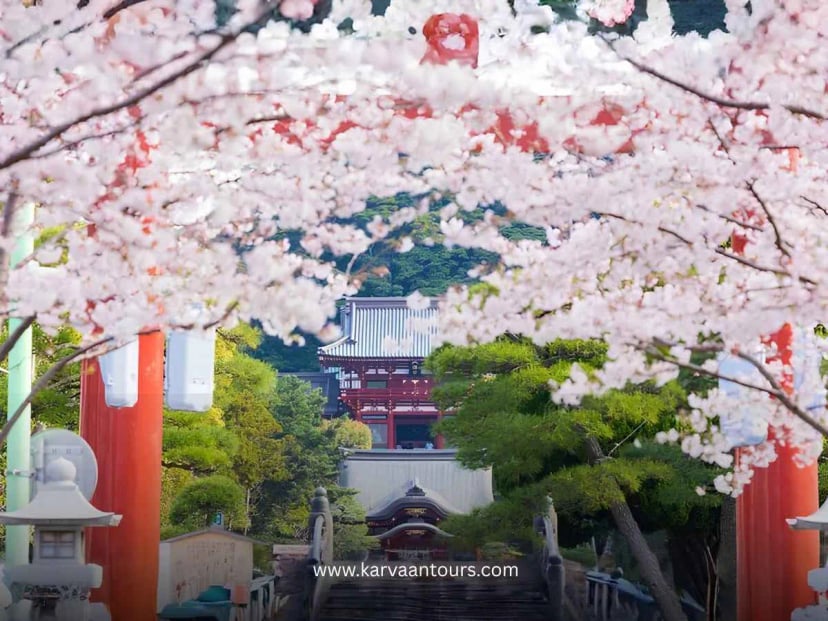
Tsurugaoka hachimangu cherry blossom path torii kamakura

Autumn Foliage Views

The grounds of the shrine are also a beautiful autumn scene (koyo) in the fall. The red and golden leaves add depth and beauty to the traditional surroundings

Crowd and Timing Tips

The shrine can be crowded during peak seasons and weekends. Visiting early in the morning or on weekdays helps avoid large crowds and provides a more peaceful experience.

How to Reach Tsurugaoka Hachimangu

Tsurugaoka Hachimangu is easily accessible due to its close proximity to Tokyo and strong transportation links. The shrine is a popular day trip, as visitors can take a short train ride from Tokyo or Yokohama to Kamakura, from where they may walk to the shrine.

Access from Tokyo

Travelers can reach Kamakura from Tokyo via the JR Yokosuka Line. The journey takes about one hour, offering a direct and efficient route.

From Kamakura Station

To Kamakura, it is possible to go from Tokyo using the JR Yokosuka Line. This is about an hour's drive and is considered a direct route.

Travel Tips

Using maps and following clear signage makes navigation easy. Wearing comfortable shoes and planning your route in advance helps ensure a smooth visit.

Quick Tips for Visiting Tsurugaoka Hachimangu

  • Visit early morning for a peaceful experience
  • Avoid weekends for fewer crowds
  • Wear comfortable walking shoes
  • Respect shrine etiquette and quiet zones
  • Combine with nearby Kamakura attractions

Tsurugaoka Hachimangu Visiting Information

Before visiting Tsurugaoka Hachimangu, it’s helpful to know basic information about hours, facilities, and etiquette. This ensures a smooth and respectful experience while exploring the shrine.

Entrance Fee and Hours

The shrine grounds are generally free to enter, and it is open daily. However, certain areas or events may have specific timings, so checking in advance is recommended.

Facilities and Accessibility

The site offers basic visitor facilities, including rest areas and pathways suitable for walking. Its layout makes it accessible for most visitors, though some steps may be present near the main hall.

Etiquette and Rules

There are expectations for visitors to conduct themselves appropriately at and around the shrines, including quietness, respect for sacred space, and appropriate practices at the shrines. Loud behavior is not acceptable; be mindful of the rules in place to maintain a spiritual atmosphere.

Tsurugaoka Hachimangu Itinerary

Making a trip to Tsurugaoka Hachimangu more efficient with successful planning. The shrine will complete a Kamakura day trip, or spend a few hours. Whether it's a serene stroll around sacred sites or a visit to nearby landmarks, having a plan in place will ensure you get both a spiritual and a sightseeing experience without the rush.

Half-Day Visit Plan

During the half day visit, visitors will get to know the shrine grounds, walk along the main pathway and participate in the traditional rituals. This is a quick itinerary that enables you to see the best of Tsurugaoka Hachimangu and still be able to fit other sights into your travel plans.

Kamakura Day Trip Plan

For a full-day trip, combine the shrine with other key sites in Kamakura. This includes temples, cultural landmarks, and local streets, offering a complete travel experience beyond just the shrine.

Guided and Private Tour Options

Visitors can join Guided Walking Tours for deeper insights into history and culture or choose Private Japan Tours for a personalized itinerary with flexible timing and expert guidance.

Nearby Attractions Around Tsurugaoka Hachimangu

Tsurugaoka Hachimangu is surrounded by some of Kamakura’s most famous attractions, making it easy to explore multiple sites in one trip. From historic temples to scenic nature spots and coastal views, the area offers a diverse range of experiences that complement your visit to the shrine.

Temples and Cultural Sites

Nearby highlights include Hasedera Temple and Great Buddha of Kamakura. These iconic sites provide deeper insight into Japan’s religious and cultural heritage.

Nature and Scenic Spots

The peaceful Hokokuji Bamboo Forest offers a tranquil escape with its serene bamboo pathways, providing a perfect contrast to the shrine’s lively atmosphere.

Coastal and Leisure Areas

For a relaxing experience, visit Shichirigahama Beach. The coastal views and open space make it ideal for unwinding after exploring cultural sites.

Tsurugaoka Hachimangu Photography Tips

Tsurugaoka Hachimangu offers excellent photography opportunities with its traditional architecture and natural surroundings. Capturing the right angles and timing enhances the beauty of your photos, making your visit even more memorable.

Best Photo Spots

The shrine grounds feature stunning spots, including pathways lined with Torii Gate and scenic views of the main hall. These locations provide iconic photo opportunities.

Lighting and Timing

Morning light offers softer tones and fewer crowds, while seasonal changes like cherry blossoms or autumn foliage add vibrant colors. Choosing the right time enhances your photos.

Composition Ideas

Using symmetry along pathways and framing shots with trees or gates helps create visually appealing images. Including depth and leading lines adds a professional touch to your photography.

Tsurugaoka Hachimangu Travel Tips

Visiting Tsurugaoka Hachimangu is easy if you plan it a little. Little things can make a big difference, from planning your visit to understanding cultural norms. The shrine is well-structured and easy to handle. By respecting the traditions and following the few tips below, you can enjoy a respectful visit. These are the tips to take the most out of your time visiting this iconic landmark in Kamakura, whether you're visiting on your own, with friends or family, or on a guided tour.

Planning Your Visit

Schedule your arrival early in the morning to avoid the crowds and hustle and bustle. Weekdays tend to be quieter and spring or autumn are the best times for visits, as they provide the most beautiful scenery.

Cultural Etiquette

Respect shrine customs by staying quiet, bowing at entrances, and following posted guidelines. Avoid disruptive behavior and be mindful of sacred spaces during your visit.

Family and Visitor Tips

The shrine is suitable for families and most visitors, with accessible paths and open spaces. Comfortable walking shoes and basic planning ensure a smooth experience for all ages.

Is Tsurugaoka Hachimangu Worth Visiting

Overall, Tsurugaoka Hachimangu is a must-see destination, offering a fascinating glimpse into the region's history, spirituality, and natural splendor. It is one of the most significant shrines in Kamakura and is not just a place to see, but also a place to experience the culture.

Conclusion

Tsurugaoka Hachimangu is rich in history, culture, and spirituality. It offers a complete cultural experience through its lovely pathways, old architecture, festivals, and rituals. It is one of the most significant shrines in Kamakura and is a top tourist attraction in Japan. A trip to this shrine is a great way to explore Japan's history, whether as a day trip from Tokyo or as part of a longer stay.

FAQs

Q:What is the historical significance of this shrine in Kamakura?
A: Tsurugaoka Hachimangu was established by Minamoto no Yoritomo and served as the spiritual center of the Kamakura Shogunate. It represents samurai power, political authority, and deep religious traditions in Japan.
Q:How long should I spend exploring the shrine area?
A: Most visitors spend around 1–2 hours exploring Tsurugaoka Hachimangu. A longer visit allows time to explore nearby attractions and cultural spots.
Q:Is it worth visiting on a day trip from Tokyo?
A: Yes, Tsurugaoka Hachimangu is perfect for a day trip from Tokyo. It is easily accessible and offers a rich cultural experience within a short travel time.
Q:What are the main highlights inside the shrine complex?
A: Highlights include the main hall, sacred pathways, Genji Pond, Heike Pond, and traditional elements like Torii Gate.
Q:When is the best time to visit for cherry blossoms or autumn colors?
A: Spring offers beautiful Cherry Blossom (Sakura) views, while autumn features vibrant Autumn Foliage (Koyo). These seasons provide the most scenic experience.
Q:Are there any festivals or events held throughout the year?
A: Yes, the shrine hosts events such as the Hatsumode Festival during New Year and various seasonal celebrations, offering a lively cultural experience.
Q:How do I get there from Tokyo using public transport?
A: Travel from Tokyo to Kamakura via the JR Yokosuka Line, then walk from Kamakura Station to the shrine.
Q:Is there an entrance fee or specific visiting hours?
A: The shrine grounds are free to enter and generally open daily. However, certain areas or events may have specific timings, so checking ahead is recommended.
Q:What cultural etiquette should visitors follow at the shrine?
A: Visitors should bow at entrances, remain respectful, avoid loud behavior, and follow shrine customs such as proper conduct during prayers and rituals.
Q:Are guided tours available for a deeper cultural experience?
A: Yes, Guided Walking Tours are available, offering insights into the shrine’s history, rituals, and cultural significance.