

Introduction to Yokohama Chinatown
Imagine walking beneath colourful Chinese gates, the aroma of freshly steamed soup dumplings filling the air while lantern-lined streets lead you toward centuries-old temples. Just 30–45 minutes from Tokyo, Yokohama Chinatown offers one of Japan's best food and cultural experiences in a single afternoon.
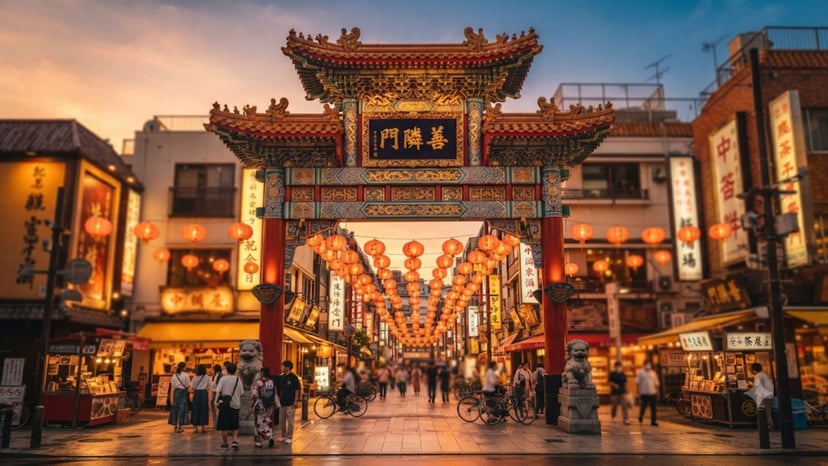
The famous Zenrinmon Gate marks the entrance to Japan’s largest Chinatown.
Yokohama Chinatown is the largest Chinatown in Japan and one of the most vibrant cultural districts in Yokohama. Known for its colourful streets, authentic cuisine, and lively atmosphere, it offers a unique blend of Chinese and Japanese heritage. Visitors can explore temples, food streets, and shopping areas while experiencing a rich cultural fusion. As a top attraction near Tokyo, Yokohama Chinatown is a must-visit destination for food lovers, cultural explorers, and travelers seeking an immersive urban experience. Weekends can get very crowded, especially during lunch and evening hours.
| Feature | Details |
|---|---|
| Location | Yokohama |
| Distance from Tokyo | 30–45 minutes |
| Best For | Food Lovers |
| Time Needed | 3–5 Hours |
| Entry Fee | Free |
| Nearest Station | Motomachi-Chukagai |
| Best Time | Weekdays |
Why Yokohama Chinatown Is the Most Famous Chinatown in Japan
Yokohama Chinatown, also known as Yokohama Chukagai, is not only the largest Chinatown in Japan but also one of the biggest Chinatowns in the world. Established after the opening of Yokohama Port in 1859, it has grown into a vibrant cultural district filled with authentic Chinese restaurants, temples, shops, and traditional festivals. Today, Yokohama Chinatown, Japan, attracts millions of visitors every year and is widely considered the country's most famous Chinatown in Japan.
What is Yokohama Chinatown known for?
Yokohama Chinatown is known for its vibrant food scene, colourful gates, authentic Chinese culture, and lively street atmosphere. It is the largest Chinatown in Japan and a popular destination for food, shopping, and cultural experiences.
Is Yokohama Chinatown Right For You?
Yokohama Chinatown is the largest Chinatown in Japan and one of the most vibrant food districts in the country. With hundreds of restaurants, colourful Chinese gates, temples, souvenir shops, and lively streets, it offers much more than dining alone. Visitors can enjoy authentic Chinese cuisine, explore cultural landmarks, experience seasonal festivals, and sample some of Japan's most famous street food. For travellers looking for an easy day trip from Tokyo, Yokohama Chinatown combines culture, food, and sightseeing in one convenient destination.
| If you are... | You'll love it because... |
|---|---|
| Family | Safe streets & food |
| Couple | Romantic night lights |
| Solo Traveler | Easy walking |
| Foodie | 600+ restaurants |
| Photographer | Chinese gates & lanterns |
Why Yokohama Chinatown Represents Chinese Culture in Japan
Yokohama Chinatown preserves one of the strongest examples of Yokohama Chinese heritage in Japan. From traditional temples and Chinese festivals to authentic regional cuisine and decorative architecture, the district reflects generations of Chinese influence in Yokohama. Today, it serves as both a cultural landmark and a living community where visitors can experience Chinese traditions within a uniquely Japanese setting.

History and Cultural Significance of Yokohama Chinatown
The history of Yokohama Chukagai dates back to the opening of Yokohama Port in 1859, when Chinese merchants settled in the area and established what would later become Yokohama Chinatown, Japan. Over time, this settlement developed into the largest Chinatown in Japan, preserving Chinese traditions while blending with Japanese culture.
Yokohama Chinatown Entrance Gates and Layout
One of the most striking features of Yokohama Chinatown is its iconic entrance gates, including the famous Zenrinmon Gate. These gates symbolize prosperity, luck, and protection, welcoming visitors into the district. The area is organised into walkable streets filled with restaurants, shops, and attractions, making it easy to explore on foot. Using a Yokohama Chinatown map helps navigate key zones efficiently, while clear signage and compact layout ensure a smooth and enjoyable walking experience.
Things to Do in Yokohama Chinatown
Yokohama Chinatown offers a rich mix of cultural attractions and lively street experiences. Visitors can explore traditional temples, enjoy local customs, and wander through vibrant streets filled with food and shops. The district combines history, spirituality, and entertainment, making it one of the most engaging places in Yokohama. Whether you’re interested in culture or casual exploration, there are plenty of things to do in Yokohama Chinatown for every type of traveller.
Why Is Yokohama Chinatown Called Chukagai?
The Japanese name for Yokohama Chinatown is Yokohama Chukagai, which literally means "Chinese district". The term reflects the area's historical roots and strong Chinese cultural identity. Today, many locals and guidebooks refer to the district simply as Chukagai Yokohama, and it remains one of the most recognisable cultural neighbourhoods in Japan.
Cultural Attractions
One of the highlights is Kanteibyo Temple, a beautifully decorated Chinese temple dedicated to Guan Yu. Alongside other traditional temples, it offers insight into Chinese spiritual practices in Japan. Visitors can also experience fortune-telling and explore Chinese tea culture, which adds a unique cultural dimension to the visit. These attractions provide a deeper understanding of the traditions and heritage preserved within Yokohama Chinatown. Opening hours, crowd levels, and restaurant availability may vary depending on season and events, so checking updated information before your visit is recommended.
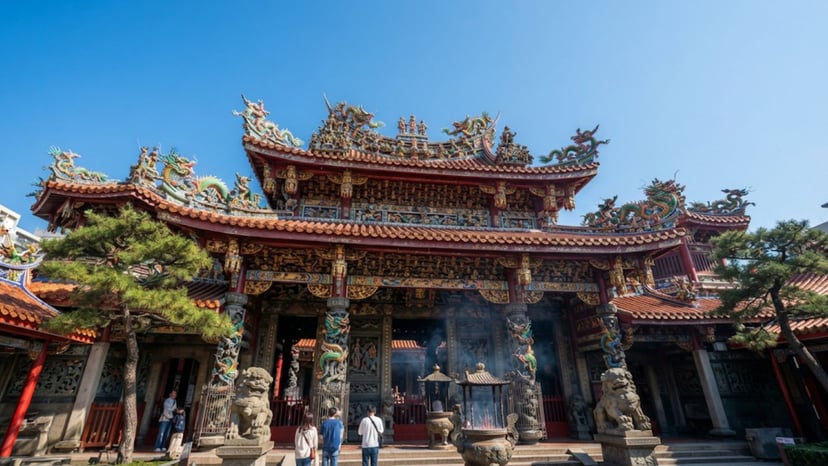
Spiritual beauty: The intricately decorated Kanteibyo Temple, dedicated to the deity of prosperity.
Street Exploration
Walking through the streets of Yokohama Chinatown is an experience in itself. The lantern-decorated streets create a vibrant and colourful atmosphere, especially in the evening. These bustling walking zones are filled with shops, food stalls, and cultural elements, offering an immersive exploration of this historic Chinese district.
Yokohama Chinatown Food Guide: What to Eat
One of the biggest reasons people visit Yokohama Chinatown is the incredible food scene. The district is home to hundreds of restaurants and street food stalls serving authentic Chinese and Taiwanese dishes. Whether you prefer a full sit-down meal or want to sample small bites while exploring the streets, there are options for every taste and budget.
| Food Item | Why It’s a Must |
| Xiaolongbao | These delicate soup-filled dumplings are the star of the show. Be careful; the hot, savoury broth inside is the highlight. |
| Peking Duck Wraps | A premium experience turned into a convenient street snack; enjoy crispy skin and tender meat wrapped in a fresh pancake. |
| Pork Buns (Nikuman) | Large, pillowy, and steamed to perfection. It is the most iconic "grab-and-go" comfort food in the district. |
| Sesame Balls | A perfect sweet finale. These golden, crispy spheres are filled with sweet red bean paste and coated in toasted sesame seeds. |
| Taiwanese Fried Chicken | Famous for its oversized, ultra-crispy coating and aromatic spices, it is addictive and perfect for walking. |
| Chinese Noodles | From hand-pulled varieties to spicy Dan Dan noodles, these offer a deep, authentic taste of regional Chinese culinary traditions. |
| Bubble Tea | A refreshing classic. With countless flavours and toppings available, it is the best way to cool down while exploring the busy lanes. |
| Mooncakes | A traditional delicacy filled with rich lotus paste or salted egg yolk, often intricately decorated and perfect as a unique gift. |
Many visitors choose to enjoy a self-guided food crawl, stopping at different restaurants and stalls throughout the day.
Yokohama Chinatown Must-Eat Foods
If it is your first visit, these are considered the must-try dishes in Yokohama Chinatown:
|
Food |
Why Try It |
|
Xiaolongbao |
Juicy soup-filled dumplings |
|
Peking Duck Wrap |
One of Chinatown's signature dishes |
|
Pork Bun |
Popular street snack |
|
Sesame Balls |
Sweet and crispy dessert |
|
Bubble Tea |
Refreshing drink available throughout Chinatown |
|
Taiwanese Fried Chicken |
Crispy and flavourful snack |
These dishes have become some of the most searched and recommended food experiences in Yokohama Chinatown.
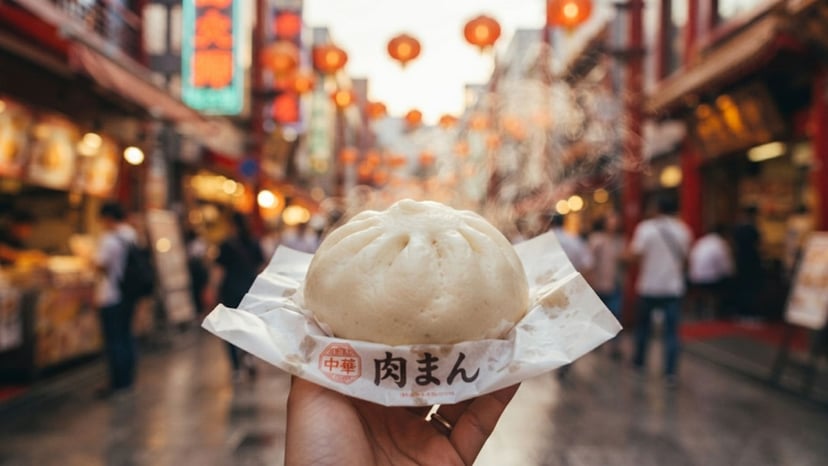
The classic comfort: The oversized Nikuman (pork bun) is the ultimate Yokohama street food staple.
Pro Tips for Your Food Crawl
-
Share to Compare: To truly experience the variety, buy one of each item to share with your group. It prevents you from getting full too quickly at a single stall.
-
Follow the Queues: If you see a long line of locals at a stall, that is your sign that the food is fresh and the quality is exceptional.
-
Timing: Street food stalls are most active and offer the freshest batches between 12:00 PM and 4:00 PM.
Street Food Experience
The Yokohama Chinatown food street is packed with stalls offering delicious snacks and desserts. Must-try items include Xiaolongbao, Nikuman, Shumai, and refreshing bubble tea. These foods are easy to enjoy while walking and provide a true street food experience.
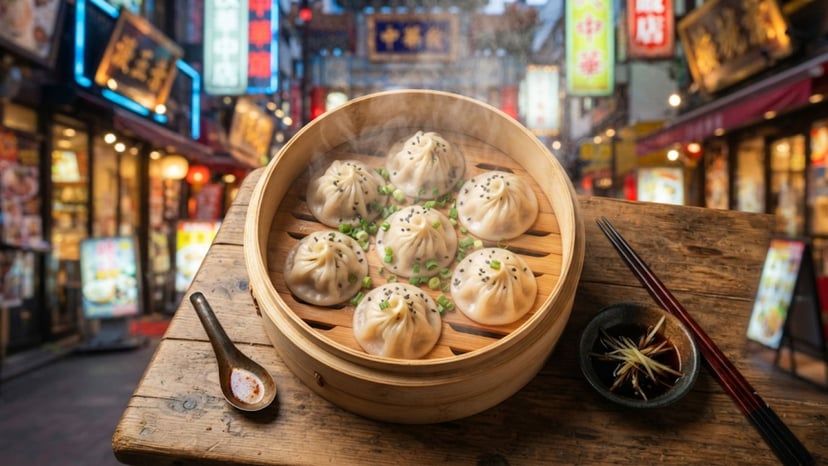
A flavour explosion: Don’t miss the legendary Xiaolongbao, filled with savoury broth.
Best Restaurants in Yokohama Chinatown
Yokohama Chinatown is home to many authentic Chinese restaurants offering a wide variety of dishes. Visitors can enjoy a full dim sum experience, along with specialities like Peking duck and fresh seafood. Many restaurants also offer all-you-can-eat menus, making it easy to try multiple dishes in one visit.
Yokohama Chinatown Street Food Tour and Guided Experiences
A visit to Yokohama Chinatown becomes even more enriching with a guided food tour. These experiences combine cultural insights with a curated tasting journey through local specialities. A street food tour allows visitors to try multiple dishes while learning about traditions and ingredients. Private tours offer a more personalised approach, ideal for food lovers who want deeper exploration. Overall, guided experiences provide a perfect blend of cultural discovery and authentic food tasting in Yokohama Chinatown. For visitors with limited time, guided or private food tours can make the experience more efficient and comfortable while covering multiple highlights in a short period.
Yokohama Chinatown Itinerary (1 Day Plan)
Planning a full day in Yokohama Chinatown helps you experience its culture, food, and atmosphere efficiently. A well-structured itinerary allows visitors to explore temples, enjoy street food, and experience the vibrant streets from morning to night. This one-day plan balances sightseeing, dining, and relaxation for a complete Yokohama Chinatown experience.
-
10:00 AM | Arrival: Arrive at Motomachi-Chūkagai Station (Exit 2).
-
10:30 AM | Spiritual Start: Visit the Kanteibyo Temple to beat the midday crowds.
-
12:00 PM | The Food Crawl: Wander the side lanes like Ichiba-dori to find the best street vendors.
-
3:00 PM | Cultural Stroll: Walk toward Yamashita Park for a relaxing waterfront view away from the hustle.
-
5:00 PM | Sunset & Lights: Head back as the lanterns illuminate the district for the best photo opportunities.
Why Yokohama Chinatown Is One of Japan's Best Food Destinations
The food scene is one of the main reasons visitors travel to Yokohama Chinatown. From dim sum and soup dumplings to Taiwanese fried chicken and traditional desserts, the district offers one of the widest selections of Chinese cuisine in Japan. Exploring Yokohama Chinatown's food has become a highlight for both domestic and international travellers because it combines authentic flavours with lively street dining experiences.
How to Get to Yokohama Chinatown
Reaching Yokohama Chinatown is easy thanks to excellent transport links from Tokyo. Travelers can take the Minatomirai Line or JR Negishi Line, both offering direct and convenient access. The journey typically takes around 30–45 minutes. The closest station is Motomachi-Chūkagai Station, located just steps from the main Chinatown entrance, making navigation simple for first-time visitors.
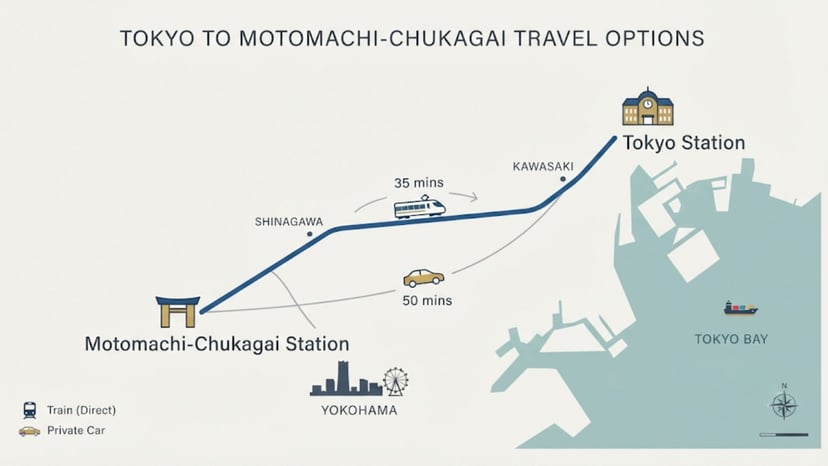
Just 30–45 minutes from Tokyo, reach the heart of Chinatown via the Minatomirai Line.
Tokyo to Yokohama Chinatown Travel Time
Yokohama Chinatown is located approximately 30 to 45 minutes from central Tokyo, making it one of the easiest day trips from the capital.
| Transport Mode | Est. Time | Key Benefits |
| By Train | 30–45 mins | Cost-effective and avoids potential highway traffic during peak hours. |
| Private Vehicle | 40–60 mins | Door-to-door comfort, luggage space, and total schedule flexibility. |
For visitors planning a relaxed sightseeing day, private transportation offers a comfortable way to travel from Tokyo to Yokohama without worrying about train schedules or crowded stations.
Yokohama Chinatown Opening Hours
Yokohama Chinatown itself remains accessible throughout the day, although individual businesses operate on their own schedules. Most restaurants and food stalls generally open from late morning until evening, with many operating approximately between 11:00 AM and 9:00 PM. Some shops and restaurants may stay open later during weekends, festivals, and special events. Because individual operating hours vary, visitors should always check specific restaurant schedules before travelling.
Yokohama Chinatown Night Experience
At night, Yokohama Chinatown transforms into a vibrant and colourful destination. Lantern-decorated streets create a magical atmosphere, while food stalls and restaurants come alive. The night street food experience is especially popular, offering a wide variety of dishes. The illuminated streets also provide excellent opportunities for photography, making evenings one of the best times to visit.
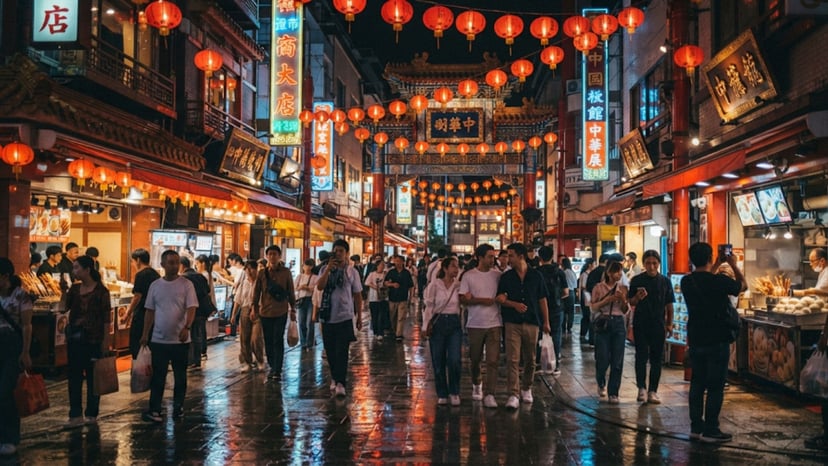
Chinatown at night: When the sun sets, the district transforms into a magical neon-lit wonderland.
Yokohama Chinatown Festivals and Events
Yokohama Chinatown hosts lively festivals throughout the year. Major events include the Chinese New Year Festival and the Lantern Festival, featuring performances like the traditional Lion Dance. These celebrations showcase Chinese culture through music, food, and performances, attracting visitors from across Japan.
Yokohama Chinatown Shopping Guide
Shopping in Yokohama Chinatown offers a mix of cultural goods and souvenirs. Visitors can find Chinese tea, herbs, decorative items, and traditional gifts. Nearby, Motomachi Shopping Street provides a different shopping experience with boutiques and cafes, making it easy to combine both areas in one visit.
Yokohama Chinatown vs Chinatown in Tokyo
Many visitors search for Chinatown in Tokyo, but Tokyo does not have a district comparable to Yokohama Chinatown. While Tokyo has several neighbourhoods with Chinese restaurants and communities, Yokohama Chinatown is widely recognised as the largest and most authentic Chinatown in Japan, offering significantly more restaurants, cultural attractions, and festivals.
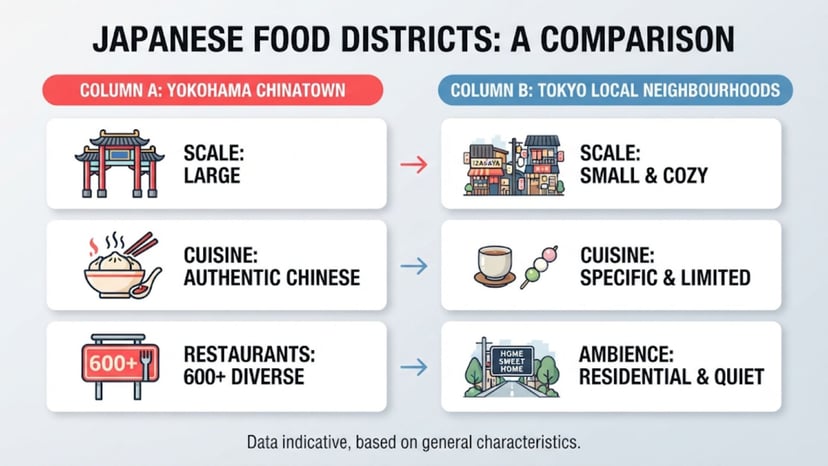
The difference is clear: Yokohama Chukagai offers a vastly more immersive and larger experience.
Yokohama Chinatown Nearby Attractions
Yokohama Chinatown is surrounded by popular attractions. Visitors can relax at Yamashita Park, explore Minato Mirai, or visit Yokohama Red Brick Warehouse. Other nearby highlights include Osanbashi Pier, Yokohama Marine Tower, and Cup Noodles Museum Yokohama, all within easy reach.
Best Time to Visit Yokohama Chinatown
The best time to visit Yokohama Chinatown is during spring and autumn when the weather is pleasant for walking. Festival periods add extra excitement but can be crowded. Visiting on weekdays or early in the day helps avoid heavy crowds and provides a more relaxed experience.
Crowds & Timing: Weekends and holidays are extremely busy. Pro Tip: Arrive before 11:00 AM on a weekday to enjoy the streets before the lunch rush.
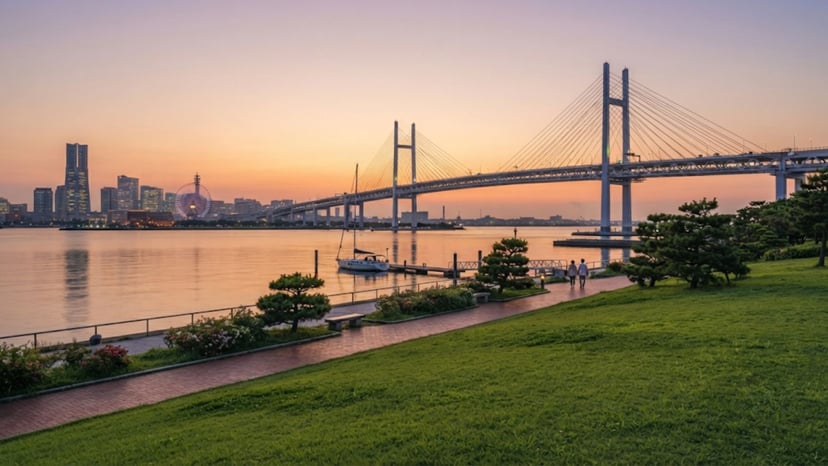
After the feast: Take a calming stroll along the waterfront at nearby Yamashita Park.
Yokohama Chinatown Travel Tips
Exploring Yokohama Chinatown is best done on foot, so comfortable shoes are essential. Try a variety of small food portions instead of large meals to experience more flavours. Visiting during off-peak hours helps avoid crowds. The area is also family-friendly, offering a safe and enjoyable environment for all ages. Many visitors prefer sharing small portions to try more dishes.
Parking: Street parking is limited and expensive. We recommend parking at the Yamashita Park Parking lot. It’s spacious and offers a beautiful, short walk to the main gates.
Weather Considerations:
-
Summer: It can be hot and humid. Plan your visit for the cooler morning or evening hours.
-
Winter: Clear and crisp, perfect for eating steaming hot pork buns!
-
Rainy Days: Chinatown is actually magical in the rain. The wet pavement reflects the neon signs and colourful lanterns, and the reduced crowds make it easier to navigate. Just bring a sturdy umbrella!
Is Yokohama Chinatown Family-Friendly?
Yes. Yokohama Chinatown is suitable for families because the area is compact, pedestrian-friendly, and filled with attractions beyond restaurants. Families can enjoy street food, cultural temples, souvenir shopping, and nearby parks. The short travel distance from Tokyo also makes it an easy day trip with children. It is highly family-friendly! The streets are pedestrian-only, and the food is perfect for sharing.
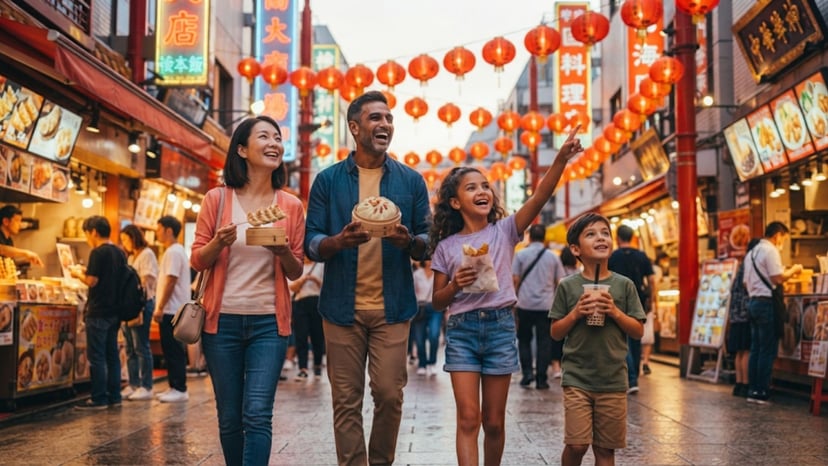
Fun for all ages: With pedestrian-friendly streets and endless snacks, it’s a perfect family outing.
Quick Tips for Visiting Yokohama Chinatown
- Visit early to avoid crowds
- Try small portions to explore more food
- Wear comfortable shoes
- Carry cash for small vendors
- Explore nearby attractions in the same trip
Is Yokohama Chinatown Worth Visiting
Yokohama Chinatown is definitely worth visiting for its unique blend of culture, food, and accessibility. It stands out as one of the best Chinatown experiences in Japan, offering more variety and vibrancy compared to smaller districts. Its combination of history, cuisine, and convenience makes it a must-visit destination for travelers.
Best Restaurants in Yokohama Chinatown (2026)
Yokohama Chinatown is home to both historic restaurants and modern eateries serving cuisine from different regions of China. Visitors can find everything from dim sum and Sichuan specialities to Cantonese seafood and street-food favourites.
When choosing a restaurant, consider:
- Cuisine style
- Waiting times
- Vegetarian options
- Group seating availability
- Reservation requirements during weekends and holidays
Because restaurant popularity changes frequently, checking recent reviews and opening hours before visiting is recommended.
Facts About Yokohama Chinatown
|
Fact |
Information |
|
Official Name |
Yokohama Chukagai |
|
Japanese Name |
横浜中華街 |
|
Location |
Yokohama, Kanagawa Prefecture |
|
Founded |
After the opening of Yokohama Port in 1859 |
|
Famous For |
Food, festivals, temples, shopping |
|
Known As |
Largest Chinatown in Japan |
Where Can You Book Yokohama Chinatown Food Tours?
Visitors can explore Yokohama Chinatown independently, but guided food tours offer a more structured experience. Food tours usually include local recommendations, cultural insights, and opportunities to sample multiple dishes without extensive planning. Private tours are particularly suitable for first-time visitors, families, and travellers with limited time who want to experience the highlights of Yokohama Chinatown efficiently.
Dietary Needs (Halal & Vegetarian): While traditional cuisine is pork-heavy, there are options. Chojo Hanten is a standout for vegetarian-friendly Chinese fare. For Halal-certified options, it is best to dine in the nearby Minato Mirai area (like the JICA Yokohama Port Terrace Café), which is a short walk away.
Conclusion
Yokohama Chinatown offers a vibrant mix of culture, food, and history, making it one of the most unique destinations in Japan. From colourful streets and traditional temples to diverse cuisine and lively festivals, it delivers a complete cultural experience. As one of the best Chinatowns in the world, it stands out for its size, authenticity, and accessibility. Whether on a day trip or longer visit, Yokohama Chinatown is a must-see destination for travelers exploring Japan.