

The Shin-Yokohama Ramen Museum is an indoor food-themed attraction featuring regional ramen restaurants and a recreated 1958 Japanese streetscape. Opened on March 6, 1994, it is the world's first ramen-themed amusement park. Admission is ¥450 for adults, and visits typically take 1.5 to 3 hours.
The first floor houses a history gallery, museum shop, the RA-HAKU SUGOMEN LAB, and a noodle-making class. The two basement levels contain the recreated 1958 streetscape, regional ramen shops, a vintage candy store, and a café.
During our April 2026 visit with the Karvaan Tours team, we walked the recreated streets, tried mini ramen bowls, and made custom cup ramen. Here is everything you need to know to plan your visit.
Editorial note: Prices, hours, and the shop lineup change. Check the official website before you travel.
Quick Visit Overview
- Admission: ¥450 for adults (19 and over)
- Hours: 11:00 AM–9:00 PM (Weekdays); 10:30 AM–9:00 PM (Weekends/Holidays)
- Time needed: 1.5–3 hours
- Highlights: History gallery, 1958 streets, regional ramen shops, custom cup ramen
What Is Shin-Yokohama Ramen Museum?
It is a food and cultural attraction where you can eat ramen, learn about its history, and walk through a recreated Japanese streetscape.
The first floor has the gallery, the museum shop, RA-HAKU SUGOMEN LAB, and the reservation-based ramen-making experience. The lower floors have the recreated streets and the ramen shops. For a first visit, think of it as: learn → explore → eat → add an activity if you have time.
Shin-Yokohama Ramen Museum History
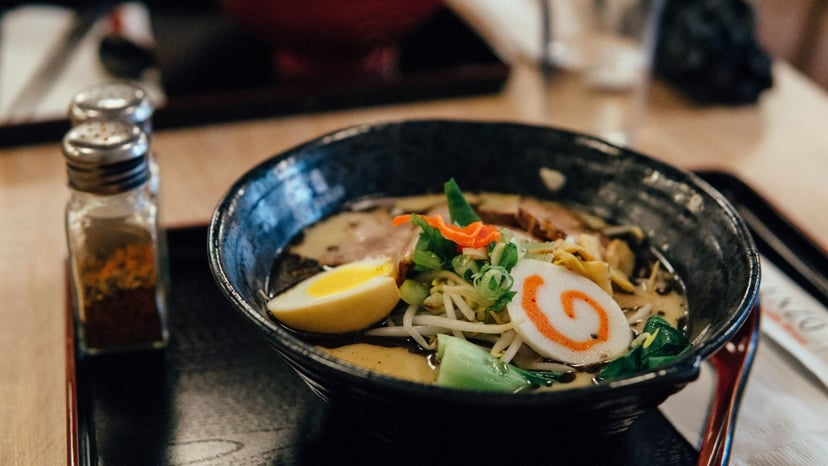
The museum project began in March 1990 and officially opened on March 6, 1994.
According to the museum's official history, the preparation office was established in May 1991. The recruitment of ramen shops began in October 1991, and after visiting over 1,000 shops across Japan, all eight initial restaurants were confirmed by August 1993. Komurasaki, a renowned Kumamoto shop on the second basement floor, is the only restaurant that has operated continuously since opening day. The idea was tied to Shin-Yokohama itself, an area developing as a business district that was quiet outside working hours.
Why Is the Museum Set in 1958?
The museum recreates 1958 because that is the year Momofuku Ando invented instant ramen in Japan.
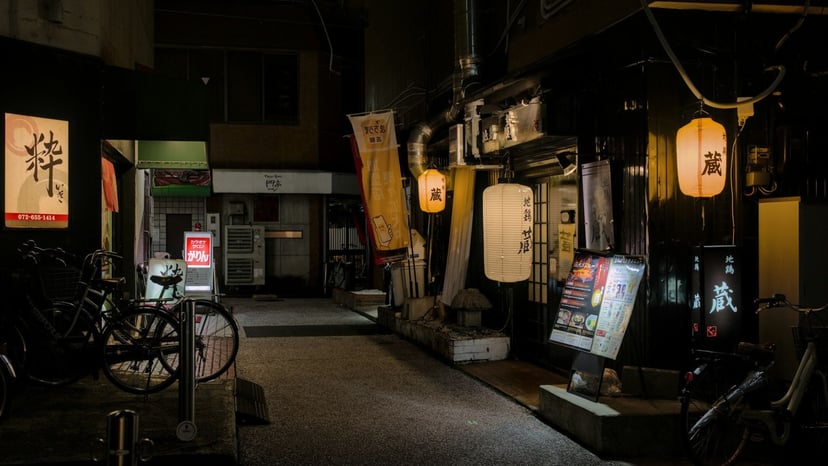
The vintage streetscape honors this major food innovation. By setting the museum in this era, it reflects the everyday atmosphere of post-war Japan. The narrow alleys and traditional shopfronts are designed to remind older generations of their childhood and show younger visitors how food culture evolved. Signs, buildings, and streets are designed to feel like a post-war neighborhood rather than a modern food court.
Things to Do at Shin-Yokohama Ramen Museum
The museum offers four main activities: a history gallery, the 1958 streets, custom cup ramen, and a noodle-making class.
1. Visit the Ramen Exhibition
The first-floor gallery traces ramen history, including Chinese noodle research from the Muromachi period (1338–1573).
It explains how regional styles developed across Japan and how instant noodles eventually changed global food culture. It is most useful if you see the museum as a cultural attraction, not just a lunch stop. Visit this gallery before choosing a shop downstairs; it gives you a deep appreciation for the regional varieties you are about to eat.
2. Explore the Recreated Streets
The basement levels feature a nostalgic 1958 streetscape with wooden houses, vintage posters, and old telephone booths.
The lighting is dimmed to mimic dusk, and you can often hear vintage radio broadcasts playing in the background. The ramen shops are built into this themed neighborhood, so you move through history before choosing where to eat. Don't miss Yuyake Shoten, a traditional dagashi-ya (candy shop) offering over 300 retro sweets and toys.
3. Make a Custom Instant Cup Ramen
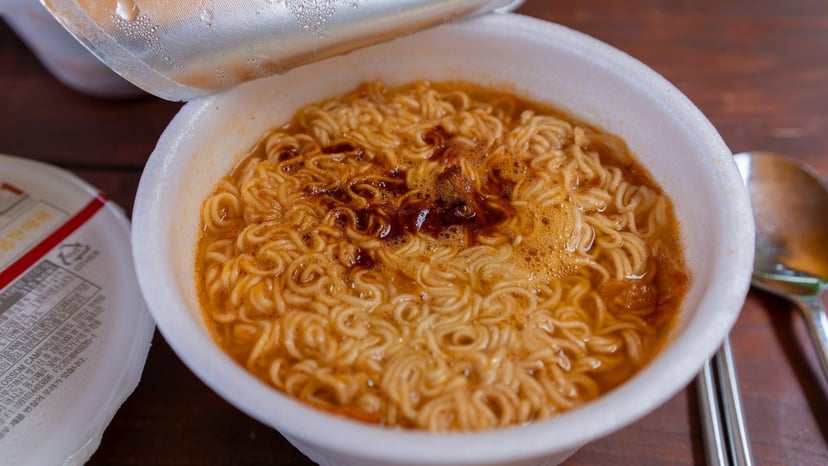
At RA-HAKU SUGOMEN LAB (1F), you can design a custom instant cup ramen for ¥600.
The process is fun and interactive. First, you buy an empty cup from the vending machine. Then, you use markers to draw your own design on the lid. Next, you choose from 5 noodle types, 8 soups, and various toppings (premium toppings cost ¥100–150 extra). Finally, you watch as the staff seal your creation. The last order is one hour before closing, earlier than the shops' last order, so don't leave it to the end of the day.
4. Join the Ramen-Making Experience
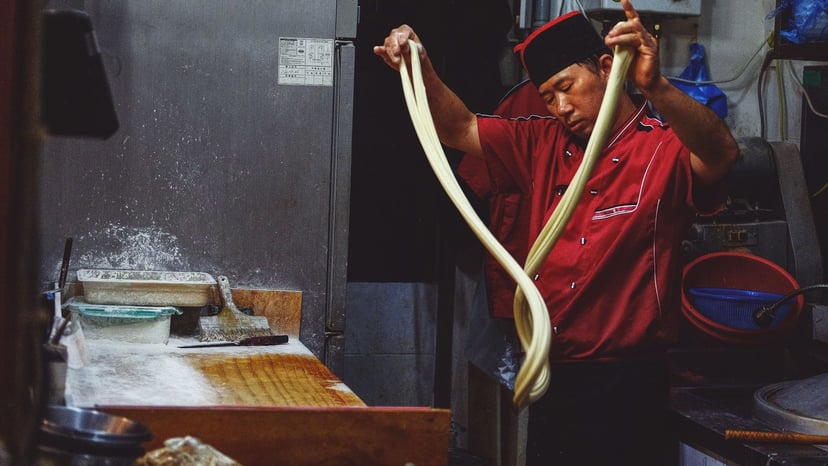
The Aodake-uchi class teaches you to flatten dough with a traditional green bamboo stick to make fresh noodles.
This is a deep dive into culinary craftsmanship. It costs ¥4,700 per person, lasts 60–75 minutes, and runs at 11:30, 13:30, 15:30, and 17:30. Kids 10+ can join (ages 6–9 need a guardian). Reservations and a 10-minute early arrival are required. (Note: Our team skipped this to explore the shops, but it's highly recommended for hands-on learners and foodies wanting a deeper connection to the cuisine.)
Ramen Shops at Shin-Yokohama Ramen Museum
The floor guide lists eight regional ramen shops plus RA-HAKU Limited (an irregular guest shop).
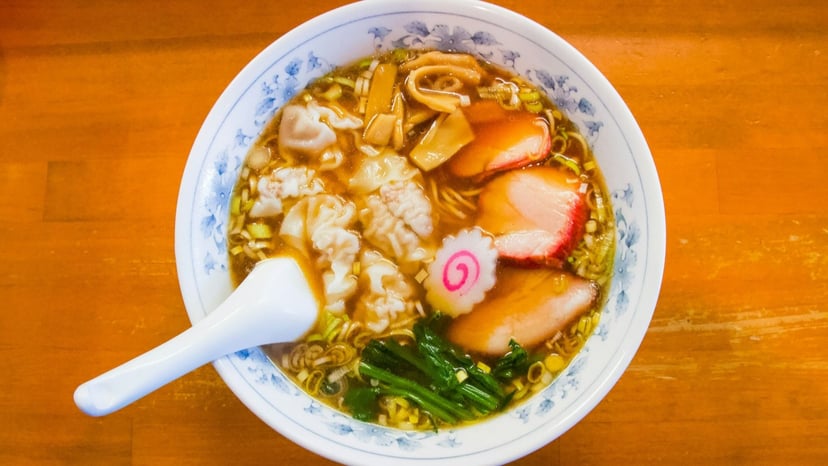
Shindo Ramen is a limited-time guest leaving on November 15, 2026. Check the official floor guide for the current lineup before your visit.
| Ramen Shop | Style | Known For |
|---|---|---|
| Ryu Shanghai Honten | Spicy miso | Yamagata shop; red miso melts into the soup; thick noodles |
| Rishiri Ramen Miraku | Grilled soy sauce | Rishiri kelp broth; Michelin Bib Gourmand in 2017 |
| Rokkakuya 1994+ | Iekei pork-bone soy | Revival of a major Iekei chain |
| Shindo Ramen | Soy sauce | Bangkok shop; mussel-based broth; limited-time |
| Ryukyu Shinmen Tondou | Okinawa-style salt | Pork, bonito, kelp, and sardine dashi |
| Komurasaki | Kumamoto tonkotsu | Founded in 1954; original tenant |
| Rock’n Three | Chicken-and-water soy | Chef Junichi Shimazaki; kombu-water tsukemen |
| Hakata Issou | Hakata tonkotsu | “Tonkotsu cappuccino” foam; thin noodles |
| RA-HAKU Limited | Rotating guest | Irregular schedule |
Which Ramen Should You Choose?
Your choice depends on your preferred broth and noodle texture, but you cannot go wrong with the regional specialties.
- Spicy and rich: Ryu Shanghai Honten's spicy miso. The red miso melts into the soup, giving it a rich kick.
- Savoury, seafood-influenced: Rishiri Ramen Miraku. Perfect for those who love a deep umami flavor with wavy noodles.
- Yokohama-associated style: Rokkakuya 1994+ (Iekei). A hearty mix of pork bone and soy sauce.
- Light salt: Ryukyu Shinmen Tondou. A cleaner, lighter broth option.
- Pork-bone: Komurasaki (Kumamoto style) or Hakata Issou (foamy Hakata broth).
- Modern/Chicken: Rock'n Three. Built around a chicken-and-water approach.
- Thai-style: Shindo Ramen. A unique mussel broth, available only for a limited time.
Pro Tip: Try mini bowls (¥400 each) to compare shops without getting too full. We tried Komurasaki and Hakata Issou, and the mini bowls were the perfect size for sampling different broths.
Vegetarian Options: According to the museum's official website, Ryu Shanghai Honten offers a Vegetarian Ramen (¥1,050), and Komurasaki offers a "King Ramen" made entirely with vegetables (¥1,100). Please note that the official site states these menus are not halal-compatible due to potential alcohol traces from fermented ingredients.
Shin-Yokohama Ramen Museum Tickets and Opening Hours
General admission is ¥450 for adults; ramen and activities cost extra.
| Ticket Type | Admission |
|---|---|
| Adults (19 and over) | ¥450 |
| Children (6–18) | ¥100 |
| Children under 6 | Free |
| Groups (15+ Adults) | ¥400 |
| Groups (15+ Children) | ¥50 |
| Day | Opening Hours |
|---|---|
| Monday–Friday | 11:00 AM–9:00 PM |
| Weekends & Holidays | 10:30 AM–9:00 PM |
The museum closes Dec 31–Jan 1. Ramen shops stop taking orders 30 minutes before closing. A long queue can mean a shop stops accepting customers earlier, so don't count on joining the line at the last minute.
How to Get to Shin-Yokohama Ramen Museum
The museum is located a short 5-minute walk from JR Shin-Yokohama Station, making it highly accessible.
Address: 2-14-21 Shinyokohama, Kohoku-ku, Yokohama, Kanagawa 222-0033.
By Train
- JR Station: 5 mins on foot (Tokaido Shinkansen / JR Yokohama Line).
- Subway Exit 10: 1 min on foot (Municipal Subway / Sotetsu / Tokyu Line).
Shinkansen Tip: If you are traveling between Tokyo and Kyoto/Osaka on the Shinkansen, Shin-Yokohama Station is a major stop. You can easily leave your luggage in station lockers and visit the museum during a layover.
By Car
The museum is about 5 mins from Kohoku Interchange (Daisan Keihin Road) or Shin-Yokohama exit (Shuto Expressway). It has its own parking:
| Parking Detail | Information |
|---|---|
| Capacity | 175 vehicles |
| Fee | ¥250 per 30 minutes |
| First 30 mins | Free with admission |
| Max Daily Fee | ¥2,600 |
| Max Size | 2.1m H, 1.8m W, 5m L |
How Long Should You Spend?
Plan for 1.5 to 3 hours at the museum.
A quick visit (1.5 hours) covers the gallery, streets, and one bowl of ramen. Adding the SUGOMEN LAB, multiple mini bowls, or the 60-minute class requires the full 3 hours. If you want to take your time taking photos and shopping for souvenirs, plan for a half-day.
Best Time to Visit
Visit on a weekday outside lunch/dinner rush for shorter lines.
Arriving after the lunch peak, for example after 3 PM, usually means a quieter visit. Individual shops can still have queues. We visited on a Saturday at 1:00 PM and waited about 20 minutes at Ryu Shanghai Honten. The museum is entirely indoors, making it a perfect rainy-day activity. Check the official website for live wait times before choosing a shop.
Can You Reserve a Ramen Restaurant?
No, the restaurants do not accept seat reservations.
Join the physical line when a shop is busy. The lines usually move quickly. The ramen-making class is the only activity that requires advance booking.
Practical Tips
- Decide your priority: If you mainly want ramen, pick your shop first and allow queue time. If you want the attraction, start with the exhibition and streets.
- Budget separately: The ¥450 admission doesn't include ramen, and paid activities like SUGOMEN LAB are extra.
- Don't rely on the last 30 minutes: Shops stop taking orders 30 minutes before closing, sometimes earlier if the queue is long.
- Luggage: Use the coin lockers at Shin-Yokohama Station. The museum corridors and dining areas are compact.
- Photo rules: Personal photos are allowed; commercial photography needs permission.
A Simple Visit Plan
Food-focused (about 1.5–2 hours): Walk the lower-floor streets, choose one shop, explore the rest after eating, then move on.
Full museum experience (about 2.5–3 hours): Start with the first-floor gallery, explore the streets, eat, try SUGOMEN LAB, and browse the museum shop.
Activity-focused: If you have booked the ramen-making class, build your schedule around the reservation time. The class is highly structured, so you cannot be late.
Yokohama Attractions to Combine With Your Visit
Easily combine this visit with other top Yokohama spots using public transit.
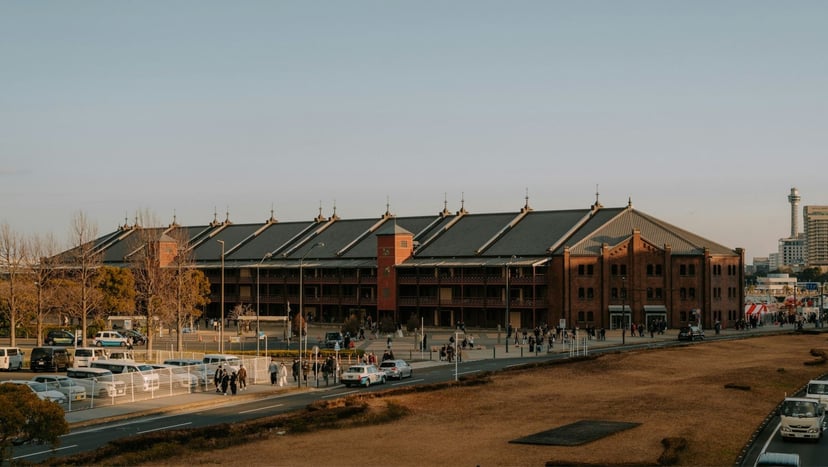
After your visit, you can continue to central Yokohama, allowing extra travel time for the journey. If you want to combine the Ramen Museum with other attractions, follow our Kamakura and Yokohama itinerary from Tokyo to plan your sightseeing route, including Yokohama Chinatown, Minato Mirai, and other popular stops.
Is Shin-Yokohama Ramen Museum Worth Visiting?
Yes, if you want to experience ramen as part of Japanese food culture and not just find somewhere to eat.
For ¥450, you get the gallery, the 1958 streets, and access to eight ramen shops. The main reasons are several ramen styles in one place, a ramen-history exhibition, hands-on activities, and easy access from the station. The mini bowls were our highlight—it’s rare to taste authentic Hokkaido, Kumamoto, and Hakata ramen in one single trip.
The main drawback was the wait time for food during lunch hour. If you only want one quick bowl without the museum experience, a regular ramen restaurant might be faster. However, for foodies and families, the immersive environment is well worth the ticket price.
Explore Yokohama with Karvaan Tours
Disclosure: This guide contains links to our own private tour services. We only recommend experiences our team has personally tested.
Want to visit the Shin-Yokohama Ramen Museum along with Kamakura's historic temples and Yokohama's waterfront attractions? Explore our Kamakura and Yokohama private tour, which offers hotel pickup in Tokyo, a private air-conditioned vehicle, and a flexible sightseeing itinerary. The museum can be added as an optional stop, subject to available time and your custom itinerary.