

Introduction to Sanno Matsuri
Sanno Matsuri is one of Tokyo’s most important traditional festivals, held in central areas such as Chiyoda Ward. Known for its grand processions and cultural significance, it reflects centuries of Japanese heritage. The festival combines Shinto rituals, community participation, and historical celebrations, making it a key highlight among Tokyo cultural festivals. Travelers visiting Japan for the festival often combine it with a Tokyo Private Full-Day Tour to explore historic districts, shrines, and cultural landmarks beyond the festival route.
Sanno Matsuri 2026: Festival at a Glance
|
Feature |
Details |
|
Festival Dates |
June 7 – June 17, 2026 |
|
Frequency |
Biennial (Honmatsuri year) |
|
Shinkosai Parade |
June 12, 2026 (8:00 AM – 6:00 PM) |
|
Parade Route |
~23 km through central Tokyo |
|
Participants |
Over 500 people in period costume |
|
Key Landmarks |
Hie Shrine, Marunouchi Building, National Archives |
|
Admission |
Free (Viewing is public) |
|
Nearest Station |
Tameike-Sanno (5 min walk) |
Why Sanno Matsuri 2026 is Unmissable: The Honmatsuri Year
If you are planning a trip to Japan this year, you are in luck. The Sanno Matsuri Honmatsuri 2026 is not just an annual celebration it is a Honmatsuri (Main Festival) year. In Japanese festival culture, the Honmatsuri occurs only once every two years, alternating with smaller annual observations. This cycle dictates the scale of the procession; in 2026, the festival returns to its full, historic grandeur. This is your rare opportunity to witness the Shinkosai a massive 23km procession featuring over 500 participants in authentic Heian-period court attire, travelling through the heart of Tokyo and stopping at the Imperial Palace. If you want to experience Tokyo’s Edo-era spirit at its absolute peak, 2026 is the year to be here.
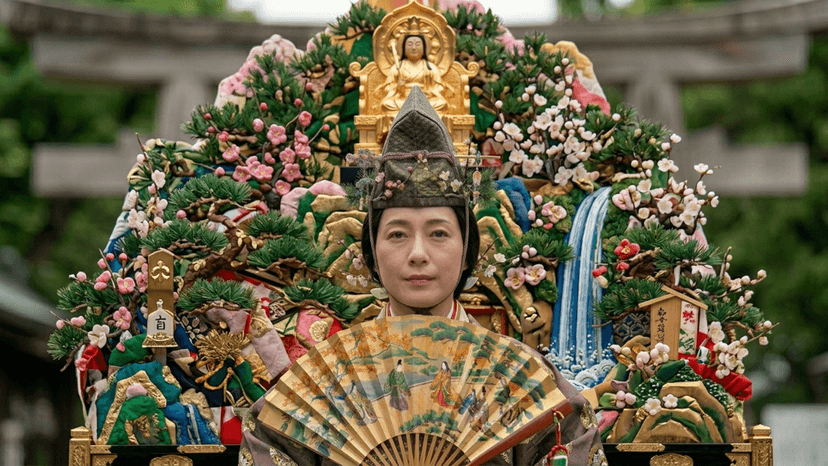
The 2026 Honmatsuri is a rare event experience the grandeur of over 500 participants dressed in historic court regalia.
Overview of Sanno Matsuri in Tokyo
Sanno Matsuri is a traditional Japanese festival held in Tokyo, featuring large processions, portable shrine parades, and cultural performances. It takes place across central districts and includes ceremonial events that honour Shinto deities. Visitors can experience a vibrant atmosphere filled with traditional costumes, music, and community celebrations.
Why it is one of the three great festivals of Tokyo
Sanno Matsuri is officially recognised as one of the Three Great Festivals of Tokyo, standing alongside the Kanda Matsuri and the Fukagawa Matsuri. While these three define the spirit of Edo-era Tokyo, Sanno Matsuri is often compared to Kyoto’s legendary Gion Matsuri in terms of historical significance and the grandeur of its processions.
Simple explanation for travelers
For travellers, Sanno Matsuri is a large cultural festival featuring parades, portable shrines, and traditional performances. It offers an opportunity to experience Japanese traditions, local culture, and historical celebrations. Visitors can explore festival routes, watch processions, and enjoy the lively atmosphere across central Tokyo.
History and Cultural Significance
Sanno Matsuri has a long history rooted in the Edo period and reflects important aspects of Japanese culture and religion. The festival closely connects to historical events and Shinto traditions. It represents a cultural heritage festival that continues to celebrate Tokyo’s past through rituals, processions, and community involvement.
Origins in the Edo period
Sanno Matsuri began during the Edo Period as an important celebration linked to political power and cultural identity. It was held as an Edo era festival connected to ruling authorities, symbolising stability and prosperity. The festival has continued for centuries, preserving its historical significance.
Tokugawa Ieyasu and Battle of Sekigahara connection
Tokugawa Ieyasu played a key role in establishing the importance of Sanno Matsuri after his victory at the Battle of Sekigahara. The festival became a symbol of victory celebrations and political strength, reinforcing its status as a major cultural event in Tokyo.
Role of Kanda Shrine and Shinto traditions
The Sanno Matsuri is the signature festival of the Hie Shrine, a site of deep historical importance in the heart of Tokyo. Historically, this shrine held the patronage of the Tokugawa Shogunate, making the Sanno Matsuri one of the few festivals permitted to enter the Edo Castle grounds.
Shrine Location & Access
- Address: 2-10-5 Nagatacho, Chiyoda-ku, Tokyo
- Nearest Station: Tameike-Sanno Station (5-minute walk)
- Accessibility: Located in the Nagatacho district, the shrine is easily accessible via the Ginza and Namboku subway lines.
Location and Festival Areas
Sanno Matsuri takes place across central Tokyo, especially within Chiyoda Ward, where historical and modern elements blend. The festival spreads through major streets, business districts, and cultural landmarks, creating a dynamic environment. Visitors can explore multiple areas while experiencing traditional processions, vibrant streets, and important venues connected to this centuries-old Tokyo festival.
Festival in Chiyoda Ward and central Tokyo
The festival takes place in Chiyoda Ward, a key administrative and cultural area of Tokyo. Streets become lively with processions, musicians, and community participation. The central location makes it accessible while offering a mix of historic sites and modern city landscapes during the celebration.
Key locations, including Tokyo Imperial Palace
One of the most important locations is the Tokyo Imperial Palace, which reflects the historical connection of the festival to Edo Castle and ruling authorities. Processions pass through surrounding areas, adding significance and grandeur to the event while linking past traditions with present-day Tokyo. Many travelers combine their festival visit with a guided Tokyo sightseeing tour that includes the Imperial Palace, Asakusa, Meiji Shrine, and other iconic attractions.
Sanno Matsuri Schedule and Events
Sanno Matsuri follows a structured schedule that includes processions, rituals, and cultural events. The festival is held only on odd-numbered years and features key ceremonies spread over several days. Understanding the schedule helps visitors plan their visit and experience the most important highlights of this traditional Shinto festival.
Sanno Matsuri Festival Overview
|
Event |
Description |
Experience |
|
Shinkosai |
Grand procession |
Main highlight |
|
Mikoshi Parade |
Local shrine carrying |
Cultural experience |
|
Miyairi Ceremony |
Shrine return ritual |
Spiritual significance |
Festival schedule
Sanno Matsuri is typically held in June and occurs every two years during odd-numbered years. The schedule includes multiple events such as processions, shrine rituals, and cultural performances. Visitors should check official announcements for exact dates to plan their visit effectively.
Shinkosai Grand Parade Route (23km)
The 2026 Shinkosai procession covers a massive 23km circuit through the heart of Tokyo, bringing the spirit of the Edo period to the modern business district. If you are planning to view the parade, here are the key locations it will pass through:
- Departure: Hie Shrine (Nagatacho)
- Government District: National Theatre area
- Imperial Landmark: Imperial Palace surroundings
- Transit Hub: Tokyo Station
- Shopping District: Ginza (Chuo-dori)
- Commercial Hub: Nihonbashi
- Return: Hie Shrine
Pro-Tip: The Chuo-dori stretch in Ginza is one of the most popular viewing spots, offering wide sidewalks and a stunning backdrop of modern architecture against the traditional procession.
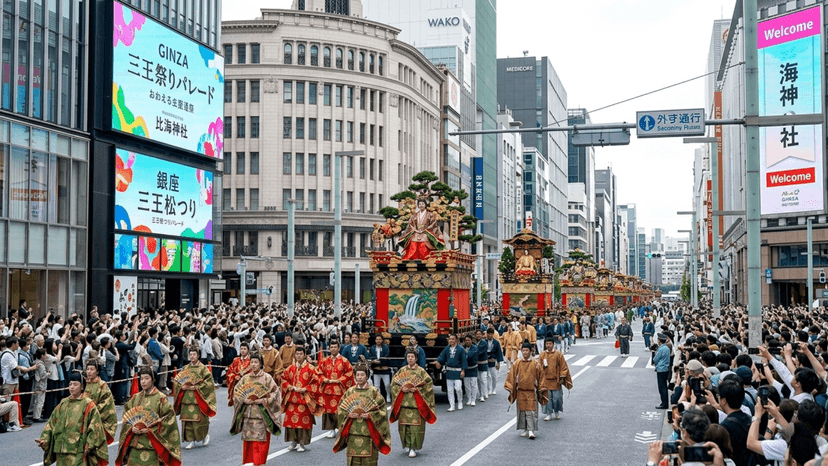
The 23km Shinkosai parade creates a stunning contrast between Japan’s ancient heritage and modern Tokyo architecture.
Mikoshi parades and Miyairi ceremony
Mikoshi parades involve carrying portable shrines through the streets, symbolising blessings and protection. The Miyairi ceremony marks the return of these shrines to the main shrine, concluding the festival rituals. These events highlight strong community participation and spiritual traditions.
Parade Route and Highlights
Sanno Matsuri features a grand procession that moves through central Tokyo, connecting historic and modern districts. The route passes major landmarks and business areas, offering visitors multiple viewing opportunities. The parade reflects traditional Japanese culture through its structure, performances, and strong community participation across the city.
Main procession route and important stops
The main procession route passes through key areas such as Nihonbashi and central Tokyo streets. Important stops include historic bridges and commercial districts, where crowds gather to watch. These locations provide excellent views of the parade and highlight the cultural significance of the festival.
Traditional parade, floats, musicians and dancers
The parade includes traditional floats, musicians, and dancers dressed in cultural attire. Performers showcase Japanese heritage through music and movement, creating a visually engaging experience. The presence of coordinated groups reflects the organised and ceremonial nature of this traditional Japanese festival.
Streets filled with vibrant festival atmosphere
During Sanno Matsuri, streets are filled with vibrant colours, decorations, and large crowds. The atmosphere is lively and energetic, with continuous movement and performances. This environment captures the essence of a cultural heritage festival, making it memorable for visitors.
Festival Experience and Atmosphere
Sanno Matsuri offers a rich cultural experience that combines traditional rituals with modern city life. Visitors can immerse themselves in a lively environment filled with music, processions, and local interactions. The festival reflects Tokyo’s unique blend of history and contemporary culture.
What to expect at Sanno Matsuri
Visitors can expect large processions, traditional performances, and crowded streets. The festival includes portable shrine processions, music, and cultural activities. It provides a complete experience of Japanese traditions and community celebrations in central Tokyo.
Cultural elements and traditional clothing
Participants wear traditional clothing, such as happi coats and ceremonial outfits. These cultural elements reflect local identity and heritage. The presence of traditional attire adds authenticity and enhances the overall visual experience of the festival.
Local food, snacks and street culture
The festival features local food stalls offering snacks and traditional dishes. Visitors can enjoy street food while exploring the event. These food experiences contribute to the lively street culture and make the festival more engaging
Things to Do During the Festival
Sanno Matsuri offers various activities beyond watching the parade. Visitors can explore nearby districts, enjoy cultural experiences, and discover different aspects of Tokyo during the festival. These activities enhance the overall travel experience.
Best places to watch the parade
Popular viewing spots include central streets and areas near major landmarks such as Nihonbashi. These locations provide clear views of the procession. Arriving early helps secure a good spot and avoid heavy crowds.
Exploring Akihabara and nearby attractions
Visitors can explore Akihabara, known for its mix of modern culture and shopping. Nearby attractions offer additional experiences, allowing travellers to combine festival activities with sightseeing in Tokyo.
Photography and cultural experiences
Sanno Matsuri provides excellent opportunities for photography, with colourful parades and traditional performances. Visitors can capture cultural moments and unique scenes. Engaging with the festival atmosphere allows for a deeper cultural experience.
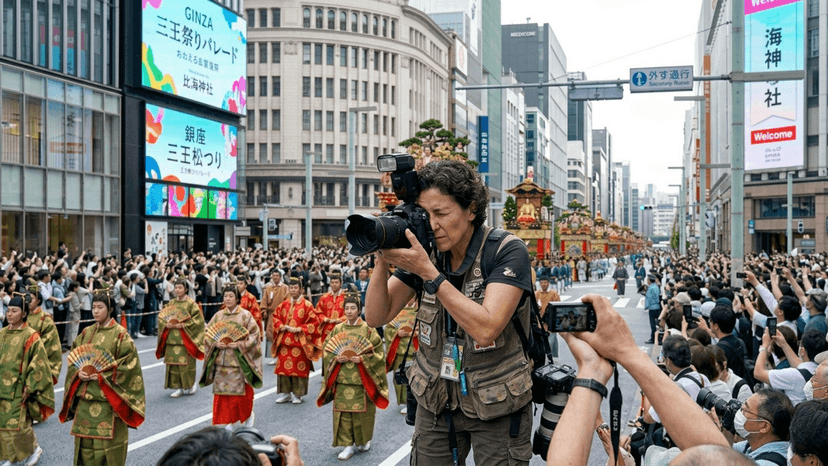
With unique photo opportunities at every turn, the Sanno Matsuri is a dream for photographers and culture seekers alike.
How to Get There and Around
Sanno Matsuri is held in central Tokyo, making it highly accessible through the city’s efficient public transport system. Visitors can easily reach key festival areas using metro lines and train routes. Planning transport in advance helps avoid delays, especially during peak festival hours when crowds increase significantly across major districts.
How to get to Sanno Matsuri Tokyo
Sanno Matsuri takes place in central Tokyo and is well connected by the city’s extensive train and metro network. Visitors can travel from major areas such as Shinjuku, Tokyo Station and Ueno, while Chiyoda Ward provides access to several key festival locations. However, large crowds and temporary road restrictions can make getting around more challenging during the event. Walking is often the most practical way to follow the festival route, although visitors should allow extra time and remain flexible when navigating busy streets. Planning transport in advance can make the experience more comfortable. For a convenient way to combine the festival with other attractions, explore our Tokyo Private Tour Itinerary
Travel Tips and Best Time to Visit
Planning your visit carefully helps you enjoy Sanno Matsuri without stress. Understanding the timing, crowd levels, and weather conditions ensures a better experience. With proper preparation, visitors can explore the festival comfortably and make the most of this important Tokyo cultural event.
When is Sanno Matsuri held
Sanno Matsuri is typically held in June and takes place only on odd-numbered years. The festival schedule includes multiple days of events, with the main procession being the highlight. Visitors should check official dates in advance to plan their trip accordingly and avoid missing key activities.

Best time and crowd management
The best time to visit is during early hours or less crowded days of the festival. Peak times usually occur during major processions and weekends. Arriving early and choosing less busy viewing areas helps avoid heavy crowds and improves the overall festival experience
Essential Tips for Sanno Matsuri 2026
- Prepare for the Rainy Season: The festival takes place during Tokyo's tsuyu (rainy season). Always pack a lightweight, collapsable umbrella or a clear poncho; the parade continues even in light rain.
- Timing is Key: Aim to arrive at your chosen viewing spot at least 30 minutes early. The best spots, especially along Chuo-dori in Ginza, fill up quickly.
- Embrace the Culture: Consider a yukata rental in advance. Many visitors participate in the festive spirit by dressing in traditional summer attire; it also makes for excellent photos.
- Follow Mikoshi Etiquette: The mikoshi (portable shrines) are sacred objects. Always follow the directions of festival staff and security; never step into the path of the procession or block the performers.
- Photography Etiquette: While photos are encouraged, please do not use drones, tripods, or flash photography near the performers. Be mindful of your personal space in crowded areas.
Conclusion
Sanno Matsuri offers a remarkable blend of history, culture, and vibrant celebration in the heart of Tokyo. From grand processions and traditional Shinto rituals to lively streets and community participation, the festival reflects centuries of heritage. Visitors looking to make the most of their trip can combine the festival with a Tokyo Private Full-Day Tour or a Mount Fuji Private Tour to experience even more of Japan's cultural and natural highlights.