

Introduction to Japan Etiquette for Tourists
Understanding Japan etiquette for tourists is essential for a smooth and respectful travel experience. Japanese etiquette is deeply rooted in respect, harmony, and consideration for others. From greetings to public behavior, manners play a significant role in daily life. Visitors who follow these cultural norms not only avoid misunderstandings but also gain a deeper appreciation of Japan’s traditions and social values. During peak travel seasons, trains can be crowded, making quiet behavior even more important.
What is Japan etiquette for tourists?
Japan etiquette for tourists refers to cultural rules and social behaviors such as speaking quietly, respecting personal space, removing shoes indoors, and following public manners. These practices help visitors avoid misunderstandings and show respect for Japanese culture.
Basic Japanese Manners and Cultural Expectations
Japanese manners are centered around respect, politeness, and social harmony. Visitors are expected to follow basic etiquette such as speaking softly, maintaining cleanliness, and showing consideration for others. These cultural expectations help create a peaceful environment and reflect the values of Japanese society, making it important for tourists to understand and follow them. Cultural practices may vary slightly by region and setting, so it’s helpful to observe local behavior and follow updated guidance during your visit.
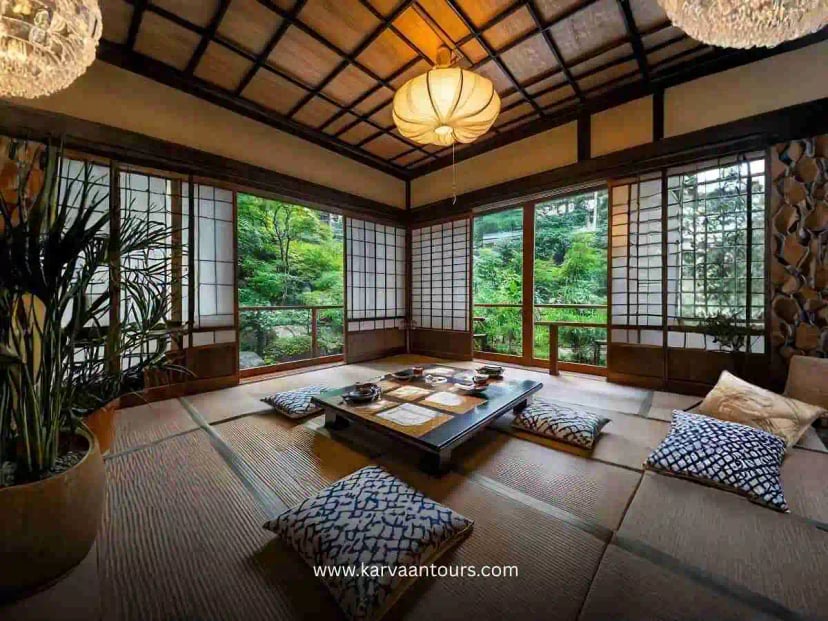
Traditional japanese tatami living room floor seating interior
Politeness and Respect Culture
In Japan, politeness is expressed through gestures like Bowing and using polite greetings. Bowing is a common way to show respect, gratitude, or apology. Even simple interactions are handled with courtesy, making respectful behavior an important part of everyday communication.
Importance of Personal Space and Cleanliness
Public cleanliness is a key aspect of Japanese culture. People are mindful of shared spaces and take responsibility for keeping areas clean. Tourists are expected to avoid littering and respect public environments, contributing to Japan’s well-known cleanliness and order.
Speaking Quietly and Behavior Norms
Quiet behavior is highly valued in Japan, especially in public places. Practices like Silence on trains and keeping phones on silent mode are common. Speaking loudly or causing disturbances is considered disrespectful, so maintaining a calm and quiet demeanor is important.
Public Etiquette in Japan
Public etiquette in Japan emphasizes respect for others, order, and cleanliness. Whether using transport, walking in public spaces, or disposing of waste, following proper behavior helps maintain harmony. Tourists who understand these rules can navigate daily situations more comfortably and respectfully.
Etiquette on Public Transport
Public transport in Japan is known for its efficiency and quiet environment. Following proper etiquette ensures a smooth experience for everyone. Passengers are expected to queue in an orderly manner, board calmly, and respect priority seating. Practices like Silence on trains are important, meaning conversations should be quiet and phones kept on silent. Eating, talking loudly, or disturbing others is generally discouraged.
Trash and Cleanliness Rules
Japan is famous for its cleanliness, and this is maintained through strict social habits. Public cleanliness is taken seriously, even though public trash bins are limited. Visitors are expected to carry their trash and dispose of it properly later. Recycling rules are also important, and separating waste correctly is encouraged. Many tourists are surprised by the lack of public trash bins, so carrying a small bag for waste is useful.
Outdoor Smoking Etiquette
smoking is regulated in public areas, and smoking is only allowed in designated zones. Smoking while walking is often prohibited, and violating these rules can result in fines. Respecting these restrictions helps maintain clean and safe public spaces.
Japanese Dining Etiquette
Dining etiquette in Japan reflects respect for food, tradition, and others at the table. From how you use utensils to how you behave in restaurants, following proper manners enhances your cultural experience. Understanding these rules helps visitors enjoy meals while respecting Japanese customs.
Chopstick Etiquette
Using Chopsticks correctly is an important part of dining etiquette in Japan. Avoid sticking chopsticks upright into rice, as it resembles a funeral ritual. Do not pass food directly from one set of chopsticks to another, and avoid pointing with them. Instead, place chopsticks neatly on the holder when not in use. Following these simple dos and don’ts shows respect for Japanese dining customs.
Eating and Table Manners
Japanese table manners emphasize appreciation and respect for food. Practices like Slurping noodles are acceptable and even appreciated, as they show enjoyment. However, leaving rice unfinished or playing with food is considered impolite. Saying polite phrases before and after meals is also part of proper etiquette.
Restaurant Etiquette and Payment
In Japanese restaurants, ordering is usually done politely and efficiently, and tipping is not expected. Payment is typically handled at the counter using a Money tray rather than handing cash directly. Respecting staff and maintaining a calm demeanor enhances the dining experience. In smaller restaurants, cash is still preferred despite growing digital payments.

Etiquette at Temples and Shrines
Visiting sacred places like temples and shrines requires respectful behavior and awareness of cultural traditions. These sites are not just tourist attractions but active places of worship. Visitors should remain quiet, follow posted rules, and observe local customs. Understanding proper etiquette helps preserve the spiritual atmosphere and shows respect for Japanese religious practices
Behavior at Sacred Places
At temples and shrines, visitors should behave calmly and respectfully. Avoid loud conversations, running, or disruptive actions. Follow traditional practices such as bowing slightly when entering and respecting sacred areas. Keeping a peaceful attitude helps maintain the spiritual environment of these places.
Photography and Respect
Photography is usually allowed in outdoor areas, but restrictions may apply inside buildings. Always check signs before taking photos and avoid using flash where prohibited. Being mindful of worshippers and not interrupting rituals shows respect for the sacred space.
Dress Code and Conduct
Wearing modest and respectful clothing is recommended when visiting temples and shrines. Avoid overly revealing outfits, and maintain a neat appearance. Proper conduct, including speaking softly and moving calmly, ensures a respectful visit.
Japanese Bath and Onsen Etiquette
Experiencing a Japanese onsen is a unique cultural activity, but it comes with specific rules. Cleanliness, respect, and proper behavior are essential. Understanding these etiquette guidelines helps visitors enjoy the experience while respecting traditional customs.
Bathhouse Rules
Understanding onsen etiquette is essential when visiting public baths in Japan. Guests are expected to bathe quietly, avoid splashing, and respect others’ space. Swimsuits are not worn in traditional onsen, and towels should not be placed in the bath water. Maintaining a calm and respectful atmosphere is key to enjoying the experience properly.
Cleanliness Before Bathing
Before entering the bath, visitors must thoroughly wash and rinse their bodies at the designated shower area. This cleansing ritual is an important part of Japanese bath culture and ensures the shared water remains clean. Skipping this step is considered disrespectful.
Tattoo and Behavior Guidelines
Some onsen have restrictions on visible tattoos due to cultural associations. Visitors may be asked to cover tattoos or use specific facilities that allow them. Quiet behavior is expected at all times, and respecting these guidelines helps ensure a comfortable experience for everyone.
Etiquette in Japanese Hotels and Ryokan
Etiquette in accommodations reflects Japanese values of cleanliness, respect, and order. Whether staying in modern hotels or traditional inns, following proper customs enhances your experience and shows cultural awareness.
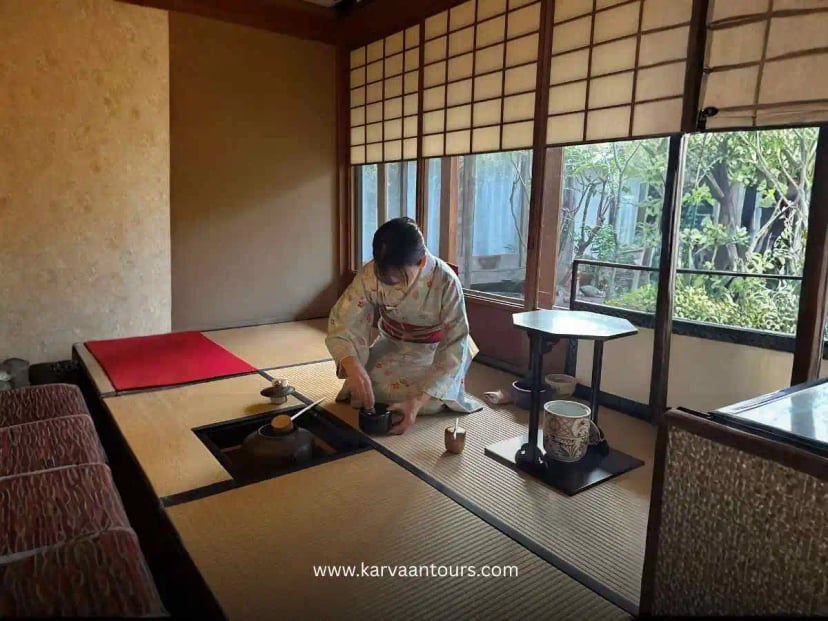
Japanese tea ceremony traditional tatami room cultural experience
Shoe Removal Culture
In many places, especially traditional stays, shoes must be removed at the Genkan (entryway for removing shoes). Guests are provided with Slippers for indoor use, and sometimes separate slippers for bathrooms.
Tatami and Room Etiquette
Rooms with Tatami mats require extra care. Shoes or slippers should not be worn on tatami, and guests should avoid dragging luggage across the surface. Sitting and moving carefully helps preserve the mats and maintain cleanliness.
Ryokan Etiquette
Staying at a Ryokan (traditional inns) involves following traditional customs such as wearing provided yukata, arriving on time for meals, and respecting quiet hours. These practices enhance the cultural experience and reflect Japanese hospitality.
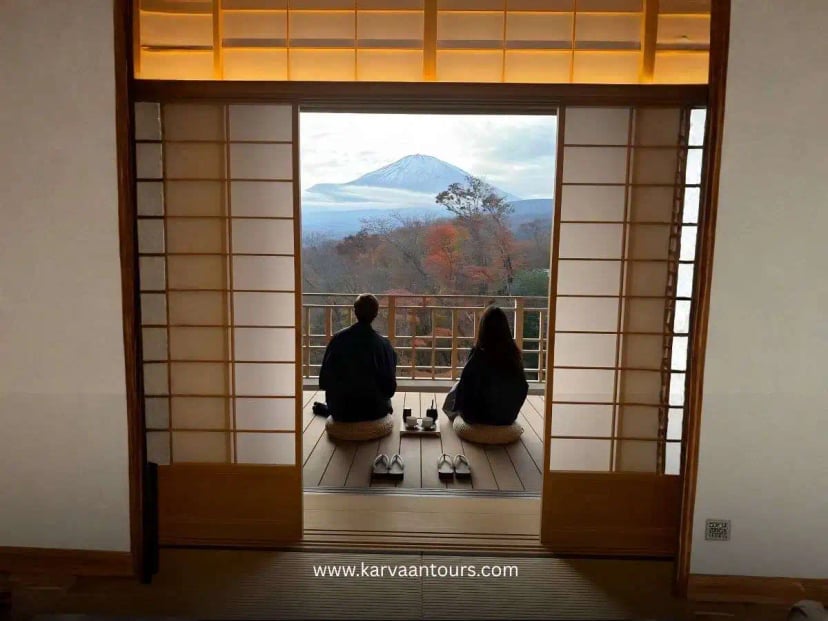
Mount fuji view traditional ryokan tatami room, Japan
Tipping, Gift Giving, and Social Etiquette
Social etiquette in Japan reflects respect, humility, and thoughtfulness. Understanding customs like tipping, gift giving, and communication helps visitors avoid awkward situations. Japanese society values polite interactions and subtle gestures, so following these practices allows tourists to blend in more naturally and show appreciation for local culture.
Tipping Etiquette in Japan
Japan has a no-tipping culture, and leaving a tip in restaurants, hotels, or taxis can be confusing or even considered unnecessary. Excellent service is already included in the experience, so simply saying thank you is enough to show appreciation.
Gift Giving Customs
Gift giving is an important tradition in Japan, and items should be offered and received with both hands as a sign of respect. Presentation matters, so neatly wrapped gifts are preferred. Showing gratitude through small gestures reflects good manners.
Apologizing and Courtesy Culture
Apologizing culture is deeply rooted in daily interactions. Saying sorry, even for minor inconveniences, is common and reflects politeness. This culture emphasizes harmony and respect in communication.
Do’s and Don’ts in Japan for Tourists
Knowing the key do’s and don’ts helps travelers avoid cultural mistakes and enjoy a smoother experience. Japanese etiquette is based on respect for others and maintaining social harmony, so following these guidelines is essential.
| Do’s | Don’ts |
|---|---|
| Speak quietly in public | Talk loudly on transport |
| Follow queueing rules | Skip lines |
| Remove shoes indoors | Enter with shoes |
| Dispose of trash properly | Litter |
| Respect local customs | Ignore cultural norms |
Important Do’s
Show respect, be punctual, and follow local customs. Simple actions like greeting politely, keeping spaces clean, and respecting rules go a long way in Japan.
Common Don’ts
Avoid loud behavior, littering, and ignoring local rules. Talking loudly in public, especially on transport, is considered impolite. Being mindful of your actions helps maintain harmony.
Quick Etiquette Checklist
· Speak quietly in public
· Follow queueing rules
· Remove shoes where required
· Dispose of trash properly
· Be polite and respectful
This quick checklist helps visitors remember essential etiquette during their trip.
Conclusion
Understanding Japan etiquette for tourists is key to having a respectful and enjoyable travel experience. Japanese culture places strong emphasis on politeness, cleanliness, and consideration for others. By following basic manners and cultural norms, visitors can avoid misunderstandings and connect more meaningfully with local traditions. Respecting these customs not only enhances your journey but also shows appreciation for Japan’s unique and harmonious way of life.