

Introduction to Visiting Japan During Summer
Visiting Japan during summer offers a vibrant and energetic travel experience shaped by seasonal events, natural beauty, and cultural traditions. Summer typically runs from June to August and brings warm temperatures, high humidity, and longer daylight hours. It is a time when cities become lively with festivals, while rural areas showcase lush landscapes and seasonal flowers. Travelers can explore beaches, mountains, and cultural sites within the same season. A well-planned Japan summer travel guide allows visitors to enjoy diverse experiences while managing weather conditions effectively.
Why summer is a unique travel season
Summer stands out as a unique travel season in Japan because it combines cultural celebrations with outdoor activities. Unlike spring or autumn, summer focuses heavily on festivals, fireworks, and local traditions. Events such as Matsuri create an immersive cultural experience with music, food, and performances. Coastal areas and mountainous regions also become popular, offering opportunities for relaxation and adventure. The combination of tradition, nature, and activity-based experiences makes summer a dynamic and engaging time to visit.
Who should visit Japan in summer
Summer is ideal for travelers who enjoy cultural events, outdoor exploration, and vibrant atmospheres. Those interested in festivals, beach destinations, and hiking will find this season particularly rewarding. It is also suitable for travelers who prefer less crowded mountain regions such as Hokkaido or the Japanese Alps. However, visitors who are sensitive to heat or humidity should plan carefully and focus on cooler regions. With the right preparation, summer can offer a balanced experience for different travel preferences.
Japan’s Seasons and Weather in Summer
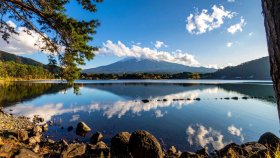
Japan experiences four distinct seasons, and summer is characterised by warmth, humidity, and seasonal rainfall. Understanding Japan’s seasons and weather helps travelers plan effectively and avoid discomfort. Early summer includes the rainy season, followed by hotter and sunnier conditions. Weather patterns can vary by region, but overall, summer brings a mix of sunshine and occasional rain. This seasonal diversity allows travelers to choose destinations based on climate preferences while still enjoying a wide range of experiences.
Summer temperatures by region in Japan
Summer temperatures in Japan vary significantly depending on location. Major cities such as Tokyo and Osaka often experience temperatures between 28 and 35 degrees Celsius with high humidity. In contrast, Hokkaido offers cooler conditions, usually between 20 and 25 degrees Celsius. Mountain regions such as the Japanese Alps provide a refreshing escape with lower temperatures and fresh air. This variation allows travelers to select destinations based on comfort.
Japan Summer Temperature by Region
|
Region |
Temperature Range |
Weather condition |
|
Tokyo |
28-35°C |
Hot and Humid |
|
Osaka |
28-35°C |
Very Humid |
|
Hokkaido |
20-25°C |
Cool and comfortable |
|
Japanese Alps |
18-25°C |
Cool and fresh |
|
Okinawa |
28-32°C |
Topical and humid |
Rainy season, humidity and weather conditions
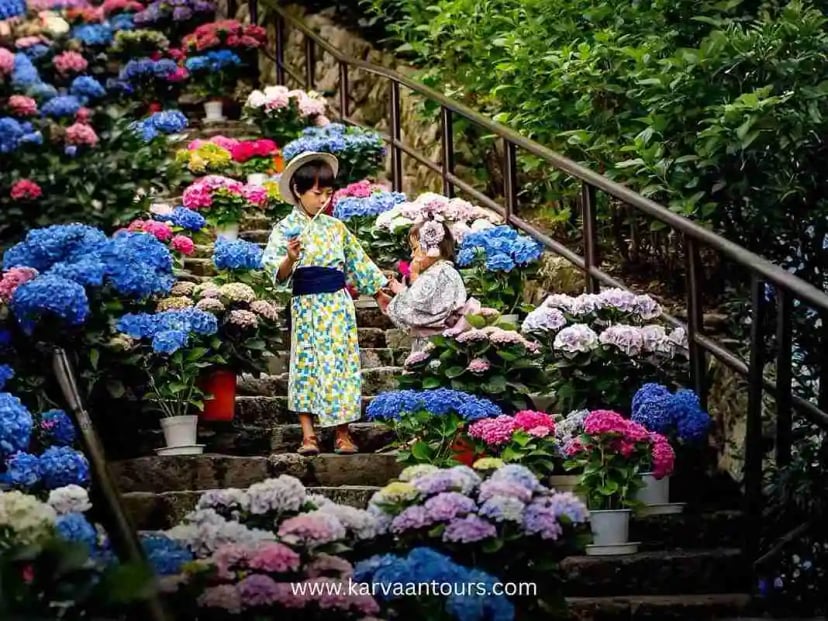
The rainy season, known as early summer, typically occurs in June and brings increased humidity and frequent rainfall. While it may affect outdoor plans, it also enhances greenery and seasonal flowers such as hydrangeas. Humidity remains high throughout summer, especially in urban areas, which can make temperatures feel warmer than they are. Planning activities during early mornings or evenings helps reduce discomfort. Despite these conditions, summer remains a popular travel period due to festivals and seasonal attractions.
Regional climate differences across Japan
Japan’s geography creates distinct climate zones across the country. Coastal areas experience sea breezes, while mountainous regions remain cooler. Southern areas such as Okinawa have a tropical climate with warm temperatures and occasional storms. Northern regions remain mild and less humid. Understanding these differences allows travelers to design a balanced itinerary that includes both cooler and warmer destinations, maximizing comfort and enjoyment.
What to Wear for the Heat and Essential Summer Items
Choosing appropriate clothing is essential for comfort during summer. Lightweight, breathable fabrics such as cotton and linen help manage heat and humidity. Loose-fitting clothing improves airflow and reduces discomfort during long walking days. Light colours are recommended as they reflect sunlight. Comfortable footwear is also important, as many activities involve walking. Dressing appropriately allows travelers to enjoy activities without being affected by extreme weather conditions.
Essential summer items for travelers
Carrying the right items can significantly improve your experience. A sun hat or cap and sunglasses help protect against strong sunlight. A small portable fan provides immediate relief during hot days, while a hand towel helps manage sweat. These simple items make daily travel more comfortable and practical.
- Sun hat or cap
- Sunglasses
- Portable fan
- Hand towel
- Sunscreen
Sun protection, including hat, sunglasses and UV sleeves
Sun protection is important during summer due to strong UV exposure. Items such as hats, sunglasses, and UV sleeves reduce direct sun impact and help maintain comfort. A light scarf or UV sleeves provide additional coverage while remaining lightweight. Using sunscreen and staying hydrated further enhances protection. Combining these methods ensures a safer and more enjoyable travel experience.
Packing checklist for Japan summer travel
A well-prepared packing list includes lightweight clothing, sun protection items, hydration essentials, and a compact umbrella for rain and sun. Portable fans, comfortable shoes, and travel-sized toiletries are also useful. Planning ahead ensures that travelers are prepared for varying weather conditions and can focus on enjoying their trip.
Japan Summer Packing Essentials
|
Category |
Items Included |
Purpose |
|
Clothing |
Lightweight Clothes and breathable Fabrics |
Stay cool in humidity |
|
Sun Protection |
Hat, Sunglasses and sunscreen |
Protect from strong UV |
|
Comfort |
Portable fan and hand towel |
Manage heat and sweat |
|
Rain Gear |
Compact umbrella |
Rain and sun protection |
|
Footwear |
Comfortable walking shoes |
Support long walking days |
Transportation in Japan During Summer
Japan’s transportation system remains efficient during summer, with trains and buses operating on reliable schedules. High-speed trains and local transit systems provide easy access to major destinations. Despite the heat, air-conditioned transport ensures comfort during travel.
Peak travel periods and crowd management
Summer includes peak travel periods due to school holidays and festivals. Popular routes and attractions can become crowded. Booking tickets in advance and traveling during non-peak hours helps reduce stress.
Stay cool while in transit
Staying cool during transit is important. Using air-conditioned trains, carrying water, and taking short breaks can improve comfort. Planning travel during cooler times of the day is also beneficial.
Tips for efficient summer travel
Efficient planning includes early departures, advance bookings, and flexible itineraries. These strategies help travelers avoid crowds and maximize time.
- Japan summer travel tips at a glance:
- Expect temperatures between 28–35°C in cities
- Plan early morning or evening activities
- Visit cooler regions like Hokkaido or the Alps
- Carry sun protection and hydration essentials
- Book transport and hotels in advance
Best Places to Visit in Japan in Summer
|
Destination |
Key highlight |
Best for |
|
Hokkaido |
Lavender fields |
Cool weather and nature |
|
Japanese Alps |
Hiking trails |
Mountain escape |
|
Okinawa |
Beaches and islands |
Tropical Experience |
|
Izu peninsula |
Coastal views |
Easy beach gateway |
|
Kii peninsula |
Country |
Peaceful Travel experience |
Hokkaido summer travel, lavender fields and flower parks
Hokkaido is widely considered one of the best destinations for summer travel due to its cooler climate and refreshing atmosphere. Unlike major cities, temperatures remain comfortable, making outdoor exploration more enjoyable. The region is especially famous for its vibrant lavender fields, which bloom during peak summer and attract visitors from around the world. Flower parks such as Yamana Flower Park showcase colourful seasonal displays, including sunflowers and other summer blooms. These landscapes create ideal conditions for photography, relaxation, and nature walks, making Hokkaido a perfect escape from heat.
Japanese Alps hiking and Kamikochi Valley nature escapes
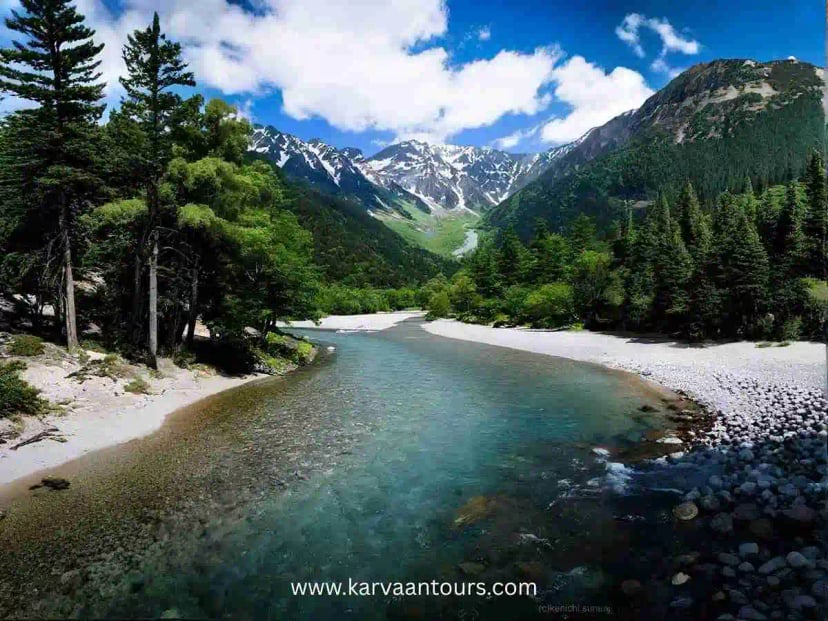
The Japanese Alps and Kamikochi Valley offer some of the most refreshing summer experiences in Japan. These mountainous regions provide cooler temperatures, clean air, and scenic trails that attract hikers and nature lovers. Kamikochi Valley, in particular, is known for its clear rivers, forest paths, and panoramic views of surrounding peaks. Travelers can enjoy peaceful walks, wildlife observation, and photography in a tranquil environment. These areas are ideal for those looking to escape urban heat while experiencing Japan’s natural beauty in a more relaxed setting.
Beaches in Japan in summer including Okinawa and Izu Peninsula
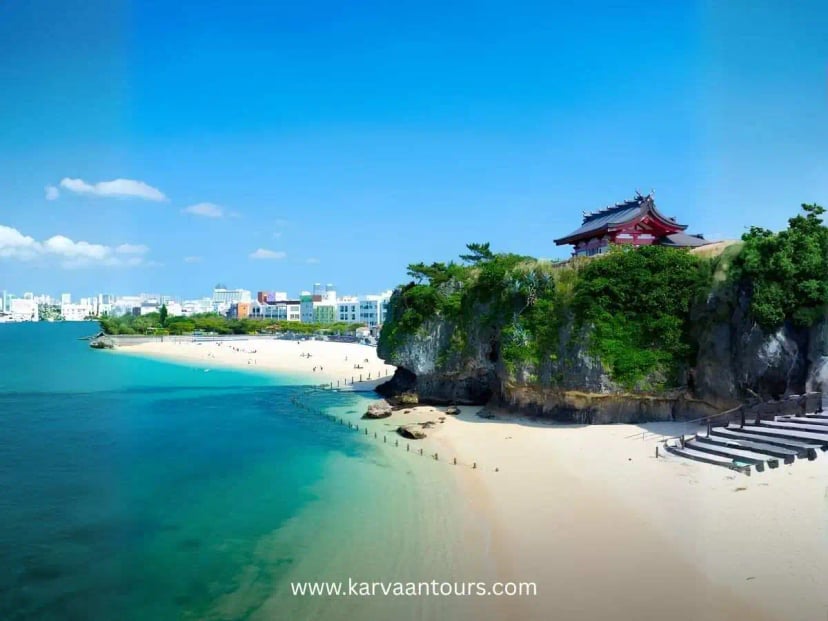
Okinawa and Izu Peninsula are among the best destinations for enjoying beaches in Japan in summer. Okinawa offers a tropical environment with crystal clear waters, white sandy beaches, and opportunities for snorkelling and swimming. The Izu Peninsula, located closer to Tokyo, provides easy access to coastal escapes with scenic ocean views and relaxing shorelines. These locations are perfect for cooling off during hot weather while enjoying water-based activities. Beach destinations add variety to summer travel and provide a refreshing contrast to inland sightseeing.
Scenic countryside, including Kii Peninsula and Yamana Flower Park
Wakayama’s Kii Peninsula offers a peaceful countryside experience with lush greenery, coastal views, and cultural heritage sites. This region is ideal for travelers seeking quiet environments away from crowded cities. In addition, Yamana Flower Park features seasonal displays of hydrangeas and sunflowers, adding vibrant colors to the landscape. Visitors can enjoy nature walks, photography, and local culture in a relaxed setting. These countryside destinations provide a slower pace of travel and highlight the natural beauty of Japan during summer.
Matsuri Japanese festivals and cultural traditions
Matsuri represents the heart of Japanese summer culture, combining tradition, community, and celebration. These festivals often include parades, live music, and street food stalls that create a lively atmosphere across cities and towns. Each region hosts its own unique version, reflecting local history and customs. Visitors can experience authentic traditions while interacting with locals, making matsuri one of the most immersive ways to understand Japanese culture during summer travel.
Major festivals including Tenjin Matsuri, Nebuta Matsuri and Awa Odori Festival
Major events such as Tenjin Matsuri, Nebuta Matsuri, and Awa Odori Festival attract large crowds and showcase regional traditions. These festivals feature elaborate floats, traditional performances, and energetic dances that reflect local heritage. Each event offers a distinct experience, allowing travelers to explore different cultural expressions while enjoying vibrant summer celebrations across Japan.
Japan's fireworks festivals, including Sumida River and Nagaoka Matsuri Fireworks Festival
Sumida River Fireworks Festival and Nagaoka Matsuri Fireworks Festival are among the most famous Japan fireworks festivals. These events feature large scale displays that light up the night sky and attract thousands of visitors. Fireworks are often accompanied by food stalls and festive gatherings, creating a memorable atmosphere. Attending a fireworks festival is considered a highlight of visiting Japan during summer.
Traditional experiences including Bon Odori Dance and Yukata
Traditional elements such as Bon Odori Dance and Yukata enhance the festival experience by connecting visitors with local customs. Bon Odori is a communal dance performed during summer festivals, encouraging participation from both locals and tourists. Wearing a yukata adds authenticity and allows travelers to fully immerse themselves in the cultural atmosphere. These traditions make summer festivals more engaging and culturally meaningful.
Summer Activities You Should Try in Japan
Hiking and nature trails in Japanese Alps and national parks
Hiking in the Japanese Alps and national parks offers a refreshing escape from summer heat. Cooler temperatures, clean air, and scenic landscapes make these regions ideal for outdoor exploration. Trails vary from easy walks to challenging routes, allowing travelers to experience nature while staying active and comfortable.
Island hopping and beach escapes in Okinawa and Kyushu
Okinawa and Kyushu offer excellent island hopping and beach experiences during summer. Crystal clear waters, sandy beaches, and coastal views create relaxing environments. Travelers can enjoy swimming, snorkeling, and short island visits while escaping city heat, making these destinations perfect for a refreshing summer getaway.
Cultural experiences and seasonal flower viewing including hydrangeas and sunflowers
Summer brings vibrant seasonal flowers such as hydrangeas and sunflowers across Japan. Parks and gardens transform into colorful landscapes, offering excellent photography opportunities. These experiences also connect travelers with seasonal traditions and local culture, making flower viewing a relaxing and visually rewarding activity during Japan summer travel.
Adventure and outdoor activities in summer
Summer is ideal for outdoor adventures such as water sports, cycling, and nature exploration. Travelers can try activities like kayaking, river rafting, and coastal exploration in various regions. These experiences add excitement to travel plans while allowing visitors to engage with Japan’s natural environment in an active and memorable way.
Food and Drinks to Keep You Cool in Japan
Summer in Japan brings intense heat and humidity, but the country’s seasonal cuisine is designed to help you stay refreshed and energized. When visiting Japan during summer, choosing the right foods and drinks can make a significant difference in how comfortable you feel throughout the day.
Popular summer foods in Japan
Summer cuisine in Japan focuses on light, refreshing meals that help manage heat. Dishes are designed to be easy to digest and cooling, making them perfect for hot weather. Travelers can enjoy seasonal foods that balance flavour and comfort while maintaining energy during long travel days.
Traditional cooling dishes such as somen noodles
Somen noodles are a traditional summer dish served chilled with light dipping sauces. They are simple, refreshing, and easy to eat in hot weather. This dish is widely available and represents how Japanese cuisine adapts to seasonal conditions, offering comfort during high temperatures.
Street food and festival snacks
Street food plays an important role in summer festivals, offering quick and flavorful options. Food stalls serve a variety of snacks that enhance the festival atmosphere. Trying these foods allows travelers to experience local culture while enjoying convenient and satisfying meals during outdoor events.
Refreshing desserts including kakigori Japanese shaved ice
Kakigori is a popular summer dessert made from finely shaved ice and flavored syrups. It provides immediate relief from heat and is available at festivals and cafes. This dessert is both refreshing and visually appealing, making it a must try during summer in Japan.
Mount Fuji Climbing Season and Summer Travel Experiences
The Mount Fuji climbing season runs from July to early September. Start from Fuji Subaru Line 5th Station and hike the Yoshida Trail. Many climbers stay overnight to watch the sunrise, making it one of Japan’s most iconic summer experiences.
Mount Fuji climbing season and best time to climb Mt Fuji
Summer marks the official climbing season for Mount Fuji, usually from July to early September. During this time, trails are open and conditions are safer for hikers. Clear skies and manageable weather make it the best period for those planning to climb Japan’s most iconic mountain.
Planning to climb Mt Fuji in summer
Climbing Mount Fuji requires preparation, including proper gear, physical readiness, and route planning. Travelers should start early, carry essentials, and consider altitude conditions. Booking accommodations or guided options in advance can improve the experience and ensure a safer and more organized climb.
Travel tips for Mount Fuji during summer
Travelers should check weather forecasts, start climbs early, and stay hydrated. Wearing proper clothing and pacing the journey helps manage fatigue. It is also important to follow safety guidelines and respect local regulations to ensure a smooth and enjoyableMount Fuji climbing experience during summer.
Travel Tips for Visiting Japan During Summer
Managing heat requires hydration, breathable clothing, and regular breaks. Using portable fans and staying in shaded or air-conditioned areas helps reduce discomfort. Planning outdoor activities during cooler hours ensures a more comfortable and enjoyable travel experience in Japan’s summer climate.
Tips to avoid crowds and peak travel periods
To avoid crowds, travelers should visit popular locations early in the morning or during weekdays. Planning ahead and booking tickets in advance reduces waiting times. Exploring less crowded regions also helps create a more relaxed and efficient travel experience during peak summer periods.
Health and safety precautions during summer travel
Protecting yourself from heat and sun exposure is essential. Use sunscreen, wear protective clothing, and stay hydrated throughout the day. Taking breaks and recognizing signs of heat exhaustion ensures a safe travel experience while exploring Japan during summer.
Common mistakes to avoid in Japan summer travel
Common mistakes include poor planning, underestimating heat, and overloading itineraries. Travelers should avoid late starts and unrealistic schedules. Preparing properly and allowing flexibility in plans helps ensure a smoother and more enjoyable summer trip in Japan.

Conclusion
Visiting Japan during summer can be a highly rewarding experience when planned carefully, as understanding weather conditions, choosing the right destinations, and preparing for heat ensures a smooth journey. From vibrant festivals and scenic landscapes to refreshing foods and outdoor activities, summer offers diverse travel opportunities. With proper preparation and smart planning, it becomes a great time to explore Japan, as the season provides unique cultural experiences, lively atmospheres, and memorable moments that are not available during other times of the year.