

Introduction
Sankeien Garden is a stunning traditional Japanese landscape garden located in Yokohama. Known for its pond-centred design, historic buildings, and seasonal beauty, it offers a peaceful escape from city life. As one of the top traditional Japanese gardens in Yokohama, it combines nature, culture, and architecture, making it a must-visit destination for travelers seeking authentic Japanese heritage experiences.
Sankeien Garden at a Glance
|
Information |
Details |
|
Japanese Name |
三溪園 (Sankeien Garden) |
|
Location |
Yokohama, Kanagawa Prefecture, Japan |
|
Opened |
1906 |
|
Founder |
Tomitaro Hara |
|
Famous For |
Historic buildings, traditional Japanese landscape garden |
|
Opening Hours |
Usually 9:00 AM–5:00 PM |
|
Admission |
Paid |
|
Best Time to Visit |
Spring and Autumn |
|
Recommended Visit Duration |
2–3 Hours |
|
Best For |
Families, photographers, couples and cultural travellers |
Sankeien Garden History and Significance
Origins and Founder Tomitaro Hara
Tomitaro Hara, a wealthy silk trader, created Sankeien Garden in 1906 as a cultural and artistic project. His vision was to preserve historic Japanese buildings and integrate them into a natural landscape setting. The garden was designed not only for personal enjoyment but also to promote cultural appreciation, making it a significant contribution to Japan’s heritage preservation efforts.
Historic Buildings and Architecture
Cultural and Heritage Importance
Why Is Sankeien Garden Worth Visiting?
How Much Time Do You Need at Sankeien Garden?
- Quick visit → 1.5 hours
- Full experience → 2–3 hours
- With nearby attractions → Half-day
Things to Do in Sankeien Garden
Sankeien Garden offers a rich blend of nature, history, and cultural experiences. Visitors can explore scenic walking trails, admire historic architecture, and enjoy traditional tea house experiences. The garden’s design combines peaceful landscapes with heritage structures, making it ideal for relaxation and sightseeing. Whether you are interested in photography, culture, or quiet exploration, Sankeien provides a complete Japanese garden experience.
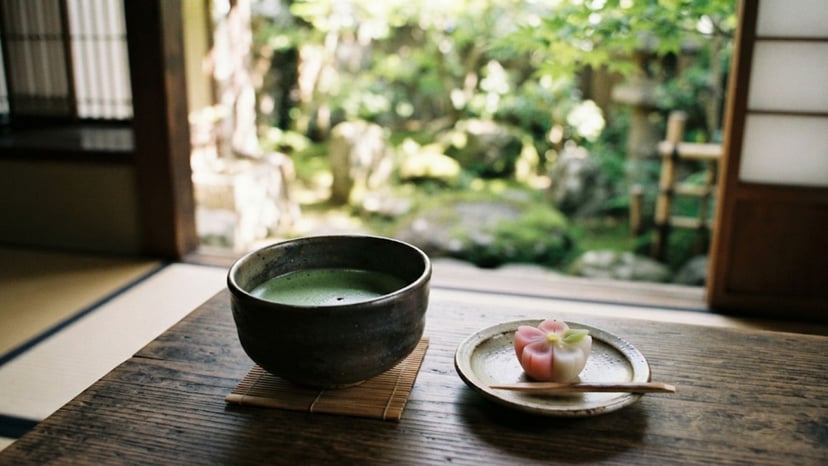
Experience authentic Japanese culture with matcha and sweets in a tea house.
Explore Scenic Walking Trails
Visit Historic Structures
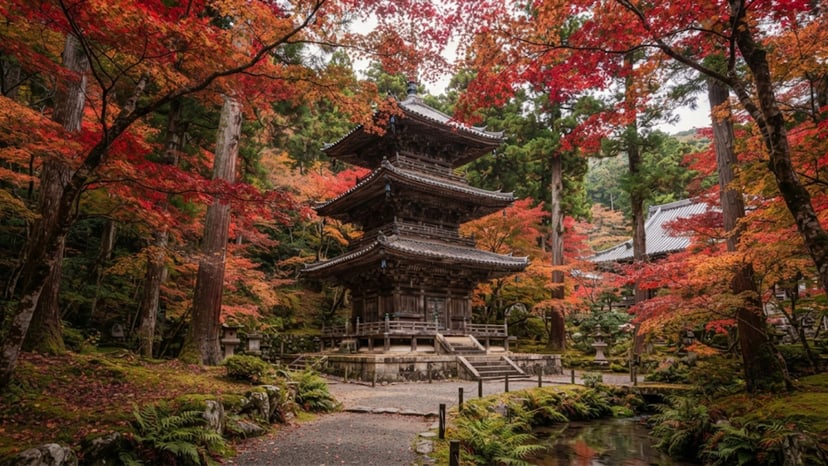
Sankeien Garden is home to iconic structures like the three-storey pagoda and the former Yanohara House. These historic buildings reflect traditional Japanese architecture and have been relocated from different regions. Exploring them provides insight into Japan’s past, showcasing craftsmanship and cultural heritage within a beautifully preserved garden environment.
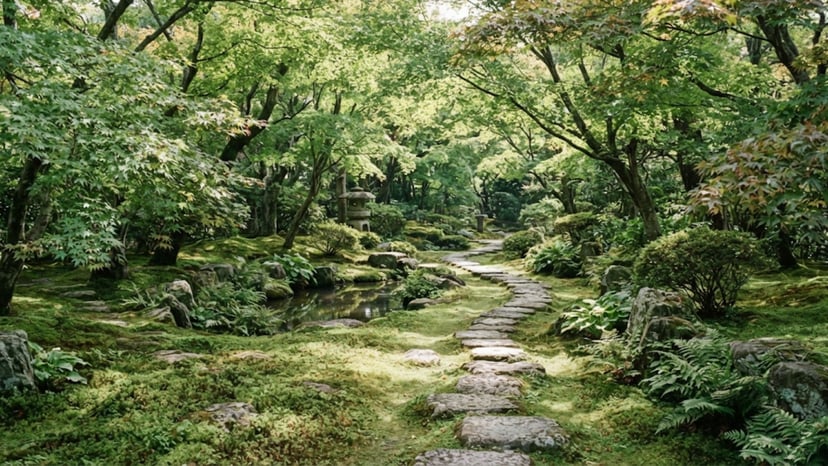
Winding stone paths lead visitors through the meticulously maintained landscape.
Enjoy Tea House Experience
Discover Inner and Outer Gardens
How to Get to Sankeien Garden, Yokohama
Access from Tokyo
Travelling from Tokyo to Yokohama is easy via the JR Keihin-Tohoku Line. The journey takes around 40 to 50 minutes. From Yokohama Station, visitors can take a bus directly to Sankeien Garden. This route is efficient and ideal for travelers planning a day trip itinerary.
Local Transport Options
Local transport options include the Minatomirai Line and convenient bus services from central Yokohama. Buses provide direct access to Sankeien Garden, making travel simple and affordable. Combining train and bus travel ensures smooth navigation, allowing visitors to reach the garden comfortably while exploring Yokohama’s surrounding attractions.
Reach Sankeien Garden Comfortably by Private Vehicle
|
Travel Option |
Best For |
Advantages |
|
Train & Bus |
Budget travellers |
Affordable and convenient |
|
Guided Tour |
First-time visitors |
Local insights and organised itinerary |
|
Private Vehicle (Karvaan Tours) |
Families, couples and groups |
Hotel pickup, flexible itinerary and comfortable travel |
Travel Tips for Visitors
When visiting Sankeien Garden, plan your route in advance using train and bus connections for smooth navigation. The best transport choices include trains from Tokyo followed by direct buses from Yokohama Station. Arriving early helps avoid crowds and allows easier exploration. Comfortable walking shoes and a flexible schedule ensure you can fully enjoy the garden’s scenic paths and cultural attractions.
Sankeien Garden Opening Hours and Tickets
Visiting Sankeien Garden is affordable and well-organised for travelers. Sankeien Garden opening hours usually run from morning until late afternoon, with slight seasonal changes. Ticket prices are reasonable, making it accessible for all visitors. Planning your visit early in the day or later in the afternoon helps avoid peak crowds and enhances your experience in this peaceful Japanese cultural heritage site.
Ticket Price Details
Sankeien Garden tickets are typically priced around 700 yen for adults, offering access to the entire garden and its historic buildings. Discounts may be available for children and groups. The ticket price provides excellent value considering the extensive grounds, scenic views, and cultural attractions, making it a worthwhile experience for travelers exploring Yokohama’s traditional Japanese gardens.
Opening Hours Information
Sankeien Garden opening hours generally start around 9:00 AM and close by 5:00 PM, with last entry before closing time. Hours may vary slightly depending on the season and special events. It is recommended to check updated timings before visiting to plan accordingly and make the most of your time exploring the garden’s landscapes and historic architecture.
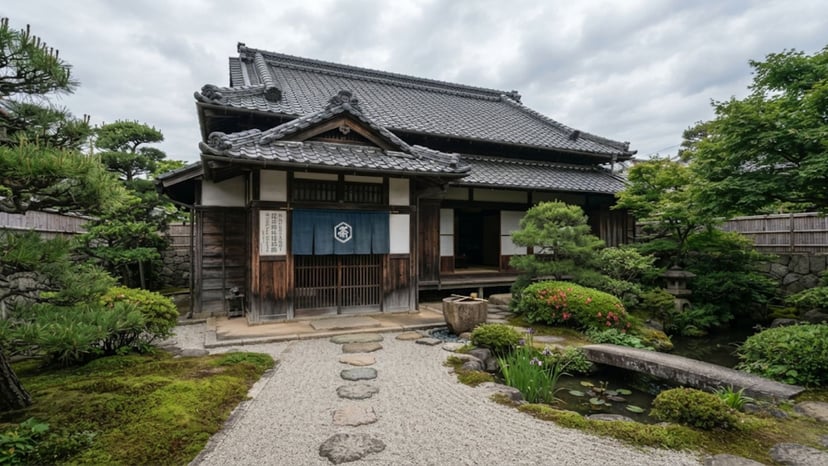
Carefully relocated historic houses showcase traditional Japanese craftsmanship.
Can Tourists Visit Sankeien Garden?
Absolutely. Sankeien Garden welcomes visitors from around the world throughout the year. International travellers can explore the beautifully maintained gardens, admire historic buildings, enjoy traditional tea house experiences, and participate in seasonal events. English information is available throughout the garden, making it easy for first-time visitors to appreciate its cultural and historical significance.
Best Time of Day to Visit
The best time of day to visit Sankeien Garden is early morning or late afternoon. Morning visits offer a calm and peaceful environment, while late afternoon provides softer lighting for photography. Avoid midday when crowds are highest, especially during peak seasons like cherry blossom and autumn foliage periods, to enjoy a more relaxed experience.
Weather at Sankeien Garden Throughout the Year
Yokohama experiences four distinct seasons, allowing Sankeien Garden to offer a different atmosphere throughout the year. Spring and autumn provide the most comfortable weather for sightseeing, while summer brings lush greenery and winter offers quieter walking paths with fewer visitors. Comfortable walking shoes, sunscreen during warmer months, and a compact umbrella during the rainy season are recommended to ensure an enjoyable visit.
Best Time to Visit Sankeien Garden
The best time to visit Sankeien Garden depends on seasonal beauty and personal preferences. Spring is ideal for cherry blossom viewing, while autumn offers vibrant foliage. Summer provides lush greenery, and winter is quieter with fewer visitors. Planning your visit during weekdays and early hours helps avoid crowds, ensuring a more peaceful and enjoyable experience in this traditional Japanese landscape garden.
Cherry Blossom Season Highlights
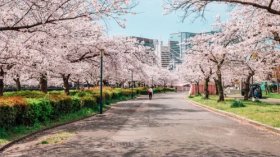
The Sankeien Garden cherry blossom season, typically from late March to early April, transforms Sankeien Garden into a picturesque landscape filled with soft pink blooms. Popular photography spots for cherry blossoms include areas near the Three-storey Pagoda and scenic ponds. These locations provide stunning reflections and compositions, making spring one of the most visually rewarding times to visit this iconic Japanese garden.
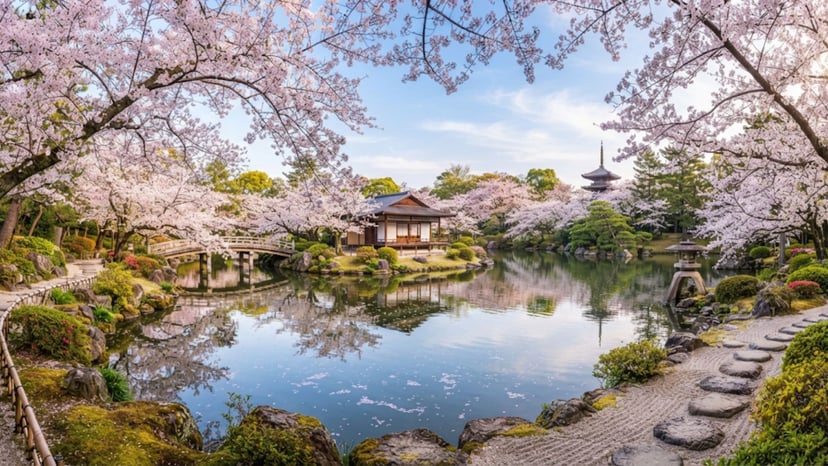
Spring transforms the garden with delicate cherry blossoms and soft light.
Autumn Foliage Experience
Sankeien Garden autumn foliage usually peaks from November to early December, offering vibrant red and golden leaves across the landscape. This autumn leaves viewing Japan experience highlights scenic bridges, historic buildings, and reflective ponds. The combination of traditional architecture and colourful foliage creates a dramatic and peaceful setting, making it one of the best times for photography and cultural exploration in Yokohama.
Seasonal Comparison and Tips
Spring and autumn are the best seasons to visit Sankeien Garden due to cherry blossoms and vibrant foliage. Summer offers lush greenery but can be humid, while winter provides a quieter atmosphere with fewer crowds. For the best experience, visit during weekdays and early hours to avoid peak tourist times and enjoy a peaceful garden environment.
Seasonal Highlights at Sankeien Garden
|
Season |
Highlights |
|
Spring |
Cherry blossoms, fresh greenery and pleasant temperatures |
|
Summer |
Lush gardens, lotus flowers and peaceful landscapes |
|
Autumn |
Brilliant red and golden maple leaves |
|
Winter |
Plum blossoms, fewer crowds and tranquil scenery |
Sankeien Garden Experience, Japan
Sankeien Garden offers a complete cultural immersion experience, combining traditional design, peaceful landscapes, and authentic Japanese activities. Visitors can explore scenic gardens, participate in cultural rituals, and enjoy a tranquil environment. This balance of nature and heritage creates a unique opportunity to experience Japan’s cultural identity within one of Yokohama’s most iconic and serene destinations.
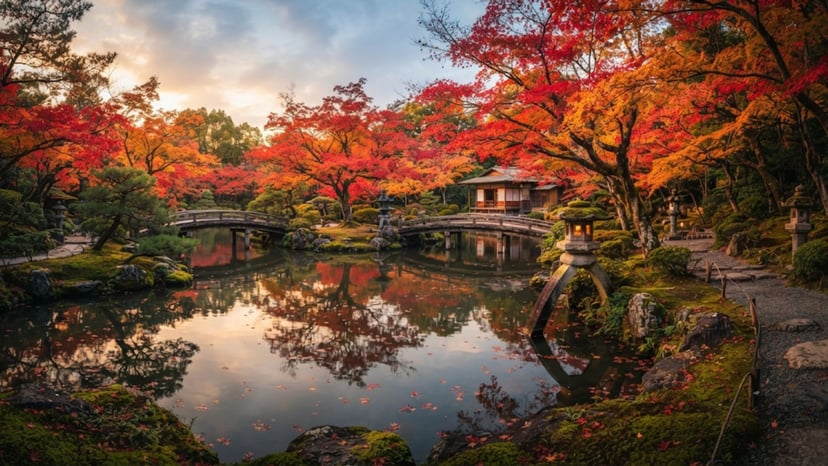
Autumn foliage peaks, creating a dramatic and colourful garden setting.
Traditional Landscape Design
Sankeien Garden showcases a classic Japanese landscape garden style with carefully arranged elements like ponds, bridges, and pathways. The scenic bridges and ponds create harmonious views that change with the seasons. This traditional design reflects centuries of Japanese garden philosophy, emphasising balance, simplicity, and a strong connection between nature and architecture.
Peaceful and Zen Atmosphere
The Zen Garden atmosphere at Sankeien Garden provides a quiet escape from the busy streets of Tokyo and Yokohama. Visitors can enjoy peaceful walking trails surrounded by greenery and water features. This calm environment makes it an ideal place for relaxation, reflection, and experiencing the spiritual essence of traditional Japanese gardens.
Cultural Activities and Experiences
Visitors can enjoy cultural activities such as traditional tea ceremony experiences at Sankeien Garden. These cultural immersion experiences Japan travelers seek include tasting matcha tea and learning about Japanese customs. Participating in these activities adds depth to the visit, allowing guests to connect with Japan’s heritage beyond sightseeing and enjoy a more meaningful cultural experience.
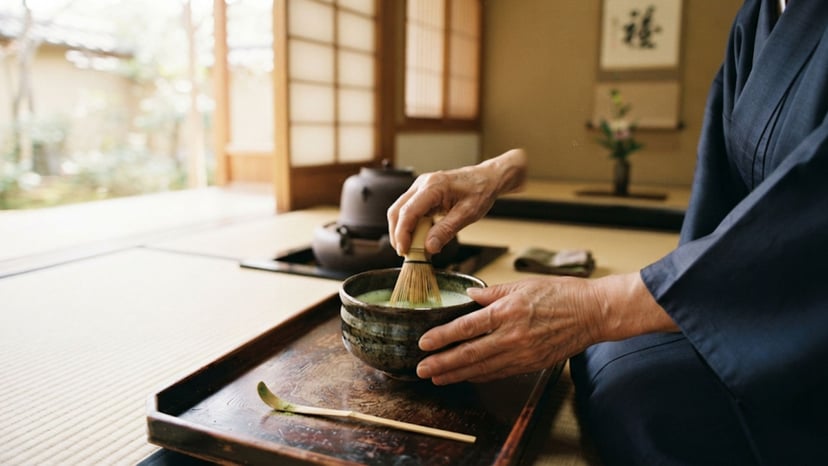
Traditional tea ceremonies offer a deeper connection to Japanese heritage.
Sankeien Garden Itinerary
Planning a Sankeien Garden itinerary helps visitors explore the garden efficiently while enjoying nearby Yokohama attractions. A structured plan ensures you cover scenic trails, historic buildings, and cultural experiences without rushing. This approach is ideal for day trips, allowing travelers to balance nature, history, and city exploration within a single, well-organised visit.
Suggested Walking Route
Start your visit at the main entrance and follow an efficient route that circles the pond and passes key landmarks like the three-storey Pagoda and historic houses. This walking route ensures you experience all must-see spots while avoiding unnecessary backtracking. Clear paths and signage make navigation easy, even for first-time visitors exploring the garden.
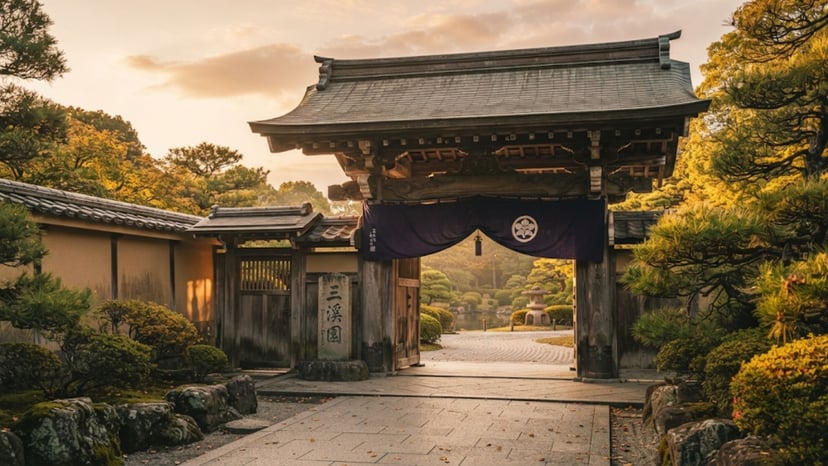
A perfect ending to a day of cultural immersion in Yokohama.
Combine with Yokohama Attractions
Enhance your trip by combining Sankeien Garden with nearby attractions like Yokohama Chinatown and Minato Mirai. These areas offer dining, shopping, and waterfront views. Visiting them alongside the garden provides a balanced experience of culture, modern attractions, and local lifestyle in Yokohama.
Day Trip Itinerary: Yokohama
A day trip itinerary for Yokohama can include Sankeien Garden in the morning, followed by city attractions in the afternoon. Start early to explore the garden peacefully, then head to Minato Mirai or Chinatown for lunch and sightseeing. This travel flow ensures efficient time management while allowing you to experience both traditional and modern aspects of Yokohama.
Nearby Attractions to Sankeien Garden
Sankeien Garden is surrounded by diverse attractions that enhance your Yokohama itinerary. From relaxing parks to cultural landmarks, the area offers a mix of nature and city experiences. Exploring nearby spots allows visitors to extend their trip beyond the garden, making it ideal for a full day of sightseeing filled with scenic beauty, cultural exploration, and unique local experiences.
Parks and Nature Spots
Nearby green spaces like Negishi Forest Park provide a peaceful retreat with open lawns and walking paths. This park is perfect for relaxing after exploring Sankeien Garden, offering a natural setting ideal for picnics and leisurely strolls. It complements the traditional garden experience with a more open and modern landscape environment.
Cultural and City Attractions
Visitors can explore popular attractions such as Cup Noodles Museum Yokohama and Yamashita Park. These sites offer interactive experiences, waterfront views, and cultural insights. Combining them with Sankeien Garden provides a well-rounded itinerary that blends traditional Japanese heritage with modern city attractions.
Hidden Gems in Yokohama
Yokohama also features hidden gems that offer less crowded and unique experiences. Small local parks, quiet neighbourhoods, and lesser-known cultural spots allow visitors to explore beyond typical tourist routes. Discovering these areas provides a deeper connection to the city’s charm, making your trip more authentic and memorable.
Sankeien Garden Photography Tips
Capturing the beauty of Sankeien Garden requires thoughtful planning and timing. With its scenic landscapes, historic buildings, and seasonal colours, the garden offers excellent photography opportunities. Understanding the best locations, lighting conditions, and seasonal elements helps create visually striking images that reflect the essence of this traditional Japanese garden.
Best Photography Spots
Key photography spots include views of the three-storey pagoda, scenic bridges, and reflective ponds. These locations provide balanced compositions combining architecture and nature. Capturing different angles and perspectives enhances visual depth, making your photos more dynamic and engaging.
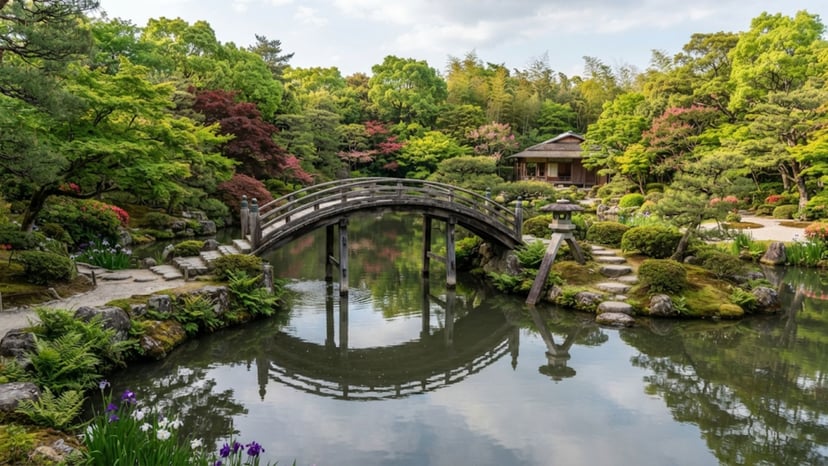
The serene pond-centered design offers a peaceful escape in Yokohama.
How Long Should You Spend at Sankeien Garden?
Most visitors spend between two and three hours exploring Sankeien Garden. This provides enough time to walk through both the Inner and Outer Gardens, admire the historic buildings, enjoy a traditional tea house, and take photographs of the seasonal scenery. Travellers combining the garden with nearby attractions such as Yokohama Chinatown or Minato Mirai should allow at least half a day for their visit.
Lighting and Timing Tips
Lighting plays an important role in photography at Sankeien Garden. Early morning and golden hour offer soft, natural light that enhances colours and textures. Avoid midday sunlight, which can create harsh shadows. Visiting during optimal lighting conditions ensures better image quality and more visually appealing photos.
Seasonal Photography Ideas
Seasonal changes provide unique photography opportunities at Sankeien Garden. Cherry blossoms in spring and autumn foliage create vibrant landscapes, while reflections in ponds add depth to images. Capturing flowers, foliage, and water reflections helps create diverse compositions, making each season visually distinctive and rewarding for photographers.
Sankeien Garden Travel Tips
Visitor Etiquette
Visitors should respect nature and heritage by following garden rules, staying on paths, and avoiding damage to plants or structures. Maintaining quiet behaviour and respecting cultural spaces enhances the experience for everyone. Observing these guidelines ensures preservation of the garden and a more meaningful visit.
Visitor Facilities at Sankeien Garden
Sankeien Garden offers a range of facilities to ensure a comfortable visit. Guests will find clean restrooms, souvenir shops, rest areas, vending machines, and traditional tea houses serving matcha and seasonal sweets. Limited parking is also available for visitors arriving by car, while well-maintained walking paths make it easy to explore the garden at a relaxed pace.
Walking and Planning Tips
Wear comfortable shoes and plan your route in advance to navigate the garden efficiently. Allocate enough time to explore all key areas without rushing. Early arrival helps avoid crowds and allows for a more relaxed experience. These simple steps improve your overall visit and ensure better time management.
Family and Romantic Visit Tips
Sankeien Garden Compared with Other Japanese Gardens
|
Garden |
Best Known For |
Location |
|
Sankeien Garden |
Historic buildings and traditional landscape |
Yokohama |
|
Rikugien Garden |
Autumn foliage |
Tokyo |
|
Koishikawa Korakuen |
Edo-period landscape design |
Tokyo |
|
Kenroku-en |
One of Japan's Three Great Gardens |
Kanazawa |
Is Sankeien Garden Worth Visiting?
Without question. Sankeien Garden is one of Yokohama's most impressive cultural attractions, offering visitors the opportunity to experience traditional Japanese landscape design, beautifully preserved historic buildings, and peaceful natural scenery in one location. Whether you visit during cherry blossom season, autumn foliage, or the quieter winter months, the garden provides an authentic glimpse into Japan's architectural heritage and seasonal beauty. For travellers looking to explore beyond Tokyo's busy streets, Sankeien Garden is well worth including in any Yokohama itinerary.