

Mount Fuji Tour from Tokyo
A Mount Fuji tour from Tokyo is a convenient way to explore the region without spending most of the day dealing with transport connections. A typical day trip can include popular attractions such as Lake Kawaguchi, Chureito Pagoda, Oshino Hakkai and scenic viewpoints, depending on your interests and available time. You can travel by train, bus or private car, with each option offering a different level of cost, comfort and flexibility. Since the journey can take several hours and weather conditions can change quickly, planning your route carefully is important. A private tour provides greater freedom to adjust the schedule based on traffic, crowds and visibility, making it a practical choice for a relaxed day trip from Tokyo.
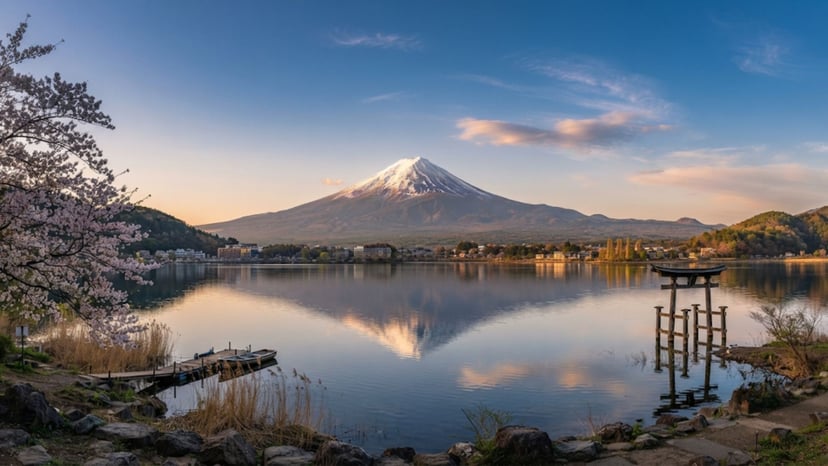
Experience the iconic peak of Mount Fuji on a private day trip.
What a Mount Fuji Tour from Tokyo Typically Includes
How Far Is Mount Fuji from Tokyo?
Mount Fuji is approximately 100–130 kilometres from central Tokyo, depending on which part of the Fuji region you visit. Popular destinations such as Lake Kawaguchiko, Chureito Pagoda and Oshino Hakkai can usually be reached within two to three hours, making them ideal for a day trip.
How to Get from Tokyo to Mount Fuji by Train
If you want to travel by train from Tokyo to Mount Fuji, one of the most convenient options is the Fuji Excursion Limited Express, which runs from Shinjuku towards the Fuji Five Lakes area, including Kawaguchiko. Current JR East timetables show Fuji Excursion services travelling from Shinjuku via Otsuki to Kawaguchiko, with stops including Fujisan Station and Fuji-Q Highland on the way. Another option is to take a JR Chuo Line service from Tokyo or Shinjuku towards Otsuki and connect with the privately operated Fujikyu Railway for the Fuji area. This can be useful for travellers who prefer independent travel, although it involves coordinating connections and checking departure times. Once you reach Kawaguchiko Station or Fujisan Station, local buses can take you onwards to popular sightseeing areas and Mount Fuji's 5th Station. For an independent trip to Mount Fuji from Tokyo, train travel offers predictable departure times and avoids road traffic. However, the train takes you to the Fuji area rather than directly to every viewpoint, so you may still need local buses, taxis or other transport to visit Lake Kawaguchi, Oshino Hakkai, Chureito Pagoda and other Mount Fuji tourist activities.
Can You Take a Bullet Train from Tokyo to Mount Fuji?
There is no direct Tokyo to Mount Fuji bullet train that takes you straight to the main Fuji Five Lakes sightseeing areas such as Kawaguchiko. The Tokaido Shinkansen does, however, provide access to the wider Mount Fuji region through stations such as Shin-Fuji and Mishima, from where travellers can continue by bus. JNTO notes that buses connect Shin-Fuji and Mishima with Kawaguchiko, although these routes involve an additional connection. For most travellers visiting Lake Kawaguchi, Chureito Pagoda or Oshino Hakkai, the bullet train to Mount Fuji is therefore not necessarily the simplest option. The Fuji Excursion from Shinjuku can provide a more direct rail journey to Kawaguchiko, while a highway bus can be even simpler if you want to travel directly from Tokyo without changing trains.
This distinction is important because searching for a Tokyo to Mount Fuji bullet train can give the impression that a Shinkansen travels directly to the mountain. In practice, your best transport choice depends on which part of the Fuji region you plan to visit.
Tokyo to Mount Fuji by Bus
Travelling from Tokyo to Mount Fuji by bus is one of the simplest options for independent travellers, particularly if your main destination is Kawaguchiko. Highway buses operate from major Tokyo departure points including Shinjuku, with current services connecting Shinjuku and Kawaguchiko in approximately 1 hour 45 minutes under scheduled conditions. Direct bus services can also operate between Shinjuku and Mount Fuji 5th Station, although availability and routing vary by season. The current highway-bus information lists a journey time of approximately 2 hours 25 minutes for the Shinjuku–5th Station service, with seasonal changes to the route. For travellers comparing bus vs train from Tokyo to Mount Fuji, the bus has one major advantage: you can avoid changing trains. The trade-off is that road traffic can affect journey times, particularly on weekends, holidays and peak sightseeing dates. If you are visiting several Fuji viewpoints in one day, a private car can offer more flexibility than either scheduled buses or trains.
Mount Fuji Train Station: Where Should You Arrive?
The term Mount Fuji train station can be confusing because there is no single railway station that serves every Mount Fuji attraction. Fujisan Station is a key railway station in the Fuji area and is particularly useful for access towards the Yoshida side of Mount Fuji. Kawaguchiko Station is another major arrival point for visitors exploring Lake Kawaguchi and the surrounding Fuji Five Lakes. JNTO identifies Fujisan Station as the closest station to the Yoshida Trail and notes that buses from Fujisan Station or Kawaguchiko Station can continue towards Mount Fuji 5th Station. For sightseeing rather than climbing, Kawaguchiko Station is often the more useful arrival point because it provides access to Lake Kawaguchi, Oishi Park and other attractions. If your itinerary focuses on the Yoshida Trail or Fujiyoshida area, Fujisan Station may be more appropriate.
Mount Fuji Day Trip Itinerary from Tokyo
| Time | Activity |
|---|---|
| 6:30 AM | Leave Tokyo by private car, train or early bus |
| 8:30–9:00 AM | Arrive in the Fuji area |
| 9:00 AM | Chureito Pagoda |
| 10:30 AM | Lake Kawaguchi |
| 12:30 PM | Lunch |
| 1:30 PM | Oishi Park or Mount Fuji Ropeway |
| 3:00 PM | Oshino Hakkai |
| 4:30 PM | Final Fuji viewpoint |
| 5:00 PM | Begin journey back to Tokyo |
| 7:00–8:00 PM | Arrive in Tokyo, depending on traffic/transport |
Types of Mount Fuji Tours Available from Tokyo
Private vs Shared Mount Fuji Tours
| Tour Type | Flexibility | Comfort | Visibility Control |
|---|---|---|---|
| Private Tour | High | Comfortable | Adjustable |
| Shared Tour | Low | Standard | Fixed |
| Train Travel | Limited | Self-managed | No control |
Private Mount Fuji Tour from Tokyo
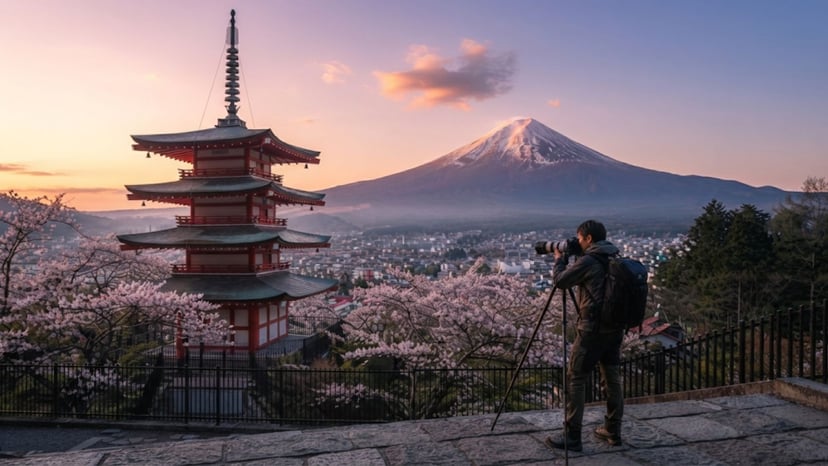
Early morning light is best for capturing the "Red Fuji" phenomenon.
Mount Fuji Guided Tour Experience
| Feature | Private Tour | Shared Group Tour | Train Travel (Independent) |
| Flexibility | High: Routes change based on weather/traffic. | Low: Follows a fixed, pre-set itinerary. | Limited: Rigid departure and transfer times. |
| Comfort | Excellent: Door-to-door, private vehicle. | Standard: Large bus, shared with many others. | Low: Requires transfers and walking. |
| Visibility Control | Full: Drivers prioritise clearer views. | None: Set schedule regardless of clouds. | None: Dependent on train timing. |
| Pacing | Relaxed: Tailored to your needs. | Fast-paced: Limited time at each stop. | Variable: Managed entirely by you. |
| Ideal For | Families, couples, limited time. | Budget-conscious solo travelers. | Adventurous, independent travelers. |
Key Takeaway for Your Planning
-
Private tours are the best choice for travelers who value efficiency and want to maximise their chances of seeing a clear Mount Fuji by adjusting the plan on the fly.
-
Shared tours are a practical, budget-friendly alternative if you prefer a "hands-off" experience and don't mind following a group schedule.
-
Train travel offers the most autonomy but requires high energy and careful planning to coordinate the train schedule with local buses or taxis in the Fuji area.
The Sunset Silhouette: A Masterpiece of Light
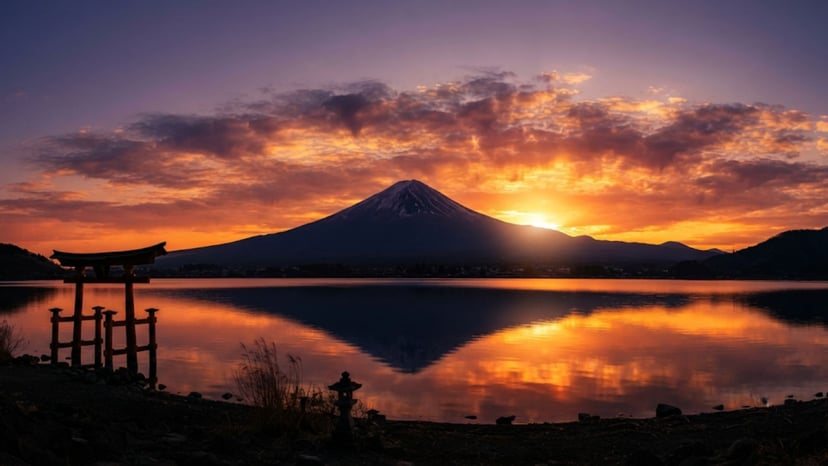
End your day trip with a panoramic sunset view over the mountain.
Mount Fuji Tour by Private Car
Tokyo Mount Fuji Private Car Travel Overview
Top Mount Fuji Sightseeing Locations Included in Tours
Mount Fuji tours from Tokyo usually focus on a limited number of carefully selected locations rather than trying to cover too much in one day.
| Location | Why It’s Prioritized | Best Timing Strategy |
| Lake Kawaguchi | Offers an open, reliable shoreline for wide mountain views. | Early morning to beat cloud build-up. |
| Oishi Park | Combines mountain views with seasonal floral displays. | Kept brief to avoid peak congestion. |
| Oshino Hakkai | Provides cultural contrast with historic ponds and traditional architecture. | Scheduled after lake viewpoints as visibility wanes. |
| Chureito Pagoda | An iconic, world-famous viewing spot featuring a five-storey pagoda framed by Mount Fuji. | Morning hours to ensure the best light for the pagoda and mountain view. |
This approach is based on real travel conditions around the mountain, where visibility, traffic flow, and crowd levels change quickly. Drivers and planners prioritise stops that consistently offer clear views and manageable access. Visiting fewer locations with proper timing often results in better viewing conditions than rushing between many stops. This method allows travelers to spend more time enjoying the scenery instead of waiting in traffic or crowded parking areas.
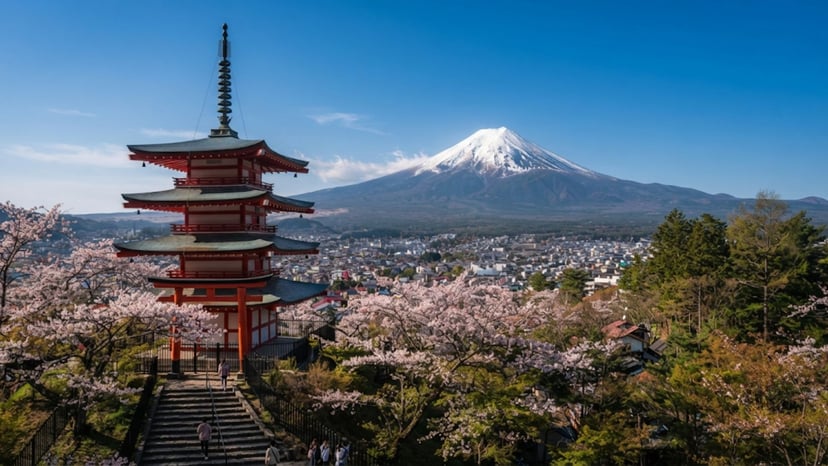
The five-storey pagoda remains a world-famous spot for Fuji photos.
Lake Kawaguchi and Mount Fuji Views
Oishi Park Seasonal Scenery Experience
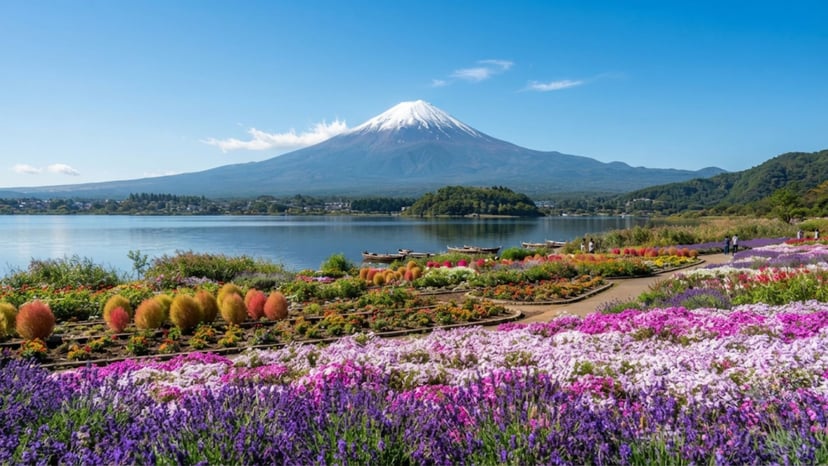
Seasonal blooms at Oishi Park offer a perfect contrast to the mountain.
Travelers visiting during popular seasons are encouraged to plan Mount Fuji tours in advance, as timing access to these locations plays a major role in viewing quality.
Oshino Hakkai Cultural Stop
Mount Fuji Oshino Hakkai Tour Route from Tokyo
The Mount Fuji Oshino Hakkai tour route from Tokyo works well for travellers who want to combine scenic viewpoints with a traditional Japanese village in one day. An early departure gives you more time to reach the Fuji Five Lakes area and visit open viewpoints before cloud cover potentially develops around the mountain. Depending on traffic and Mount Fuji weather, the sightseeing order can be adjusted to prioritise clearer views before continuing to Oshino Hakkai. For travellers planning a day trip to Mount Fuji from Tokyo, this route creates a practical balance between photography and cultural sightseeing. After visiting places such as Lake Kawaguchi, the journey to Oshino Hakkai provides a change of scenery, with spring-fed ponds, traditional buildings and views of the surrounding mountains. During busy periods, a private vehicle also makes it easier to adjust arrival times and avoid unnecessary delays around popular access roads.
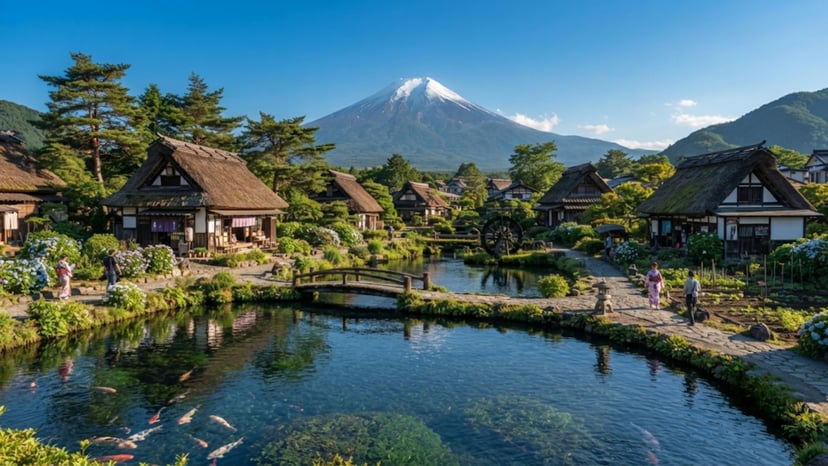
Explore the historic, spring-fed ponds of Oshino Hakkai.
Custom Mount Fuji Tour Planning Options
Mount Fuji Sightseeing from Tokyo Seasonal Considerations
Mount Fuji sightseeing from Tokyo is highly dependent on seasonal weather behaviour, especially cloud movement and temperature changes.
Visibility is highly dependent on seasonal weather patterns.
| Season | Viewing Conditions | Strategy |
| Winter/Cool Months | Generally clearer | Ideal for photography |
| Summer | Higher cloud buildup | Early morning is mandatory |
| Spring/Autumn | Temperature shifts | Monitor traffic flow |
Mount Fuji Tour Package Inclusions Explained
A Mount Fuji tour package is structured to remove uncertainty during the day rather than add optional extras. Inclusions typically focus on coordinated transport, planned sightseeing order, and managed stop timing. This approach prevents delays caused by last-minute route decisions, which often reduce viewing time. During busy seasons, pre-planned inclusions also help avoid congestion at access points. A clear package structure allows travelers to understand what is arranged in advance, making it easier to choose a tour that matches comfort expectations and available time.
Mount Fuji Tour from Tokyo: Price Factors
The cost of a Mount Fuji day trip is determined by your travel style, group size, and the level of customisation required. While shared tours offer a lower entry price, private tours provide superior value through personalised itineraries, dedicated vehicles, and door-to-door convenience.
| Tour Type | Estimated Starting Price (per group) | Key Inclusions |
| Shared Bus/Coach Tour | ~$50–$65 per person | Fixed stops, shared guide, set schedule |
| Private Standard Tour | ~$325–$450 per group | Private vehicle, flexible route, hotel pickup |
| Luxury Private Tour | ~$390–$550+ per group | Premium SUV/van, high-end service, extended hours |
For planning your trip, you can refer to the following official resources for safety, logistics, and registration:
-
Official Mt. Fuji Climbing Website: This is the definitive source for trail status, safety warnings, and mandatory hiking registration for the 2026 season.
Tour pricing varies depending on season, group size, and level of customisation rather than fixed rates.
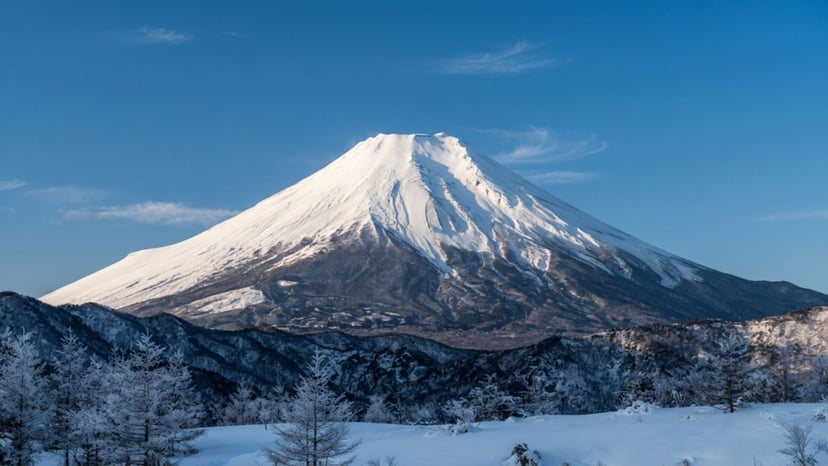
Winter offers the clearest air and most impressive mountain vistas.
Best Time to Book the Best Mount Fuji Tour from Tokyo
Booking timing plays a key role in securing a successful Mount Fuji experience. Based on seasonal demand patterns, tours during high visibility periods often fill several weeks in advance, especially when stable weather forecasts are expected. Early booking allows planners to align departure times and route order with seasonal conditions rather than adjusting at the last minute. Travelers who reserve ahead also gain access to more itinerary options and flexible scheduling. This reduces uncertainty and improves the chances of clear views during preferred travel dates.
| Season | Visibility Chance | Best For | Booking Lead Time |
| Winter (Dec–Feb) | Peak (Highest Clarity) | Photography & clear views | 1–2 months |
| Spring (Mar–May) | Moderate | Cherry blossoms | 2–3 months |
| Summer (Jun–Aug) | Low (High Humidity) | Climbing & nature | 1–2 months |
| Autumn (Sep–Nov) | High (Clearer Skies) | Foliage & pleasant weather | 1–2 months |
-
The "Golden Window": Regardless of the season, the best time of day for clear views is typically between 6:00 AM and 9:00 AM. Mid-day cloud cover often increases, especially during summer months.
-
Peak Demand: Cherry blossom season (late March to early April) and the autumn foliage season are considered peak tourist times, making it necessary to book at least 2–3 months in advance to secure preferred dates.
-
Climbing Season: For those interested in the official climbing season, the trails are open from July 1st to early September. Tours involving climbing or mountain-based activities should be prioritised during this window.
-
Official Resources: For the most accurate trail status and safety warnings during the 2026 season, always consult the Official Mt. Fuji Climbing Website.
Departure Points Including Shinjuku Area
-
Hotel Density: Shinjuku features the highest concentration of major hotels in Tokyo, making it the most convenient pickup point for international travelers.
-
Direct Road Access: The area offers immediate access to major highways (such as the Chuo Motorway), allowing vehicles to bypass congested city surface streets.
-
Early Departure Efficiency: Tours departing from Shinjuku are designed to initiate as early as possible to reach viewing locations before peak traffic builds up and afternoon cloud cover develops.
-
Advance Coordination: Most private tours require guests to confirm their specific hotel address or meeting point at least 24–48 hours in advance to ensure efficient route planning.
-
Fixed Departure Windows: Adhering to the scheduled pickup time is essential, especially during peak seasons when road conditions are highly unpredictable.
-
Minimised Transfers: By selecting a tour with hotel pickup in Shinjuku, you eliminate the need to navigate crowded public transit hubs with luggage or gear during early morning hours.
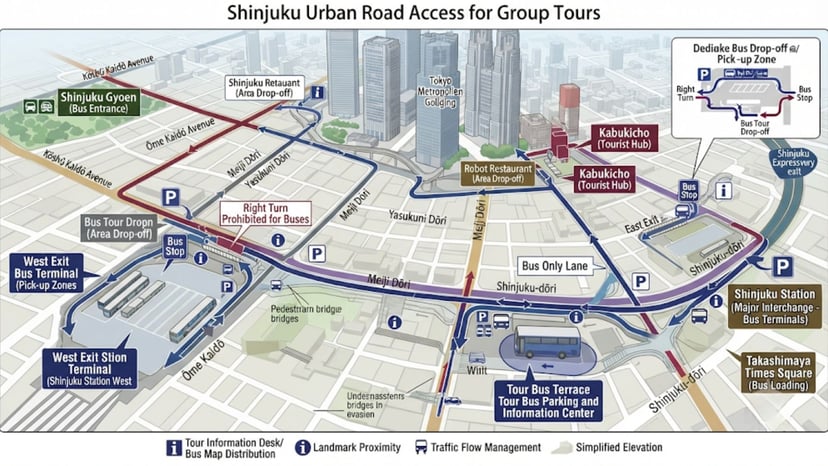
Efficient departures from Shinjuku help beat traffic and crowds.
Which Mount Fuji Tours Are Best Suited For
- First-time Japan visitors
- Families seeking comfort
- Couples preferring flexible pacing
- Travelers with limited time
Who Should Choose a Private Mount Fuji Tour
A private Mount Fuji tour from Tokyo is particularly suitable for travellers who value flexibility, comfort and control over their sightseeing schedule. Families can build in extra breaks, couples can spend longer at scenic viewpoints, and small groups can choose attractions that match their interests without following a fixed group itinerary. It is also a practical option for travellers with limited time who want to make the most of a day trip to Mount Fuji from Tokyo. Private travel can be especially useful when Mount Fuji weather and visibility change during the day. Instead of being tied to fixed departure times, the route can be adjusted to prioritise clearer viewpoints or allow more time at locations with favourable conditions. This makes private tours a strong choice for travellers who want to see Mount Fuji from Tokyo while combining scenic, cultural and seasonal attractions in one trip. Booking in advance is advisable during busy periods such as cherry blossom and autumn foliage seasons.
Safety Comfort and Local Driving Expertise
Travel to the Mount Fuji region requires practical knowledge of changing road and traffic conditions, especially on weekends and during peak seasons. Drivers operating these routes handle them regularly and understand where congestion builds near popular access points such as lakeside roads and village entrances. Based on daily experience, departure times and routing are adjusted to maintain steady progress throughout the day. Comfortable vehicles help reduce fatigue during longer drives between stops. This combination of local driving familiarity and travel comfort supports a safer and more relaxed sightseeing experience.
Japan Mount Fuji Tour Booking Process
Securing your tour in advance is the best way to ensure a seamless experience and avoid last-minute stress. Here is the easy, three-step process to get your trip booked:
-
Step 1: Choose Your Itinerary & Date
-
Select the tour type (Private vs. Shared) that matches your travel style.
-
Check your preferred travel dates against the seasonal demand calendar to ensure availability.
-
-
Step 2: Confirm Details & Pickup Location
-
Provide your hotel details or preferred meeting point in central Tokyo (such as Shinjuku or Ginza).
-
Ensure all guest information is accurate to allow for efficient driver route planning.
-
-
Step 3: Finalize & Receive Confirmation
-
Complete the booking process online to receive your official reservation confirmation.
-
Review the pre-departure communication (sent 24–48 hours before your trip) for exact pickup times and driver contact information.
-
Why booking early matters: By finalising your reservation well in advance, operators can plan your route around expected weather patterns and seasonal crowds, ensuring your day is focused on sightseeing rather than logistics.
Mount Fuji Day Trip Cost Breakdown
Budget travel includes bus and train options. Mid-range tours include guided experiences. Private tours offer premium comfort and flexibility. Costs vary depending on inclusions such as transport and meals.
|
Travel Option |
Approx. Cost |
Best For |
|
Highway Bus |
Lowest |
Budget travellers |
|
Train |
Moderate |
Independent travellers |
|
Group Tour |
Mid-range |
Convenience |
|
Private Tour |
Highest |
Families & luxury travellers |
Real Travel Considerations When Visiting Mount Fuji
Many visitors underestimate how quickly visibility changes around Mount Fuji. Morning departures often provide clearer views, while afternoon cloud buildup can limit visibility. Flexible routing allows adjustments during the day to improve viewing chances.
Essential Travel Tips for Mount Fuji Day Trip
Preparation is key. Pack essentials, check visibility, travel early, and avoid common mistakes such as poor timing.
Essential travel tips:
• Start early to maximize daylight
• Check Mount Fuji visibility before departure
• Wear comfortable walking shoes
• Keep your itinerary focused to avoid rushing
What to pack?
How to check visibility?
Book Your Mount Fuji Tour from Tokyo Today
Mount Fuji tours from Tokyo offer a practical way to experience Japan’s most iconic landscape without managing complex travel logistics. Private tours provide greater flexibility, comfort, and timing control, especially when visibility conditions change. Planning ahead helps secure better scheduling and improves the overall sightseeing experience.