

Want to glide above a steaming volcanic valley and finish your journey beside Lake Ashi, with Mount Fuji appearing on a clear day? The Hakone Ropeway connects Sounzan, Owakudani, Ubako and Togendai, turning a mountain transfer into a sightseeing experience.
Planning the ride takes more than buying a ticket. The right route, transport pass and timing can help you make the most of your visit, while weather and maintenance can affect which sections are running.
This guide covers the Hakone Ropeway route, ticket prices, operating hours, views, accessibility and how to combine the journey with Owakudani and a Lake Ashi cruise.
Hakone Ropeway: Quick Overview
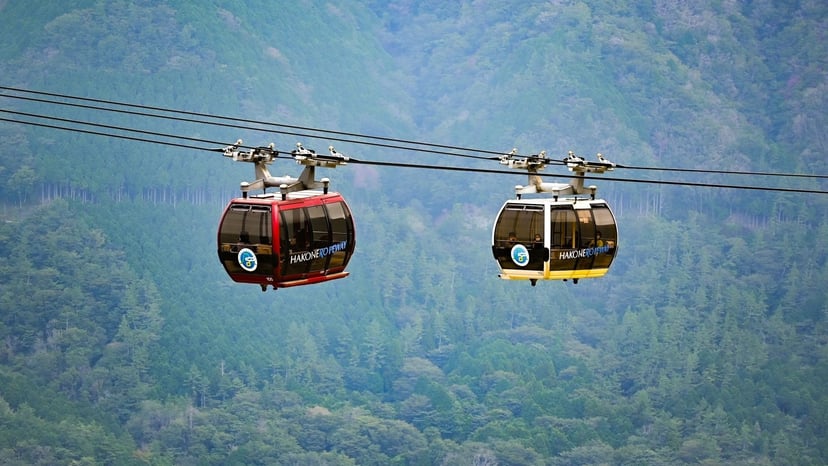
The Hakone Ropeway is an aerial gondola service connecting Sounzan with Togendai, near Lake Ashi. It forms part of Hakone’s sightseeing circuit, which also includes the railway, cable car, buses and lake cruise.
| Visitor information | Details |
| Location | Hakone, Kanagawa Prefecture, Japan |
| Transport type | Aerial ropeway (gondola) |
| Route | Sounzan → Owakudani → Ubako → Togendai |
| Number of stations | Four |
| Approximate journey time | Allow around 30–45 minutes for the full journey, excluding sightseeing stops |
| Transport pass | Hakone Freepass accepted |
| Main sightseeing stop | Owakudani |
| Other possible views | Mount Fuji and Lake Ashi, weather permitting |
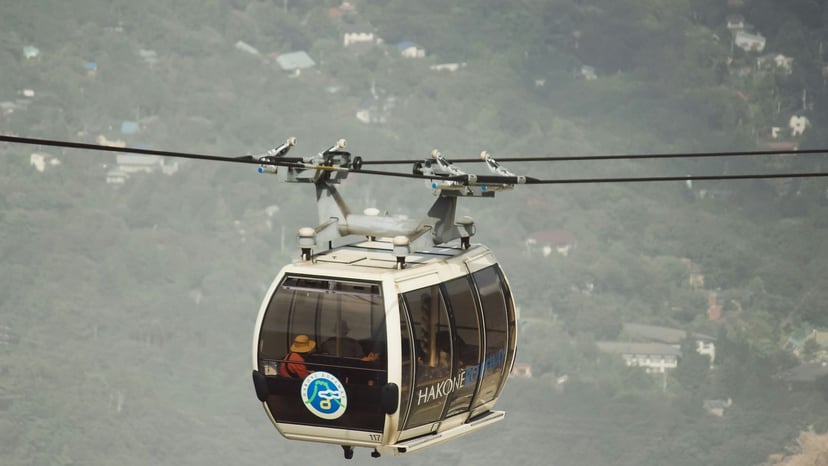
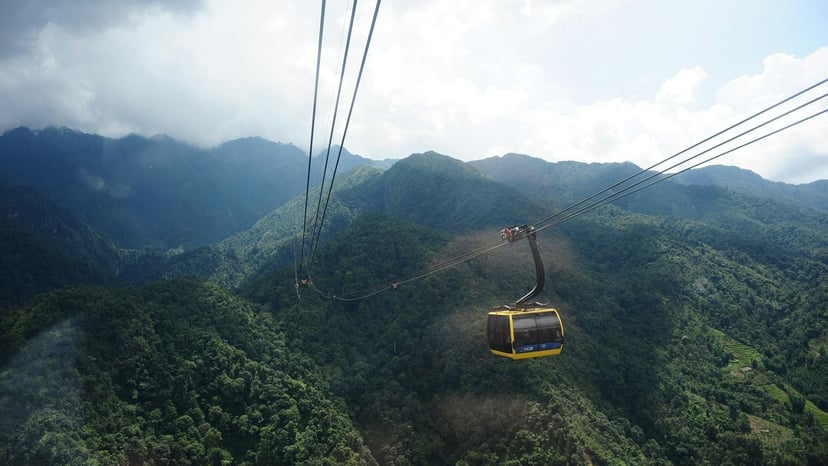
Gondolas accommodate up to 18 passengers and generally depart about once a minute. Passengers travelling the full route change gondolas at Owakudani.
For current service information, consult the official Hakone Ropeway guide.
What Is the Hakone Ropeway?
The Hakone Ropeway is an aerial gondola cableway in Hakone, Japan, connecting Sounzan, Owakudani, Ubako and Togendai near Lake Ashi. It offers panoramic views of Hakone’s volcanic landscape, steaming Owakudani Valley and, on clear days, Mount Fuji. The ropeway is part of Hakone’s popular sightseeing circuit, linking the Hakone Tozan Cable Car with the Lake Ashi sightseeing cruise. Visitors can stop at Owakudani to explore designated observation areas, see volcanic steam vents and try the famous black eggs before continuing towards the lake. The full journey takes approximately 30–45 minutes, excluding sightseeing stops, making it a practical option for travellers planning a Hakone day trip from Tokyo.
Hakone Ropeway Route and Stations
The ropeway has four stations. Knowing where each is located helps you plan sightseeing stops and onward transport.
1. Sounzan Station
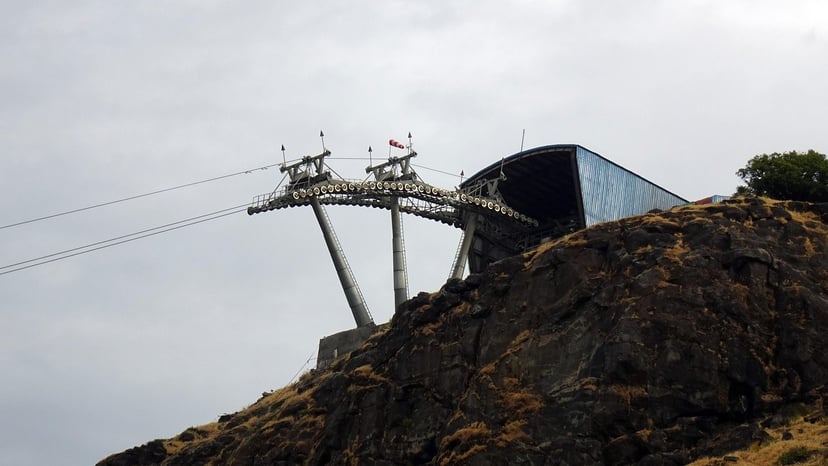
Sounzan is the starting point for passengers arriving on the Hakone Tozan Cable Car from Gora. From here, the ropeway travels towards Owakudani, crossing mountainous terrain with views over the valley.
If you are travelling from Hakone-Yumoto, take the Hakone Tozan Railway to Gora, then transfer to the cable car for Sounzan. The transfer between the cable car and ropeway entrance takes approximately two minutes on foot.
2. Owakudani Station
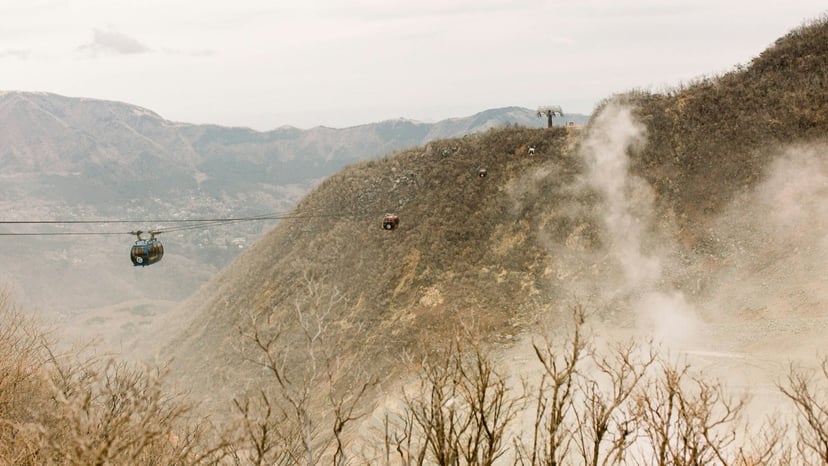
Owakudani is the main sightseeing stop on the route. It is known for volcanic terrain, rising steam and a sulphur-rich environment.
Visitors can explore the designated observation areas, browse shops and try the famous kuro-tamago, or black eggs. The station area also has food options, including Owakudani Kitchen.
The Earth Valley observation area offers different perspectives on the rugged volcanic landscape. Allow extra time here if you want to explore rather than simply change gondolas.
3. Ubako Station
Ubako is an intermediate station between Owakudani and Togendai. Many passengers travel through without stopping, but it is useful when planning the full route and checking which sections are running.
Ubako also has approximately 90 free parking spaces. During busy periods, visitors may choose to park here and travel to Owakudani by ropeway instead of driving directly to the congested Owakudani car park.
4. Togendai Station
Togendai is the final station and is close to the Lake Ashi sightseeing cruise port. The transfer from the cruise to the ropeway entrance takes approximately three minutes on foot.
From here, you can continue across the lake on the sightseeing cruise or use local transport to explore other parts of Hakone. Check the cruise timetable before travelling, particularly if you have limited time.
How Long Does the Hakone Ropeway Take?
Allow approximately 30–45 minutes for the complete journey from Sounzan to Togendai, excluding time spent sightseeing at Owakudani. Published operator pages give different approximate section times, so check the current timetable if your schedule is tight.
The full journey requires a change of gondola at Owakudani. You can get off partway through and continue towards your ticketed destination later, subject to the ticket conditions.
When purchasing an individual ticket, choose your final destination rather than buying a separate ticket for every station.
Hakone Ropeway Tickets and Prices
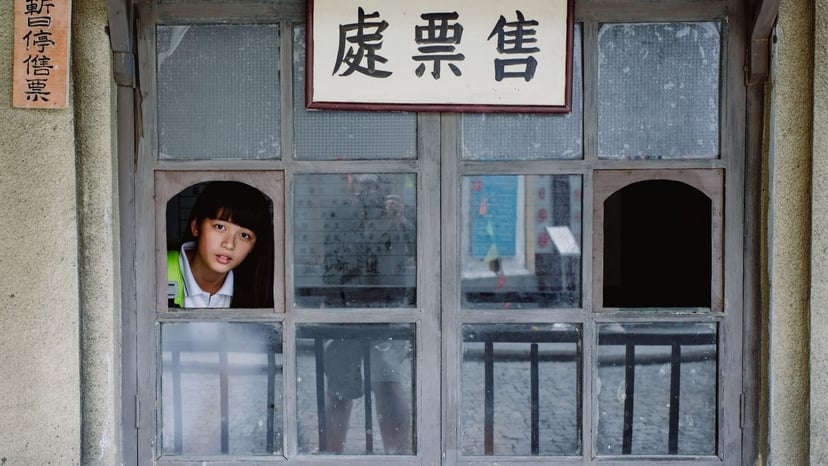
You can purchase ropeway tickets at the stations. The published fares introduced on 1 October 2025 are shown below.
| Ticket type | Adult | Child |
| One-way | ¥2,000 | ¥700 |
| Return | ¥3,000 | ¥1,000 |
One-way tickets are valid for one day, while return tickets are valid for two days. Check the conditions at purchase, particularly if you plan to explore Owakudani before continuing.
Exploring Owakudani via the Hakone Ropeway
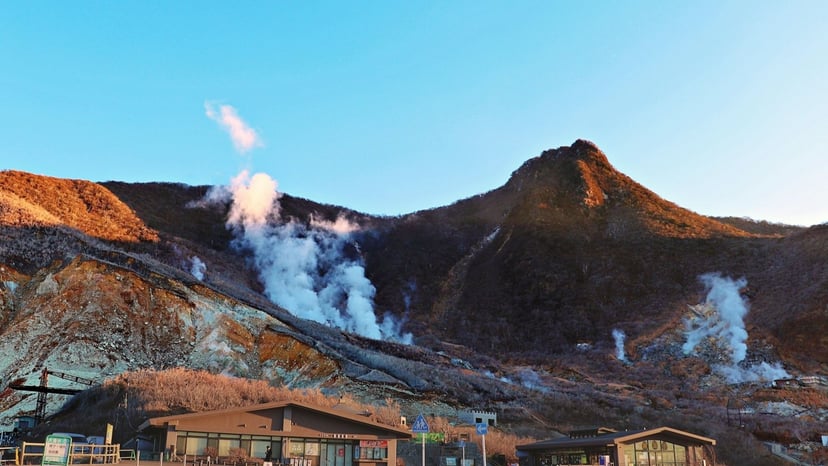
Exploring Owakudani via the Hakone Ropeway lets you experience one of Hakone’s most distinctive volcanic landscapes. At Owakudani Station, you can see steam rising from the volcanic ground, explore designated observation areas, and try the famous kuro-tamago (black eggs). Allow around 30–60 minutes to explore the public area, depending on crowds and weather. Follow safety signs and check local access restrictions before visiting, as volcanic conditions can affect which areas are open. After exploring Owakudani, continue by ropeway towards Togendai for views of Lake Ashi and, on clear days, Mount Fuji.
Is the Hakone Freepass Worth It?
The Hakone Freepass can offer better value if you plan to use several covered transport services. It includes unlimited rides within its designated area on the Hakone Tozan Railway, cable car, ropeway, sightseeing cruise and specified bus services.
The published prices from 1 October 2025 are:
| Departure station | Duration | Adult | Child |
| Shinjuku | 2 days | ¥7,100 | ¥1,600 |
| Shinjuku | 3 days | ¥7,500 | ¥1,850 |
| Odawara | 2 days | ¥6,000 | ¥1,500 |
| Odawara | 3 days | ¥6,400 | ¥1,750 |
The Odakyu Romancecar requires an additional limited-express surcharge, even with a Hakone Freepass.
The pass is not automatically the cheapest option for everyone. Compare its price with the individual tickets for the services you intend to use.
Hakone Ropeway Boarding Hours
The operator’s general published boarding schedule is seasonal.
| Period | General boarding hours |
| February–November | 9:00 AM–5:00 PM |
| December–January | 9:00 AM–4:15 PM |
Confirm the last departure from your particular station before travelling, as the operating timetable may provide more specific boarding information. Services can be suspended during severe weather, strong winds, mechanical trouble or scheduled maintenance.
Mount Fuji and Lake Ashi Views
The scenery changes along the ropeway route. Between Sounzan and Owakudani, the gondola passes over a valley approximately 130 metres above the ground. Farther along the route, visitors can see Lake Ashi and, when conditions allow, Mount Fuji.
Where Can You See Mount Fuji?
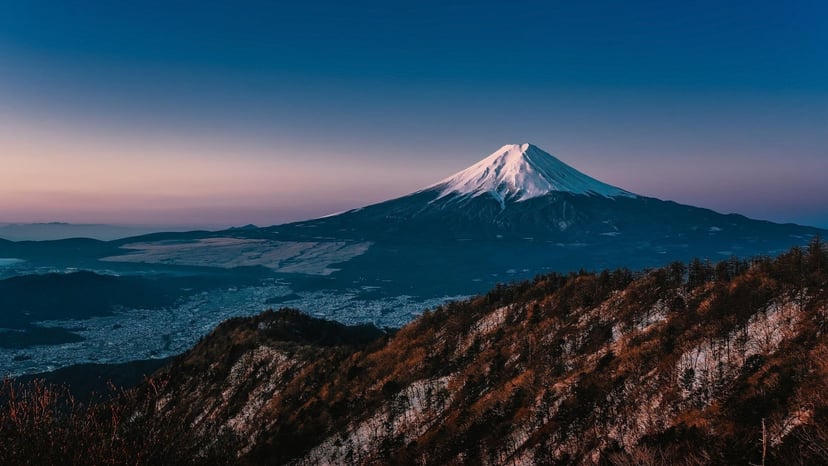
The operator identifies viewing points between Ubako and Owakudani and midway between Owakudani and Sounzan. Cloud, haze and weather can hide the mountain, so a view is never guaranteed.
Summer mornings may offer better opportunities before clouds build later in the day. In winter, clearer air can make Mount Fuji visible on more days, although conditions still vary.
Lake Ashi Views
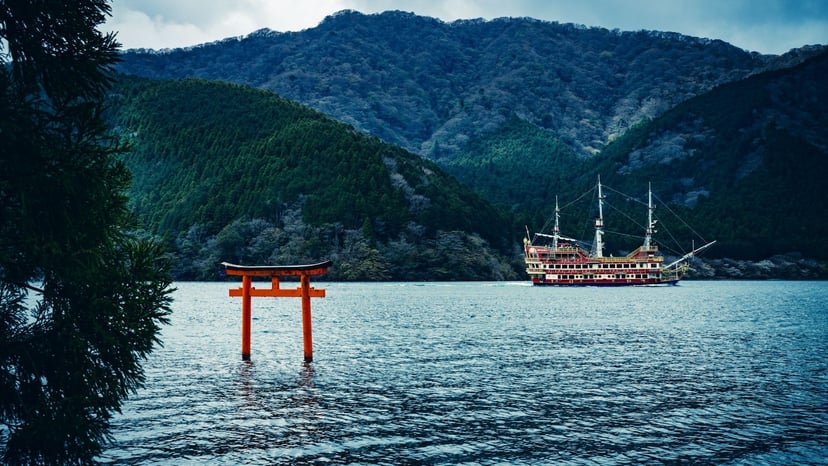
As the ropeway approaches Togendai, the scenery shifts towards Lake Ashi. In the early evening, the lake’s surface may reflect the light beautifully, depending on the weather and time of sunset.
At Togendai, you can continue on the Lake Ashi sightseeing cruise for views from the water. Check the cruise timetable before planning the transfer.
Photography Tips
- Choose a clear day if seeing Mount Fuji is a priority.
- Look down towards the valley on the Sounzan–Owakudani section.
- Watch for the lake and surrounding mountains as you approach Togendai.
- Be considerate of other passengers when choosing a window position.
- Keep your phone and camera secure while travelling.
Cabins can be busy during peak times, so a window position cannot be guaranteed. Avoid pushing past other passengers or obstructing the cabin to take photographs.
Accessibility and Practical Information
The ropeway operator confirms that wheelchair users can board while remaining in their wheelchairs, and the stations are barrier-free. Free wheelchair lending is available at each station.
Each station also has a baby rest area for breastfeeding and changing nappies or diapers. If you need specific boarding assistance or are travelling with a stroller, contact the operator beforehand to confirm current arrangements.
Other practical details include:
- Payment: Credit cards and electronic money such as Suica and PASMO are accepted at the ticket offices.
- Luggage: Coin lockers and station offices offer luggage storage; the official guide lists a charge of ¥500.
- Pets: Pets must travel in a fully enclosing cage or a carrier with a closable lid. Cage rental is available at stations, but confirm the current fee directly with the operator.
- Parking: Sounzan has approximately 105 paid spaces, Ubako approximately 90 free spaces and Togendai approximately 40 paid spaces. During busy periods, parking at one of these stations and continuing by ropeway may help you avoid congestion at Owakudani.
- Transfers: Allow approximately two minutes to transfer from the cable car at Sounzan and approximately three minutes between the sightseeing cruise and ropeway entrance at Togendai.
For current arrangements, consult the official Hakone Ropeway guide.
Hakone Ropeway Weather and Service Status
The Hakone Ropeway’s operating status depends on weather, volcanic activity and scheduled maintenance. Strong winds, heavy rain, poor visibility or increased volcanic activity around Owakudani can lead to temporary suspensions or restricted access. Before your visit, check the official Hakone Ropeway service status for the latest updates. If services are suspended, allow extra time to adjust your route, as alternative transport may be arranged depending on the affected section. Even when the ropeway is operating, cloudy or misty conditions can limit views of Mount Fuji and Lake Ashi.
How to Reach the Hakone Ropeway from Tokyo
The ropeway does not run directly from Tokyo. You must first travel to Hakone and connect with the local railway and cable car.
From Shinjuku
The Odakyu Romancecar takes approximately 80 minutes to reach Hakone-Yumoto on services following the direct route. Other Odakyu services may take longer.
From Hakone-Yumoto, take the Hakone Tozan Railway to Gora, then the Hakone Tozan Cable Car to Sounzan Station. Follow the signs to the ropeway entrance.
The Romancecar requires an additional limited-express surcharge, even with a Hakone Freepass.
From Odawara
The Shinkansen and other rail services connect Tokyo with Odawara. From there, use the Hakone transport network to reach the ropeway via the railway and cable car.
The most convenient route depends on your starting point, train times and whether you use a travel pass.
For a broader route with more sightseeing options, see our separate Hakone Day Trip from Tokyo guide.
Best Time to Visit the Hakone Ropeway
The ropeway operates throughout the year when conditions permit, but visibility and seasonal scenery change.
Spring: March–May
Fuji cherry blossoms can be seen from the ropeway in April and May. Flowering times vary by location and year, so do not expect cherry blossoms along the entire route.
Summer: June–August
Hydrangeas and Japanese dogwood can be seen along parts of the route in June and July. Haze, humidity and cloud can make Mount Fuji harder to see, so morning may offer a better opportunity for clear views.
Autumn: September–November
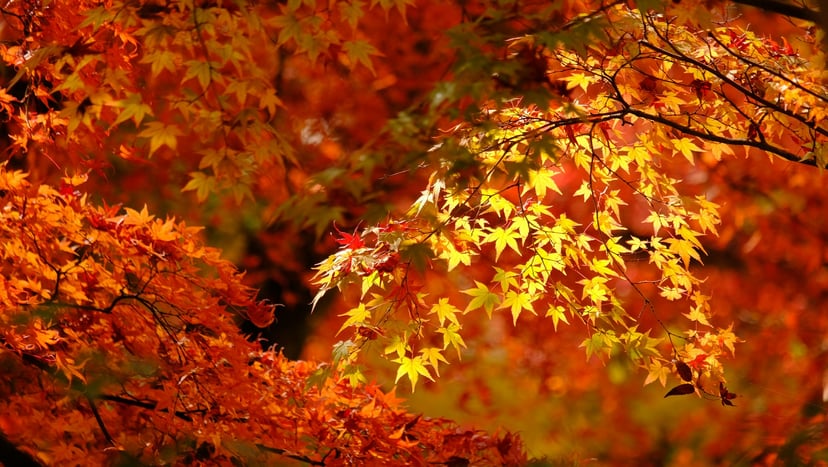
Japanese pampas grass can be seen in September and October. Autumn colour generally begins around late October and continues into mid-November, although the timing varies by year and elevation.
This is a popular visiting period, so expect potential queues and traffic congestion during busy foliage dates.
Winter: December–February
Winter can offer good opportunities to see Mount Fuji when the air is clear, and Owakudani may offer views of the mountain glowing red at sunset under suitable conditions. Visibility is never guaranteed.
Mountain stations can be below freezing even during the day, so bring warm layers. The ropeway also follows shorter boarding hours in December and January.
The best time depends on your priorities. Choose a clear-weather day for mountain views, leave extra time during busy foliage periods and confirm service arrangements before travelling.
Other Attractions to Combine with the Ropeway
Hakone’s attractions are spread across different areas, so plan transport rather than assuming everything is within walking distance.
Hakone Shrine
Hakone Shrine is in the Lake Ashi area near Moto-Hakone, not directly beside the ropeway stations. It can be included in a broader itinerary using the sightseeing cruise and local transport, but allow enough time for the transfer.
Hakone Open-Air Museum
The Hakone Open-Air Museum is near Chokoku-no-mori Station in the Gora area. It is a separate attraction rather than a ropeway stop, so consider visiting it before or after the ropeway according to your transport connections.
Suggested Hakone Ropeway Itinerary
A half-day itinerary can combine the ropeway with Owakudani and Lake Ashi. Allow additional time if you plan to visit the restricted nature trail.
Half-Day Plan: Ropeway and Lake Ashi
- Travel to Gora and take the Hakone Tozan Cable Car to Sounzan.
- Board the ropeway and travel towards Owakudani.
- Explore the designated viewing areas and try the black eggs if they are available.
- Continue through Ubako towards Togendai.
- Take the Lake Ashi sightseeing cruise if the departure timetable fits your plan.
This route combines the main ropeway experience with a lake journey. Check service status and cruise departure times before committing to the itinerary.
Full Hakone Sightseeing Loop
For a longer day, combine the ropeway with the Hakone Tozan Railway, cable car, Lake Ashi cruise and other attractions that match your interests. You could include Hakone Shrine near Moto-Hakone or the Hakone Open-Air Museum near Gora, but visiting both may require a long day and careful transport planning.
Hakone Ropeway Travel Tips
- Check live service status: Weather, volcanic conditions and maintenance can affect the route.
- Compare ticket options: The Freepass may provide value if you use several covered services.
- Allow time for Owakudani: It is a sightseeing stop rather than just a transfer point.
- Check the cruise timetable: Do this before arriving at Togendai if you plan to continue across Lake Ashi.
- Dress for mountain conditions: Wind and temperature can differ from Tokyo.
- Be realistic about Mount Fuji: Visibility depends on weather and cloud cover.
- Reserve the nature trail: It has separate eligibility and booking requirements.
Is the Hakone Ropeway Worth Visiting?
Yes, if you want to see Owakudani’s volcanic landscape from above and connect the mountain area with Lake Ashi. The ropeway combines sightseeing with practical transport, making it useful for visitors exploring Hakone without a car.
It may be less suitable for a tightly timed itinerary that leaves no room for queues, service changes or stops at Owakudani. Mount Fuji is a bonus when visible, not a guaranteed sight.
Conclusion
The Hakone Ropeway connects Sounzan, Owakudani, Ubako and Togendai, providing aerial views of Hakone’s volcanic landscape and, when the weather allows, Mount Fuji and Lake Ashi. Its connections with the cable car and sightseeing cruise make it a practical part of a wider Hakone itinerary.
Before travelling, confirm the latest fares, boarding times, operating status and maintenance notices. If you plan to visit the Owakudani Nature Research Trail, check its reservation requirements separately.