Karvaan Tours logo
A composite image showcasing different views of the Fuji Five Lakes, featuring three distinct panels with Mt. Fuji in the background: one showing paddleboarders on Lake Motosu, one with a bridge over Lake Kawaguchiko, and one depicting the calm reflection of the mountain on Lake Saiko, all set against a dark, scenic backdrop.
Travel Tips

Fuji Five Lakes Guide: Things to Do, Itinerary and Travel Tips

Introduction to Fuji Five Lakes

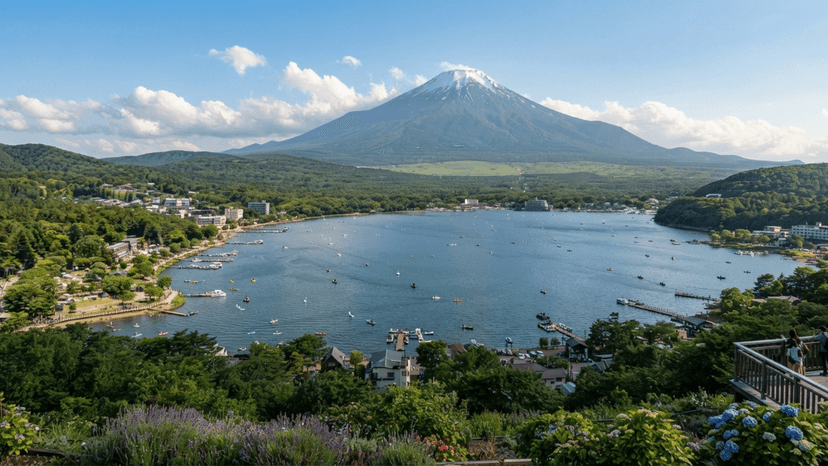
The Fuji Five Lakes is a picturesque area at the north foot of Mount Fuji, where some of Japan's most famous views are found. The area has been known for its serene lakes, natural beauty, and the views of Mount Fuji in its reflections. It is located only a few hours from the city and it is therefore perfect for day trips and short stays. With its scenic beauty, cultural attractions, and natural wonders, Fuji Five Lakes is a popular destination for travelers who want to explore and enjoy the seasons near Tokyo.

A composite image showcasing different views of the Fuji Five Lakes, featuring three distinct panels with Mt. Fuji in the background: one showing paddleboarders on Lake Motosu, one with a bridge over Lake Kawaguchiko, and one depicting the calm reflection of the mountain on Lake Saiko, all set against a dark, scenic backdrop.

Fuji five lakes, Mount Fuji view, Kawaguchi, Motosu, Saiko

What Most Travelers Get Wrong About Fuji Five Lakes

  • Many expect clear Mount Fuji views all day (not true)
  • Afternoon clouds often block visibility
  • Public transport limits access to smaller lakes
  • Day trips feel rushed due to distance

What Is the Fuji Five Lakes

The Fuji Five Lakes is made up of five lakes that have been created by volcanic activity from Mount Fuji. They are Lake Kawaguchi, Lake Yamanaka, Lake Saiko, Lake Shoji, and Lake Motosu. Every lake has its own ambiance, ranging from a tourist-friendly village to a serene natural retreat. They offer a varied terrain of outdoor activities, cultural attractions,, and scenic viewpoints, making the area a must-visit for experiencing the countryside near Mount Fuji.

Overview of the Five Lakes

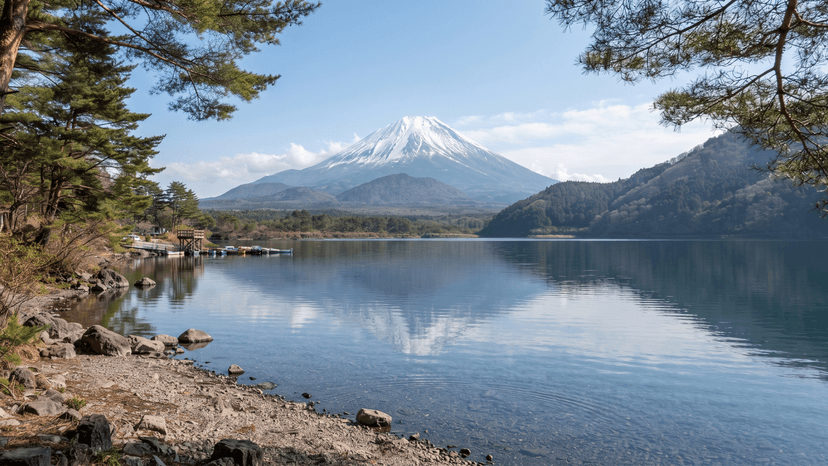
The Fuji Five Lakes region comprises five lakes formed by volcanic activity on Mount Fuji. Lake Kawaguchi is the most developed and accessible, with sightseeing and transport facilities. Lake Yamanaka is the largest and most popular lake for outdoor activities. Lake Saiko offers a more natural, tranquil environment. Lake Shoji is quieter and smaller, perfect for relaxation and views, whereas Lake Motosu  is known for its deep waters and clear reflections of Mount Fuji.

Differences Between the Lakes

There are individual experiences on each lake in the Fuji Five Lakes, depending on accessibility and popularity. Lake Kawaguchi features the easiest access and attractions, while Lake Yamanaka is a mix of the two. The other lakes are less developed and provide quieter settings and fewer crowds, such as Saiko, Shoji, and Motosu. Convenience is important to some travelers who choose Kawaguchi, while others prefer the more natural, serene ambiance of the less accessible lakes, with fewer amenities and less hustle and bustle.
Tour
Mount Fuji Private  Tour By Car With Pick Up

Mount Fuji Private Tour By Car With Pick Up

Pick up & drop off
Duration: 1 Day
Languages: English, Japanese, Chinese, Hindi, English, Japanese
Payment: Online / Pay After Tour / Cash
$ 370.00
Book Now

Which Fuji Lake Should You Choose?

  • First time → Lake Kawaguchi
  • Nature + quiet → Lake Saiko
  • Photography → Lake Motosu
  • Outdoor activities → Lake Yamanaka

Best Lake for First-Time Visitors

If you are the first visitor, the first choice among the Fuji Five Lakes is the lake of Kawaguchi. It's the most convenient place, the most extensive attractions and most reliable views of Mt Fuji. It is equipped with good facilities, rooms and attractions to see that are nearby, so visitors can enjoy the best of the area in an efficient way. It is the most convenient location from which to visit the Fuji Five Lakes area, due to its accessibility and pleasant scenery.

Things to Do in Fuji Five Lakes

The Fuji Five Lakes is a blend of nature, outdoor pursuits, and culture, all with a focus on Mount Fuji. The visitor can enjoy seasonal landscapes, explore parks and lakesides and visit traditional villages. The area can be explored or relaxed with sightseeing, offering a variety of travel styles. From photography to nature walks to cultural experiences, there are several ways to explore the area without sacrificing flexibility and efficiency.

Sightseeing and Scenic Views

Some of the most popular views are those of Oishi Park, which features seasonal flowers and a view of Mount Fuji, and Arakurayama Sengen Park, which offers a higher elevation and an iconic pagoda scene. The areas provide some of the best picture spots in the area.

Outdoor Activities

Outdoor activities around the lakes include cycling routes, hiking trails, and lakeside walks. These options allow visitors to explore the natural landscape at a comfortable pace while enjoying fresh air and open scenery.

Cultural Experiences

Activities around the lakes include lakeside walks, hiking trails, and bicycle paths. These choices offer visitors the opportunity to explore the natural landscape at their own pace and enjoy the fresh air and open spaces.

Fuji Five Lakes Itinerary

The amount of time you spend in Fuji Five Lakes depends on your desire to explore and your level of relaxation. It can be toured as a day trip or over multiple days. The time of travel, not only to the mountain but to the lakes and attractions, as well as weather conditions that affect visibility to Mount Fuji, affects how efficiently you move from one area to the next. Grouping travel by distance and location clusters helps to optimize travel flow and minimize travel time.

One Day Trip Plan

When visiting Fuji Five Lakes, most people will spend time at Lake Kawaguchi as it is easy to get to and has a lot of things to offer. Guests can see viewpoints, stroll around the lake and even visit parks around the lake within a short period of time. Early departure from Tokyo should be considered in this plan, for avoiding delays and maximizing daylight hours. It is an adequate introduction but time restraints do not allow time for the quieter lakes and it is recommended for those who wish to be efficient rather than deep.

Two Day Relaxed Plan

A 2-day itinerary provides an experience which is more balanced and slower in the Fuji Five Lakes area. Gamers can visit several lakes and take part in outdoor activities without feeling rushed, and can also experience the culture. Overnight accommodation also improves the likelihood that there are clear views of Mount Fuji, according to the weather. This eliminates travel pressure, offers more flexibility in scheduling and offers a more comprehensive representation of the natural and cultural context of the region.

Road Trip Option

While visiting less accessible lakes such as Saiko, Shoji, and Motosu, a road trip can provide the most flexibility for exploring Fuji Five Lakes. By driving, travelers can plan routes to provide extra safety for themselves and others in case of poor weather or visibility, stop at rest points where they can enjoy scenic views, and avoid inconveniences because of how public transit is impacted by the weather. But, when it is busy, during peak seasons, planning of navigation is necessary. This is ideal for individuals who like to travel on their own and explore several destinations within a convenient timeframe.

How to Visit Fuji Five Lakes

Getting to Fuji Five Lakes is easy, but the journey is efficient depending on the time and route taken and the mode of transport. The area is easily accessible to Tokyo, but it may take longer when the season is busy and if transfers are required. Knowing the travel arrangements beforehand allows for better flow of people and vehicles between destinations and prevents delays.

Access from Tokyo

Visitors can reach the region using the JR Chuo Line combined with local connections or by taking a direct highway bus to Kawaguchiko Station. Trains offer flexibility but may require transfers, while buses provide direct routes with fewer changes. Travel time typically ranges from two to three hours depending on the route and traffic conditions.

Local Transportation

The main hub of local transport around Fuji Five Lakes is the town of Kawaguchiko, which has a network of buses that serves the main attractions and lakes. The schedules are, however, limited in comparison to Tokyo and it is important to plan ahead. Whether it's for leisurely bike rides or using taxis for quicker transportation, renting bikes can enhance your mobility, particularly in less connected areas or when time is of the essence.

A vintage-style, pale yellow "Fujikyu" sightseeing bus waiting at a bus stop with a line of passengers preparing to board; a mountain landscape is visible in the background.

Fujikyu sightseeing bus, Fuji Five Lakes transport, Japan

Travel Tips

Travelers should plan to travel early to minimize their travel time, package their itinerary with activities close to each other, and check the forecast for conditions on Mount Fuji to see if it will be visible. Opting for direct routes and steering clear of rush hours can help minimize delays.

Best Time to Visit Fuji Five Lakes

The ideal time to visit Fuji Five Lakes is influenced by weather, visibility of Mount Fuji and the number of visitors. While each season is unique, the timing can impact the visibility of the mountain and ease of travel between locations. Taking these factors into account will make the visit more efficient and more pleasant.

Season

Highlights

Crowds

Spring

Cherry blossoms

High

Summer

Green landscapes

Medium

Autumn

Foliage views

High

Winter

Clear Fuji views

Low

Seasonal Highlights

Cherry blossom appears around the Lake Kawaguchi in Spring and colorful foliag appears throughout in Autumn. The most beautiful scenery and popular for photography and sightseeing is during these seasons.

Weather and Visibility

Clear weather is essential for viewing Mount Fuji. Early mornings typically offer the best visibility, while clouds often obscure the mountain later in the day. Seasonal weather patterns directly impact viewing conditions.

Crowd and Timing Tips

Peak seasons such as spring and autumn attract large crowds, especially around Lake Kawaguchi. Visiting early in the day or during off-season months helps reduce congestion and improves overall travel efficiency.

Fuji Five Lakes Photography Spots

Fuji Five Lakes is one of the best regions in Japan for capturing iconic views of Mount Fuji. The combination of lakes, open landscapes, and seasonal changes creates excellent photography conditions throughout the year. Visibility, weather, and timing play a major role in achieving clear shots, so planning around these factors is essential. Photographers often adjust their schedules to match early morning light and stable conditions, which provide the best opportunity to capture reflections and detailed mountain views.

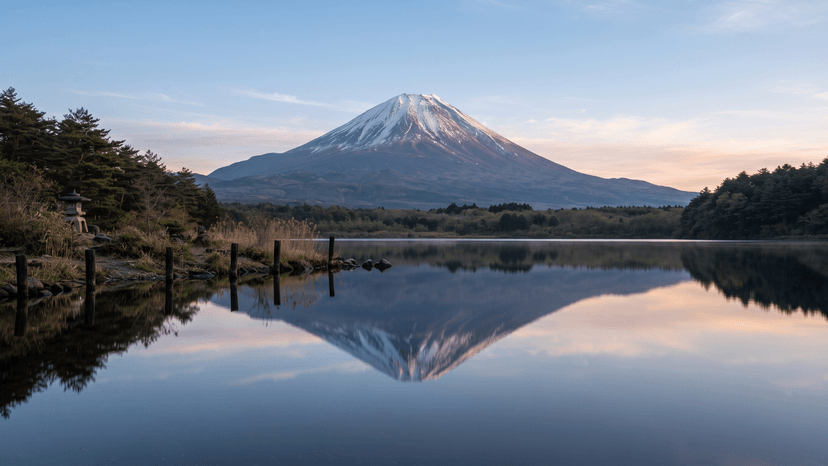
Mount Fuji Reflection Views

One of the best areas in Japan for taking iconic pictures of Mt Fuji is the Fuji Five Lakes. Lakes, open landscape, and seasonal changes make this an excellent photography opportunity year-round. Planning for visibility, weather, and timing is a major component of clear shots. The timing depends on the photographer's preferences, the conditions at the time, and the availability of light, since it is best to shoot at dawn. Photographers will often time their schedules to coincide with the early morning light and calm conditions, when it's easiest to capture reflections and detailed mountain views.

Iconic Locations

Chureito Pagoda is a very popular photography destination near the Fuji Five Lakes. The pagoda is blurred in the foreground, while the cityscape and Mount Fuji are visible in the background, adding depth and layers to the image. This area is particularly favored for natural colors during the cherry blossom and autumn seasons. But it does require climbing steps and an early arrival to grab a clear view before the crowds arrive.

Best Timing for Photos

Photography Timing in the Fuji Five Lakes is important. Mount Fuji is most clearly visible from sunrise, when the weather is calm and the light level is not as intense. Clouds are more common later in the day and can also create spectacular sunset lighting. Early visits can have a positive impact on image quality, as well as minimising intrusion by other crowds, thus creating a more controlled composition and a more enjoyable photography experience overall.

Fuji Five Lakes Accommodation Guide

Residing in the Fuji Five Lakes area offers visitors the best opportunity to enjoy the area comfortably and will help increase the likelihood of clear views of Mount Fuji. The choice of accommodation impacts on the overall experience, travelling efficiently and accessing viewpoints. The choices are diverse, from classic stays to modern hotels, aligning with various travel preferences and budgets.

Ryokan Experience

In traditional Ryokan, you will stay in tatami rooms, enjoy local food and eat and drink while relaxing in the atmosphere of the room. Most ryokans in the Fuji Five Lakes have a view of Mount Fuji and offer access to the hot water baths. Perfect for those who want to experience the city's culture, relax and enjoy the slower pace of travel.

Hotels and Resorts

Hotels and resorts around Lake Kawaguchi offer modern amenities and convenient access to transport and attractions. Many provide lake-facing rooms with views of Mount Fuji, making them suitable for travelers prioritizing comfort and accessibility.

Budget Options

Budget accommodations such as guesthouses and small inns are available across the region. These options provide basic facilities at lower cost, making them suitable for travelers focused on affordability while still enjoying access to key locations.

Fuji Five Lakes Onsen Experience

When visiting the Fuji Five Lakes region and enjoying an Onsen, it becomes a relaxing and cultural experience. The area is also famous for its hot spring baths with views of Mount Fuji, providing a unique blend of relaxation and scenic beauty. Onsen can be found in a peaceful setting where you can relax after a day of sightseeing or outdoor activities. Timing and etiquette are important as these are "peak hours" and expectations are high during bathing at these traditional times.

Onsen with Mount Fuji Views

Many onsen around Fuji Five Lakes offer direct views of Mount Fuji, especially those located near Lake Kawaguchi. Clear weather and early morning visits provide the best viewing conditions. These baths combine natural scenery with thermal relaxation, creating one of the most memorable experiences in the region.

Relaxation and Benefits

Onsen bathing provides physical and mental relaxation, helping reduce fatigue after travel. The mineral-rich water is believed to improve circulation and relieve stress. Combined with the peaceful environment, it enhances overall well-being and recovery during the trip.

Etiquette Tips

Visitors should follow standard onsen rules, including washing before entering the bath and keeping noise levels low. Respecting these customs ensures a comfortable experience for everyone and maintains the traditional atmosphere of the facility.

Food and Local Cuisine

Food in Fuji Five Lakes reflects the region’s local ingredients and traditional cooking style. Dining options range from casual meals to scenic restaurants overlooking Mount Fuji. Trying local dishes adds depth to the travel experience and connects visitors with the cultural identity of the area.

Local Specialties

A key regional dish is Hoto Noodles, a hearty noodle soup made with vegetables and miso-based broth. It is especially popular during colder months and represents traditional Yamanashi cuisine.

A close-up, high-angle shot of a steaming black pot of Hoto noodles—a local dish from the Fuji Five Lakes region—featuring thick noodles, pumpkin chunks, and carrots in a rich, savory broth.

Hoto noodles, hot pot, Fuji Five Lakes local food

Cafes and Desserts

Cafes in the region offer desserts such as matcha-based sweets, providing a relaxing break between sightseeing activities. These spots combine local flavors with scenic surroundings.

Dining with a View

Many restaurants around Lake Kawaguchi offer views of Mount Fuji, allowing visitors to enjoy meals while overlooking the landscape. Timing meals during clear weather enhances the experience.

Fuji Five Lakes Travel Tips

Traveling efficiently in Fuji Five Lakes requires planning around distance, weather conditions, and transport availability. The region is less connected than Tokyo, so timing and route selection play a key role in maintaining a smooth travel experience.

Planning Your Trip

Start early to maximize daylight and improve chances of seeing Mount Fuji clearly. Weather conditions can change quickly, so flexible planning is important.

Transport and Accessibility

Public transport connects major points, but schedules are limited. Choosing routes carefully and considering alternative transport options improves efficiency and reduces waiting time.

Efficient Travel Strategy

Grouping nearby attractions and focusing on one or two lakes per day helps reduce travel time. This approach allows more time for exploration and avoids unnecessary movement between distant locations.

Is Fuji Five Lakes Worth Visiting

Fuji Five Lakes is worth visiting for its combination of natural scenery, cultural experiences, and clear views of Mount Fuji. It offers a contrast to urban Tokyo and provides a more relaxed travel environment.

Unique Experience Value

The region delivers a unique mix of lakes, mountain views, and outdoor activities. It allows visitors to experience Japan’s countryside while staying within reach of Tokyo.

Pros and Cons

While the distance from Tokyo requires planning and transport coordination, the scenic views and peaceful atmosphere make the journey worthwhile. Weather dependency for Mount Fuji visibility is a key factor to consider.

Who Should Visit

Fuji Five Lakes is ideal for nature lovers, photographers, and travelers seeking a slower, more scenic experience beyond the city.

Conclusion

From a natural perspective, Fuji Five Lakes is a place where visitors can enjoy a variety of activities, such as hiking, skiing, and mountain climbing. From a cultural perspective, the area is rich in museums, art galleries, and festivals. And from a travel perspective, it is easy to reach Tokyo from Fuji Five Lakes. It offers a refreshing contrast to the hustle and bustle of city living, with its serene lakescapes, views of Mount Fuji, and more flexible itineraries. The experience is high, but is affected by weather and transport planning. Fuji Five Lakes is one of the best places near Tokyo for a nature-themed vacation, offering great convenience and plenty of options.

FAQs

Q:What is the Fuji Five Lakes and why are they famous?
A: Fuji Five Lakes is a region of five lakes Lake Kawaguchi, Lake Yamanaka, Lake Saiko, Lake Shoji, and Lake Motosu formed by volcanic activity from Mount Fuji. They are famous for offering some of the best views of Mount Fuji, along with scenic landscapes, outdoor activities, and seasonal beauty.
Q:How do I get to the Fuji Five Lakes from Tokyo?
A: From Tokyo, you can reach the region via the JR Chuo Line combined with local transport, or take a direct highway bus to Kawaguchiko Station. Travel time is usually around two to three hours depending on the route.
Q:Which lake offers the best views of Mount Fuji?
A: Lake Kawaguchi offers the most consistent and accessible views of Mount Fuji. It has multiple viewpoints, reflection spots, and well-developed infrastructure for visitors.
Q:Is a day trip enough to explore the Fuji Five Lakes?
A: A day trip allows you to explore highlights around Lake Kawaguchi, but it is not enough to fully experience the entire Fuji Five Lakes region. Staying overnight provides a more relaxed and complete experience.
Q:What are the top things to do in the Fuji Five Lakes area?
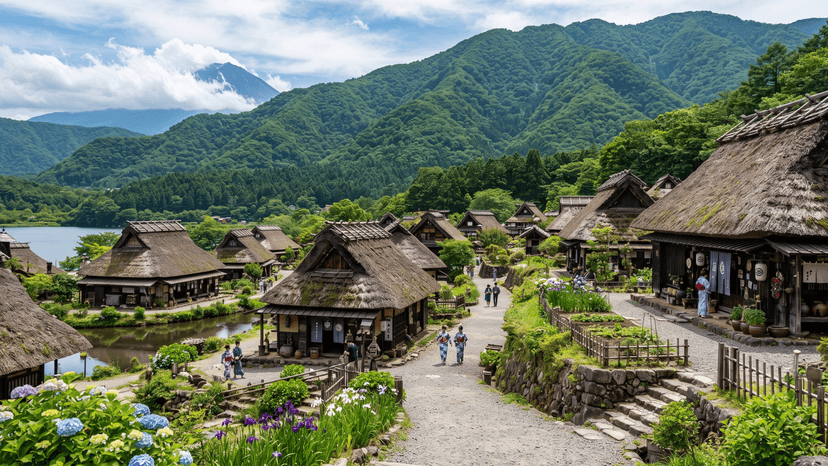
A: Top activities include visiting Oishi Park, exploring Arakurayama Sengen Park, cycling around lakes, and experiencing traditional villages like Saiko Iyashi no Sato Nenba.
Q:When is the best time to visit for clear Mount Fuji views?
A: Early mornings offer the best chance to see Mount Fuji clearly. Spring and autumn provide the best balance of weather, visibility, and scenic landscapes.
Q:Are there guided tours available to the Fuji Five Lakes?
A: Yes, guided and private tours are available from Tokyo to Fuji Five Lakes. These tours simplify transport and include key sightseeing stops.
Q:Can I stay overnight near the Fuji Five Lakes?
A: Yes, there are many accommodation options including hotels, guesthouses, and traditional Ryokan. Staying overnight increases the chances of seeing Mount Fuji clearly.

More from the blog