

Introduction
Standing atop Shibuya Scramble Square, 229 metres above Tokyo’s most iconic crossing, you feel the city pulse beneath you. As sunset paints the sky gold, Mount Fuji emerges in the distance. This is Shibuya Sky, one of Tokyo’s most unforgettable open-air experiences. Located atop Shibuya Scramble Square, Shibuya Sky is quickly becoming one of the most iconic spots in Tokyo, offering one thing many observation decks do not: an open-air experience. Rather than looking through the glass panels, visitors step into the city itself, with a stunning 360-degree view of the Tokyo skyline enveloping them in an immersive, film-like, and surprisingly moving experience.

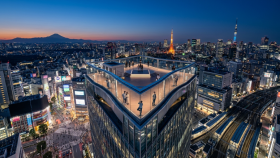
The pulse of Tokyo: A bird’s-eye view of the iconic Shibuya Scramble Crossing from 229 metres above.
In fact, I think the emotion is what makes Shibuya Sky so awesome. Many visitors make their way to observation deck expecting good sightseeing. They leave talking behind. From the golden hues of sunset to the countless lights of the city after nightfall, or the once-in-a-lifetime chance to witness Mount Fuji rising unmistakably above the Tokyo cityscape, Shibuya Sky makes memories that resonate long after leaving Japan.
Whether you are a photographer, couple, family, or luxury traveller looking for a top-tier Tokyo itinerary, Shibuya Sky is always one of the best things to see in Tokyo. When paired with a private Tokyo tour and driver, the journey becomes even smoother, letting visitors savour the best of Tokyo at their own pace, without the hassle of being crowded on trains or having to stick to rigid schedules. So, if you are wondering about the value of visiting Shibuya Sky, here are the reasons why it's one of the most remarkable experiences in Tokyo.
Travel Time and Access: Why Private Transport Makes a Difference
One of the biggest advantages of Shibuya Sky is its central location. Located directly above Shibuya Station, the observation deck is accessible from virtually every major Tokyo district. Below see the direction map.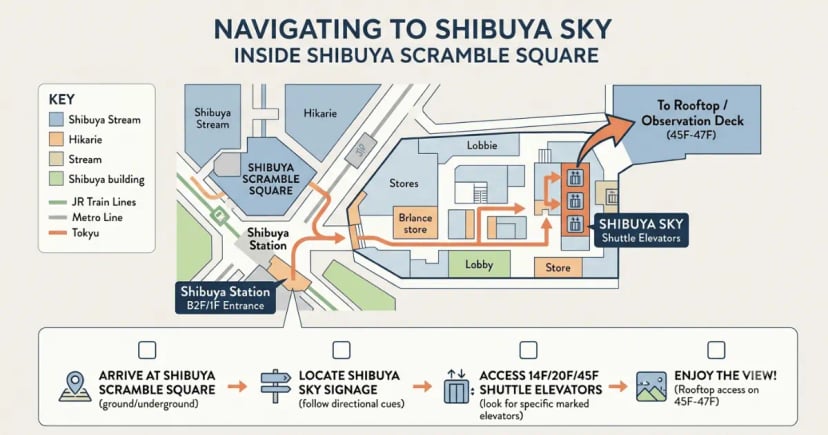
A simple guide to finding your way to Shibuya Scramble Square and the Sky Stage.
By Public Transport
Most visitors can reach Shibuya within the following time:
- 10–30 minutes from central Tokyo
- 15 minutes from Shinjuku
- 20 minutes from Tokyo Station
- 15 minutes from Roppongi
However, anyone who has experienced Shibuya Station during rush hour understands how overwhelming it can become. Navigating exits, crowded platforms, and packed trains often adds unnecessary stress, particularly when trying to arrive in time for sunset.
By Private Vehicle
For travellers prioritising comfort and efficiency, private transportation offers several advantages:
- Direct hotel pickup
- Flexible scheduling
- Easier family travel
- Comfortable evening returns
- Better timing for sunset visits
- Seamless combination with nearby attractions
From my experience, private transport becomes especially valuable when planning a sunset visit because even a short delay can mean missing the most beautiful lighting conditions.
1. Shibuya Sky Feels More Immersive Than Any Other Tokyo Observation Deck
Tokyo has several observation decks, including Tokyo Tower, Tokyo Skytree, and Mori Tower. But Shibuya Sky is different. It's a simple reason. It brings visitors to the heart of the city's skyline. The majority of observation decks have glass walls and indoor platforms between the public and the city. The rooftop stage at Shibuya Sky's breaks down those barriers. The wind can blow freely over the platform. The sounds rise up from the city. Visitors come from all directions, as the skyline encircles them.
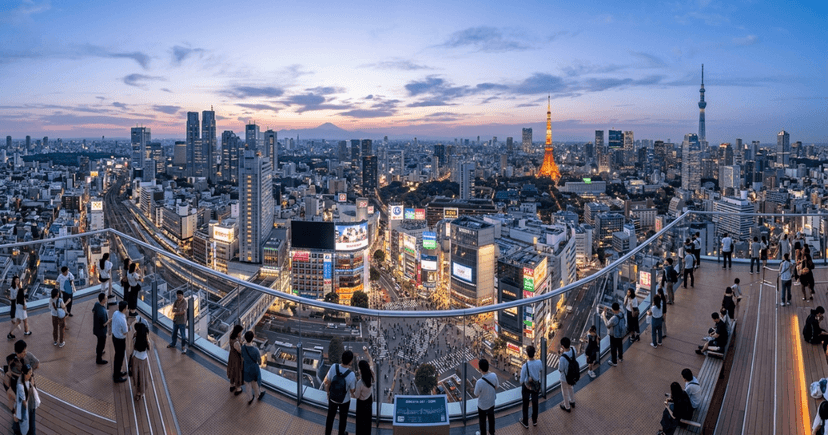
The ultimate vantage point: Experience the raw energy and sweeping 360-degree views of Tokyo from the open-air rooftop of Shibuya Sky.
It's an incredibly open experience. What struck me the most on my first trip was that many were just silent for a few moments. Often, visitors will stand still and take in the dimensions of Tokyo rather than run from one viewpoint to another. It's a strange sensation in a city that's so busy.
2. Sunset Changes Everything
3. The Shibuya Sky Night View Is Absolutely Incredible
While sunset attracts much of the attention, the Shibuya Sky night view deserves equal recognition. After dark, Tokyo becomes a glowing ocean of light stretching toward the horizon in every direction.
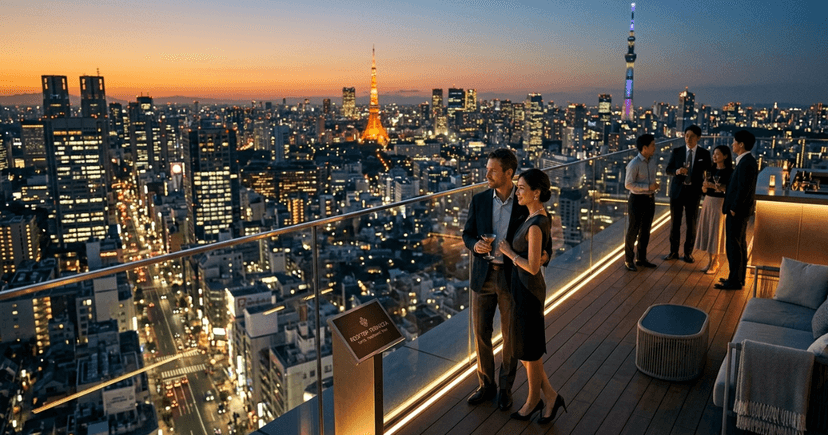
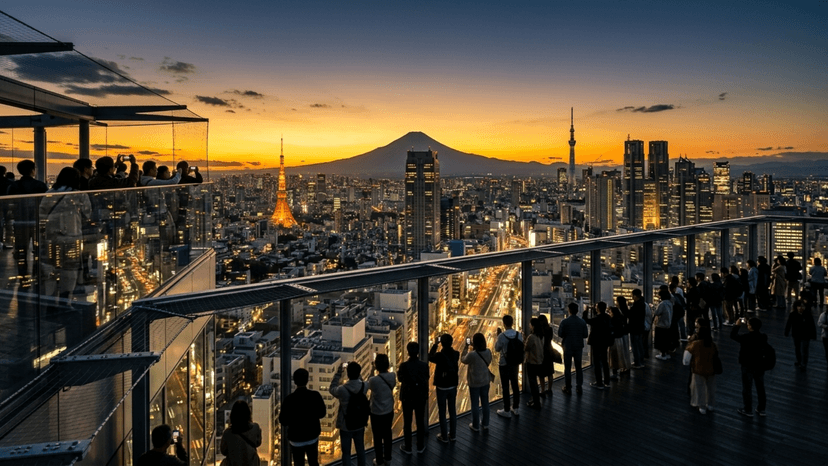
An unforgettable evening: Taking in the panoramic, neon-lit expanse of the Tokyo metropolis from the open-air rooftop.
From the rooftop, visitors can see the following:
- Tokyo Tower illuminated in orange
- Tokyo Skytree glowing in the distance
- Shinjuku's skyscrapers
- Roppongi's skyline
- Tokyo Bay landmarks
- Endless neighborhoods disappearing into the horizon
Unlike indoor observation decks, Shibuya Sky's open-air design eliminates glass reflections, creating a far more immersive viewing experience. For photographers, this is a huge advantage. For couples, it creates one of Tokyo's most romantic evening experiences. And for first-time visitors, it often becomes one of the highlights of an entire Japan trip. 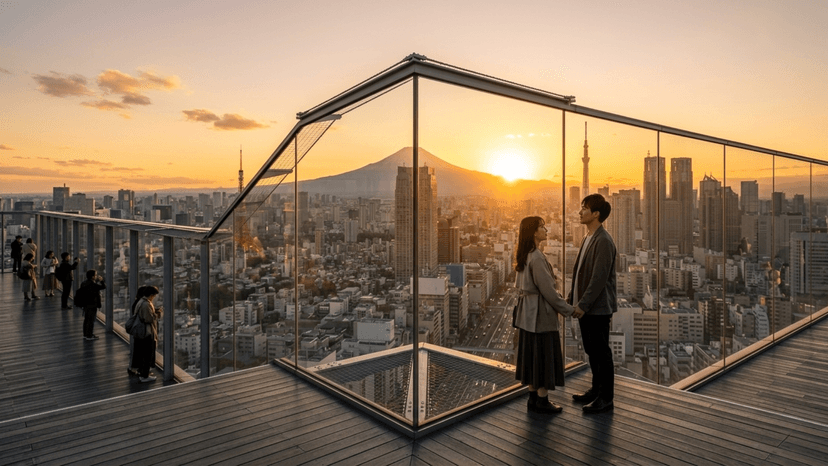
Golden hour at the edge: Capturing a timeless moment at Shibuya Sky’s most celebrated vantage point.
4. Sky Edge Is Tokyo's Most Famous Rooftop Photo Spot
For the best photographs:
- Visit during blue hour
- Arrive before peak crowds
- Wear neutral clothing
- Allow extra time for queues
The results are often spectacular.
5. Can You Really See Mount Fuji from Shibuya Sky?
Yes! And when conditions align, it is one of the most memorable sights in Tokyo. Many travellers search for Shibuya Sky views of Mt Fuji on a clear day, and for good reason. Mount Fuji is visible from the rooftop during clear weather, particularly in autumn and winter when humidity levels are lower.
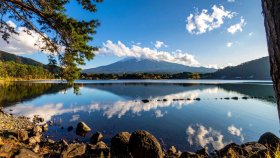
The best conditions typically occur:
- November through February
- Early morning
- Late afternoon before sunset
- After cold fronts
Seeing Fuji emerge beyond Tokyo's skyline creates a remarkable contrast between Japan's natural beauty and modern urban landscape. Even after multiple visits, that view never loses its impact.
6. Shibuya Sky vs Tokyo Tower vs Tokyo Skytree
Many visitors struggle to choose between Tokyo's major observation decks. Here's a simple comparison.
| Deck | Price (Approx) | Best For | Sunset/Night View | Crowd/Luxury |
| Shibuya Sky | ¥2,700 - ¥3,700 | Overall Exp. | Excellent | High/Very High |
| Tokyo Tower | ¥1,200 - ¥3,000 | Classic View | Strong/Excell. | Mod./High |
| Skytree | ¥1,800 - ¥3,000 | Height/Scale | Good/Excell. | High/High |
From my experience, Shibuya Sky offers the best balance of atmosphere, photography, skyline composition, and emotional impact.
7. How to Experience Shibuya Sky Without Crowds
Popularity comes with crowds. Fortunately, timing can dramatically improve the experience.
Best Times
- Weekday mornings
- Tuesday to Thursday
- Early afternoon outside holidays
Busiest Times
- Weekends
- Public holidays
- Peak sunset slots
Booking tickets in advance is highly recommended, especially during spring and autumn. Visitors who arrive without reservations often find limited availability during popular periods.
Opening Hours and Weather Closures
Shibuya Sky Ticket Guide
Prices vary depending on whether you book online in advance (highly recommended) or purchase them at the counter on the day of your visit, as well as the time of day you plan to enter.
Shibuya Sky master ticket pricing
|
Ticket Type |
Daytime Slot (Before 3:00 PM) Online / Same-Day |
Evening & Sunset Slot (After 3:00 PM) Online / Same-Day |
|
Adults (18+) |
¥2,700 / ¥3,000 |
¥3,400 / ¥3,700 |
|
Junior & High School |
¥1,700 / ¥2,000 |
¥2,400 / ¥2,700 |
|
Elementary School |
¥1,000 / ¥1,200 |
¥1,400 / ¥1,600 |
|
Children (Ages 3–5) |
¥600 / ¥700 |
¥800 / ¥900 |
|
Infants (Under 3) |
Free |
Free |
Key Tips for Booking:
- Counter Tickets are Rare: If adult tickets sell out online for a specific day, no counter tickets will be sold at the venue.
- Strict Grace Period: Your ticket comes with a timed entry window. You generally only have a 20-minute grace period from your selected time slot to enter, or you may be denied entry.
- Rooftop Rules: You will be required to store backpacks, hats, tripods, and selfie sticks in a 100-yen coin locker (the coin is refunded) before stepping onto the outdoor deck. Only phones and cameras with neck/wrist straps are permitted outside.
Rainy Day Strategy
Nearby Attractions
Shibuya Sky pairs perfectly with the following:
- Shibuya Scramble Crossing
- Yoyogi Park
- Tokyo Tower
- Roppongi Hills
- Mori Tower
- Shibuya Center-Gai
- Omotesando
- TeamLab Borderless
- TeamLab Planets
A popular luxury route combines Shibuya Sky, Tokyo Tower, and Roppongi for a complete Tokyo skyline experience.
Why Private Tokyo Itineraries Work So Well
If you are looking for a comfortable, flexible and upscale pace of travel, a private tour in Tokyo is the ideal choice. Benefits include:
- Hotel pickup service
- Flexible sightseeing schedules
- Easier attraction combinations
- Better sunset timing
- Comfortable evening transportation
- Personalized travel experience
Instead of spending time navigating crowded train stations, travellers can focus entirely on enjoying Tokyo itself.
Shibuya Sky Pro Tips
- Book sunset tickets early
- Arrive at least 30 minutes before sunset
- Visit weekdays when possible
- Check weather forecasts for Mount Fuji's visibility
- Stay after dark for city lights
- Bring a camera with night-photography capability
- Explore both indoor and outdoor viewing areas
- Combine with nearby attractions