

Introduction to Kotoku-in Temple
Planning a visit to the Great Buddha of Kamakura? Kotoku-in Temple offers a quick yet memorable cultural experience with a massive outdoor Buddha statue, easy access from Tokyo, and a peaceful atmosphere ideal for a short-day trip. As a highlight of any Kamakura day trip from Tokyo, it offers a unique outdoor Buddha statue experience, making it a must-visit destination for cultural sightseeing.
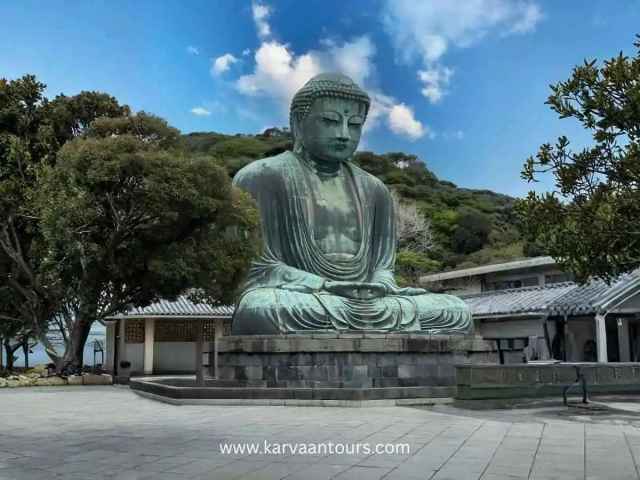
Figure 01: Kotoku in great buddha kamakura Japan
Overview of Kotoku-in Temple
Kotoku-in Temple is a historic Buddhist site located in Kamakura, renowned for its open-air setting and cultural significance. Unlike many traditional Japanese temples, it is minimal in structure yet deeply spiritual in atmosphere. Visitors come to experience its calm environment, ancient architecture, and connection to Japan’s religious heritage, making it a key stop in any Kamakura temple walking tour or cultural sightseeing itinerary.
Importance of the Great Buddha of Kamakura (Daibutsu)
The Great Buddha of Kamakura (Daibutsu) is the main attraction of Kotoku-in and one of Japan’s most recognisable landmarks. This massive bronze Buddha statue symbolises peace, resilience, and spiritual devotion. Dating back to the Kamakura period, it has survived natural disasters and centuries of history, offering visitors a powerful glimpse into Japan’s Buddhist traditions and making it central to any exceptional Buddha Japan travel guide.
Who Should Visit Kotoku-in Temple?
- First-time Japan visitors → Easy cultural intro
- Families → Short, manageable visit
- History lovers → Deep cultural significance
- Photographers → Iconic outdoor statue
- Slow travelers → Peaceful environment
Why It Is a Top Kamakura Sightseeing Highlight
Kotoku-in stands out among Kamakura sightseeing highlights due to its unique outdoor Buddha experience and historical depth. Its accessibility from Tokyo makes it ideal for day trips, while nearby attractions like Hase-dera Temple enhance the visit. The combination of cultural heritage, scenic surroundings, and spiritual ambiance makes it one of the most memorable and photographed destinations in Kamakura.
Kotoku-in Origins During the Kamakura Period
Kotoku-in Temple dates back to the Kamakura period, a time when samurai culture and Japanese Zen Buddhism flourished in Kamakura. Originally, the temple housed a large wooden Buddha statue before the current bronze version was created. This era marked Kamakura as Japan’s political centre, shaping its identity as a hub of spiritual and cultural heritage that still attracts visitors today.
Construction of the Bronze Buddha Statue
The Great Buddha of Kamakura (Daibutsu) was cast in bronze in the 13th century, replacing the earlier wooden statue destroyed by storms. Skilled artisans used advanced casting techniques for that time, creating a hollow structure that remains intact today. This engineering achievement reflects the craftsmanship of ancient Japan and contributes to the statue’s reputation as one of the most remarkable examples of early bronze Buddha construction in Asia.
Size, Weight, and Structure
The Daibutsu stands approximately 13.35 metres tall and weighs around 93 tonnes, making it one of Japan’s largest bronze Buddha statues. Its hollow interior design not only reduces weight but also allows visitors to enter inside. The statue’s balanced proportions and intricate details highlight the artistic excellence of the Kamakura period, offering a striking example of ancient Japanese architecture combined with spiritual symbolism.
Natural Disasters and Survival
Over centuries, the Great Buddha has survived multiple typhoons, earthquakes, and even a devastating tsunami that washed away its original temple hall. Despite these disasters, the statue remains standing in the open air, symbolizing resilience and endurance. Its survival has made it a powerful cultural icon, representing Japan’s ability to preserve heritage while adapting to natural challenges throughout history.
Great Buddha Interior Viewing
One of the most unique experiences at Kotoku-in is the opportunity for Great Buddha interior viewing. Visitors can step inside the hollow statue and observe its internal structure, including bronze casting seams. This rare feature provides insight into ancient engineering techniques and enhances the overall temple experience, making it more interactive compared to other historic Buddhist sites in Japan.
How to Visit Great Buddha Kamakura
Visiting Kotoku-in Temple from Tokyo is simple and efficient for a Kamakura day trip itinerary. Take the JR Yokosuka Line to Kamakura Station, then transfer to the Enoden Line and stop at Hase Station. From there, a short walk leads to the temple. This route offers scenic coastal views and is ideal for first-time visitors exploring Kamakura cultural attractions.
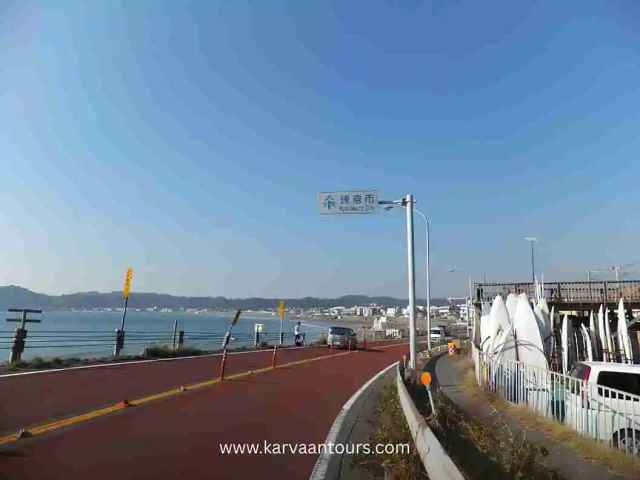
Figure 02: Kamakura coastal road ocean view Japan
What Makes the Great Buddha of Kamakura Unique?
- One of the few outdoor bronze Buddhas in Japan
- Visitors can enter inside the statue
- Survived tsunami destruction
- Minimal temple structure (rare experience)
Opening Hours and Ticket Price
The Kamakura Buddha's opening hours typically run from 8:00 AM to 5:30 PM, with slight seasonal variations, so checking ahead is recommended. The kotoku-in ticket price is affordable, around 300 yen for adults, making it accessible for most travelers. There is a small additional fee for Great Buddha interior viewing. Visiting early morning or late afternoon ensures fewer crowds and a more peaceful temple atmosphere.
Best Time to Visit the Great Buddha
The best time to visit the Great Buddha of Kamakura is during spring and autumn, when seasonal cherry blossoms and autumn foliage enhance the temple’s beauty. These seasons provide ideal conditions for
photography and a relaxing spiritual travel experience. Early mornings and weekdays are less crowded, allowing visitors to fully enjoy the outdoor Buddha statue experience and peaceful surroundings without heavy tourist traffic.
Guided Tours and Travel Options
Booking a guided tour great buddha Kamakura experience or a private tour from Tokyo can greatly enhance your visit. These tours often include stops at Hase-dera Temple and Tsurugaoka Hachimangu Shrine, offering deeper insights into Kamakura religious heritage. Guided options are perfect for travelers who want structured itineraries and expert knowledge about Japan cultural sightseeing.
Travel Tips for First-Time Visitors
For first-time visitors, planning ahead ensures a smooth kotoku-in temple experience Japan trip. Wear comfortable shoes for walking tours, carry cash for tickets, and follow Japanese temple etiquette such as maintaining silence and respecting sacred areas. Combine your visit with nearby attractions like Komachi Street for local street food. These practical tips help maximise your Kamakura sightseeing highlights efficiently.

Tokyo to Kamakura Travel Route
Traveling from Tokyo to Kamakura is simple and efficient for a day trip. Start by taking the JR Yokosuka Line directly to Kamakura Station. From there, transfer to the scenic Enoden Line and ride to Hase Station. This route offers coastal views and easy access to Kotoku-in, making it ideal for first-time visitors exploring Kamakura sightseeing highlights.
Alternative Travel Options
For a more convenient experience, consider booking a private tour of Kamakura from Tokyo or joining a guided tour of the Great Buddha Kamakura itinerary. These options often include transportation, expert guides, and visits to nearby sites like Hase-dera Temple. Guided tours provide deeper insights into Kamakura religious heritage and are ideal for travellers seeking structured, stress-free cultural exploration.
Kotoku-in Ticket Price and Opening Hours
Visiting Kotoku-in Temple is budget-friendly and easy to plan for all travelers. The kotoku-in ticket price is typically around 300 yen, with a small extra fee required for Great Buddha interior viewing. Kamakura Buddha opening hours generally run from early morning until late afternoon, varying slightly by season. For the best experience, visit during early hours or near closing time to avoid crowds and enjoy a peaceful temple atmosphere.
Kotoku-in Temple Experience Japan
The Kotoku-in Temple offers a unique outdoor Buddha statue experience centered around the Great Buddha of Kamakura (Daibutsu). Visitors can enjoy a peaceful temple atmosphere surrounded by nature and history. The site reflects deep cultural and spiritual significance, making it a highlight of Japan spiritual travel experiences. Its simplicity and openness create a calm environment ideal for reflection and cultural appreciation.
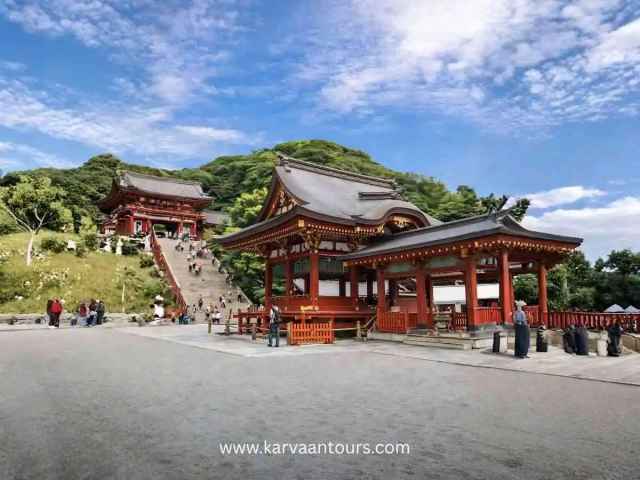
Figure 03: Kamakura shrine red temple buildings stairs Japan
Things to Do in Kamakura Temples
Exploring temples in Kamakura offers rich cultural experiences beyond Kotoku-in. Visit Hase-dera Temple for scenic views, Tsurugaoka Hachimangu Shrine for historical importance, and Zen sites like Kencho-ji Temple and Engaku-ji Temple. These locations form a complete zen temples in Kamakura itinerary, offering insight into Japanese religious heritage and architecture.
Kamakura Temple Walking Tour Itinerary
A Kamakura temple walking tour typically begins near Hase area, covering key sites like Kotoku-in and nearby temples. The route includes scenic paths, traditional streets, and stops at Komachi Street for shopping and food. Travelers can also add Rickshaw tours Kamakura for a unique experience. These itinerary balances cultural sightseeing with local exploration, making it ideal for first-time visitors seeking a structured yet flexible plan.
Nearby Attractions and Experiences
Kamakura offers diverse attractions beyond temples. Visit Hokoku-ji Bamboo Grove for a tranquil setting, relax at Yuigahama Beach or Zaimokuza Beach, and enjoy a traditional matcha tea experience. Local street food stalls provide authentic flavors, enhancing your cultural journey. These nearby experiences complement your temple visits and create a well-rounded Kamakura sightseeing itinerary.
Kotoku-in Photography Tips
Capturing the Great Buddha of Kamakura (Daibutsu) requires thoughtful composition and timing. Early morning light provides soft tones, while evening offers dramatic shadows. Experiment with angles, including wide shots and close details of the bronze statue. Seasonal photography during cherry blossoms or autumn foliage enhances visual appeal. These kotoku-in photography tips help create memorable images of this iconic Japan landmark.
Is Visiting Kotoku-in Temple Worth It?

Kamakura Travel Tips for First-Time Visitors
For first-time visitors, planning is key to enjoying Kamakura efficiently. Use reliable transport options like trains from Tokyo, wear comfortable shoes for walking tours, and manage your timing to avoid crowds. Follow Japanese temple etiquette, such as respecting quiet spaces. Combine your visit with a Kamakura day trip itinerary Tokyo plan to cover major attractions while maintaining a smooth and enjoyable travel experience.
Conclusion
If you’re planning a Kamakura day trip, Kotoku-in Temple is one of the easiest and most rewarding stops. Its short visit time, cultural depth, and iconic Buddha statue make it ideal for both first-time visitors and those looking for a peaceful break from Tokyo.