
Introduction to Senso-ji Temple
Senso-ji is the oldest and most iconic Buddhist temple in Asakusa. Known for its vibrant atmosphere and historic charm, it attracts millions of visitors each year. Located in the heart of Tokyo, the temple offers a unique blend of tradition and culture, making it a must-visit destination for anyone exploring Japan’s spiritual and historical heritage.
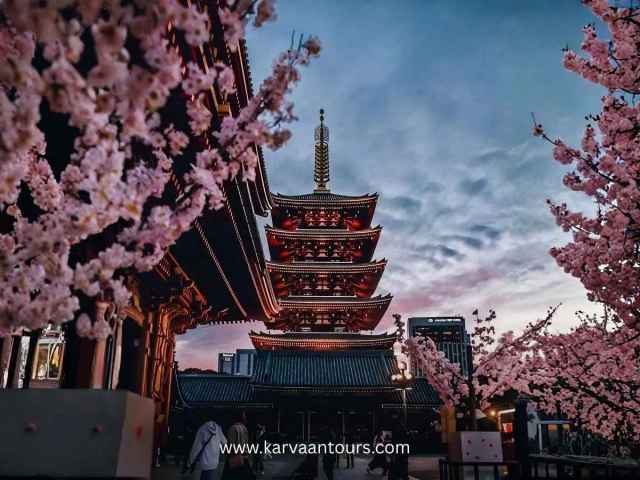
Figure 01: Sensoji temple pagoda cherry-blossoms Tokyo sunset
Senso-ji Temple Quick Overview
• Location: Asakusa, Tokyo
• Type: Buddhist temple
• Famous for: Kaminarimon Gate, giant lantern, Nakamise Street
• Entry: Free
• Ideal duration: 1–2 hours
• Best for: Culture, photography, first-time visitors
Senso-ji Temple History and Facts
Senso-ji has a rich history that dates back over a thousand years, making it a key symbol of Buddhism in Tokyo. The temple has survived wars and natural disasters while preserving its cultural significance. Today, it stands as an important religious site and a major attraction in Asakusa, reflecting Japan’s deep spiritual traditions and architectural heritage.

Origins and Historical Background
Senso-ji Temple was founded in 628 AD, making it Tokyo’s oldest temple. According to legend, two fishermen discovered a statue of Kannon, the goddess of mercy, which led to the temple’s establishment. Over time, it became a central place of worship and played an important role in spreading Buddhism across the region.
Cultural and Religious Significance
Senso-ji is a major Tokyo cultural heritage site and an active place of worship. It attracts both pilgrims and tourists seeking blessings and spiritual experiences. The temple represents centuries of tradition and remains an important symbol of faith, making it a key destination for understanding Japan’s religious and cultural identity.
Architecture and Key Structures
Key structures of Senso-ji include the iconic Kaminarimon Gate, known for its giant lantern, the Hozomon Gate, and the impressive Five-Story Pagoda. These landmarks showcase traditional Japanese temple architecture and create a visually stunning experience for visitors.
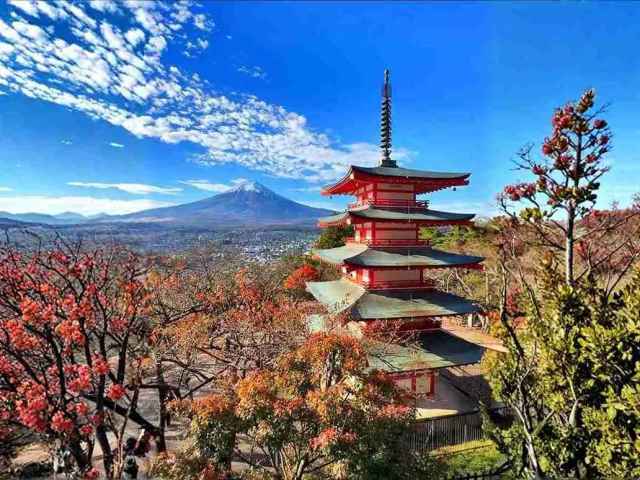
Figure 02: Chureito pagoda mount-fuji autumn view Japan
How to Visit Senso-ji Temple
Visiting Senso-ji is simple thanks to its central location in Asakusa. The temple is well-connected by Tokyo’s public transport system and easily accessible on foot. Whether arriving by metro or exploring nearby streets, reaching Senso-ji is convenient, making it a perfect stop in any Tokyo sightseeing or cultural itinerary.
Access by Train and Metro
The easiest way to reach Senso-ji is via the Tokyo Metro Ginza Line or Toei Asakusa Line. Both lines stop at Asakusa Station, just a short walk from the temple. These routes are fast, reliable, and connect directly to major Tokyo areas, making travel smooth for visitors.

Figure 03: Tokyo metro train underground station platform Japan
Walking Route in Asakusa
From Asakusa Station, visitors walk through Nakamise Street, a lively shopping street leading directly to the temple. This traditional pathway is filled with local snacks and souvenirs, creating an immersive cultural experience before reaching the main temple grounds.
Travel Tips for First-Time Visitors
Arrive early in the morning to avoid crowds and enjoy a peaceful experience. Follow clear signage from stations, and consider using maps or apps for navigation. Walking is the best way to explore Asakusa, allowing you to discover hidden spots and fully enjoy the temple surroundings.
Senso-ji Temple Opening Hours and Entrance Fee
Senso-ji is open daily and easily accessible, making it a convenient stop in any Tokyo itinerary. The temple grounds are open throughout the day, while the main hall has specific visiting hours. One of its biggest advantages is free entry, allowing visitors to explore this historic site without cost while enjoying a rich cultural experience in Asakusa.
Opening Hours Information
Sensoji temple opening hours typically range from early morning (around 6:00 AM) to evening (around 5:00 PM), depending on the season. The outer grounds remain accessible even after hours, allowing visitors to explore the temple area at different times of the day. Checking updated timings before visiting is recommended for accuracy.
Entry Fee Details
Entry to Senso-ji is completely free, with no required tickets. Visitors can walk through the temple grounds, gates, and surrounding areas without any cost. Optional purchases, such as omikuji or souvenirs, are available but not mandatory.
Best Time of Day to Visit
Morning is the best time to visit for fewer crowds and a peaceful atmosphere. A Senso-ji temple night visit offers a quieter and more atmospheric experience with beautiful lighting. Avoid midday peak hours, especially on weekends, to enjoy a more relaxed and comfortable visit.
Best Time to Visit Asakusa Temple
The best time to visit Senso-ji depends on seasons, events, and crowd levels. Each time of year offers a different experience, from lively festivals to quiet evenings. Planning your visit around these factors ensures a more enjoyable and memorable trip to Asakusa.
Seasonal Highlights
Senso-ji hosts seasonal events and festivals, including the famous Sanja Matsuri, one of Tokyo’s largest cultural celebrations. Spring and autumn are especially popular due to pleasant weather and festive atmosphere, attracting both locals and tourists.
Day vs Night Experience
During the day, Senso-ji is vibrant and busy with visitors exploring Asakusa. At night, the temple is illuminated, creating a peaceful and scenic atmosphere. The Senso-ji temple night visit offers a unique perspective with fewer crowds and beautiful lighting.
Crowd and Weather Tips
To avoid crowds, visit early in the morning or later in the evening. Weekdays are generally less busy than weekends. Weather conditions also affect your experience, so checking forecasts and planning accordingly helps ensure a comfortable and enjoyable visit.
Things to Do in Asakusa Temple Area
The area around Senso-ji in Asakusa is full of cultural experiences, street food, and iconic attractions. Visitors can explore traditional shopping streets, enjoy local cuisine, and discover nearby landmarks. This vibrant district offers a complete Tokyo cultural experience, making it one of the best places to spend time before or after visiting the temple.
• Walk through Nakamise Street
• Try traditional Japanese street food
• Visit Asakusa Shrine
• Take a rickshaw tour
• Enjoy views from Tokyo Skytree
Explore Nakamise Street
Nakamise Street is a lively shopping street leading to Senso-ji, known for traditional snacks and souvenirs. Visitors can try local treats like Ningyo-yaki and Melonpan. The street offers a vibrant atmosphere and a chance to experience Tokyo Street food near the temple.
Cultural Experiences Nearby
Visitors can enjoy cultural activities such as Kimono Rental, allowing them to explore the area in traditional attire, or take a Rickshaw Tour for a guided experience. These activities provide a deeper connection to Japanese culture and enhance the overall visit to Asakusa.

Figure 04: Traditional rickshaw ride tourist Japan street experience
Visit Nearby Attractions
Nearby attractions include Asakusa Shrine, a peaceful Shinto shrine next to Senso-ji, and Tokyo Skytree, offering panoramic city views. These locations add variety to your itinerary and make Asakusa a well-rounded sightseeing destination.
Senso-ji Temple Cultural Experience
Visiting Senso-ji offers an immersive cultural experience rooted in Buddhism traditions. From rituals to symbolic practices, visitors can engage with authentic Japanese customs. The temple’s spiritual atmosphere, combined with centuries-old traditions, makes it a meaningful destination for those seeking a deeper connection with Japanese culture.
Incense and Purification Ritual
The Incense Burner Ritual is one of the most important traditions at Senso-ji. Visitors waft incense smoke over their bodies for purification and good health. This ritual is believed to bring blessings and is a key part of the Japanese Buddhist temple experience.
Omikuji and Ema Traditions
Visitors can try Omikuji Fortune Telling, where fortunes predict luck, and write wishes on Ema Wooden Plaques. These traditions allow visitors to participate in local customs and create a personal connection with the temple’s spiritual practices.
Temple Etiquette for Visitors
When visiting Senso-ji, follow proper etiquette such as bowing at entrances, speaking quietly, and respecting sacred areas. Dress modestly and avoid disruptive behavior. Understanding these cultural norms ensures a respectful and meaningful experience at this historic temple.
Senso-ji Temple Photography Tips
Senso-ji offers incredible photography opportunities with its iconic structures and vibrant atmosphere. From historic gates to seasonal decorations, the temple provides diverse settings for capturing memorable images in Tokyo.
Best Photography Spots
Top spots include the Kaminarimon Gate with its giant lantern and the temple grounds beyond. These areas provide iconic compositions that represent the essence of Senso-ji and Asakusa.
Lighting and Timing Tips
Early morning light creates soft, natural tones ideal for photography, while nighttime illumination adds dramatic effects. Visiting during sunrise or after sunset allows for fewer crowds and better lighting conditions.
Seasonal Photography Ideas
Seasonal festivals and decorations, such as during Sanja Matsuri, provide unique photography opportunities. Lanterns, events, and cultural displays add vibrant elements to your images, making each visit visually distinct.
Asakusa Itinerary with Senso-ji Temple
Planning an itinerary around Senso-ji helps maximize your time in Asakusa. Whether short or extended, combining temple visits with nearby attractions creates a well-rounded travel experience.
Half-Day Itinerary
A half-day visit includes exploring Senso-ji, walking through Nakamise Street, and visiting nearby spots. This quick plan is ideal for travelers with limited time who want to experience key highlights.
Full-Day Asakusa Plan
A full-day plan includes temple visits, cultural experiences, and nearby attractions like Tokyo Skytree.
Walking through Asakusa allows visitors to explore the district’s history, food, and culture in depth.
Guided and Private Tour Options
Guided and private tours offer structured itineraries and expert insights into Asakusa’s history and culture. These tours are ideal for visitors seeking convenience and a deeper understanding of the area.
Nearby Attractions Around Senso-ji
The area around Senso-ji features a variety of attractions that enhance your visit. From scenic parks to cultural streets, Asakusa offers something for every traveler.
Parks and Scenic Spots
Sumida Park and the Sumida River provide scenic views and relaxing walking areas. These spots are perfect for enjoying nature and capturing beautiful photos of Tokyo.
Cultural and Shopping Areas
Kappabashi Street is famous for kitchenware and traditional items. It offers a unique shopping experience and insight into Japanese craftsmanship and culture.
Hidden Gems in Asakusa
Beyond the main attractions, Asakusa has lesser-known spots such as quiet alleys, local shops, and small temples. Exploring these hidden gems allows visitors to experience a more authentic side of the district.
Senso-ji Temple Travel Tips
Planning your visit to Senso-ji ensures a smooth and enjoyable experience. With proper preparation, visitors can explore the temple and surrounding areas efficiently.
Transport and Navigation Tips
Use Tokyo’s metro system for easy access to Asakusa. Follow clear signage and use maps or apps for navigation. Public transport is reliable and the best way to explore the area efficiently.
Family and Visitor Tips
Senso-ji is suitable for families, with open spaces and easy walking routes. Keep an eye on children in crowded areas and plan visits during quieter times for a more comfortable experience.
Planning Your Visit Efficiently
Start early, prioritize key attractions, and allow extra time for exploring nearby areas. Combining temple visits with local experiences helps maximize your time and creates a balanced itinerary.
Is Senso-ji Temple Worth Visiting?

Conclusion
Senso-ji offers a rich blend of history, culture, and spiritual experience in the heart of Asakusa. From its iconic gates to traditional rituals and vibrant surroundings, it reflects Tokyo’s deep cultural roots. As the city’s oldest temple, it remains a must-visit destination for travelers seeking authentic Japanese heritage and a meaningful cultural journey.