


Introduction to Mount Fuji Viewing Spots
Mount Fuji is Japan’s highest peak at 3,776 meters and one of the most recognizable natural landmarks in the world. Its perfectly symmetrical volcanic shape dominates the skyline across central Japan, making it a focal point for travelers exploring the region.

Traveler admiring Mount Fuji from a scenic viewpoint overlooking Lake Yamanaka, Japan
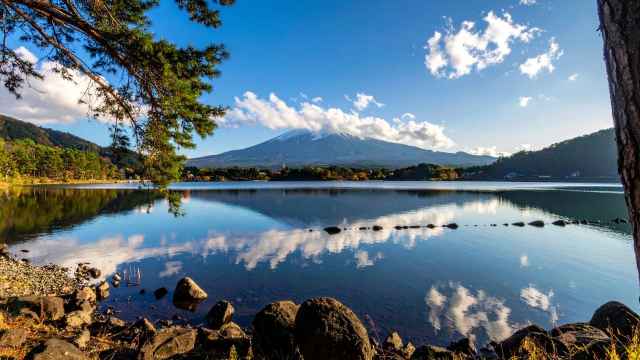
But it's not just about reaching the top of Mount Fuji; it is about picking the proper spot to see it. The way you experience Fuji depends on visibility, angle, elevation, and the surrounding landscape. The characteristic feature of the lake area is the gentle reflection, which can also be seen from a lakeside location like Lake Kawaguchi, and the structured composition seen from elevated points like the Chureito Pagoda is characteristic of the pagoda area.

Mount Fuji reflected over Lake Yamanaka with lakeside village scenery in Japan
For anyone considering experiencing Mount Fuji, we have prepared this guide to help you find the absolute best spots with assurance. As for what to see, you can come and go in a short day, shoot the pictures, or take it easy and see Fuji from the best spots, ranging from the quintessential postcard-perfect areas to the more secluded locations for equally stunning views.
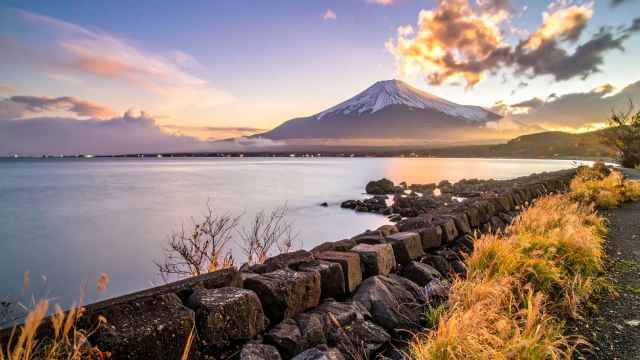
We also provide practical tips for getting to these amazing places as easily as possible from Tokyo, so your journey is as smooth as possible. From scenic rail trips to flexible road travel, or even premium private tours, this guide will help you see the best of Mount Fuji in a memorable, comfortable, and well-planned way.
Why Mount Fuji is So Special (Culture, Symbolism & Scenic Power)
Mount Fuji has a special place in Japanese culture and religion. It is a UNESCO World Heritage Site and has been considered a sacred mountain since ancient times, and is important to Shinto and Buddhist cults. It was a traditional pilgrimage site in the past and was seen as a place of purification and spiritual elevation. Apart from religion, Mt. Fuji has influenced Japanese art for centuries. It is featured in traditional woodblock prints, in literature, and in contemporary artwork, thus continuing to be a national icon. It is so symmetrical and consistent in shape that it is easily recognized, which is one of the reasons it is among the most photographed mountains in the world.

A cherry tree in full bloom overlooking a river and Mt Fuji
The mountain's meaning is also related to its environmental presence. This site is set in an isolated location that dominates the surrounding landscape, visible from the edge of the city, rural villages, and open plains. This visual prominence is a strong sense of place that is hard to find with other natural features. It is also known for being seasonal. From light framing in the spring, through thick foliage in the summer, to bright contrast in the fall and distinct winter's peak, every season brings a unique look. The variability means that Mount Fuji is not an event that occurs only once, but one that takes on different meanings in different contexts. More than anything else, the significance of Mount Fuji lies in its physical form, cultural relevance, and environmental dominance. It is not only a beautiful sight, but a symbol of Japan's past, its philosophy, and aesthetics.
Best Time to Visit Mount Fuji for the Clearest Views (Seasonal Planning Guide)
One of the biggest factors that determines your Mount Fuji experience is timing. While many landmarks can be seen at the same time throughout the year, Mount Fuji looks vastly different with the seasons, the weather, and sometimes even the time of day. The weather can change from clear blue skies with a panoramic view to overcast skies in a matter of hours, so it is important to know what to expect throughout the season when planning the perfect trip to see Mt. Fuji.

A red maple tree with Mt Fuji and a city in the distance
The best time to visit varies according to the traveler's preferences, ranging from cherry blossoms to hiking access to the season's colors or the clearest possible skyline. The advantages of each season differ; some offer better visibility than others.
Best Seasons to View Mount Fuji
|
Season |
Best For |
Visibility |
Crowds |
Photography Style |
|
Spring |
Cherry blossoms |
Good |
High |
Sakura + Fuji |
|
Summer |
Hiking |
Moderate-Low |
Moderate |
Green landscapes |
|
Autumn |
Foliage |
Very Good |
Moderate |
Red/orange contrast |
|
Winter |
Clear views |
Excellent |
Lower |
Snow-capped iconic Fuji |
Spring
Mount Fuji is one of the most iconic places to visit in spring, especially between the end of March and the beginning of April when cherry blossoms start to bloom. This season offers some of Japan's most familiar scenes, with cherry blossoms and snow-covered Fuji-san. The top spots for this experience include Chureito Pagoda and Arakurayama Sengen Park, which offer vantage points overlooking Mount Fuji, pink blossoms, and old-fashioned architecture. The areas are particularly popular for photographing postcards.

A multi-tiered Japanese pagoda in a park near Mt Fuji
The spring season is a beautiful time, but also a time of greater crowds. However, busy times are during peak hours, and the morning is often when it is least crowded and clearest.
Summer (Hiking Season vs Visibility Challenges)
Climbing season on Mount Fuji opens in the summer; the official climbing season is July through early September. This is the optimum time for the serious trekker who wants to go up the mountain but not just to see it.

Mount Fuji Summit Climb Experience
But, summer is not always the best for clear sightings. Warm weather conditions cause haze, humidity and cloud to form particularly in the middle of the day. Routes like the Yoshida Trail open up during this season, but if you are looking for some amazing vistas from a lower vantage point, they might not be as impressive as in winter.

Traverlers are doing hiking with Mt Fuji above
For travelers prioritizing photography or clear skyline views, summer is generally better for adventure than for optimal viewing conditions.
Autumn
Autumn is often considered one of the most balanced seasons for viewing Mount Fuji.Cooler air makes for good visibility from October to November, and fall foliage brings in rich reds, oranges and golds to surrounding scenes.

Red cherry blossom glowing in front of Mount Fuji
This time is especially good for landscape photography, with colorful foregrounds making the areas like Lake Kawaguchi and Oishi Park even more interesting. Another advantage of the fall season is that it provides a good balance of beauty and crowds, making it a great option for those who appreciate both.
Winter
Winter is generally considered the best time to see Mount Fuji as it is when the weather is clearest and least variable. The dry season (December to February) is when sharp, unobstructed views are common due to cold air, lower humidity and stable weather patterns. It is at this moment that Fuji is at its best stark, crisp and snow-clad, dominating the blue sky. Hakone, the Kawaguchi Lake and hotels like Hoshinoya Fuji are particularly rewarding when viewed.

Person with red umbrella walking through snowy landscape toward Mount Fuji in winter, Japan
While temperatures are colder, winter offers the highest probability of seeing Mount Fuji at its most iconic.
Best Time of Day for Mount Fuji Views
The time of day can greatly affect visibility, both in the winter and the summer. Clouds build up later in the day and early morning offers the best window for seeing clear skies. This is particularly important in the spring/summer. Sunrise provides less harsh lighting, less wind and fewer crowds and is really great for the photographers. Early morning and late evening, when the sun is just above the horizon, can produce stunning lighting and colour, particularly by lakes and at high levels. Late-day cloud cover can sometimes make the sunset less visible, but in the fall and winter months, it can be an amazing sight to behold.

Sunset view of Mount Fuji over a quiet Japanese town
For travelers prioritizing the best possible experience, combining winter or autumn with an early morning visit often provides the strongest chance of exceptional Mount Fuji views.
15 Best Mount Fuji Viewing Spots for Iconic Views, Photography & Day Trips
1. Chureito Pagoda
2. Arakurayama Sengen Park
3. Lake Kawaguchi
4. Oishi Park
5. Fuji Panorama Ropeway
6. Lake Yamanakako
7. Hakone Ropeway
8. Gotemba
9. Fujinomiya
10. Shizuoka coastal viewpoints
11. Oshino Hakkai
12. Fuji Shibazakura Festival grounds
13. Hoshinoya Fuji
14. Fuji Speedway area
15. Miho no Matsubara (Shizuoka)
Fuji Five Lakes: The Ultimate Region for Mount Fuji Panoramic Views

Ropeway cable car over Lake Kawaguchi with mountain views
Unlike single-viewpoint destinations, Fuji Five Lakes offers a broader regional experience. Each lake and nearby town provides a different perspective, allowing visitors to experience Mount Fuji through reflections, elevated landscapes, flower parks, and quiet rural settings. For many travelers, this region delivers the strongest overall balance of scenery, variety, and practical access from Tokyo.
Why Fuji Five Lakes Offers the Best Overall Viewing Experience
The greatest advantage of Fuji Five Lakes is diversity. Rather than relying on one landmark, the region provides multiple environments from lakeside panoramas to cultural villages and observation points all centered around Fuji.

Woman in kimono with red umbrella walking toward Mt Fuji in snow
This means travelers can combine postcard-famous viewpoints, seasonal flower landscapes, and quieter hidden spots within one itinerary. It is particularly ideal for first-time visitors who want maximum visual payoff without sacrificing convenience.
Lake Kawaguchiko

Person cycling on a path along Lake Kawaguchi in autumn
It is popular for its diversity. Lakeside promenades, floral parks such as the Oishi Park, and the Fuji Panorama Ropeway for people who want to see the Fuji from the air are among the ways you can experience Fuji. If you are looking for the typical “best overall” experience of Mount Fuji, Kawaguchiko is for you.
Lake Yamanakako
Yamanakko is a more open and quiet view than Kawaguchiko. It is the largest of the Fuji 5 lakes and offers wide landscape shots and great sunrise photos.

White swans swimming in Lake Yamanaka with Mt Fuji background
This area tends to be more popular with tourists looking for less touristy and more open areas. The lakeshore is open, offering sometimes excellent photographic opportunities, particularly in winter and early morning.
Fujiyoshida
Fujiyoshida offers cultural and architectural experiences on top of the Mount Fuji viewing experience. This is home to Chureito Pagoda and Arakurayama Sengen Park, which play up a traditional Japan scene in the backdrop of Mount Fuji.

Chureito Pagoda and Mt Fuji with cherry blossoms in spring
For photographers, Fujiyoshida is one of the strongest destinations for iconic compositions that feel distinctly Japanese.
Scenic Photography Routes Around the Lakes
Route flexibility is one of the most significant benefits of the Fuji Five Lakes area. The travelers can make a photography circuit that starts with sunrise views from the lakeshore, passes through a pagoda landscape and a flower park, and ends with a panoramic view of the city from the ropeway in one day.
Mount Fuji from Hakone vs Kawaguchiko vs Shizuoka: Which Region is Best?
The ideal viewing point for Mt. Fuji depends on each traveller's style, preferences and experience. All three areas provide great views, but cater to different types of travellers.
Hakone for Luxury and Sightseeing
Hakone is ideal for travelers who want Mount Fuji combined with premium experiences such as ryokan stays, hot springs, scenic cruises, and polished tourism infrastructure.

Visitors viewing steaming hot spring pond at Beppu Hells in Japan
Hakone often emphasizes atmosphere and comfort as much as the view itself. While visibility can vary depending on weather, it remains a strong option for luxury travelers.
Kawaguchiko for Classic Panoramic Views
Kawaguchiko is generally the best all-around choice for travelers prioritizing direct, classic, and reliable Mount Fuji views. It offers some of the most recognizable perspectives and is particularly strong for photography and first-time visits.
Shizuoka for Hidden Premium Perspectives
Shizuoka often receives less attention but offers exceptional hidden-gem viewpoints, particularly from coastal or less crowded areas. This region can feel more exclusive and less commercial, making it appealing for repeat visitors or premium travelers seeking something beyond standard tourist routes.

Orange train crossing in front of Mount Fuji in a city street
Which is Best for Photography?
For most photographers, Kawaguchiko and Fujiyoshida offer the strongest combination of iconic angles, accessibility, and seasonal variation. Hakone is more atmospheric, while Shizuoka can be exceptional for unique perspectives.
Which is Best for Private Tours?
Private tours are often most effective in Kawaguchiko and broader Fuji Five Lakes due to route efficiency and attraction density, though luxury-focused private tours frequently combine Hakone with curated sightseeing.
Best Mount Fuji Viewing Spots by Travel Style
Choosing the best Mount Fuji viewing spot ultimately depends on what kind of experience you want. While some travelers prioritize iconic first-time views, others may focus on photography, luxury, or avoiding crowds. Matching your travel style to the right region can dramatically improve your overall experience.
|
Spot |
Best Shot Type |
Best Time |
|
Chureito Pagoda |
Pagoda + Fuji postcard |
Spring sunrise |
|
Lake Kawaguchi |
Reflection |
Early morning |
|
Oishi Park |
Floral foreground |
Summer / Autumn |
|
Lake Yamanakako |
Wide panoramic |
Winter sunrise |
|
Shizuoka Coast |
Unique hidden gem |
Sunset |
Best for First-Time Visitors
For first-time travelers, the Fuji Five Lakes region particularly Lake Kawaguchi and Chureito Pagoda offers the most reliable and iconic Mount Fuji experience. These spots combine accessibility, classic scenery, and high visual payoff.
Best for Photographers
Photographers often benefit most from Fujiyoshida, Chureito Pagoda, Oishi Park, and Lake Yamanakako. These locations offer structured compositions, seasonal foregrounds, sunrise opportunities, and some of the most postcard-perfect Mount Fuji shots in Japan.
Best for Luxury Travelers
Luxury travelers may prefer Hakone or premium stays like Hoshinoya Fuji, where Mount Fuji viewing can be combined with hot springs, private transport, and upscale accommodations.
Local Tips for the Best Mount Fuji Viewing Experience
Arrive before 8 AM
Cloud cover often increases later in the day.
Check live weather and visibility forecasts
Even in peak season, Fuji can disappear behind clouds.
Prioritize winter for reliability
December–February offers the strongest clarity.
Don’t rely on one viewpoint
Fuji’s appearance changes dramatically by angle.
Sunrise often outperforms sunset
Morning visibility is usually stronger.
Best for Hidden Gems & Fewer Crowds
Travelers seeking quieter, less commercial perspectives should consider Shizuoka, Gotemba, or Fujinomiya for more exclusive viewpoints.
Perfect Mount Fuji 1-Day Scenic Route from Tokyo
For travelers with limited time, a carefully planned day trip from Tokyo can still deliver a premium Mount Fuji experience.
Morning: Chureito Pagoda / Arakurayama
Start early with Chureito Pagoda or Arakurayama Sengen Park for clear morning visibility and iconic elevated views.
Midday: Lake Kawaguchi / Oishi Park
Move to Lake Kawaguchi and Oishi Park for lakeside panoramas, seasonal flowers, and relaxed sightseeing.
Afternoon: Fuji Panorama Ropeway
Ride the Fuji Panorama Ropeway for elevated scenic views and broader regional perspective.
Evening: Hakone or return to Tokyo
Travelers seeking luxury can continue toward Hakone for hot springs and scenic relaxation, while standard day-trippers can return directly to Tokyo.
Who Should Choose Private Tours?
Private tours are particularly valuable for luxury travelers, families, photographers, or first-time visitors who want to optimize time and avoid logistical stress.
How to Get to Mount Fuji Viewing Spots from Tokyo
Reaching Mount Fuji from Tokyo is relatively straightforward, but the best transport option depends on your priorities cost, flexibility, comfort, or efficiency. Since Mount Fuji is not a single destination but a broader region that includes Kawaguchiko, Hakone, Fujiyoshida, and Shizuoka, transportation can significantly shape how much you see in one day. For budget travelers, public transportation can work well. However, for travelers focused on maximizing scenic stops, minimizing transit complexity, and creating a smoother sightseeing experience, private transport often provides a substantial advantage.
Train Options
Train travel is one of the most popular ways to reach Mount Fuji viewing areas, particularly for independent travelers. The direct Fuji Excursion train from Shinjuku to Kawaguchiko is one of the most convenient rail routes, offering relatively easy access to the Fuji Five Lakes region without multiple transfers.
From:
Shinjuku Station → Kawaguchiko Station
Via:
Fuji Excursion Limited Express
Time:
~1 hour 50 minutes
Cost:
~¥4,000 one-way

Passengers inside a Japanese local train
Other train options, such as JR routes combined with local railway connections, can also reach areas like Kawaguchiko or Hakone. Trains are reliable and efficient, but they operate on fixed schedules and can limit flexibility once you arrive especially if you plan to visit multiple viewing spots such as Chureito Pagoda, Lake Kawaguchi, and Oishi Park in one trip. For travelers visiting only one or two major destinations, trains are practical. For broader regional exploration, they can become time-restrictive.
Highway Buses
Highway buses are often the most budget-friendly option from Tokyo to Mount Fuji regions, particularly for travelers heading to Kawaguchiko or Fuji Five Lakes. Departures are frequent from major Tokyo transport hubs, and buses can be more affordable than rail.
Tokyo Station / Shinjuku Expressway Bus Terminal → Kawaguchiko Station
Time:
~2 hours
Cost:
~¥2,000 - ¥2,500

View of snow-capped Mount Fuji from a tour bus window
The trade-off is reduced speed consistency due to road traffic, especially during weekends, holidays, or cherry blossom season. While buses can be useful for straightforward day trips, they generally provide less comfort and less schedule flexibility than private transport.
They work best for travelers with a simple itinerary, but for those hoping to move efficiently between multiple scenic points, buses can become limiting.
Private Car Tours
We offer Private car tours for travelers who want the most seamless and time-efficient experience, it is often the strongest option. Unlike trains or buses, our private transport allows you to customize your route, control your pace, and access multiple premium viewpoints in a single day without managing transfers, station schedules, or regional transport gaps.
Best for:
Families / photographers / luxury travelers
Time:
~2–2.5 hours depending on route
Cost:
Premium but highest flexibility
This is particularly valuable when visiting several major Mount Fuji viewing spots such as Chureito Pagoda, Lake Kawaguchi, Oishi Park, and Hakone within limited time.

Dashboard view of a car driving on a Japanese city street
Our private car tours are especially beneficial for photographers, luxury travelers, families, or first-time visitors who want to prioritize scenic quality over logistical stress. We also offer greater adaptability around weather conditions, which can be crucial when visibility changes throughout the day. Although our private tours are typically more expensive, we provide a premium travel experience through high-end luxury vehicles such as Toyota Alphard, Toyota Crown, and Mercedes-Benz models. This approach often delivers the best balance of convenience, route efficiency, comfort, and overall trip quality particularly for travelers aiming to experience Mount Fuji comprehensively rather than simply reach.
While famous locations like Chureito Pagoda and Lake Kawaguchi dominate most itineraries, some of the most rewarding Mount Fuji experiences come from less-publicized locations. These hidden gems often provide quieter environments, more distinctive perspectives, and a stronger sense of exclusivity especially for travelers looking to move beyond the standard tourist circuit. For repeat visitors, photographers seeking fresh compositions, or luxury travelers prioritizing privacy, exploring alternative Mount Fuji viewpoints can significantly elevate the experience.
Transport Comparison
|
Transport Type |
Approx. Cost |
Travel Time |
|
Fuji Excursion Train |
¥4,000 |
~1h 50m |
|
Local Train Combo |
¥2,500–¥3,000 |
~2–2.5h |
|
Highway Bus |
¥2,000–¥2,500 |
~2h |
|
Private Tour |
Depends |
Flexible |
Gotemba
Gotemba offers one of the closest large-scale perspectives of Mount Fuji, particularly from its southeastern side. Because of its proximity, Fuji often appears larger and more imposing here than in many northern lake regions. Gotemba is also strategically positioned for travelers who want to combine sightseeing with premium shopping at Gotemba Premium Outlets or explore broader open landscapes with fewer crowds. The area can provide dramatic weather shifts and cloud formations, making it especially appealing for photographers looking for less conventional Fuji imagery.

Entrance of Gotemba Premium Outlets with mountain backdrop
Fujinomiya
Fujinomiya is one of the most culturally significant yet often overlooked regions for Mount Fuji viewing. Located on the southwestern side, it offers strong spiritual and historical ties through shrines, pilgrimage culture, and closer access to Fuji’s climbing heritage.

Traditional Japanese street with Mount Fuji towering in the background
This region often appeals to travelers who want to explore Mount Fuji not just visually, but through its deeper religious and cultural context. Compared with more tourism-focused viewing zones, Fujinomiya can feel more grounded and authentic.
Hoshinoya Fuji
For travelers seeking a premium or luxury-oriented perspective, Hoshinoya Fuji offers one of the most refined Mount Fuji viewing experiences available. Positioned in a forested setting above the lake region, it combines elevated panoramic views with privacy, architectural design, and curated outdoor experiences. Rather than functioning purely as a sightseeing stop, Hoshinoya Fuji transforms Mount Fuji viewing into an immersive luxury retreat. This makes it particularly appealing for honeymooners, couples, or travelers prioritizing atmosphere over checklist tourism.

Woman enjoying breakfast with a direct view of Mount Fuji
Lesser-Known Shizuoka Coastal Views
Shizuoka is often overshadowed by Kawaguchiko and Hakone, yet its coastal and southwestern viewpoints can offer some of the most distinctive Mount Fuji compositions in Japan. Here, Fuji can appear framed by ocean horizons, tea fields, or expansive open terrain creating a visual contrast that feels dramatically different from lake-based or pagoda-centered perspectives.

Japanese farmers working in a lush green tea plantation
These areas are especially valuable for travelers seeking less crowded, more regionally diverse experiences. Shizuoka’s hidden viewpoints often reward those willing to travel slightly farther in exchange for exclusivity and unique photographic potential. Exploring hidden gems around Mount Fuji is ultimately about perspective. While iconic landmarks remain essential for first-time visitors, lesser-known regions like Gotemba, Fujinomiya, and Shizuoka can reveal a more nuanced, premium, and often more personal connection to Japan’s most famous mountain.
Mount Fuji Viewing Spots Comparison Table
|
Viewing Spot |
Best For |
Distance from Tokyo |
Photography Quality |
Crowd Level |
|
Chureito Pagoda |
Iconic views |
Moderate |
Excellent |
High |
|
Lake Kawaguchi |
Reflection + variety |
Easy |
Excellent |
Moderate |
|
Hakone |
Luxury + sightseeing |
Easy |
Very Good |
Moderate |
|
Shizuoka |
Hidden gems |
Longer |
Excellent |
Lower |
Is Seeing Mount Fuji Worth It?
Yes, seeing Mount Fuji is absolutely worth it for travelers seeking one of Japan’s most iconic cultural and scenic experiences. With diverse viewing spots, seasonal beauty, and options ranging from budget day trips to luxury private tours, Mount Fuji offers far more than a photo stop it’s a defining part of Japan travel.
Conclusion
Mount Fuji is far more than a landmark on Japan’s skyline it is a destination that combines natural scale, cultural depth, and travel versatility in ways few places can match. From the reflective waters of Lake Kawaguchi and the iconic composition of Chureito Pagoda to the luxury atmosphere of Hakone and the hidden perspectives of Shizuoka, the right viewing experience depends on how you want to experience Fuji itself. For first-time visitors, the Fuji Five Lakes region often provides the most balanced and rewarding introduction. For photographers, timing, season, and strategic viewpoints can transform Mount Fuji from a sightseeing stop into an extraordinary visual experience. For luxury travelers, private tours and premium stays offer a more seamless and elevated way to explore Japan’s most famous peak. If you’re building a Japan itinerary, Mount Fuji deserves more than a quick stop. Planned thoughtfully, it can become one of the most memorable and meaningful experiences of your entire journey.