

Introduction to Mount Fuji Day Trip from Tokyo
A Mount Fuji day trip from Tokyo is one of the most iconic travel experiences in Japan, combining natural beauty, cultural significance, and accessibility. For travellers visiting Tokyo, the opportunity to explore Mount Fuji within a single day offers a unique balance between convenience and depth. As Japan’s highest peak, Mount Fuji holds both spiritual and visual importance, making it a central highlight in any Japan itinerary.
Planning a Tokyo to Mount Fuji day trip requires a clear understanding of travel time, weather conditions, and key sightseeing areas. While the journey is straightforward, poor planning can limit visibility and reduce the overall experience. A structured approach ensures that travellers can visit major highlights such as Lake Kawaguchiko and Chureito Pagoda without feeling rushed.
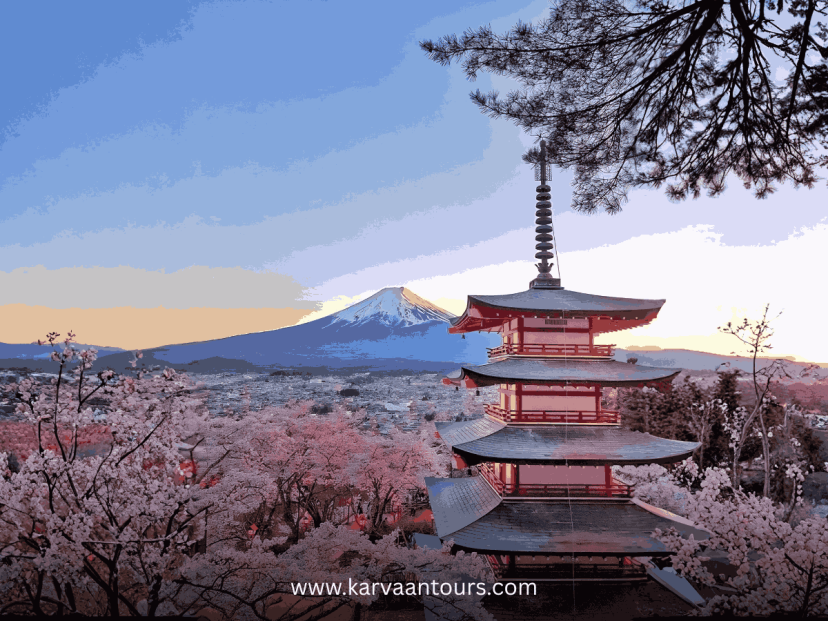
Figure 01: Mt Fuji day trip itinerary tour highlights
What to expect from a Mount Fuji day trip?
A Mount Fuji sightseeing trip from Tokyo typically involves a full day of travel and exploration. Visitors can expect a journey that transitions from the urban environment of Tokyo to the scenic countryside surrounding Mount Fuji. This shift in landscape is one of the most rewarding aspects of the trip, offering a sense of calm and openness that contrasts with city life.
The itinerary usually includes visits to key locations, such as Lake Kawaguchiko, which offers reflective views of the mountain, and elevated viewpoints that provide panoramic perspectives. Travellers should also expect moderate walking, short transfers between stops, and opportunities to explore local shops or cafes. While the schedule can be busy, a well-planned trip ensures that each stop feels meaningful rather than rushed.
Key experiences on a Mount Fuji day trip:
• Scenic countryside views away from Tokyo
• Visits to Lake Kawaguchiko and viewpoints
• Cultural spots like Chureito Pagoda
• Opportunities for photography and relaxation
Who this guide is for?
This guide is designed for travellers who want a detailed and practical understanding of how to plan a Mount Fuji day trip itinerary from Tokyo. It is especially useful for first-time visitors who may not be familiar with the region or the available transportation options.
It also supports travellers who are comparing different travel methods, such as train versus bus or private tours versus self-planned trips. Whether you are travelling alone, with family, or as part of a group, this guide helps you choose the most suitable approach based on time, comfort, and budget.
Is a day trip to Mount Fuji worth it?
A Mount Fuji day trip from Tokyo is worth it for most travellers, particularly those with limited time. While it is not possible to explore every part of the Fuji region in a single day, you can still experience its most iconic highlights.
The journey offers a strong contrast between city life and natural scenery. When visibility conditions are clear, the experience becomes even more memorable, as Mount Fuji reveals its full shape and presence. Even on partially cloudy days, the surrounding lakes and landscapes provide enough value to make the trip worthwhile.
Can You Visit Mount Fuji in One Day from Tokyo?
Distance between Tokyo and Mount Fuji
Tokyo is located approximately 100 to 130 kilometres from Mount Fuji, depending on the destination within the region. This relatively short distance makes it possible to plan a day trip to Mount Fuji from Tokyo without requiring overnight accommodation.
The most common access points, such as Kawaguchiko and Hakone, fall within this range. Their proximity allows travellers to reach scenic areas quickly and return to Tokyo on the same day.
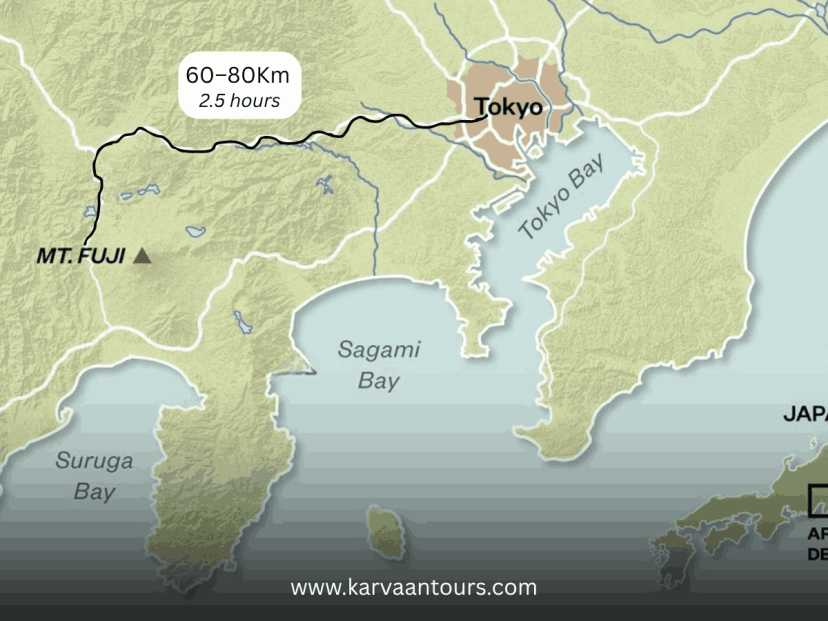
Figure 02: Tokyo to Mount fuji travel route map
Travel time and expectations
The Tokyo to Mount Fuji travel time typically ranges between two and three hours each way. This means that travellers should expect to spend around four to six hours in transit during a full day trip.
A complete Mount Fuji day trip itinerary usually takes ten to twelve hours. This includes travel time, sightseeing stops, meals, and rest breaks. Understanding this time commitment is essential for planning a realistic and enjoyable trip.

Is Mount Fuji a realistic day trip?
Mount Fuji is a realistic day trip when approached with a focused itinerary. Many travellers successfully complete a one-day Mount Fuji itinerary by concentrating on a few key locations rather than attempting to cover too much.
The most effective strategy is to choose one main area, such as the Fuji Five Lakes region, and explore it thoroughly. This ensures that the experience remains enjoyable and allows enough time for sightseeing and relaxation.
How early to leave Tokyo?
Leaving Tokyo early is one of the most important factors in planning a successful trip. Travellers should aim to depart between six and seven in the morning. Early departure allows more time at key locations and increases the chances of clear visibility.
Morning hours often provide the best conditions for viewing Mount Fuji, as clouds tend to develop later in the day. Starting early also helps avoid peak travel times and crowded transportation.

Figure 03: Japanese shrine torii gate scenic view Fujiyoshida
Best Ways to Travel from Tokyo to Mount Fuji
Train and bullet train options
Travelling by train is one of the most efficient ways to reach Mount Fuji. The Shinkansen offers high-speed travel from Tokyo to nearby regions, followed by local train connections to areas such as Kawaguchiko.
This option is ideal for travellers who value speed and reliability. However, it often involves transfers, which require careful planning. Despite this, train travel remains a popular choice due to its comfort and punctuality.
Bus travel to Mount Fuji
The Mount Fuji day trip by bus is a direct and budget-friendly option. Highway buses operate from Tokyo and travel directly to Kawaguchiko and other nearby areas. This eliminates the need for transfers and simplifies the journey.
Bus travel is particularly suitable for first-time visitors who prefer a straightforward route. It also provides a comfortable experience with reserved seating.
Private car day trip
A private car Mount Fuji day trip offers flexibility and convenience. Travellers can customise their itinerary, choose departure times, and visit multiple locations without restrictions.
This option is ideal for families, couples, or small groups who prefer a more personalised experience. While it is more expensive, it provides comfort and efficiency.
Guided tours vs self-planned trips
A Mount Fuji tour from Tokyo provides a structured and convenient experience. Tours typically include transportation, a fixed itinerary, and guidance, making them suitable for travellers who prefer simplicity.
Self-planned trips offer flexibility but require more effort. Travellers must manage transportation, timing, and navigation independently.
Train vs bus vs private car comparison
Train travel is fast but involves transfers. Bus travel is direct and economical. Private travel offers the highest level of comfort and customisation.
Choosing the best option depends on individual priorities such as budget, time, and convenience. Understanding these differences helps travellers make informed decisions.

Recommended departure time
Starting early ensures that travelers maximize daylight hours and avoid crowds. Early departure also improves visibility conditions.
Lake Kawaguchiko visit
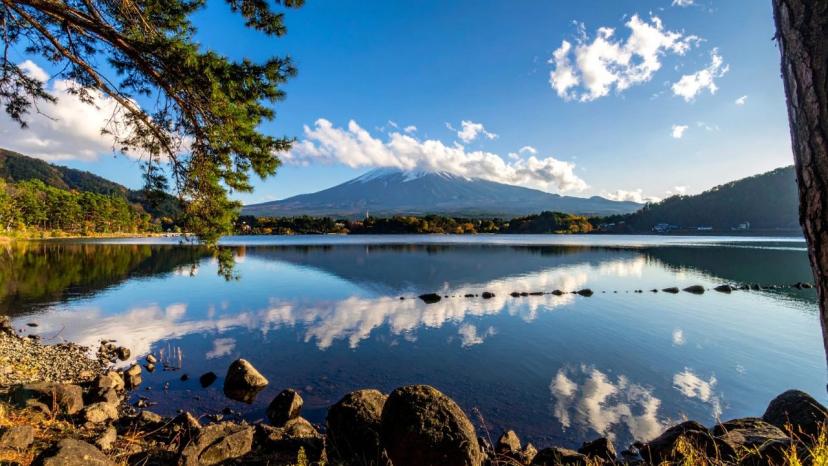
Lake Kawaguchiko is one of the most important stops in any itinerary. It offers clear reflections and scenic surroundings, making it ideal for photography and relaxation.
Chureito Pagoda viewpoint
Chureito Pagoda provides one of the most iconic views of Mount Fuji. The combination of traditional architecture and natural scenery creates a unique visual experience.
Mount Fuji viewpoints and photo stops
The region offers multiple mount fuji viewpoints where travelers can capture panoramic views. These stops are essential for photography and sightseeing.
Optional ropeway experience
The Kawaguchiko Ropeway provides elevated views of the surrounding landscape, enhancing the overall experience.
Return journey to Tokyo
Planning the return journey carefully ensures a smooth end to the day. Travelers should leave before evening traffic increases.

Alternative itinerary: Mount Fuji and Hakone day trip
A mount fuji and hakone day trip from tokyo includes visits to Hakone, offering hot springs and scenic lake views.
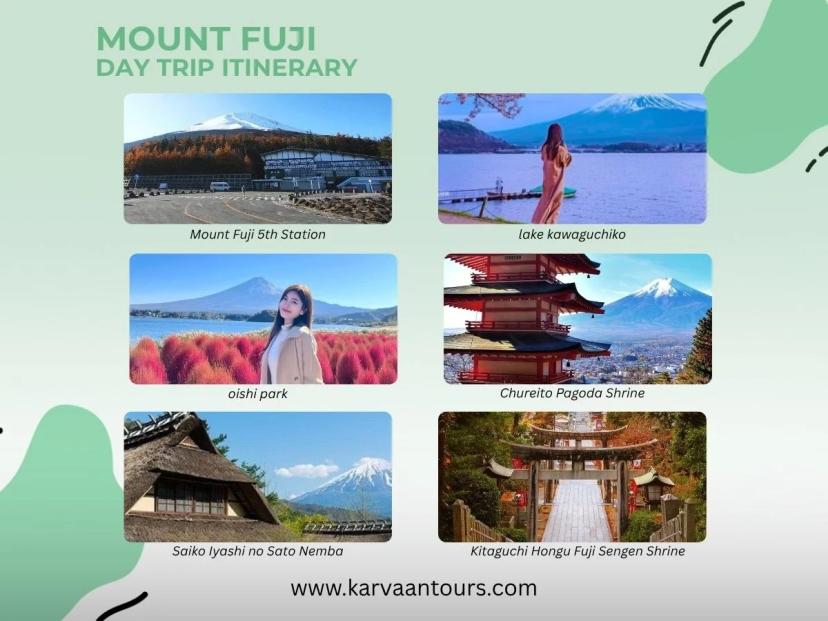
Figure 04: Tokyo to Mount Fuji travel route map
Best Places to See Mount Fuji
Lake Kawaguchiko offers some of the best reflections and accessibility. Chureito Pagoda provides a cultural viewpoint, while Hakone offers unique landscapes. The Fuji Five Lakes area includes multiple scenic locations.
Lake Kawaguchiko
Lake Kawaguchiko is widely considered one of the best locations to enjoy clear and uninterrupted views of Mount Fuji. Positioned within the Fuji Five Lakes region, this lake offers a perfect foreground that enhances the overall visual experience of the mountain. On calm days, the reflection of Mount Fuji on the water creates a striking and photogenic scene that attracts both casual visitors and professional photographers. The area around the lake includes walking paths, cafes, and observation spots, making it easy to explore at a relaxed pace. Its accessibility and variety of viewpoints make it a central highlight of any Mount Fuji day trip itinerary from Tokyo.
Chureito Pagoda
Chureito Pagoda offers one of the most iconic and recognizable views of Mount Fuji. Located on a hillside, this pagoda combines traditional Japanese architecture with a dramatic natural backdrop. Visitors must climb a series of steps to reach the main viewing platform, but the effort is rewarded with a panoramic view that includes the pagoda, Mount Fuji, and the surrounding town. This location is especially popular during cherry blossom season when the scene becomes even more visually striking. It is considered a must visit spot for those seeking a classic and culturally rich perspective of Mount Fuji.
Hakone viewpoints
Hakone provides a different perspective of Mount Fuji compared to the Fuji Five Lakes area. Known for its natural beauty and hot springs, Hakone offers viewpoints around Lake Ashi and surrounding hills. On clear days, Mount Fuji appears in the distance, creating a layered landscape that combines water, forest, and mountain scenery. The region also includes ropeways and observation decks that enhance the viewing experience. While visibility can vary depending on weather conditions, Hakone remains a valuable addition to a Mount Fuji day trip, especially for travelers interested in combining nature with cultural and relaxation experiences.
Fuji Five Lakes area
Fuji Five Lakes is one of the most important regions for viewing Mount Fuji from multiple angles. This area includes five lakes, with Kawaguchiko being the most accessible and popular. Each lake offers a slightly different perspective, allowing visitors to experience the mountain in diverse settings. The region also features parks, walking trails, and scenic viewpoints that highlight the natural beauty of the landscape. Because of its variety and accessibility, the Fuji Five Lakes area is often considered the best location for a comprehensive Mount Fuji viewing experience during a day trip from Tokyo.
Mount Fuji Day Trip Cost Breakdown
Budget travel includes bus and train options. Mid-range tours include guided experiences. Private tours offer premium comfort and flexibility. Costs vary depending on inclusions such as transport and meals.
Budget travel cost
A budget friendly mount fuji day trip from tokyo can be planned using public transportation such as buses and trains. Travelers who choose highway buses or standard train routes can keep costs relatively low while still accessing key locations like Kawaguchiko. On average, a round-trip using bus or train falls within a moderate price range, making it suitable for solo travelers and budget conscious visitors. Additional expenses may include food, local transport, and small entry fees. This option requires careful planning and time management but offers good value for those prioritizing affordability over convenience and flexibility.
Mid-range tour cost
A mid-range mount fuji day tour from Tokyo typically includes transportation, a structured itinerary, and sometimes a guide. These tours are designed to simplify the travel experience by covering major highlights such as Lake Kawaguchiko and scenic viewpoints. Prices are higher than budget travel but offer better organization and reduced stress. Travelers benefit from fixed schedules, reserved transport, and curated stops. This option is ideal for those who want a balanced experience that combines affordability with convenience, without the need to manage complex travel logistics independently.
Private day trip cost
A private day trip to mount fuji from Tokyo is the most premium option and comes at a higher cost compared to other travel methods. This option includes private transportation, often with a dedicated driver, and allows complete flexibility in planning the itinerary. Costs vary depending on vehicle type, group size, and duration, but they are significantly higher than group tours. Despite the higher price, many travelers choose this option for comfort, time efficiency, and personalized experiences, especially when traveling with family or in small groups.
What is included in private tours
A mount fuji private tour from Tokyo usually includes transportation in a private vehicle, a professional driver or guide, and a customizable itinerary. Some packages may also include hotel pickup and drop off, fuel costs, and parking fees. In certain cases, meals or entry tickets to attractions may be included, depending on the provider. The key advantage is flexibility, allowing travelers to adjust stops, spend more time at preferred locations, and avoid crowded schedules. This makes private tours a convenient and efficient way to explore Mount Fuji in one day.
Is a private tour worth it
Choosing a private tour depends on individual priorities such as comfort, time, and budget. For travelers who value flexibility and a stress-free experience, a private tour is often worth the cost. It eliminates the need to navigate public transportation and allows for a more relaxed pace. This option is particularly beneficial for families, couples, or small groups who want a personalized experience. While it requires a higher investment, the convenience and efficiency it provides can significantly enhance the overall quality of a mount fuji day trip itinerary from Tokyo.
Private vs Group Tours
Group tours are cost effective but less flexible. Private tours provide customization and comfort. The choice depends on budget and preferences.
Key differences
When planning a mount fuji day trip from Tokyo, understanding the difference between private and group tours is essential for making the right decision. Group tours follow a fixed itinerary with predefined stops, timings, and routes, which means all travelers move together according to a schedule. In contrast, private tours offer complete flexibility, allowing you to customize your route, choose your departure time, and decide how long to stay at each location. Group tours are generally more structured and predictable, while private tours focus on personalization and comfort. The choice depends on whether you prefer convenience and lower cost or flexibility and control over your itinerary.
Pros and cons of group tours

Benefits of private tours
A mount fuji private tour from Tokyo offers a significantly more personalized experience. The biggest advantage is flexibility, as travelers can adjust their itinerary based on interests, weather conditions, and time availability. Private tours also provide comfort, with dedicated transportation and fewer time constraints. This allows for a more relaxed pace and better opportunities to explore less crowded viewpoints. Another key benefit is efficiency, as private tours eliminate waiting times and unnecessary stops. For those seeking a premium experience, this option enhances both convenience and overall satisfaction during the trip.
- Flexible itinerary tailored to your interests, pace, and weather conditions
- Comfortable travel with private transport and minimal time pressure
- Efficient experience with direct routes and no waiting for groups
- Access to less crowded spots for a more relaxed and premium journey
Who should choose a private tour
A private tour is ideal for travelers who prioritize comfort, flexibility, and efficiency. Families with children, couples, and small groups often benefit the most, as they can travel at their own pace and customize their itinerary. It is also suitable for travelers with limited time who want to maximize their experience without dealing with complex logistics. Those interested in photography or specific viewpoints may find private tours more rewarding, as they can spend more time at preferred locations. While the cost is higher, the overall experience can justify the investment for those seeking a smooth and personalized mount fuji day trip from Tokyo.
Best Time to Visit Mount Fuji from Tokyo
Visibility depends on weather conditions. Spring offers cherry blossoms, while winter provides the clearest views. Checking forecasts is essential.
Mount Fuji visibility explained
Understanding mount fuji visibility conditions is essential when planning a day trip. Mount Fuji is often covered by clouds, especially during the afternoon, which can limit clear views even on sunny days. Visibility depends on humidity, temperature, and wind patterns. Early mornings usually offer the best chance of seeing the mountain clearly, while clouds tend to build later in the day. Seasonal factors also play a role, with colder months providing more stable and clear conditions. Checking the weather forecast Mount Fuji before departure is critical to increase the chances of a successful viewing experience.
Mount Fuji in April
April is one of the most popular months for a mount fuji day trip from Tokyo, mainly due to the cherry blossom season. The combination of Cherry Blossom Sakura and Mount Fuji creates a visually striking landscape, especially around locations like Chureito Pagoda. However, visibility in April can be mixed due to changing weather conditions. While temperatures are mild and comfortable, occasional clouds may affect clear views. Despite this, April remains a highly recommended time because of its scenic beauty and balanced travel conditions. Early morning visits improve the chances of seeing Mount Fuji clearly.

Figure 05: Chureito Pagoda Mt-fuji Cherry blossoms Japan
Mount Fuji visibility in May
May offers improved mount fuji visibility compared to April, as weather conditions become more stable. The skies are generally clearer, and humidity levels are moderate, increasing the likelihood of unobstructed views. This makes May one of the best months for travelers focused on photography and scenic experiences. The landscape is also greener, enhancing the overall visual appeal of the region. While occasional cloudy days can still occur, the chances of seeing Mount Fuji clearly are higher than in early spring. Planning an early departure remains important for maximizing visibility.
Best months for clear views
The best months for clear views of Mount Fuji are typically from late autumn to winter, especially between November and February. During this period, the air is dry, humidity is low, and skies are more stable. These conditions significantly improve the chances of seeing a clear view of mount fuji throughout the day. Summer months, on the other hand, tend to have higher humidity and cloud cover, reducing visibility. For travelers prioritizing clear views over seasonal scenery, winter is the most reliable time to plan a mount fuji day trip itinerary from Tokyo.
Weather tips
Weather plays a critical role in the success of a Mount Fuji trip. Travelers should always check reliable forecasts and monitor mount fuji visibility conditions before departure. It is advisable to plan flexible dates if possible, allowing adjustments based on weather updates. Dressing in layers is important, as temperatures can vary significantly between Tokyo and the Fuji region. Wind conditions can also affect comfort at higher viewpoints. Planning an early visit, avoiding peak cloudy hours, and staying updated with real time forecasts can greatly improve the overall experience.
Essential Travel Tips for Mount Fuji Day Trip
Preparation is key. Pack essentials, check visibility, travel early, and avoid common mistakes such as poor timing.
Essential travel tips:
• Start early to maximize daylight
• Check Mount Fuji visibility before departure
• Wear comfortable walking shoes
• Keep your itinerary focused to avoid rushing
What to pack?
Packing properly for a mount fuji day trip from tokyo can significantly improve comfort and convenience throughout the journey. Travelers should carry light but essential items, including water, snacks, and a power bank for mobile devices. Comfortable walking shoes are important, as many viewpoints require walking or climbing steps. Weather conditions around Mount Fuji can change quickly, so wearing layers is recommended. A light jacket is useful even during warmer months due to cooler temperatures near the lakes. For photography, carrying a camera or smartphone with sufficient storage is essential to capture scenic views.
How to check visibility?
Checking mount fuji visibility conditions before departure is one of the most important steps in planning your trip. Travelers should use reliable weather forecasting tools and live webcams available online to monitor cloud coverage around Mount Fuji. Early morning updates provide the most accurate indication of visibility for the day. Clear skies in Tokyo do not always guarantee clear views at Mount Fuji, so it is important to check region specific forecasts. Planning flexibility allows you to adjust your travel date if visibility is poor, increasing the chances of a successful experience.
Tips to avoid crowds
Mount Fuji is one of the most visited destinations in Japan, so avoiding crowds requires strategic planning. The most effective approach is to start your mount fuji day trip itinerary from tokyo early in the morning. Arriving at key locations such as Lake Kawaguchiko before peak hours ensures a more peaceful experience. Visiting on weekdays instead of weekends also helps reduce congestion. Choosing less crowded viewpoints or exploring areas slightly away from main tourist spots can further improve the experience. Efficient time management allows you to enjoy scenic locations without long waiting times.
Common mistakes to avoid
Several common mistakes can affect the quality of a mount fuji day trip from tokyo. One major error is leaving Tokyo too late, which reduces available time and visibility chances. Another mistake is trying to visit too many locations in one day, leading to a rushed experience. Ignoring weather conditions is also a frequent issue, as visibility plays a key role in the trip’s success. Travelers should avoid relying only on general forecasts and instead check specific Mount Fuji updates. Proper planning, realistic expectations, and flexibility help prevent these issues and ensure a smoother journey.
Conclusion
A Mount Fuji day trip from Tokyo is a rewarding experience for travellers with limited time. The journey to Mount Fuji offers a refreshing escape from city life, with highlights like Lake Kawaguchiko and Chureito Pagoda delivering iconic views. With early planning and a focused itinerary, the trip can be both smooth and memorable.
Transport choice and timing play a key role in the overall experience. While public transport is budget friendly, private tours offer more flexibility and comfort. Seasonal conditions also impact visibility, so planning ahead is essential. Overall, it’s a practical and worthwhile addition to any Tokyo itinerary.