


Introduction to Kawagoe
Kawagoe is a historic town near Tokyo, often called “Little Edo” for its well-preserved Edo-period atmosphere. Known for its traditional streets, cultural landmarks, and nostalgic charm, Kawagoe offers a glimpse into Japan’s past. Visitors can explore old merchant houses, local shops, and historic sites, making it a popular cultural day trip from Tokyo. Its easy accessibility, combined with a rich heritage and relaxed pace, makes Kawagoe an ideal destination for travelers seeking an authentic and immersive Japanese experience. Many visitors prefer arriving early to avoid crowds and enjoy a quieter experience. Weekends can get busy, especially around midday.
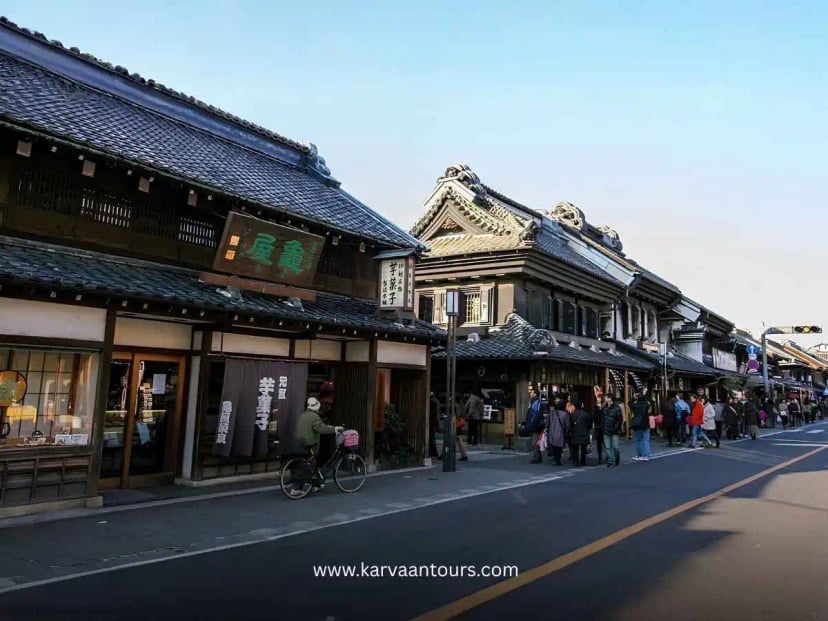
Kawagoe kurazukuri street historic buildings tourists
What is Kawagoe known for?
Kawagoe is known as “Little Edo,” famous for its preserved Edo-period streets, traditional architecture, sweet potato snacks, and cultural landmarks. Located near Tokyo, it offers a nostalgic travel experience with historic charm, making it one of the most popular cultural day trips in Japan.
Why Kawagoe is Called Little Edo
Kawagoe earned the nickname “Little Edo” due to its strong connection to Japan’s Edo period and its preserved historical environment. The town reflects the lifestyle, architecture, and culture of that era, offering visitors a unique opportunity to experience traditional Japan. Walking through Kawagoe feels like stepping back in time, making it one of the best places near Tokyo to explore Edo-period heritage and cultural charm.
Edo Period History
Kawagoe developed as an important merchant town during the Edo period, serving as a key trade hub connected to Tokyo. Its strategic location allowed it to flourish economically, and many traditional elements from that time still remain visible today.
Traditional Architecture
One of the highlights is Kurazukuri Street, famous for its clay-walled warehouse buildings. These structures were designed to protect goods from fire and have become a symbol of Kawagoe’s historic charm.

Cultural Heritage Experience
The preserved townscape of Kawagoe allows visitors to experience authentic Edo-period culture. From traditional shops to historic streets, the area offers a rich cultural journey that reflects Japan’s heritage and history.
Things to Do in Kawagoe Japan
Kawagoe offers a variety of cultural and sightseeing experiences that reflect its “Little Edo” charm. Visitors can explore historic streets, admire iconic landmarks, and immerse themselves in traditional Japanese culture. The town’s compact layout makes it easy to walk around and discover hidden gems. Whether you’re interested in history, photography, or local traditions, Kawagoe provides a rich and enjoyable experience for travelers looking to explore beyond modern Tokyo. Most visitors spend extra time around this area for photos.
|
Activity |
Experience |
Time Needed |
Best For |
|
Old Town Walk |
Edo-style streets |
1–2 hours |
First-time visitors |
|
Bell Tower Visit |
Landmark photography |
20–30 mins |
Photographers |
|
Street Food |
Local snacks |
1 hour |
Food lovers |
|
Temples & Shrines |
Cultural exploration |
1–2 hours |
Culture seekers |
Explore Kawagoe Old Town
Walking through Kawagoe Ichibangai Street is one of the highlights of visiting Kawagoe. This historic street is lined with traditional buildings, shops, and cafes that reflect Edo-period architecture. The atmosphere feels nostalgic, allowing visitors to experience the charm of old Japan.
Visit Iconic Landmarks
The famous Toki no Kane Bell Tower is a symbol of the town and a must-see attraction. Its historic design and cultural importance make it one of the most photographed landmarks in Kawagoe.
Experience Local Culture
Visitors can enhance their experience by trying kimono rentals or enjoying traditional rickshaw rides. These activities provide a deeper cultural immersion and allow you to explore Kawagoe in a unique and memorable way.
Kawagoe Food Guide and Street Food Experience
Kawagoe is also known for its delicious street food and traditional snacks. The town offers a variety of local specialties that reflect Japanese culinary culture. From sweet treats to savoury bites, Kawagoe’s food scene is an essential part of the experience, making it a great destination for food lovers exploring historic Japan. Many travellers prefer trying small portions to sample more dishes.
Sweet Potato Snacks
Kawagoe is famous for its sweet potato-based treats, including chips, desserts, and pastries. These local specialties are widely available and are a must-try for visitors exploring the town.
Candy Alley Experience
Kashiya Yokocho Candy Alley offers a nostalgic experience with traditional Japanese sweets and snacks. The colorful shops and retro atmosphere make it a fun and unique stop.
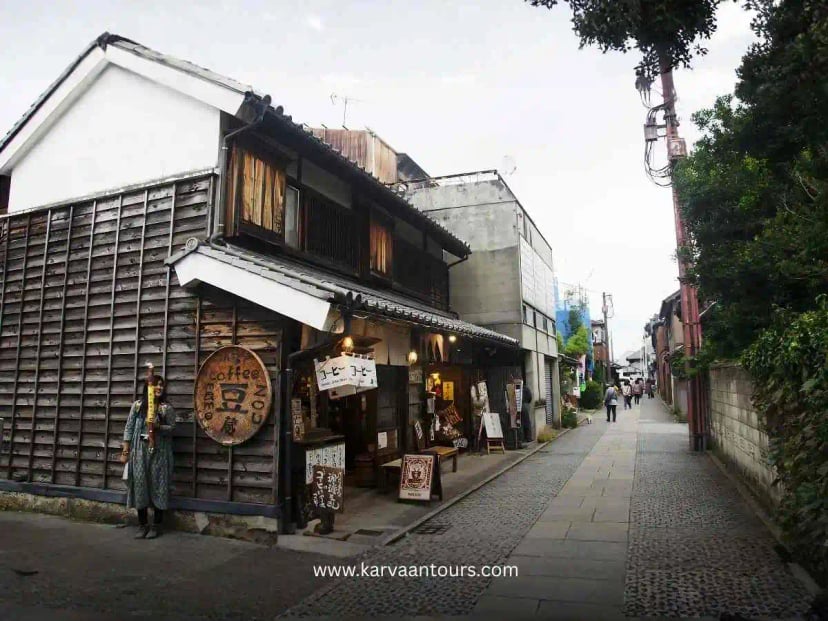
Kawagoe old town alley traditional cafe street
Traditional Japanese Sweets
Visitors can also enjoy classic wagashi and matcha-based desserts. These traditional sweets provide an authentic taste of Japanese culture and are perfect for a relaxing break during your visit.
Kawagoe Walking Tour Experience
A walking tour in Kawagoe is one of the best ways to explore its historic charm and cultural atmosphere. The compact layout makes it ideal for slow travel, allowing visitors to discover traditional streets, local shops, and hidden spots at their own pace. Whether you choose a self-guided route or a structured tour, walking through Kawagoe offers an immersive journey into Japan’s Edo-period heritage. The experience combines sightseeing, food exploration, and cultural encounters, making it a memorable highlight of any Kawagoe day trip from Tokyo for travelers.
Self-Guided Walking Route
A self-guided walking route through Kawagoe allows visitors to explore the old town at their own pace while enjoying its historic atmosphere. Starting from the station, you can walk through traditional streets, visit landmarks, and stop at local shops along the way. The route typically includes scenic paths, cultural sites, and food streets, making it easy to experience the town’s highlights without a strict schedule. This flexible approach is perfect for travelers who prefer independence while still enjoying a well-structured exploration of Kawagoe’s Edo-style environment and heritage. Starting early helps you cover major attractions before peak crowds.
Guided and Private Tours
Guided tours in Kawagoe offer deeper insights into the town’s history, culture, and architecture. Cultural walking tours are led by knowledgeable guides who explain the significance of landmarks and traditions. Private tours provide a more personalized experience, allowing visitors to customize their itinerary based on interests. These tours often include hidden spots, local stories, and unique cultural interactions. For first-time visitors, guided or private tours enhance understanding and provide a richer, more engaging experience while exploring Kawagoe’s historic streets and cultural heritage.
Shopping Streets
Taisho Roman Street is a charming shopping area that reflects early modern Japanese design blended with Western influences. This street offers a mix of boutiques, cafes, and souvenir shops, creating a lively yet nostalgic atmosphere. Visitors can explore unique local products, traditional crafts, and stylish items while enjoying the historic surroundings. The street complements Kawagoe’s old town experience by adding variety to your walking tour. It is an ideal place to relax, shop, and experience a different side of Kawagoe’s cultural and architectural heritage.
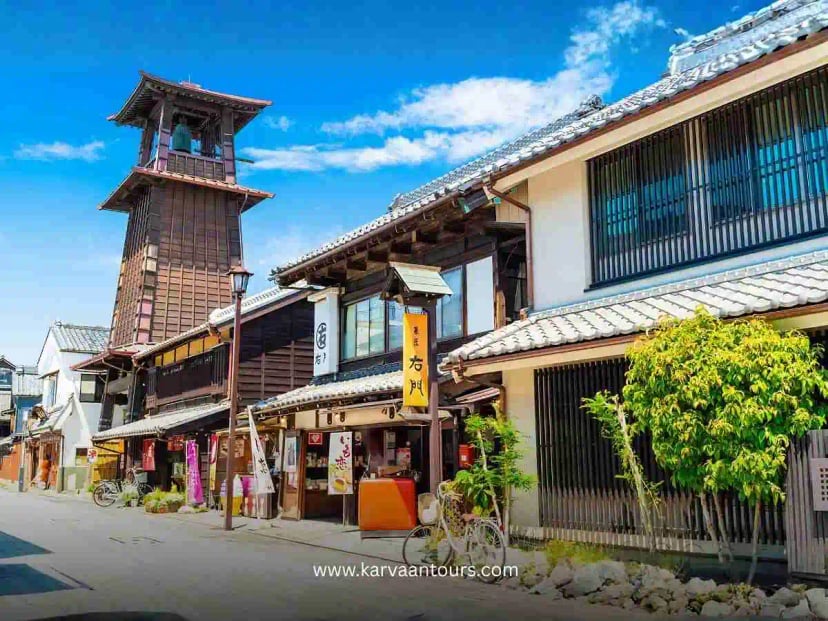
Kawagoe kurazukuri street historic buildings tourists
Kawagoe Temples and Shrines Guide
Kawagoe is home to several temples and shrines that reflect its spiritual and cultural heritage. These sacred sites offer a peaceful contrast to the lively streets and provide insight into Japan’s religious traditions. Visitors can explore historic structures, participate in rituals, and enjoy tranquil surroundings. Including temples and shrines in your itinerary enhances your Kawagoe experience by adding depth and meaning. These locations are not only important for worship but also serve as cultural landmarks that showcase the town’s historical and spiritual significance.
Major Shrines
Kawagoe Hikawa Shrine is one of the most famous shrines in the area, known for its connection to love and relationships. Visitors come here to pray, purchase charms, and experience traditional rituals. The shrine is especially popular for its scenic decorations and seasonal displays, making it both a spiritual and visual highlight. Walking through its grounds offers a calm and reflective atmosphere, allowing visitors to connect with Japanese religious traditions while enjoying the beauty and serenity of this important cultural site in Kawagoe.
Important Temples
Kitain Temple is a significant Buddhist temple with strong historical ties to the Edo period. It is known for its preserved architecture, peaceful gardens, and cultural importance. Visitors can explore temple grounds, observe traditional structures, and learn about its role in Japanese history. The temple provides a quiet retreat from busy streets, offering a space for reflection and appreciation of Japan’s spiritual heritage. Its historical connections and serene environment make it a must-visit destination when exploring Kawagoe’s cultural landscape.
Cultural Significance
Temples and shrines in Kawagoe play an important role in preserving spiritual traditions and cultural identity. These sites represent centuries of religious practices and community life, offering visitors a deeper understanding of Japanese beliefs. Experiencing these sacred places allows travelers to observe rituals, architecture, and peaceful environments that define Japan’s spiritual culture. They also provide a meaningful contrast to modern life, making Kawagoe a destination where history, religion, and everyday life come together in a unique and enriching cultural experience.
Kawagoe Itinerary (One Day / Half Day)
Planning your time in Kawagoe helps you experience its historic streets, food, and culture efficiently. Whether you have a few hours or a full day, Kawagoe’s compact layout makes it easy to explore. A well-structured itinerary allows you to visit key landmarks, enjoy local food, and experience traditional atmosphere without rushing. From quick highlights to a complete cultural journey, Kawagoe offers flexible travel options suitable for all types of visitors.
Half-Day Trip Plan
A half-day visit focuses on Kawagoe’s main highlights, including old town streets, iconic landmarks, and food spots. Start early, explore historic areas, try local snacks, and enjoy a relaxed walk through the town. This plan is perfect for travelers with limited time.
Full-Day Kawagoe Plan
A full-day itinerary allows deeper exploration of Kawagoe, including temples, shrines, shopping streets, and cultural experiences. You can take your time enjoying food, photography, and local attractions without rushing.
Combine Attractions Efficiently
Plan your route to move smoothly between nearby attractions. Starting from the station and following a circular route helps save time and ensures you cover all major highlights efficiently.
Kawagoe Day Trip from Tokyo
Kawagoe is one of the easiest and most rewarding day trips from Tokyo. With short travel times and excellent transport connections, it offers a quick escape into Japan’s historic past. The town’s unique “Little Edo” atmosphere, combined with food and cultural experiences, makes it ideal for travelers looking to explore beyond Tokyo without long travel distances.
Travel Time and Distance
Kawagoe is located about 30 to 60 minutes from Tokyo, depending on the train route. This short distance makes it highly convenient for a day trip.
Train Options
Visitors can reach Kawagoe using lines such as the Tobu Tojo Line, Seibu Shinjuku Line, and JR Kawagoe Line. These provide frequent and direct connections.
Why It’s a Perfect Day Trip
Kawagoe combines accessibility, cultural richness, and a relaxed atmosphere. Its short distance from Tokyo and variety of attractions make it an ideal destination for a quick yet meaningful travel experience.
How to Get to Kawagoe from Tokyo
Traveling to Kawagoe from Tokyo is simple and convenient, thanks to multiple train options. The journey is straightforward, making Kawagoe a popular destination for both locals and tourists seeking a cultural escape.
From Shinjuku and Ikebukuro
Visitors can travel from Shinjuku or Ikebukuro using direct train routes. These major hubs offer easy and frequent connections to Kawagoe.
Transport Guide
Choosing the right train depends on your starting location. Direct routes are available, and most journeys are comfortable and efficient. Planning ahead ensures a smooth trip.
Local Transport in Kawagoe
The Koedo Loop Bus is a convenient option for getting around Kawagoe. It connects major attractions and is useful for visitors who prefer not to walk long distances.
Best Time to Visit Kawagoe
The best time to visit Kawagoe depends on weather, festivals, and crowd levels. Each season offers a different experience, from lively events to peaceful sightseeing. Planning your visit based on seasonal highlights ensures a more enjoyable trip.
Seasonal Highlights
Spring and autumn are the most popular seasons, offering pleasant weather and beautiful scenery. Seasonal changes enhance the town’s historic atmosphere and overall experience.
Kawagoe Festival
The Kawagoe Festival is one of the town’s biggest events, featuring traditional floats, performances, and lively celebrations. It provides a unique cultural experience.
Crowd and Timing Tips
Visiting early in the morning or on weekdays helps avoid crowds. Peak seasons and festivals can be busy, so planning ahead improves your experience.
Kawagoe Shopping and Cultural Experience
Kawagoe offers a rich shopping and cultural experience with traditional stores, crafts, and local specialties. Exploring these shops allows visitors to connect with local culture and find unique souvenirs.
Traditional Shops
Visitors can explore shops selling soy sauce, crafts, and traditional goods. These stores reflect Kawagoe’s heritage and offer authentic local products.
Kimono Experience
Renting a kimono allows visitors to fully immerse themselves in the historic atmosphere. It’s also a popular activity for photography and cultural exploration.
Souvenirs and Local Goods
Kawagoe offers a variety of souvenirs, including handmade crafts, sweets, and unique local items. These make meaningful keepsakes from your visit.
Kawagoe Photography Tips
Kawagoe is a dream destination for photography lovers, offering historic streets, traditional architecture, and nostalgic Edo-era vibes. From iconic landmarks to quiet alleyways, every corner provides a unique visual story. The blend of old-town charm and cultural elements makes it perfect for capturing authentic Japan. Whether you're using a smartphone or a camera, timing and composition play a key role in getting the best shots. Kawagoe’s compact layout also allows you to easily move between locations and capture diverse scenes within a short time.
Best Photo Spots
Top photography spots include Kawagoe Ichibangai Street and the iconic Toki no Kane Bell Tower. These locations showcase traditional architecture and provide classic Kawagoe visuals.
Lighting and Timing
Golden hour early morning or late afternoon offers the best lighting conditions. Soft light enhances textures and reduces crowds, helping you capture cleaner, more atmospheric photos.
Composition Ideas
Use leading lines from streets, symmetry in buildings, and framing with traditional structures to create visually appealing compositions. Adding depth improves storytelling in your photos.
Kawagoe Travel Tips
Visiting Kawagoe is easy and enjoyable with a bit of planning. From navigating the town efficiently to managing your budget, simple travel tips can greatly improve your experience. Kawagoe is compact and walkable, making it suitable for all types of travelers. Preparing ahead helps you explore more, avoid crowds, and enjoy a smooth trip. Whether you're visiting for a few hours or a full day, these tips ensure a comfortable and memorable journey through this historic town.
Quick Tips for Visiting Kawagoe
· Visit early to avoid crowds
· Wear comfortable walking shoes
· Try small portions of street food
· Plan a simple walking route
· Combine cultural spots with food stops
Walking and Navigation Tips
Kawagoe is best explored on foot. Following a simple route from the station through the old town ensures you cover major attractions without confusion. Clear signage and maps make navigation easy.
Budget Tips
Kawagoe is relatively affordable compared to Tokyo. Street food, transport, and entry fees are reasonably priced, making it suitable for budget travelers while still offering rich experiences.
Planning Your Visit Efficiently
Start early, prioritize key attractions, and follow a planned route to save time. Combining nearby spots helps maximize your visit without feeling rushed.
Is Kawagoe Worth Visiting
Kawagoe is definitely worth visiting for its unique blend of history, culture, and accessibility. Known as “Little Edo,” it offers an authentic glimpse into Japan’s past without traveling far from Tokyo. The preserved streets, local food, and cultural experiences make it a standout destination for day trips.
Unique Cultural Value
Kawagoe provides a rare Edo-period experience with traditional architecture, historic streets, and local customs. It’s one of the best places near Tokyo to experience old Japan.
Pros and Cons
While Kawagoe is easily accessible and culturally rich, it can get crowded during weekends and peak seasons. However, the experience remains rewarding for most visitors.
Who Should Visit
Kawagoe is ideal for culture lovers, photographers, and travelers seeking a relaxed, authentic Japanese experience close to Tokyo.
Conclusion
Kawagoe offers a perfect escape from Tokyo with its historic charm, cultural depth, and easy accessibility. From exploring Edo-style streets to enjoying local food and traditions, it delivers a complete travel experience. Its compact size and rich heritage make it ideal for both short and full-day trips. As one of the best cultural destinations near Tokyo, Kawagoe stands out as a must-visit for anyone looking to experience authentic Japan beyond the modern cityscape.