
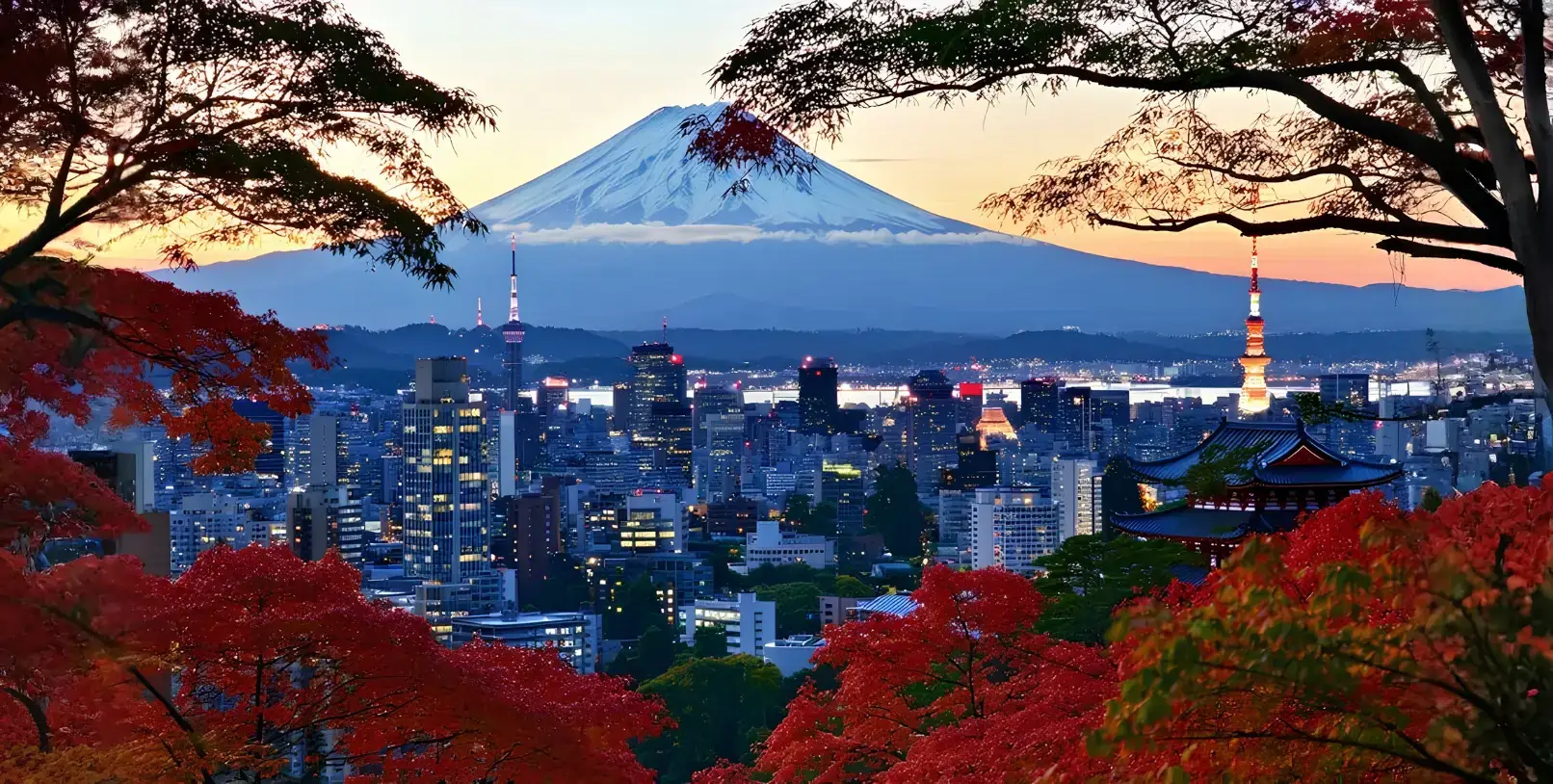
Mount Fuji Travel Guides: Sunrise Hikes & Iconic Views
Explore Mount Fuji Best Lakes, Trails, and Scenic Locations
Duration
1 days
Rating
4.9/5.0
About Mount Fuji Travel Guides: Sunrise Hikes & Iconic Views
Mount Fuji is the most iconic and highest mountain in Japan, standing at 3,776 meters between the Shizuoka and Yamanashi Prefectures. It is an active volcano, though it last erupted in 1707. It is known for its closest cone shape to perfection and is a UNESCO-designated World Cultural Heritage Site of 2013. Experience its beauty by visiting Lake Kawaguchiko, Chureito Pagoda, and the Fuji Five Lakes through a Mount Fuji tour package. The official climbing season runs from early July to early September, with the Yoshida, Subashiri, Gotemba, and Fujinomiya trails open to hikers. The clearest views can be observed during the winter months, particularly from December to February. Mount Fuji is easily accessible by bus or train from Tokyo, attracts millions of visitors each year, and stands as an icon of Japan’s natural beauty and cultural heritage.
Discovering Mount Fuji: Japan's Sacred Peak
Mount Fuji stands as Japan's most iconic natural landmark, a symbol of beauty, spirituality, and national identity. This majestic stratovolcano, rising 3,776 meters above sea level, has captivated travelers, artists, and pilgrims for centuries. Located approximately 100 kilometers southwest of Tokyo, Mount Fuji is easily accessible and offers year-round attractions, though each season presents unique experiences and challenges.
The mountain's perfect conical shape, often snow-capped during winter and early spring, has inspired countless works of art, from traditional ukiyo-e woodblock prints to modern photography. The Fuji Five Lakes region, comprising Kawaguchiko, Yamanakako, Saiko, Shojiko, and Motosuko, provides some of the most spectacular viewpoints. Lake Kawaguchiko, in particular, offers stunning reflections of the mountain, especially during the cherry blossom season in spring and the vibrant autumn foliage period.
For those seeking adventure, the official climbing season runs from early July to early September, when weather conditions are most favorable. Four main trails lead to the summit: Yoshida, Subashiri, Gotemba, and Fujinomiya. Each trail offers different experiences, from the popular Yoshida trail with its mountain huts and sunrise views, to the less crowded Gotemba trail. Climbing Mount Fuji is considered a spiritual journey for many Japanese, with the ascent representing purification and the achievement of personal goals.
Beyond climbing, the Mount Fuji area offers numerous cultural and natural attractions. The Chureito Pagoda, with its iconic view of Mount Fuji framed by cherry blossoms, is one of Japan's most photographed locations. The Aokigahara Forest, also known as the Sea of Trees, provides hiking opportunities through ancient lava flows, while the various hot springs in the region offer relaxation after a day of exploration. The Fuji-Q Highland amusement park combines thrilling rides with spectacular mountain views, making it a popular destination for families.
Winter months, particularly December through February, offer the clearest views of Mount Fuji, as the cold, dry air provides exceptional visibility. During this time, the mountain's snow-capped peak creates a breathtaking contrast against the blue sky. Many visitors choose to view the mountain from various observation points, such as the Mount Fuji Panoramic Ropeway or the various lakeside parks, rather than attempting the challenging winter conditions.
The cultural significance of Mount Fuji extends beyond its physical beauty. Designated as a UNESCO World Cultural Heritage Site in 2013, the mountain has been a site of pilgrimage for over 1,200 years. Shinto shrines around the base, such as the Fuji Sengen Shrine, honor the mountain's spiritual importance. The mountain's presence in Japanese culture is profound, appearing in literature, poetry, and art throughout the country's history, making it not just a natural wonder, but a deeply embedded part of Japan's cultural identity.
One Day Mount Fuji Itinerary
Depart Tokyo
Early morning departure from Shinjuku by highway bus or private car. Arrive at the Fuji Five Lakes area in approximately 2 hours.
Chureito Pagoda
Climb 398 stone steps to reach the iconic five-story pagoda framed perfectly against Mount Fuji. Best light for photography in the morning.
Oshino Hakkai
Explore the eight crystal-clear spring ponds fed by Mount Fuji snowmelt. Stroll through the traditional village with thatched-roof buildings.
Lunch at Kawaguchiko
Enjoy local Hoto noodles or fresh lake fish at a lakeside restaurant overlooking Mount Fuji.
Mt. Fuji Panoramic Ropeway
Take the ropeway above the treeline for unobstructed aerial views of Mount Fuji and Lake Kawaguchiko.
Mt. Fuji 5th Station
Drive up to 2,300 meters for close-up views of the summit without climbing. Browse souvenir shops and enjoy the mountain air.
Return to Tokyo
Head back to Tokyo arriving in the evening, completing a full and rewarding Mount Fuji day tour.
Best Time to Visit Mount Fuji
The best time to visit Mount Fuji depends entirely on what you want to experience. Each season offers a completely different perspective of this iconic mountain.
Spring (March – May) brings the magical combination of cherry blossoms and Mount Fuji views. The area around Lake Kawaguchiko and Chureito Pagoda becomes one of the most photographed spots in all of Japan during this season. Temperatures are mild and the mountain is still snow-capped, creating a stunning contrast of pink blossoms and white peak.
Summer (July – September) is the official climbing season. The Yoshida, Subashiri, Gotemba, and Fujinomiya trails are all open during this period. Mountain huts operate along the routes, and experienced guides are available. This is the only safe and recommended time to attempt the summit.
Autumn (October – November) offers spectacular fall foliage around the Fuji Five Lakes region. The crowds thin out after the climbing season ends, making it an ideal time for sightseeing, photography, and exploring the surrounding attractions at a relaxed pace.
Winter (December – February) is considered the best time for clear views of Mount Fuji. The cold, dry air provides exceptional visibility, and the snow-capped peak against a deep blue sky creates breathtaking scenery. While climbing is not possible, viewing the mountain from lakeside parks, ropeways, and observation decks is truly spectacular.
Top Highlights
Aokigahara Forest
Lake Yamanakako Panorama Deck
Summit climb for sunrise over a sea of clouds
Chureito Pagoda cherry blossom lookout
Oshino Hakkai spring-fed ponds
Tags
Travel Tips
Visit early in the morning for the clearest views, especially in winter.
Check the weather and visibility beforehand, as conditions change quickly.
Only climb during the official season (early July–early September) for safety.
Wear layered clothing, since temperatures drop sharply even in summer.
Frequently Asked Questions
Q:How long is a Mount Fuji day tour?
A typical Mount Fuji day tour from Tokyo takes around 10 to 12 hours, covering key attractions like Chureito Pagoda, Lake Kawaguchi, and the 5th Station.
Q:What is the best time to visit Mount Fuji?
The best time to climb is July to September. For the clearest views, December to February is ideal, with snow-capped peaks and excellent visibility.
Q:How do I get to Mount Fuji from Tokyo?
You can reach Mount Fuji from Tokyo by direct highway bus in about 2 hours, or by train to Kawaguchiko Station via Otsuki on the Fuji Excursion line.
Q:Is Mount Fuji open for climbing year round?
No, the official climbing season runs from early July to early September only. Outside this period, trails are closed due to dangerous weather conditions.
Q:Do I need a guide to climb Mount Fuji?
A guide is not mandatory but highly recommended for first-time climbers. Karvaan Tours offers private guided Mount Fuji experiences for a safe and memorable visit.
Top attractions of Mount Fuji.
Chureito Pagoda
Oshino Hakkai
Arakura Fuji Sengen Shrine
Kawaguchiko Lawson
Lake Kawaguchi
Mt. Fuji 5th Station
Mt. Fuji Panoramic Ropeway
Oishi Park
Saiko Iyashi-no-Sato Nenba
Fuji-Q Highland
Fuji Honcho Dori
Fugaku Wind Cave
Fugaku ice cave
Fuji Sengen Shrine of Kitaguchi Hongu
Lake Shoji
Yagizaki Park
Shiraitono Falls
Lake yamanakako
BOOK Your Tour Today!
Experience the magic of winter at majestic Mount Fuji. Explore our tour packages and embrace the serene beauty of Japan's iconic snowscape.